OpenAI's AI browser Atlas, especially its agent mode, is avoiding certain parts of the web due to ongoing legal battles, such as avoiding media outlets suing OpenAI and reconstructing content from other sources, raising concerns about access and copyright enforcement in AI browsing.

OpenAI's new ChatGPT Atlas browser aims to revolutionize web browsing with AI-powered features, but currently faces limitations like usage caps and the need for a subscription, raising questions about its practicality, privacy, and potential to challenge dominant browsers like Google Chrome.
OpenAI's Atlas browser aims to serve as a web tour guide by prioritizing AI-generated answers over traditional links, but its Ask ChatGPT sidebar is only moderately helpful and sometimes inaccurate, raising questions about the necessity of such a feature in web browsing.
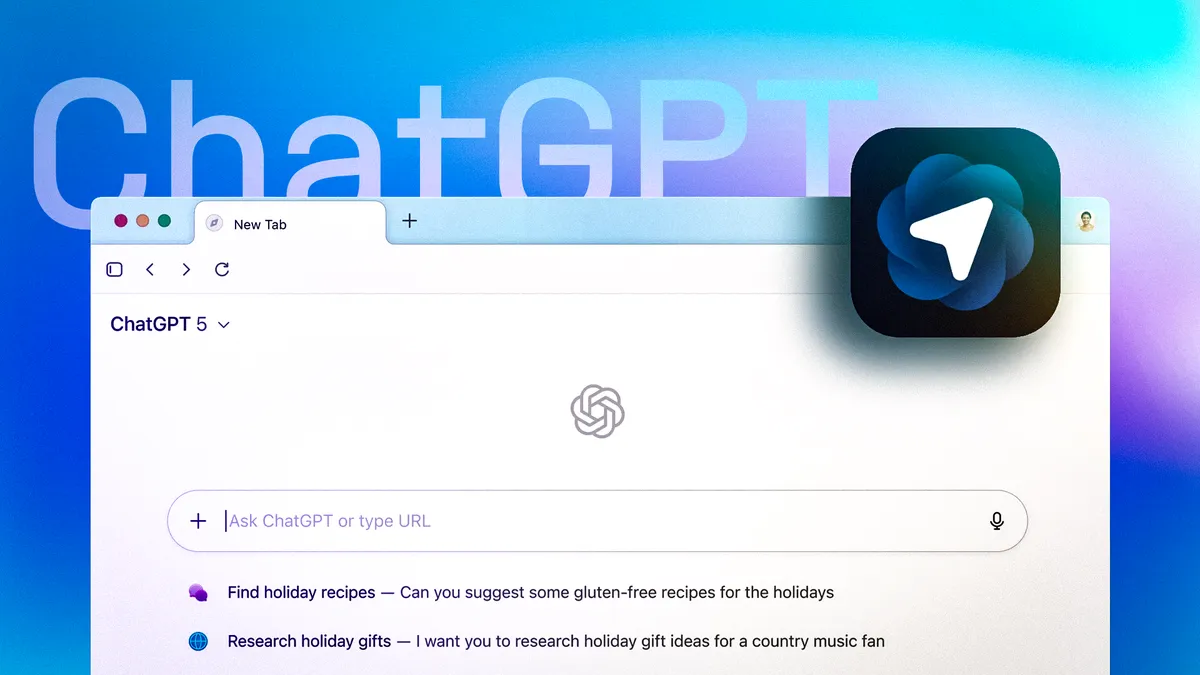
OpenAI has launched ChatGPT Atlas, an AI-powered web browser for MacOS that integrates ChatGPT features into browsing, with support for Windows, iOS, and Android coming soon, challenging existing AI-enhanced browsers like Google's Gemini and Perplexity.
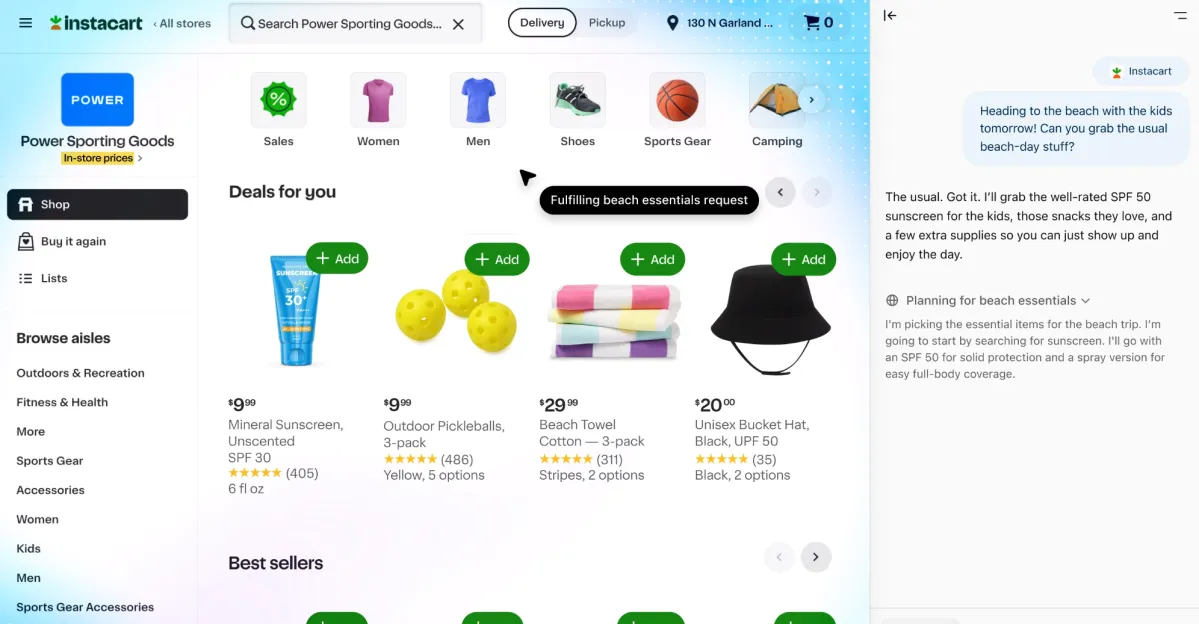
OpenAI has launched ChatGPT Atlas, an AI-powered web browser available on macOS with plans to expand to other platforms, featuring personalized memory, agent mode for task automation, and integrated ChatGPT functionalities to enhance web browsing and task management, intensifying the AI browser competition.
A study analyzing over 14 million website visits found that AI is rarely used in daily online activity, accounting for less than 1% of browsing, with higher usage linked to certain personality traits like narcissism and psychopathy. The research highlights discrepancies between self-reported and actual AI use and suggests AI is primarily used as a productivity tool rather than for entertainment.
Google has introduced Gemini 2.5 Computer Use, an AI model capable of navigating and interacting with web interfaces like a human, using visual understanding to perform tasks such as filling out forms and browsing. It is available to developers via Google AI Studio and Vertex AI, and demonstrates improved performance on web and mobile benchmarks, focusing solely on browser interactions rather than full computer control.
Opera has launched its AI browser, Neon, available initially to a limited number of users for $19.90 per month, featuring AI agents tailored for specific tasks, with others invited to join a waitlist, amidst a growing market of AI-enabled browsers.
Google is expanding Gemini AI features in Chrome to all US Mac and Windows users, introducing agentic browsing, multi-tab summarization, web page retrieval, and deeper integration with Google apps, along with new AI-powered security and password management tools, with plans to extend these features globally.
Vivaldi CEO Jon von Tetzchner opposes the integration of generative AI into web browsers, citing concerns over dehumanization, data privacy, and the loss of web diversity, and emphasizes user control over data and browsing experience.
Microsoft has launched Copilot Mode in its Edge browser, an experimental AI-powered feature that assists users with browsing, research, and task automation, including voice input and content suggestions, aiming to enhance everyday online activities.
Microsoft has introduced an experimental AI-powered feature called 'Copilot Mode' in the Edge browser, which acts as a collaborative AI assistant to enhance browsing by analyzing websites, managing tabs, and performing tasks via natural language commands. The feature aims to streamline web navigation and is available for free for a limited time, with potential future subscription requirements, emphasizing user data privacy and control.
Microsoft is integrating its Copilot AI into the Edge browser, allowing users to browse the web with AI assistance that can read, evaluate, and respond to web content, marking a shift towards AI-driven web navigation.
The article reviews an early version of Comet, an AI-powered browser by Perplexity, which can autonomously navigate websites, perform tasks, and assist users, offering a glimpse into the future of web browsing. Despite its current slow performance and high cost, it impresses with its potential to act as a personal co-pilot, handling mundane tasks in the background. The author is tempted to switch but notes the need for more refinement and affordability.