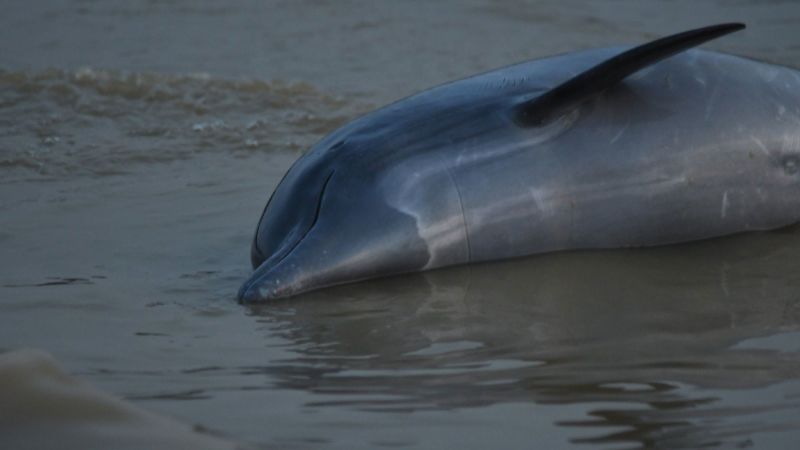
A study reveals that a severe drought and heat wave in 2023 caused Lake Tefe in the Amazon to reach temperatures over 41°C, leading to the death of hundreds of dolphins and highlighting the broader impacts of climate change on tropical aquatic ecosystems.
A study by Swansea University scientists has found that many infant formula preparation devices do not produce water hot enough to kill harmful bacteria, such as Salmonella and Cronobacter. The study revealed that only 11 out of 74 infant formula preparation machines reached the recommended temperature of at least 70 degrees C (158 degrees F), compared to 54 out of 69 kettle users. The research also highlighted low awareness among parents of the risks of bacterial contamination and the importance of following proper preparation guidelines. The study suggests that infant formula labeling should include information about the need for water above 70 degrees C and the importance of handwashing.
Over 100 dolphins have been found dead in Lake Tefé in the Brazilian Amazon, likely due to record-high water temperatures and an historic drought. The Mamirauá Institute suggests that the deaths are connected to the extreme weather conditions, raising concerns about the impact of human activity and climate change on the region. Researchers and activists are attempting to rescue surviving dolphins by transferring them to cooler areas of the river, but the operation is challenging due to the remote location. The drought is also affecting the economy, with below-average water levels impeding transportation and fishing activities. Authorities anticipate further dolphin deaths as more acute droughts are expected in the coming weeks.
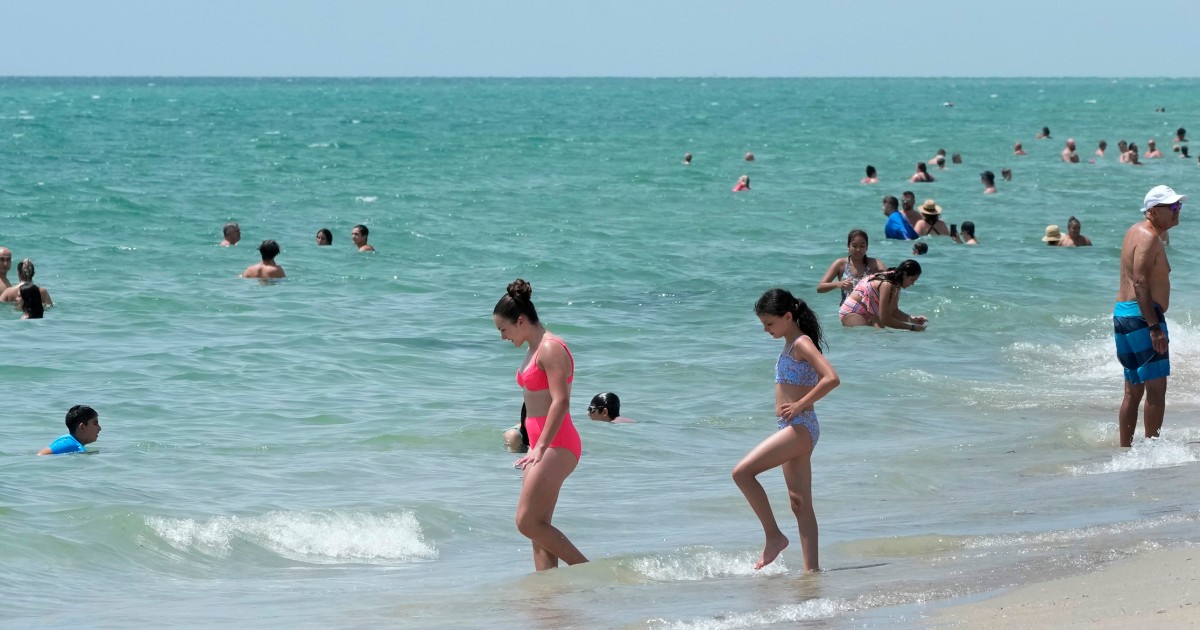
Water temperatures off the coast of Florida have soared to over 100 degrees Fahrenheit, with a buoy in Manatee Bay registering 101.1 degrees and surrounding buoys recording similarly high temperatures. These readings are being taken seriously as experts have been tracking exceptionally warm water temperatures ranging from 92-97 degrees since early July. Unusual weather patterns, including stagnant conditions and weak trade winds, have contributed to the record-setting temperatures. Factors such as high air temperatures, weak winds, strong sunlight, and silty water have played a role in spiking the water temperature. These temperatures challenge the record for the hottest sea surface temperature in the world and highlight the impact of climate change and ocean warming.
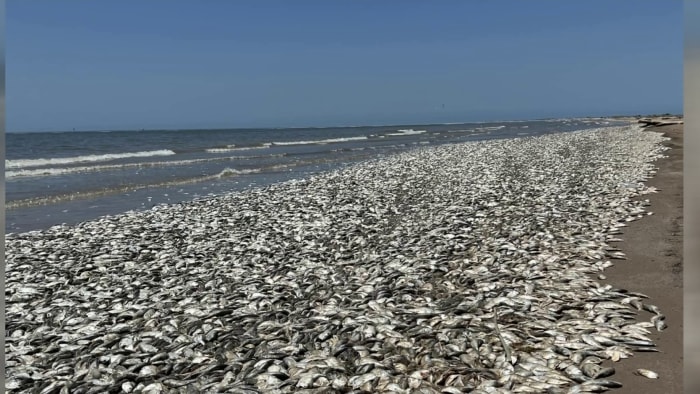
Thousands of Menhaden fish have been found dead on Bryan Beach in Freeport, Texas due to several reasons, including warm water, lack of waves, and cloudy skies affecting oxygen production. Officials advise people to stay away from the area, and crews will clean the beach in the coming days.