New research indicates that during Earth's early molten phase, vast amounts of water were stored deep within the mantle, particularly in the mineral bridgmanite, which acted as a microscopic water reservoir. This hidden water played a crucial role in Earth's evolution, helping it transition from a fiery planet to a habitable world by facilitating internal circulation and surface water formation.

Water retention, or edema, can cause swelling and discomfort due to factors like diet, hormones, or inactivity. To reduce water retention, drink more water, consume less sodium, increase potassium and magnesium intake, stay active, elevate your feet, wear compression socks, drink herbal teas, avoid refined carbs, and ensure adequate sleep.
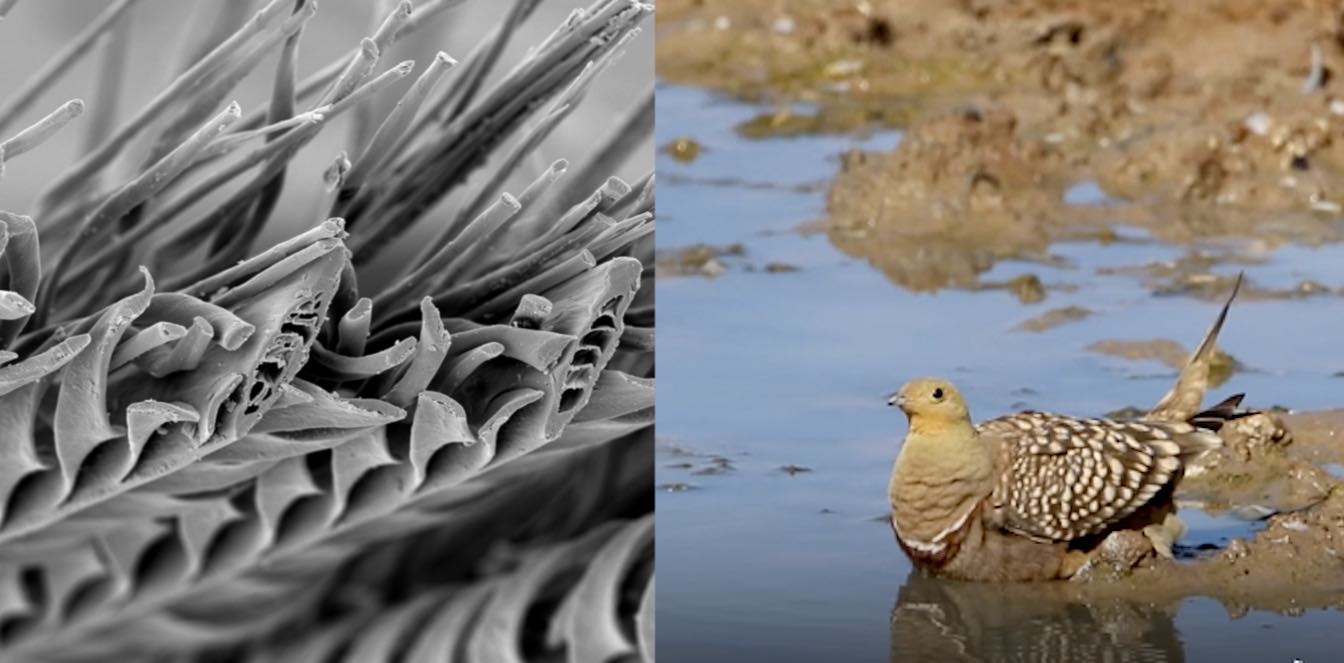
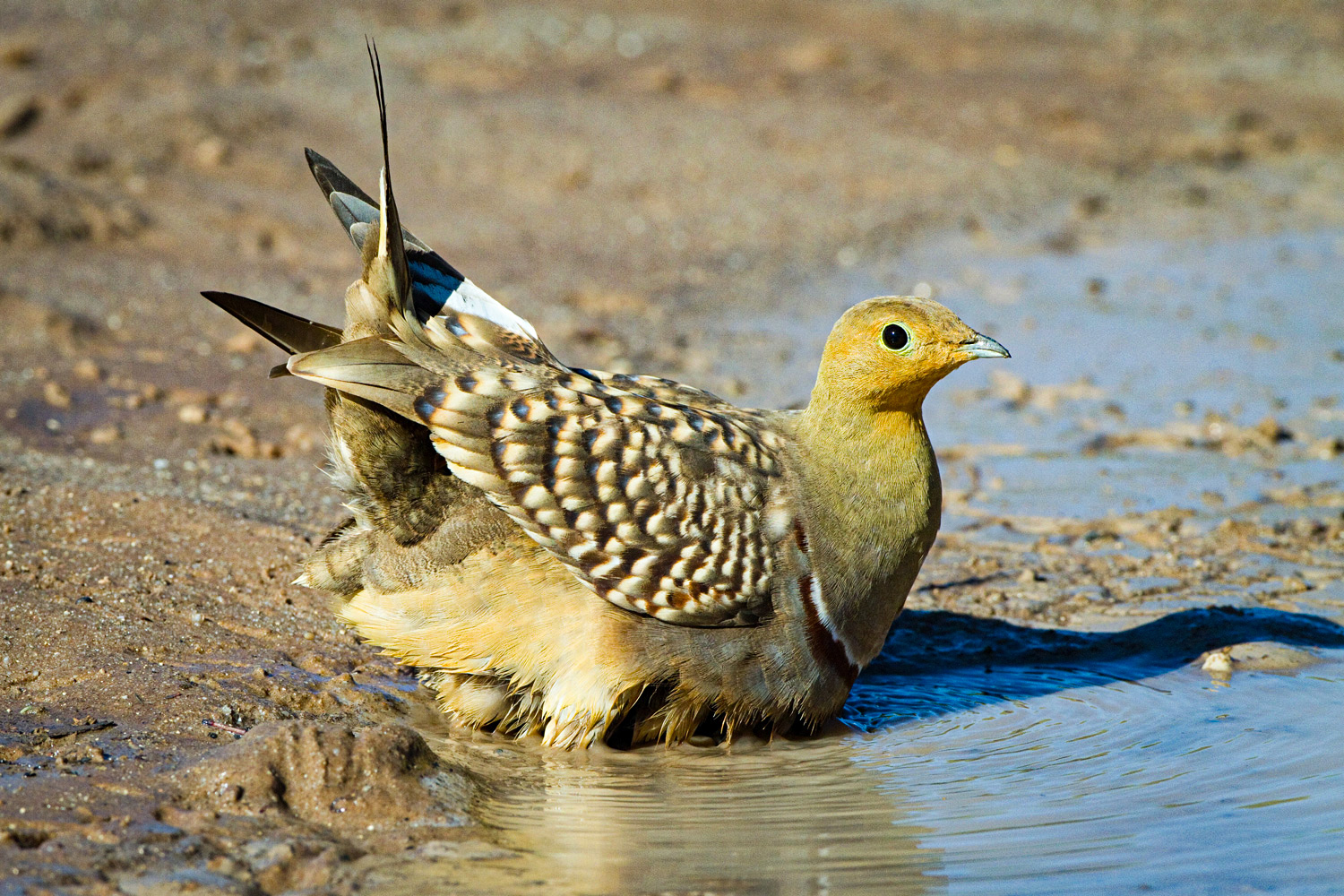
The intricate feathers of the Namaqua sandgrouse, an African bird, have inspired a team of American researchers to develop innovative products such as water bottles that hold water to prevent annoying sloshing around, and netting which can collect and retain water from fog. The feathers of the desert-dwelling sandgrouse can soak up water like a sponge and keep it stored even while the bird is flying 40 mph. The study authors hope the new discovery could lead to bio-inspired creations and influence future engineering designs that require controlled absorption, secure retention, and the easy release of liquids.
Scientists have used advanced imaging techniques to uncover the unique structural details that enable sandgrouse feathers to absorb and retain water so efficiently that male birds can fly more than 20 kilometers from a distant watering hole back to the nest and still retain enough water in their feathers for the chicks to drink and sustain themselves in the searing deserts of Namibia, Botswana, and South Africa. The feathers have a helically coiled structure close to their base and then a straight extension, which can hold water through capillary action. The study may inspire others to take a closer look at diverse feather microstructures across bird species.