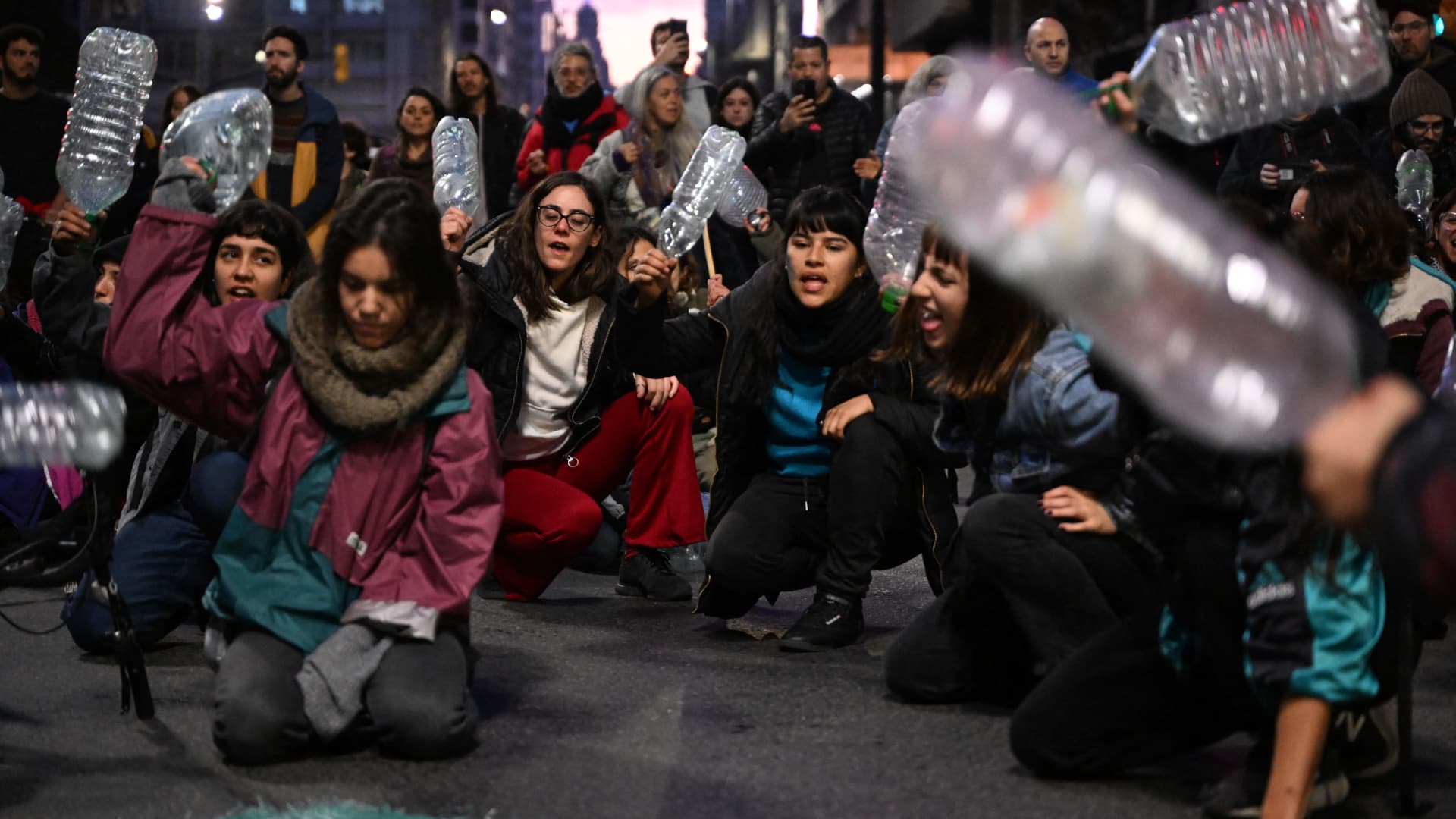
Water levels in the Great Lakes are declining amid increased water consumption from new data centers, raising concerns about environmental sustainability and community impacts, despite some legal and economic arguments in favor of the developments.
The article discusses the misconceptions and complexities surrounding water use by AI data centers, emphasizing that while their water consumption is often exaggerated or misunderstood, they can still impact local water resources, especially in drought-prone areas. It highlights the importance of accurate data, regional context, and the societal value placed on AI technology in evaluating environmental impacts.
A new study highlights that AI data centers in the U.S. could consume as much water as 10 million Americans and produce carbon emissions comparable to 5-10 million cars annually by 2030. However, strategic siting, renewable energy use, and efficient cooling can significantly reduce these impacts, emphasizing the importance of sustainable practices in AI infrastructure development.
The rapid growth of data centers in Querétaro, Mexico, driven by AI demand, is raising concerns about water usage and environmental impact, especially amid ongoing drought conditions, with local communities and activists questioning prioritization of industrial water needs over residents' access.
Google claims its AI model Gemini uses significantly less water per prompt than previous estimates, but critics argue that Google's comparison is misleading because it only considers onsite water use, ignoring the substantial off-site water consumption of datacenter cooling systems. The debate highlights the complexity of accurately measuring AI's environmental footprint.
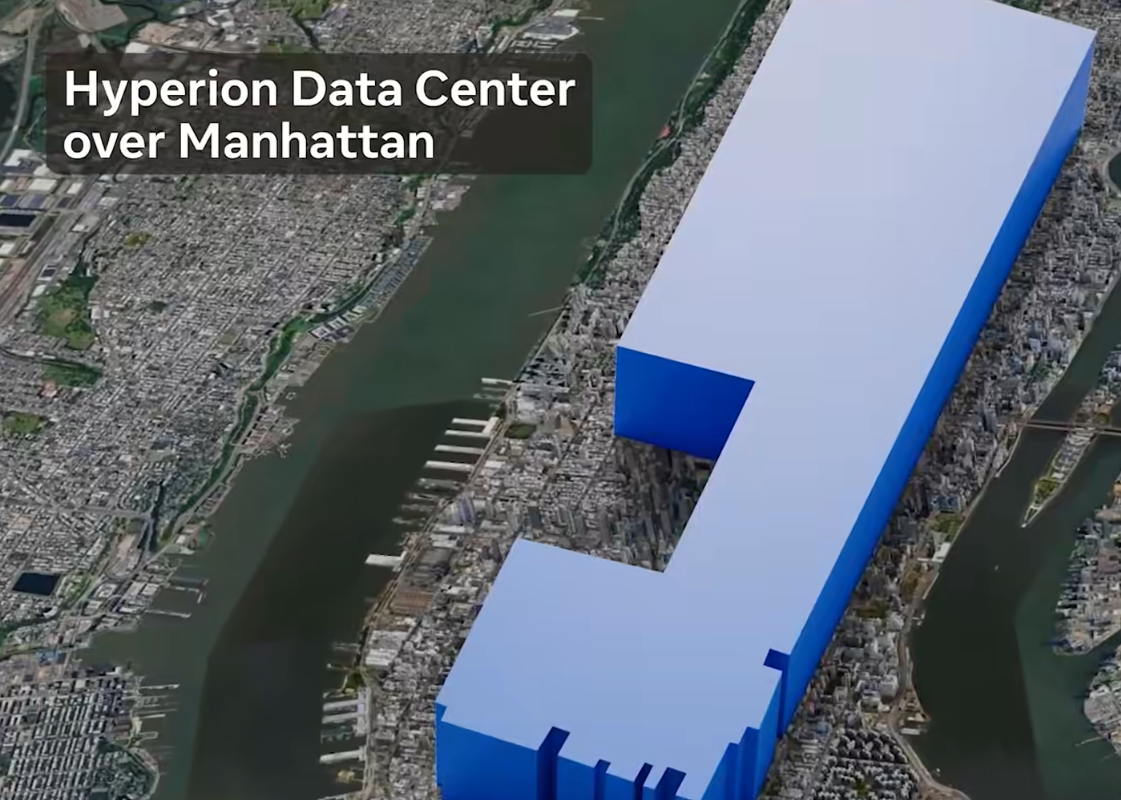
Meta is constructing large-scale data centers to support AI development, which could consume millions of gallons of water daily, raising concerns about environmental impact and local water supplies, especially in drought-prone areas across the US.
Microsoft's massive data center in Goodyear, Arizona is consuming a significant amount of the town's water supply to support its cloud computing and AI operations, raising concerns about the environmental impact and exacerbating the area's water crisis. The facility, designed for use by Microsoft and OpenAI, is estimated to consume an annual 56 million gallons of drinking water once fully operational, a quantity equivalent to that used by 670 families in a year. Critics argue that diverting water for AI development in a desert region facing water scarcity raises ethical and environmental concerns, prompting calls for more responsible resource management in the tech industry.
The race to develop generative artificial intelligence (AI) models, such as OpenAI's ChatGPT, is leading to an increase in water consumption by tech giants like Microsoft and Google. Researchers have found that ChatGPT alone consumes 500 milliliters of water for every 10 to 50 prompts. The growing water footprint of AI models poses a significant environmental challenge and could hinder the socially responsible and sustainable use of AI in the future. Microsoft and Google, among others, are working to reduce their water footprint and become "water positive," but the launch of their own AI models could lead to even higher levels of water use. Efforts are being made to measure and reduce the energy, water, and carbon impact of AI, but the increasing demand for AI computing is raising concerns about its hidden costs in terms of energy, carbon emissions, and water consumption.
Data centers that house generative AI servers, such as Microsoft and Google, are consuming enormous amounts of water for cooling purposes, according to their latest environmental reports. Microsoft's water consumption increased by 34% in 2022, using over 1.7 billion gallons of water, while Google reported a 20% spike. The majority of this increase is attributed to the growing popularity of AI models. Experts suggest that the focus should also be on reducing energy consumption, as water used by data centers is often recycled, unlike energy. Microsoft aims to become "water positive" by 2030, while OpenAI acknowledges the energy and water-intensive nature of AI training and is actively working on improving efficiencies.
Microsoft-backed OpenAI's development of artificial intelligence product ChatGPT required a significant amount of water from the Raccoon and Des Moines rivers in Iowa to cool its powerful supercomputer. The demand for AI tools from tech giants like Microsoft, OpenAI, and Google has led to increased water consumption and environmental concerns. Microsoft's global water consumption spiked by 34% in 2022, largely attributed to its AI research. A researcher estimates that ChatGPT uses approximately 500 milliliters of water for every series of 5 to 50 prompts or questions. Google also reported a 20% growth in water use, partly due to its AI work. Both companies are working on improving the efficiency of their AI systems and reducing their environmental impact.
Microsoft's global water consumption for AI technology spiked by over a third in a year, equivalent to filling more than 2,500 Olympic-sized swimming pools with nearly 1.7 billion gallons of water. OpenAI and Google also acknowledged increased water usage due to the demand for AI. The cooling of supercomputers used to build large language models like ChatGPT requires significant amounts of water, with Microsoft-backed OpenAI using water from rivers in Iowa. Researchers are calling attention to the environmental impact of generative AI tools and the need for resource conservation. Microsoft and OpenAI have expressed commitments to monitor and improve their energy and water efficiency to meet sustainability goals.
Microsoft's global water consumption has increased by 34% from 2021 to 2022, largely attributed to its investment in generative AI and partnership with OpenAI. The development of large language models like ChatGPT requires significant amounts of water for cooling purposes, with estimates suggesting that ChatGPT consumes 500 milliliters of water for every series of prompts or questions. Google has also reported a 20% growth in water use, largely due to its AI work. Concerns have been raised in Iowa, where Microsoft's data centers are located, about the impact on residential water supply. Microsoft and OpenAI have stated that they are working on improving the efficiency of their AI systems and reducing their environmental footprint.
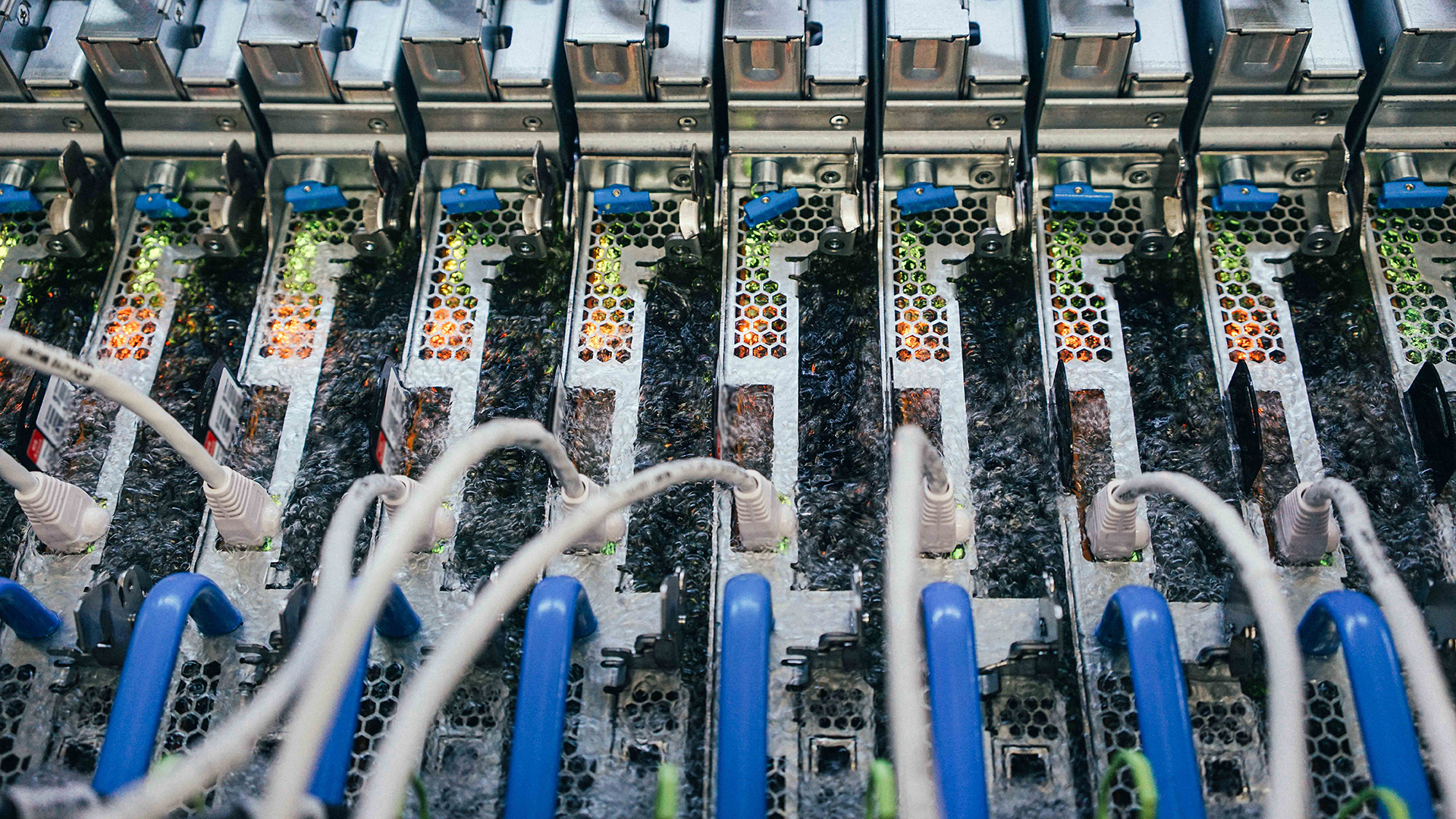
Tech developers like Microsoft, OpenAI, and Google are facing increasing costs and environmental concerns as they meet the growing demand for their AI tools. The development of large language models, such as OpenAI's ChatGPT, requires significant computing power and generates a lot of heat, necessitating the use of water for cooling. Microsoft and OpenAI have been secretive about the specifics of their AI projects in Iowa, but it has been revealed that the Raccoon and Des Moines rivers in central Iowa were used to cool a powerful supercomputer. Microsoft's global water consumption spiked 34% in 2022, largely attributed to its AI research. Researchers estimate that ChatGPT consumes 500 milliliters of water for every series of prompts or questions. Google also reported a 20% growth in water use, largely due to its AI work. Both companies are investing in research to measure and reduce the environmental impact of their AI systems.