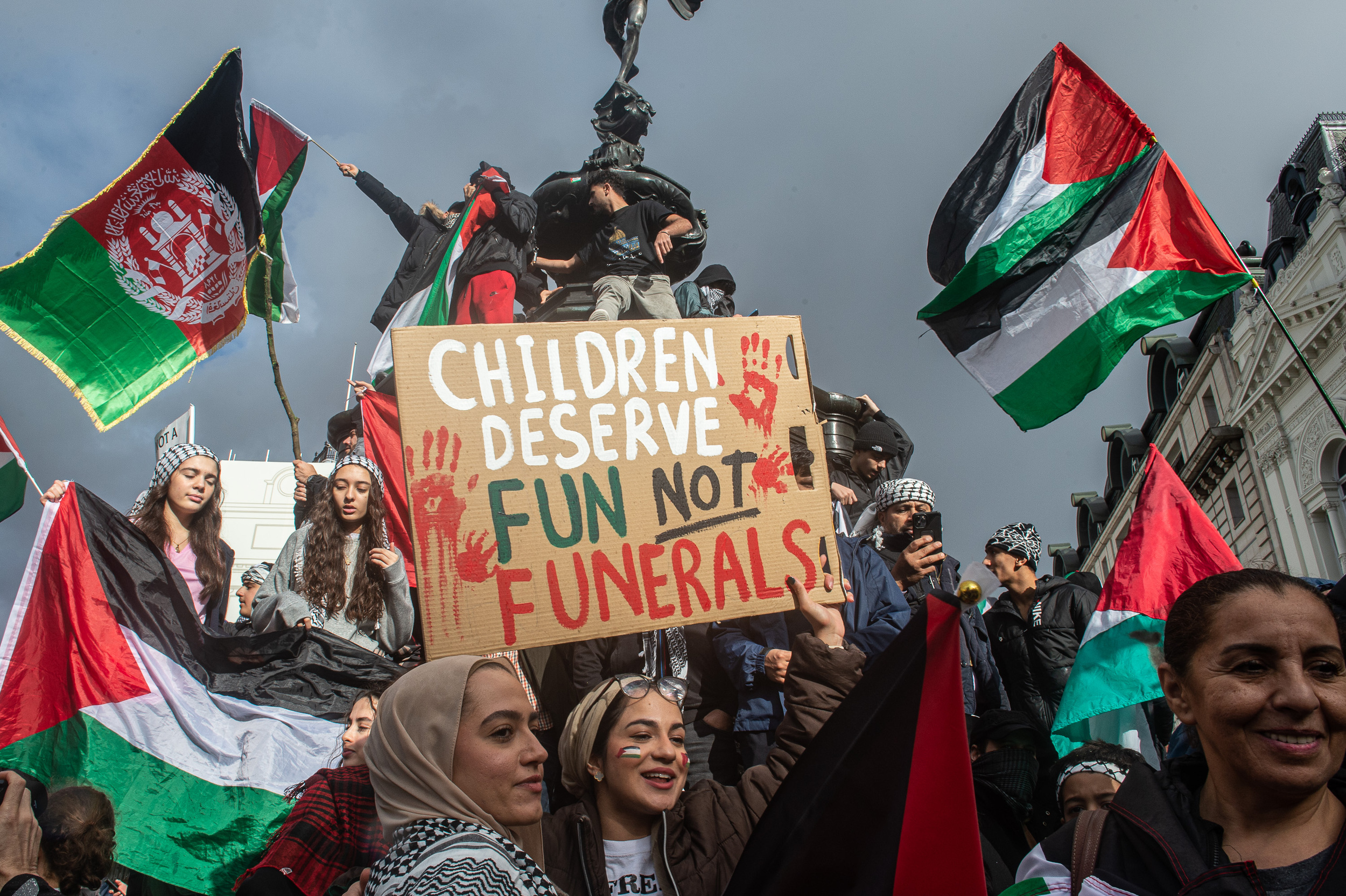
As the Winter Olympics open in Italy, the U.N. and IOC are urging a 52-day pause in all wars, invoking the ancient Olympic Truce to safeguard athletes and officials, while fighting continues in Ukraine, Gaza, Sudan and other conflicts; athletes from affected nations are still set to compete.
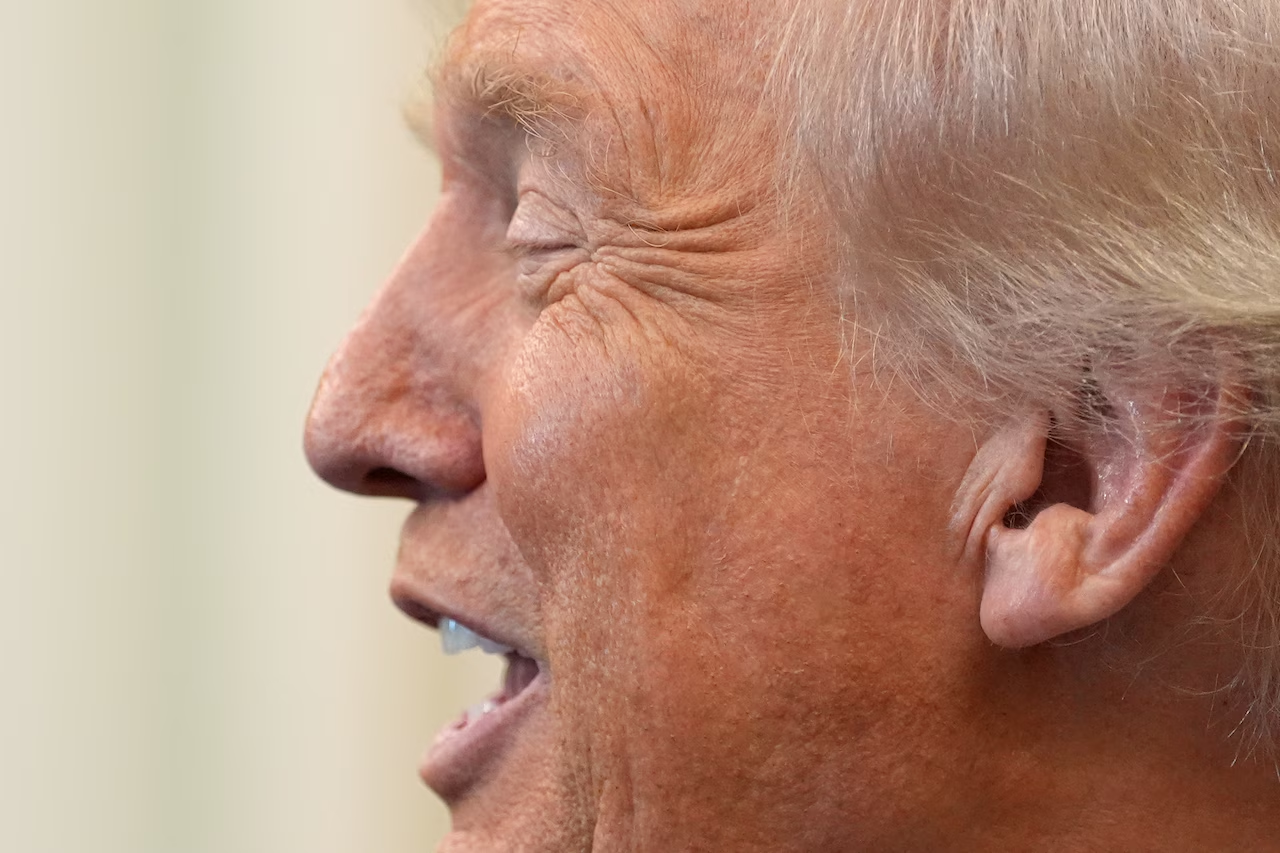
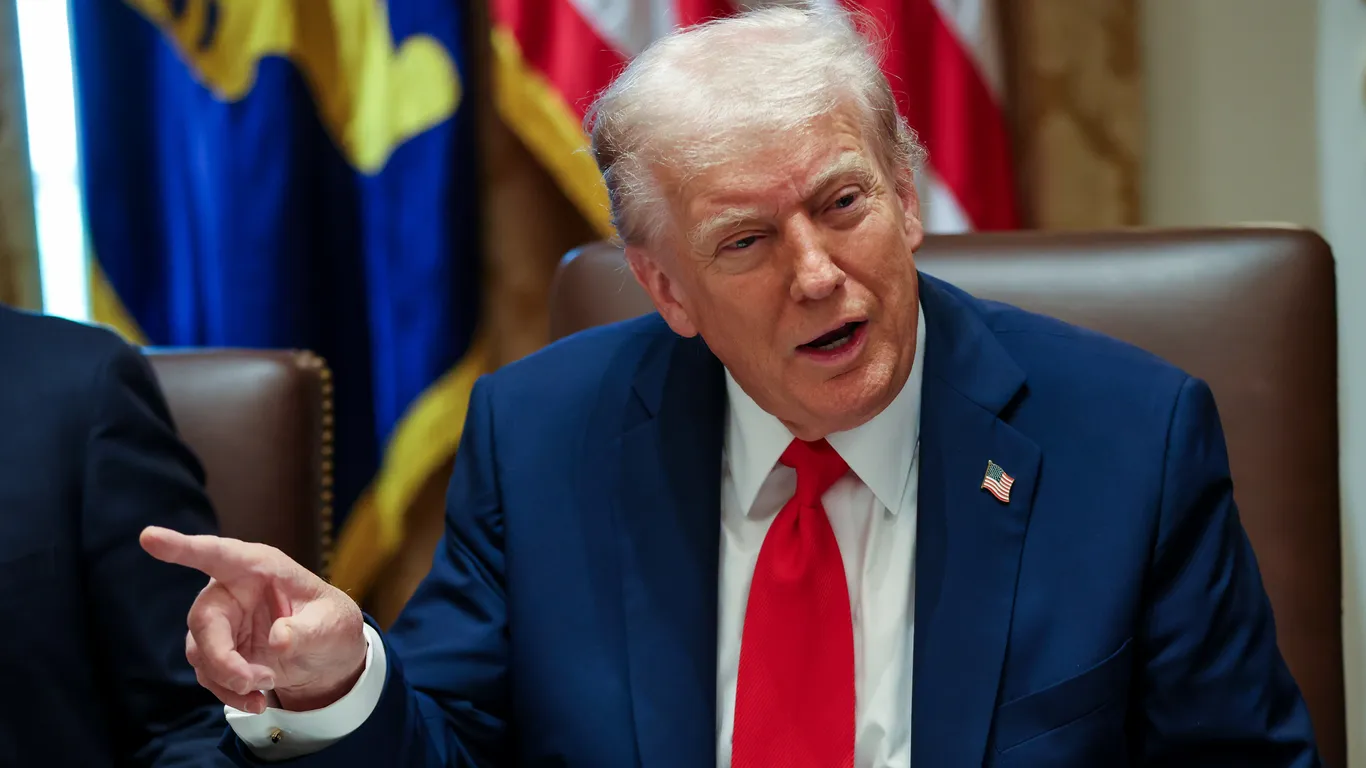
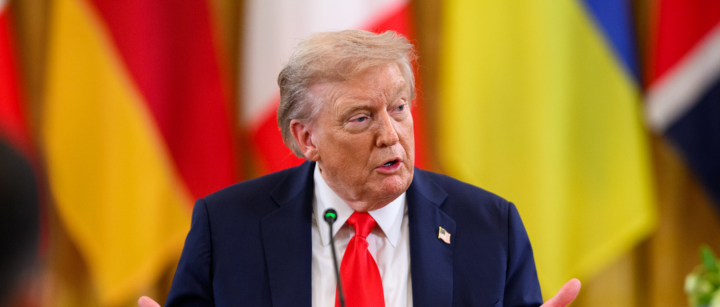
President Donald Trump claimed he has ended eight wars, including Russia and Ukraine, a statement widely debunked and criticized as factually incorrect, prompting online mockery and satire.
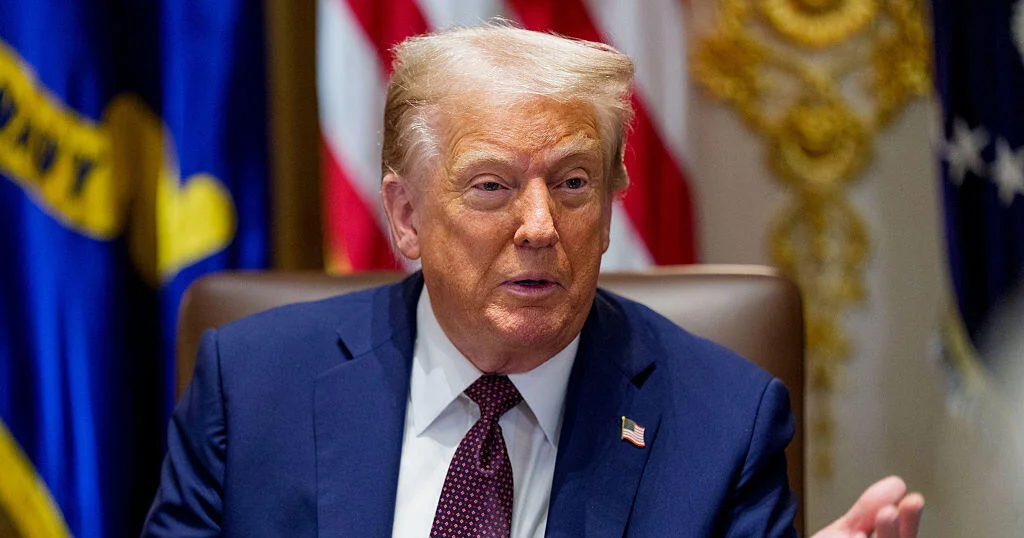
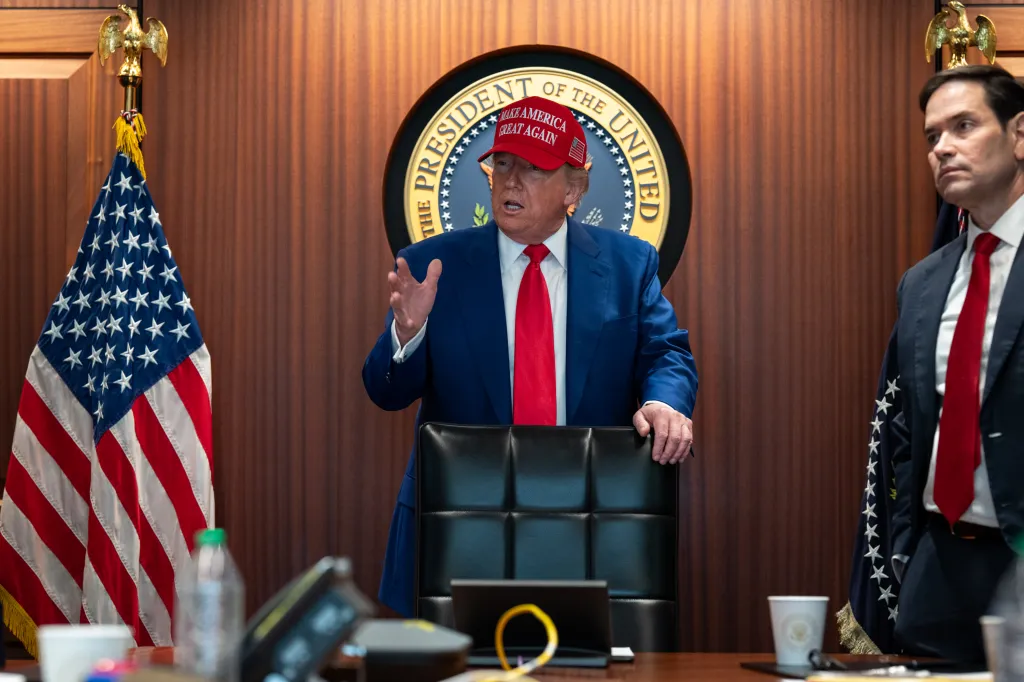
President Trump claims to have ended eight wars through various peace agreements and negotiations, including conflicts in Gaza, Armenia-Azerbaijan, Congo-Rwanda, Israel-Iran, India-Pakistan, Cambodia-Thailand, and diplomatic standoffs like Ethiopia-Egypt and Serbia-Kosovo, though some of these conflicts were not active wars at the time or are disputed in terms of impact.
The article examines President Trump's claims of ending seven wars, highlighting the complexities and disputes surrounding his involvement in conflicts such as Armenia-Azerbaijan, Cambodia-Thailand, Israel-Iran, India-Pakistan, DRC-Rwanda, Egypt-Ethiopia, and Kosovo-Serbia, with many conflicts ongoing or unresolved despite his assertions.
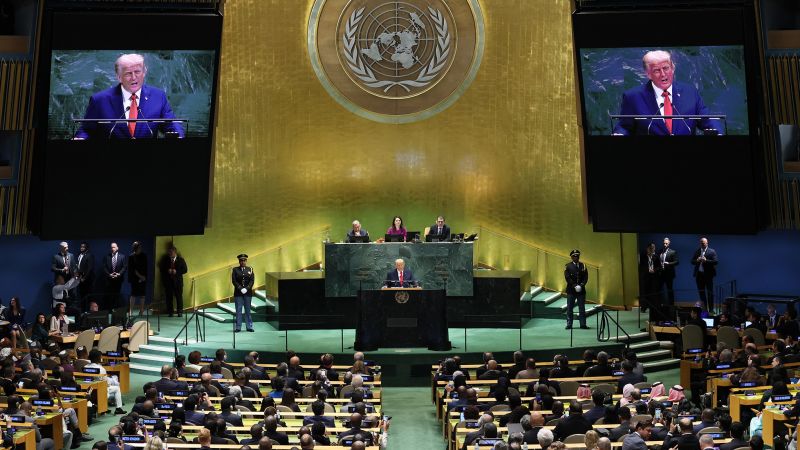
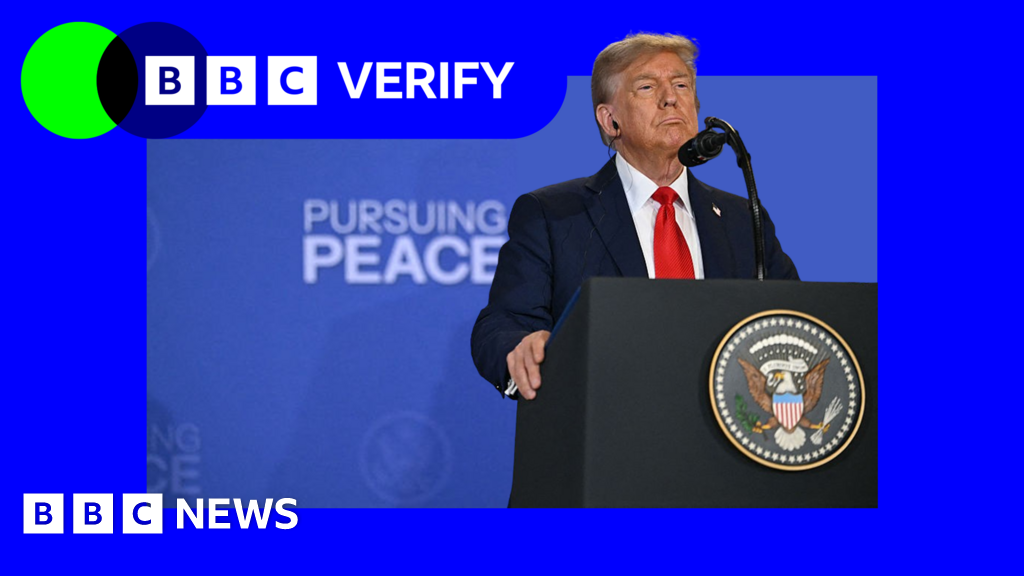
The BBC Verify team fact-checked claims made by Donald Trump at the UN General Assembly, including his assertions about ending wars, comments on London's mayor and Sharia law, and the state of illegal immigration into the US, finding many of his statements exaggerated or inaccurate.
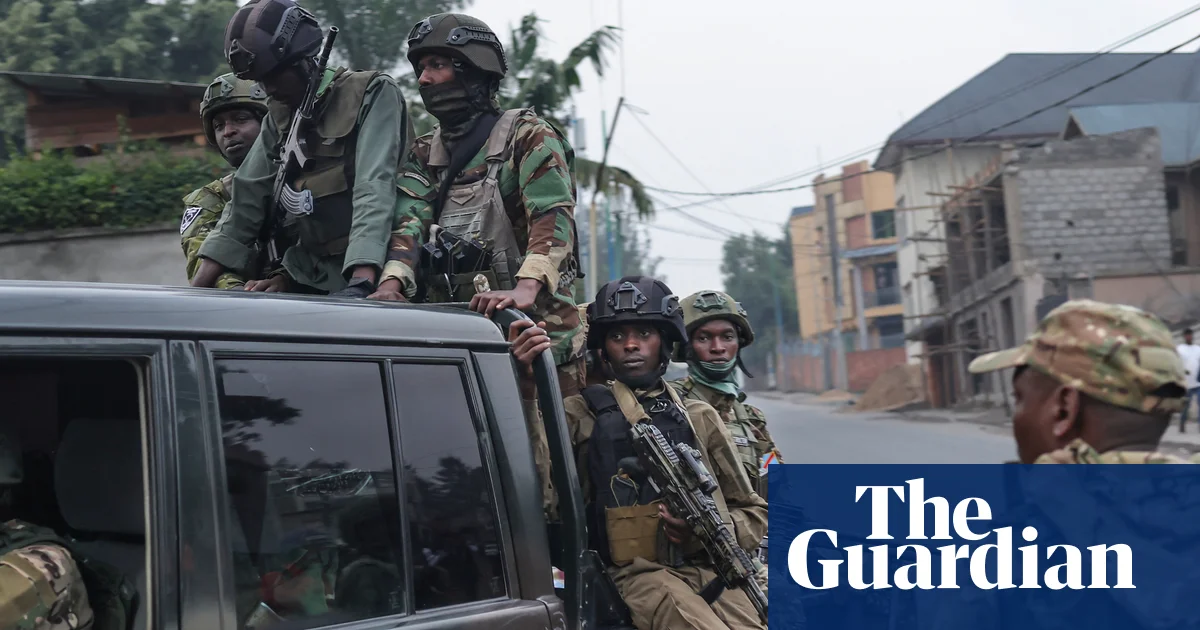
President Trump claimed to have ended six or seven wars during his first months in office, citing various conflicts such as Israel-Iran, Rwanda-Congo, Armenia-Azerbaijan, and others. However, experts note that many of these conflicts are ongoing or only partially resolved, and some of Trump's claims are disputed or exaggerated. The article provides a detailed review of each conflict and the role Trump played in their developments.
President Trump has claimed to have ended multiple wars, but experts say he played a role in some conflicts' resolutions, while others were not wars or remain ongoing. His claims include involvement in conflicts between India and Pakistan, Israel and Iran, and others, but the accuracy varies, with some disputes being resolved through diplomacy and others still unresolved or not wars at all.
President Trump claimed to have solved six wars in six months, but many of the conflicts cited are not actual wars or lack direct intervention by his administration, making his claim misleading. While he played roles in some ceasefires and peace deals, the long-term success and scope of these resolutions are questionable.
President Donald Trump claimed to have ended six to seven wars through peace deals, including conflicts involving Iran and Israel, India and Pakistan, Rwanda and DRC, Thailand and Cambodia, Armenia and Azerbaijan, and efforts related to Egypt and Ethiopia, though the lasting impact and actual end of these conflicts are subject to debate.
Donald Trump claims to have ended six wars during his presidency, but many of these conflicts are ongoing or his involvement is disputed, and he has often sought ceasefires rather than full peace agreements. His record includes calls for ceasefires in India-Pakistan, Israel-Iran, and other conflicts, but the accuracy of these claims is questionable, especially regarding Ukraine and other unresolved disputes.
As President Biden's term progresses, Secretary of State Antony Blinken and U.S. allies face challenges in managing ongoing global conflicts. The administration's foreign policy efforts are under scrutiny as they navigate complex international issues.
In 2024, global politics will be shaped by various factors. The Red Sea shipping disruptions caused by the Houthis will impact the Egyptian economy while potentially benefiting countries like Namibia and Mozambique. Vladimir Putin faced challenges in 2023, including sanctions and loss of human capital. Elections in India, the European Union, the United States, and Russia will be significant events to watch. Additionally, the rapid advancement of artificial intelligence will bring both opportunities and disruptions, requiring governance to catch up. The ongoing wars and the state of the Chinese economy will also be important focal points.
Comparing death counts in the war between Hamas and Israel in Gaza to those in other conflicts, such as Russia's invasion of Ukraine, is problematic and misleading, according to researchers. Casualty counts are often inaccurate and cannot be easily compared between different conflicts.
The globalized reactions to conflicts like the Gaza war and the Ukraine war reveal a deep crisis of meaning and legitimacy in the modern world. People from around the globe, driven by ontological insecurity and the need for identity, internalize these conflicts and turn them into wars of victimhood, seeking catharsis and a sense of unity. Meanwhile, political establishments instrumentalize these conflicts to legitimize their power and ideologies. This phenomenon, known as "transferred nationalism," allows individuals and nations to attain moral capital and social prestige without altering their conduct. However, this global internalization of wars can lead to social discord, political instability, and even physical intervention, distorting national interests and security priorities.
Economist Jeffrey Sachs argues that the US debt crisis is largely fueled by nonstop wars since the start of the century, including Afghanistan, Iraq, Syria, Libya, Yemen, and Ukraine, which have cost over $8 trillion. Sachs criticizes both parties for not addressing the elephant in the room, which is the massive US military budget, and instead proposing cuts to government programs for the poorest people. He also highlights the bipartisan support for wars of choice and lies, driven by the military-industrial complex and neoconservatives, and warns of the risks of a potential war with China. Sachs calls for negotiations to stop the Ukraine war and reduce the military budget to save lives, the world, and the budget.