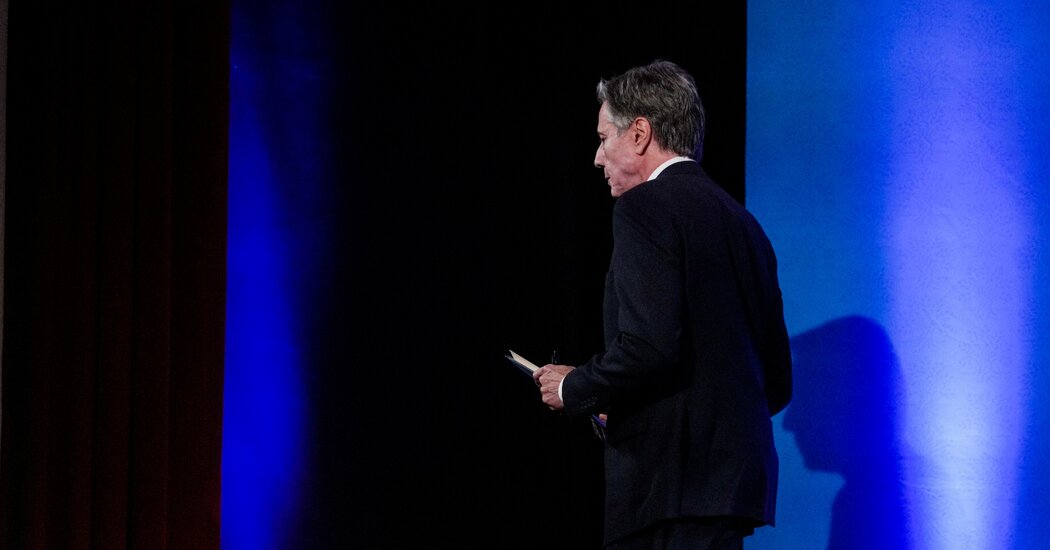
As President Biden's term progresses, Secretary of State Antony Blinken and U.S. allies face challenges in managing ongoing global conflicts. The administration's foreign policy efforts are under scrutiny as they navigate complex international issues.
American allies are concerned about the reliability of the United States, regardless of whether Trump or Biden wins the presidential election. Many worry that the U.S. could become less dependable due to a divided electorate and domestic challenges. European NATO allies are discussing the need to increase military spending and plan for an alliance without the U.S. Some leaders, like French President Macron, are advocating for a stronger Europe that is less dependent on others. Both Trump and Biden have their supporters and critics among global leaders, and America's rivals are not openly expressing a preference for the election outcome.
Inflation has been a major concern for consumers during the Biden presidency, with prices for essential goods rising significantly while incomes have not kept pace. While the rate of inflation is improving, consumers are still feeling the cumulative effect of rising prices. Incomes have risen about 3 percentage points less than inflation during the last two years, meaning Americans are falling behind. While a declining rate of inflation is underway, costs for consumers are still going up, and there is little chance of deflation anytime soon. Consumers will only catch up when wage growth outpaces inflation for an extended period of time.
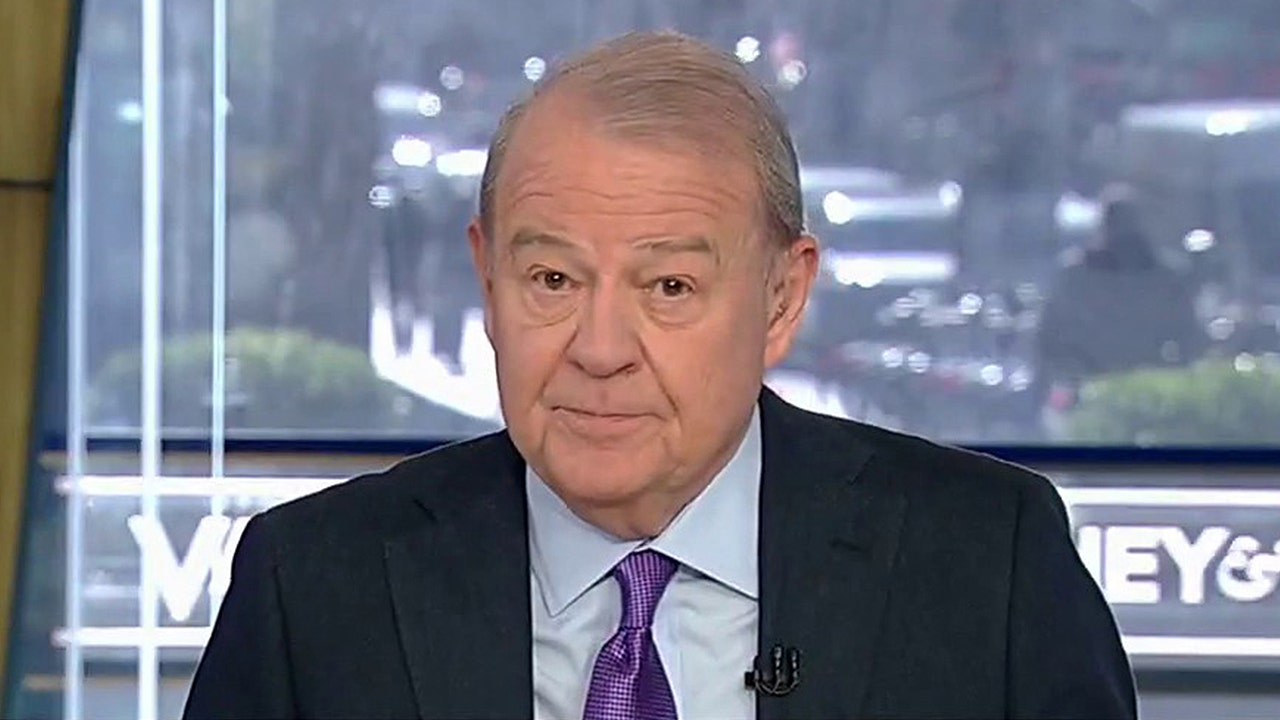
Stuart Varney discusses China's global power grab throughout Biden's presidency, arguing that China is "hell-bent" on replacing the U.S. as the global leader. Varney cites recent developments such as Brazil and China's trade deal, China buying oil from Russia using yuan, and China brokering a peace deal between Saudi Arabia and Iran. Varney argues that Trump was a strong leader and Biden's policies have opened the door to China's power grab.