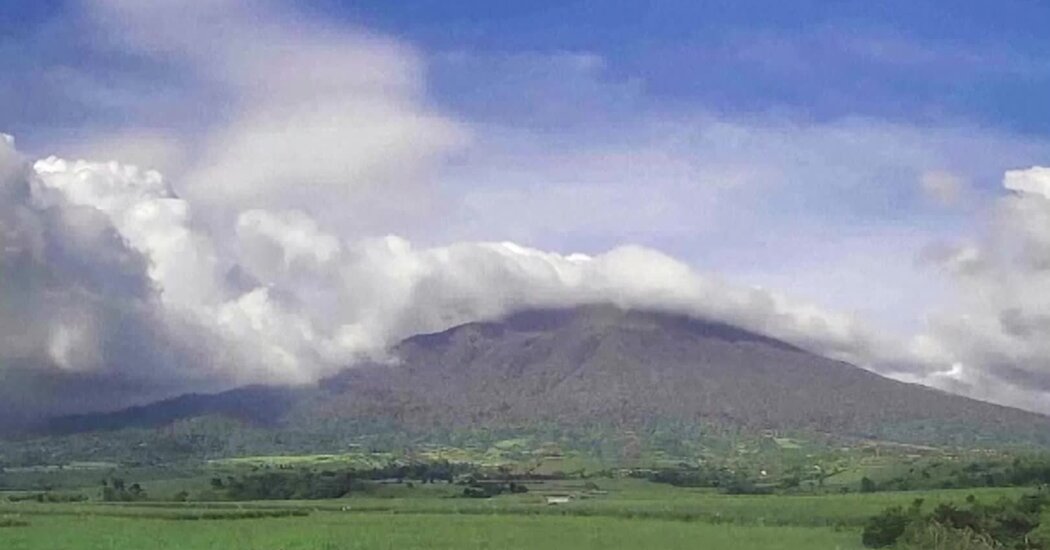
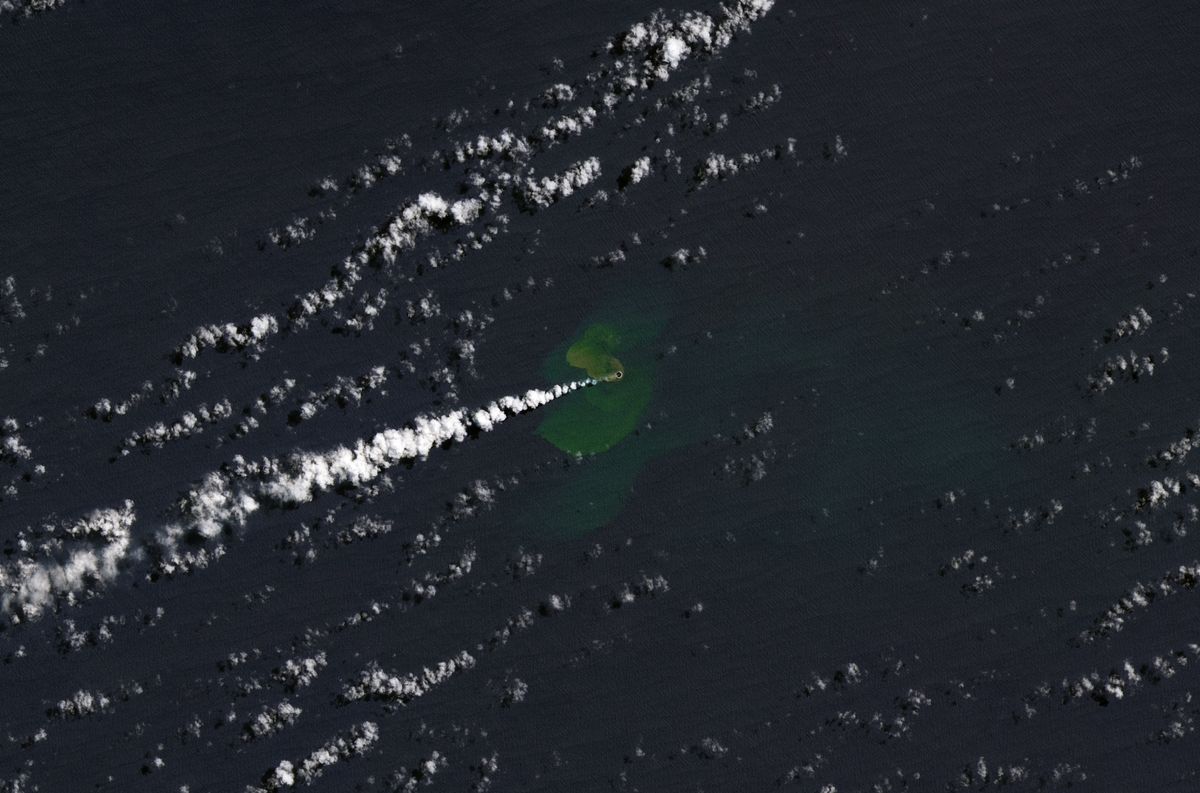
A volcanic eruption in the Philippines has led to a mass evacuation as authorities prioritize the safety of residents in affected areas. The eruption has prompted emergency measures to ensure the well-being of the local population.
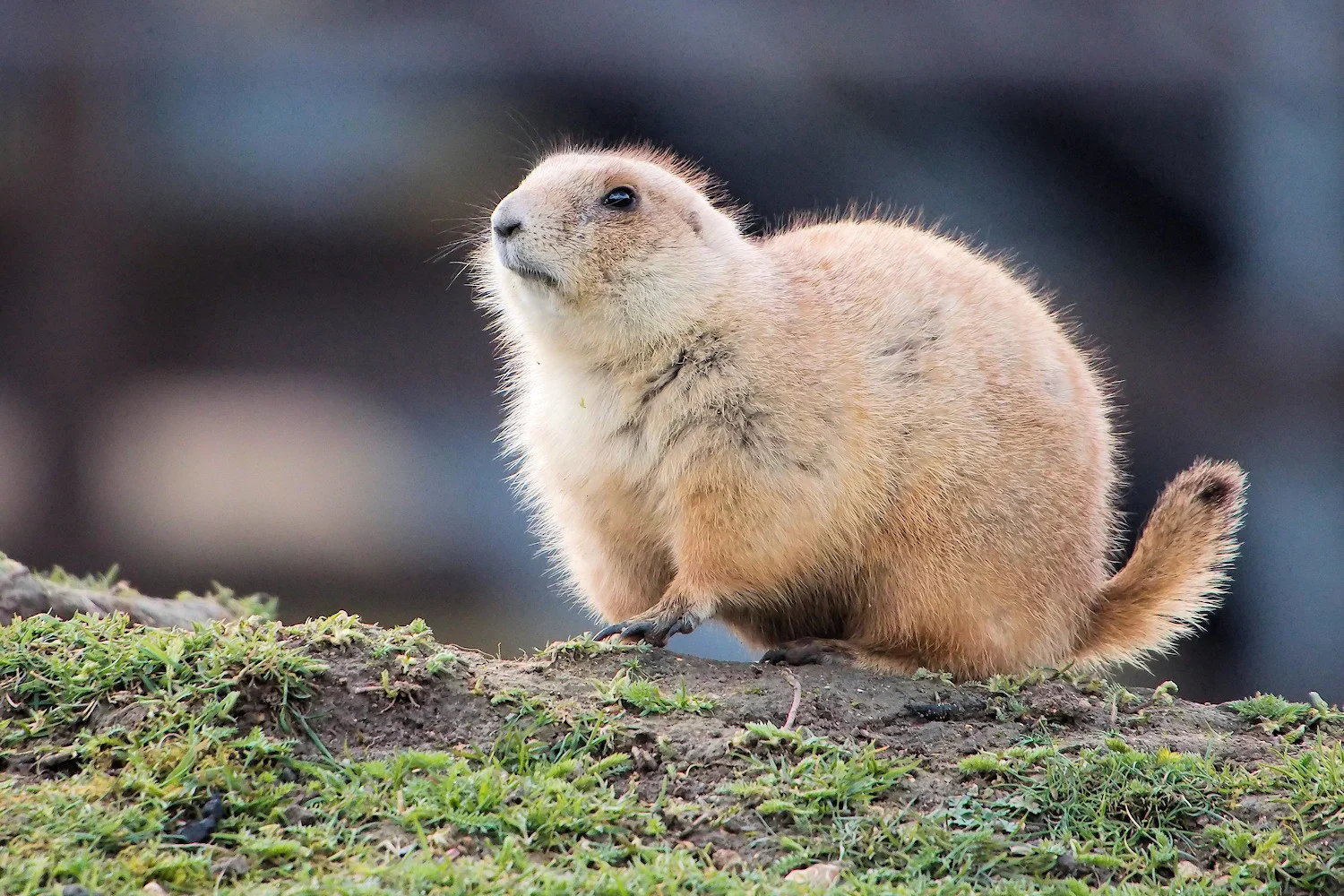
After the 1980 eruption of Mount St. Helens, scientists used gophers to help regenerate the barren landscape by digging up beneficial microorganisms. This 24-hour experiment led to significant ecological recovery, with 40,000 plants thriving in previously desolate areas. The study highlights the crucial role of microorganisms and cross-species interactions in ecosystem restoration, demonstrating the enduring impact of innovative environmental interventions.
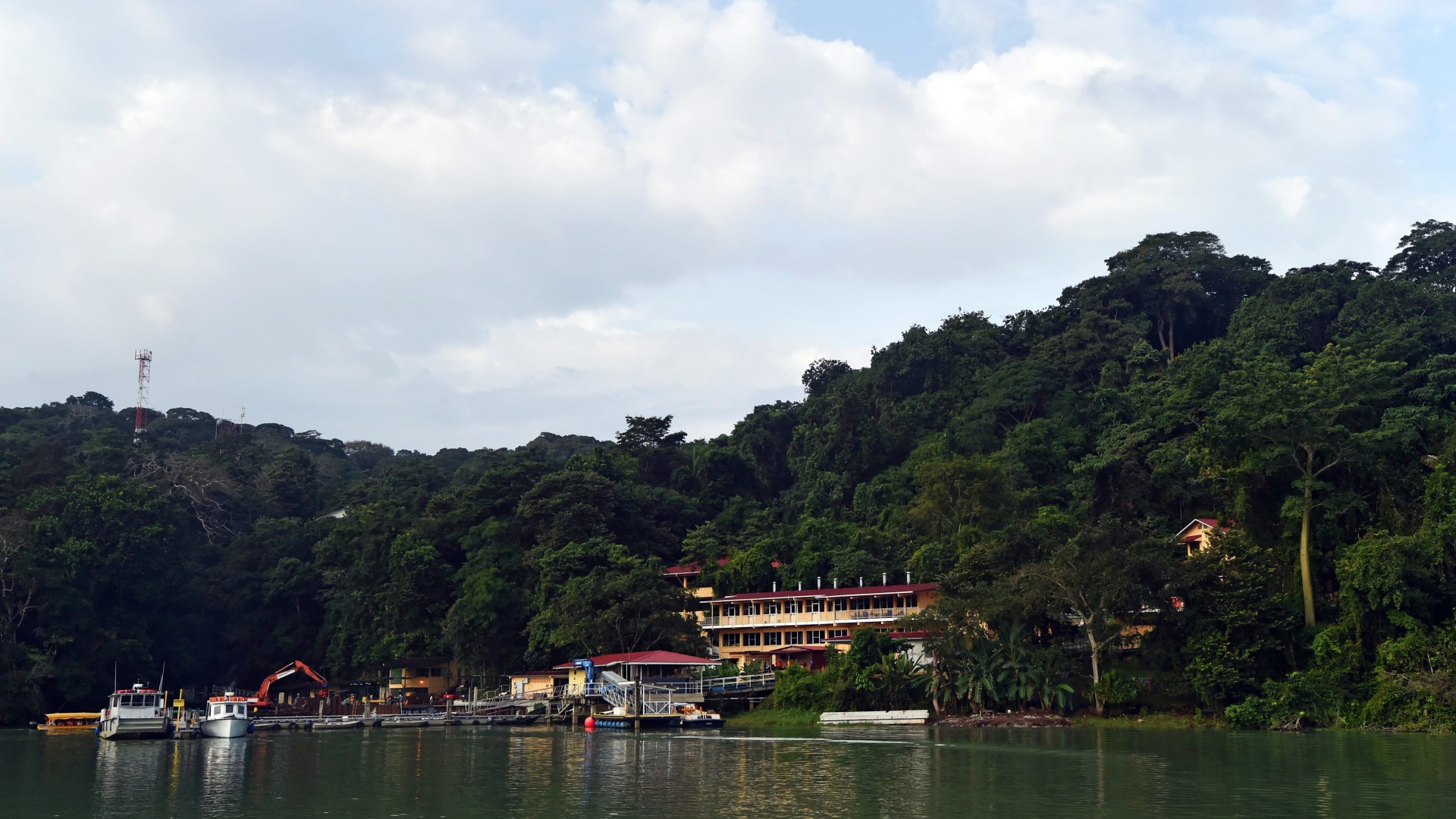
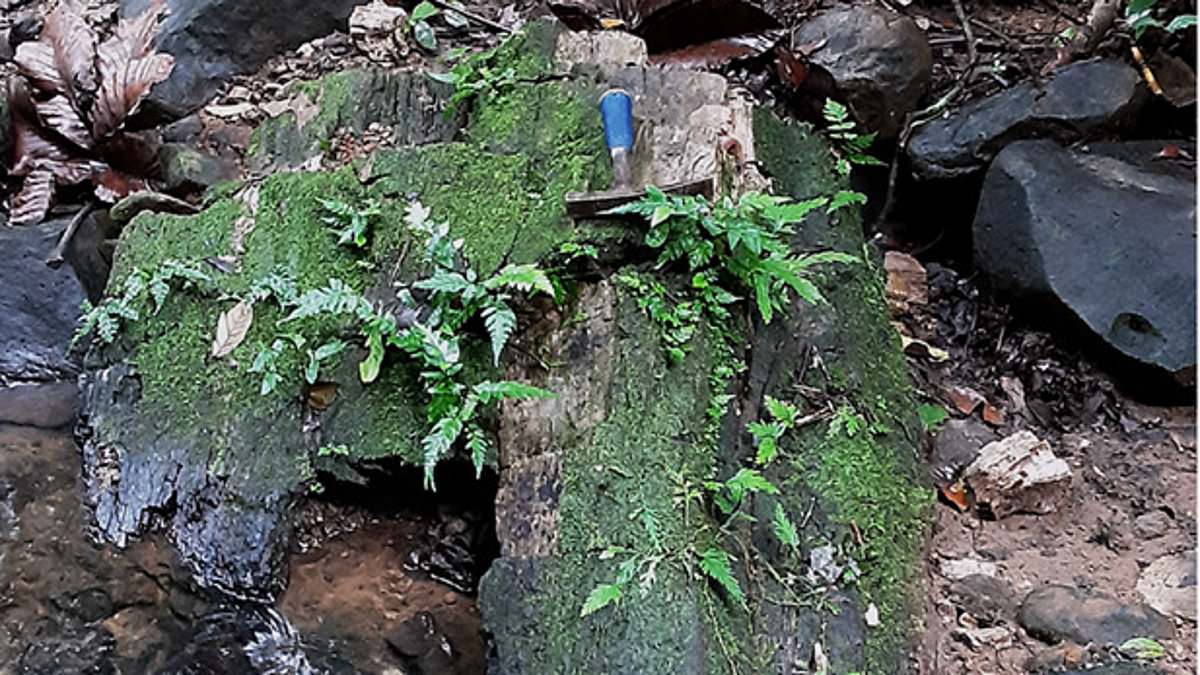
Scientists at the Smithsonian Tropical Research Institute have uncovered the fossilized remains of a 22-million-year-old mangrove forest on Barro Colorado Island in the Panama Canal, revealing a species of mangrove, Sonneratioxylon barrocoloradoensis, that no longer exists. The forest's unique conditions and high atmospheric CO2 levels during the Miocene Epoch allowed these trees to thrive until a catastrophic volcanic eruption caused a lahar, leading to their preservation and eventual extinction. This discovery suggests that similar local extinctions due to volcanic activity may have occurred globally.
Scientists at the Smithsonian Tropical Research Institute have uncovered fossilized remains of a 22-million-year-old mangrove forest on Barro Colorado Island in the Panama Canal. The forest, which was buried by a volcanic eruption, consisted of trees that could grow up to 130 feet tall, thriving in conditions with high atmospheric CO2 levels and brackish water. The discovery includes a new species named Sonneratioxylon barrocoloradoensis, with its closest living relatives found in Southeast Asia. The findings provide insights into the ancient ecosystems of Central America and will be published in the journal Palaeogeography, Palaeoclimatology, Palaeoecology.
Scientists have mapped the magma system beneath the Hunga Tonga-Hunga Ha'apai volcano, revealing that the massive 2022 eruption was likely caused by the merging of two magma chambers. The eruption, which was the most intense lightning storm ever recorded and triggered a mega tsunami, ejected about 30% of the magma from a shallow chamber, forming a caldera. Despite the eruption, up to 6.2 cubic miles of eruptible magma may still be present beneath the volcano. The study, published in Science Advances, used gravity variations to image the magmatic system, a rare approach for submarine volcanoes. The findings help understand the volcano's structure but do not pinpoint the eruption's trigger.