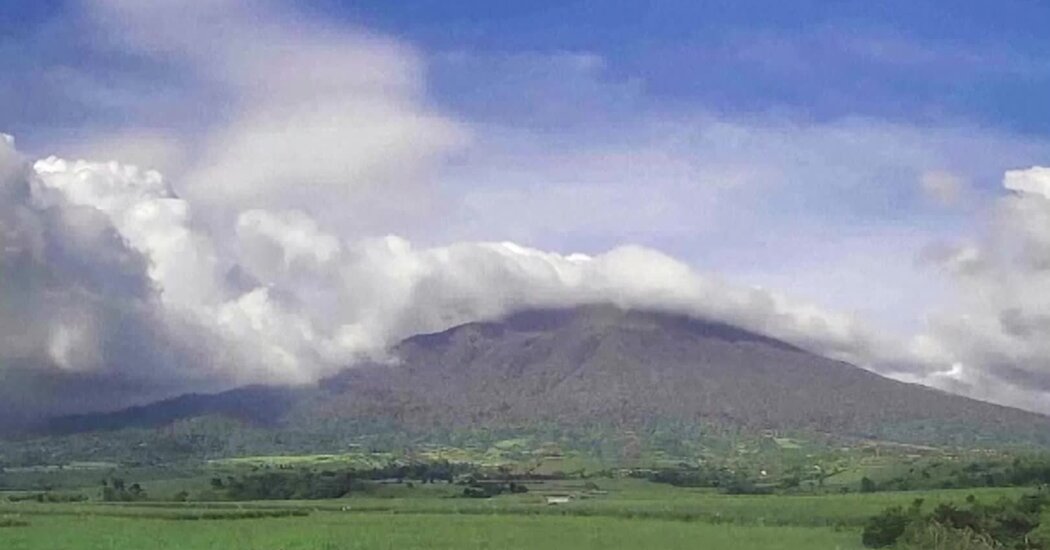
A volcanic eruption in the Philippines has led to a mass evacuation as authorities prioritize the safety of residents in affected areas. The eruption has prompted emergency measures to ensure the well-being of the local population.
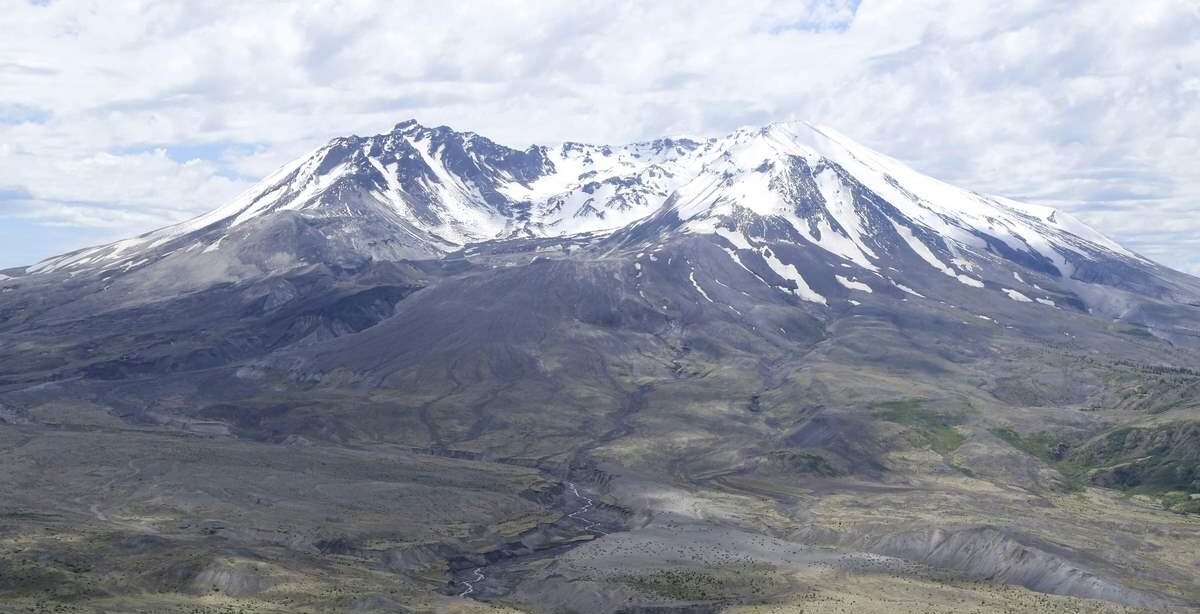
Following the 1980 eruption of Mount St. Helens, scientists introduced gophers to the devastated landscape for a single day, leading to long-term ecological benefits. The gophers helped regenerate plant life by bringing beneficial bacteria and fungi to the surface, resulting in a thriving ecosystem 40 years later. This experiment highlights the critical role of microbes and fungi in ecosystem recovery, as demonstrated by the stark contrast between areas with and without gopher intervention.
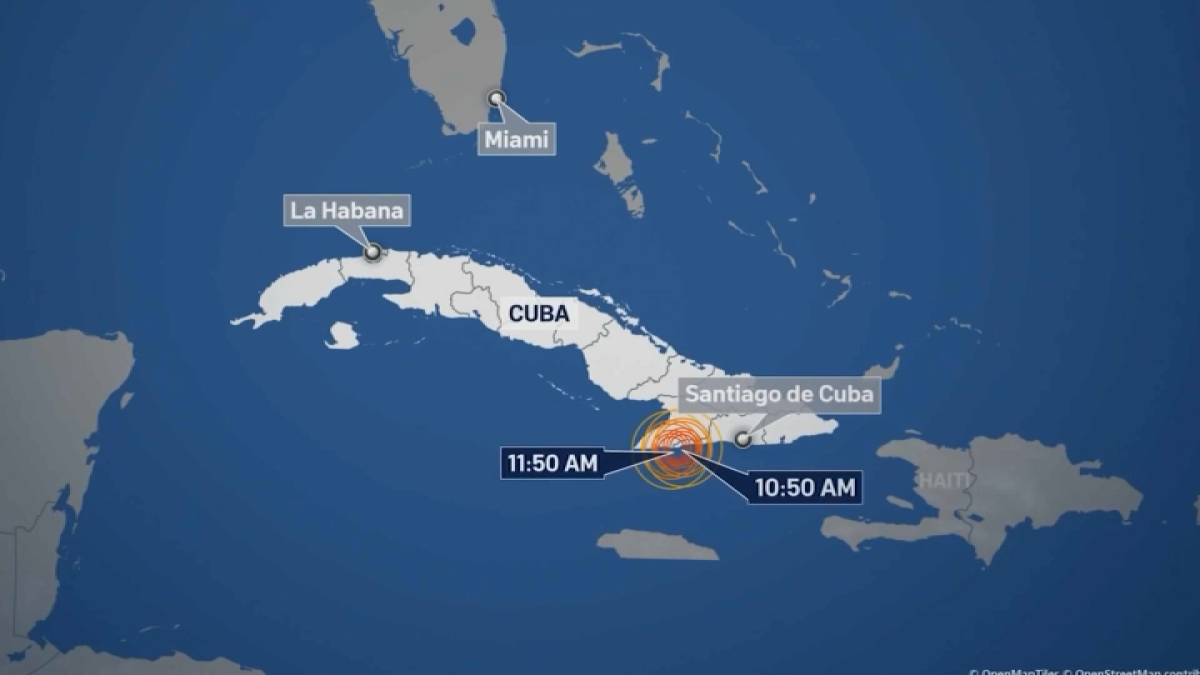
A 6.8 magnitude earthquake struck eastern Cuba, with its effects felt as far as Miami, where roughly a dozen residents reported shaking. The quake's epicenter was near Bartolome Maso, Cuba, and it followed recent hurricanes and blackouts on the island. While there are no reported casualties, Cuban residents shared images of structural damage. Miami's fire department responded to concerned calls, but officials assured there was no cause for alarm.
In the aftermath of Hurricane Helene, affected communities are working to rebuild their lives, with residents finding solace and connection through salvaging and sharing mud-splattered photographs. These images, though damaged, serve as poignant reminders of resilience and the enduring spirit of community as people come together to support one another in the recovery process.
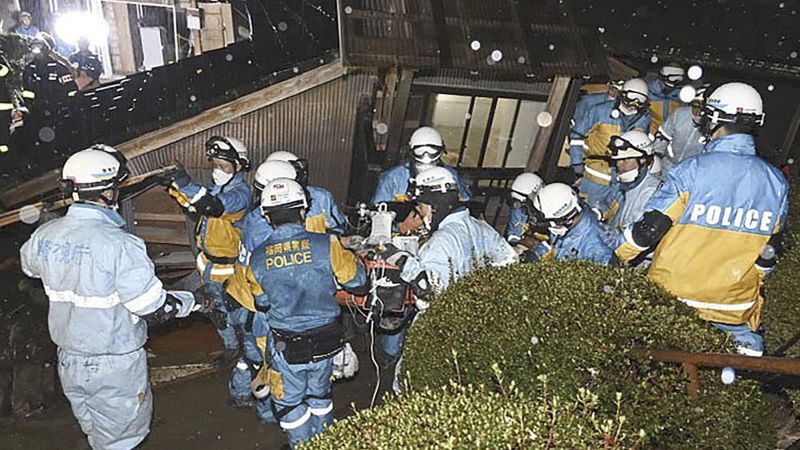
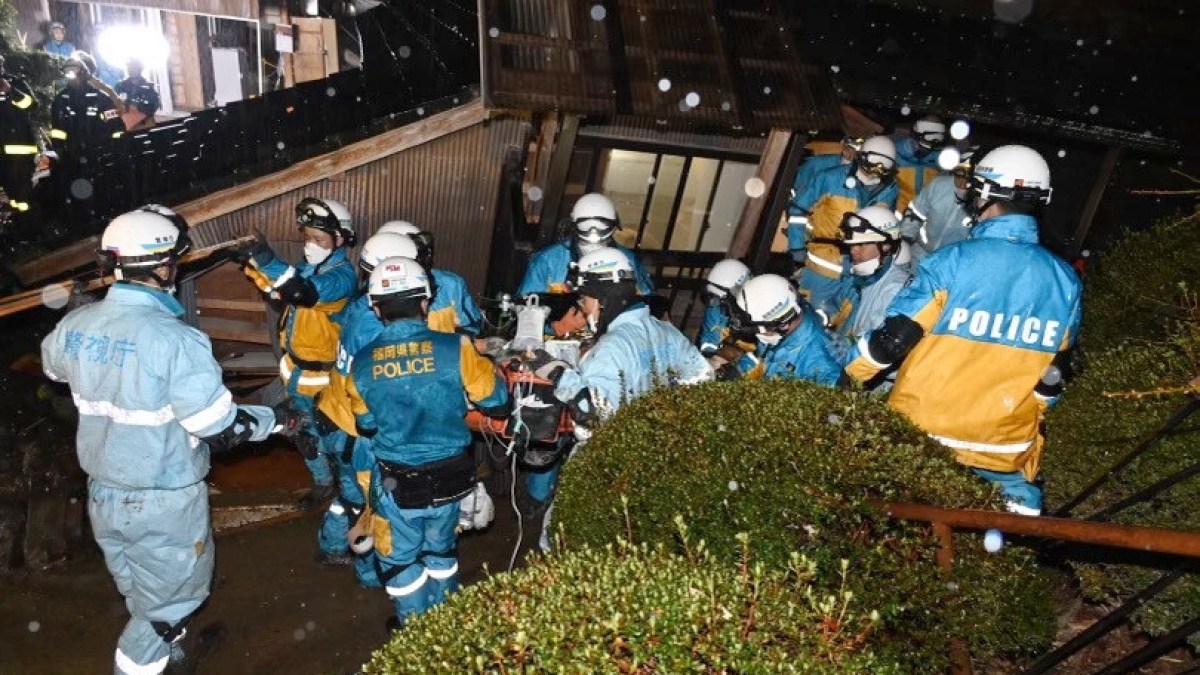
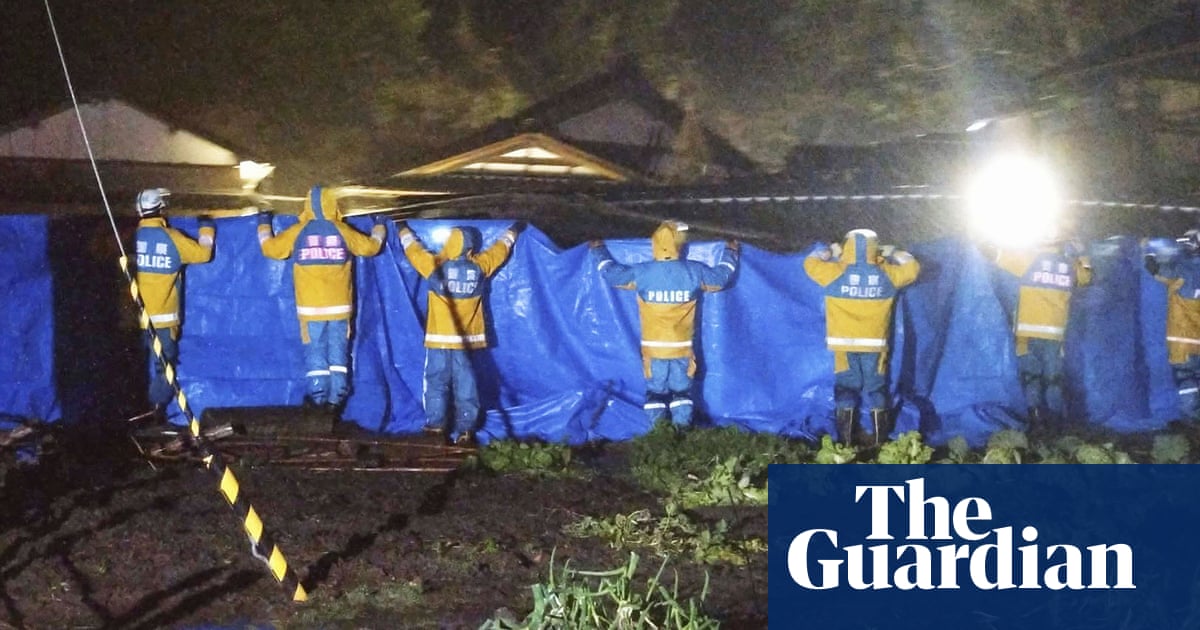
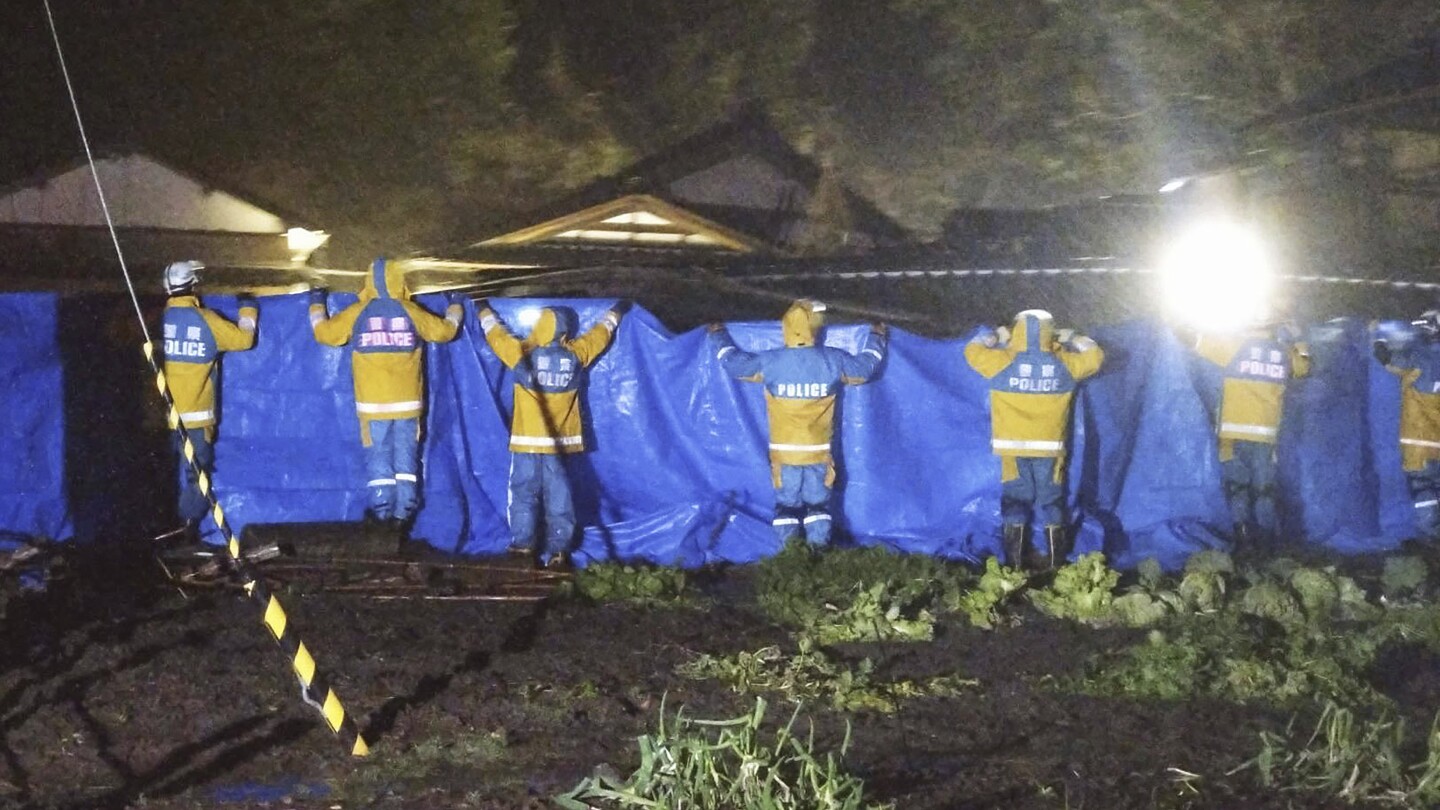
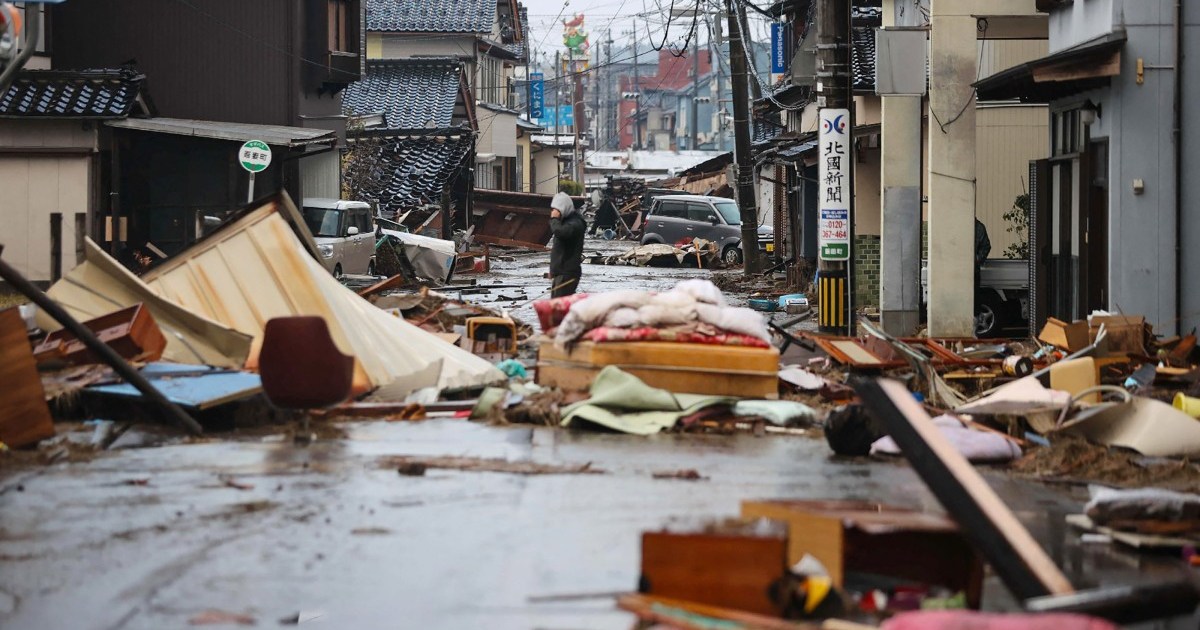
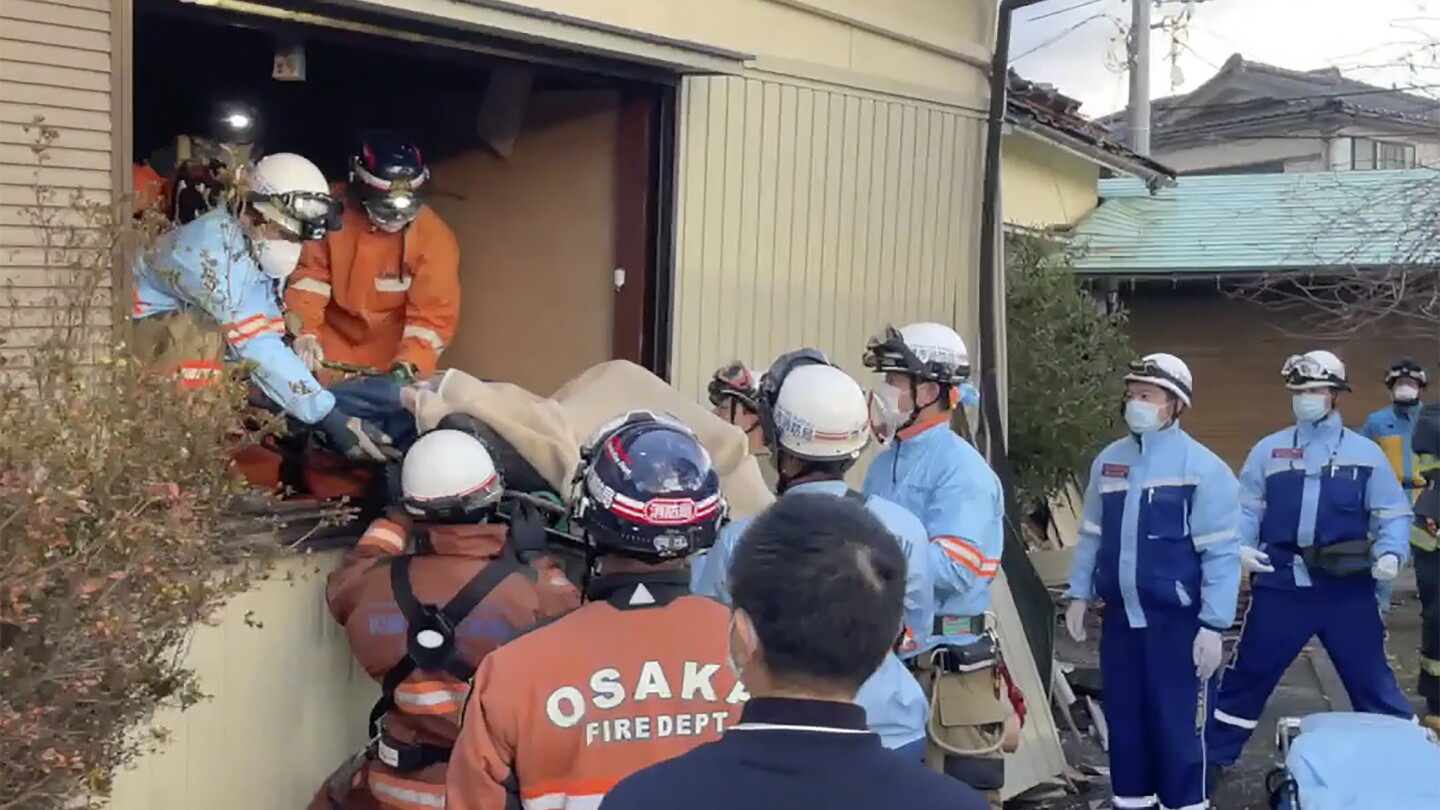
A nonagenarian woman was rescued alive from the debris of her collapsed home in Suzu City, Japan, 124 hours after a 7.5 magnitude earthquake hit the region. Despite the "golden period" for rescues being the first 72 hours after such a disaster, she was found with injuries but able to converse. The earthquake has resulted in at least 126 deaths, with many still missing, and has caused extensive damage, prompting ongoing search and rescue efforts and traffic restrictions to aid recovery operations.
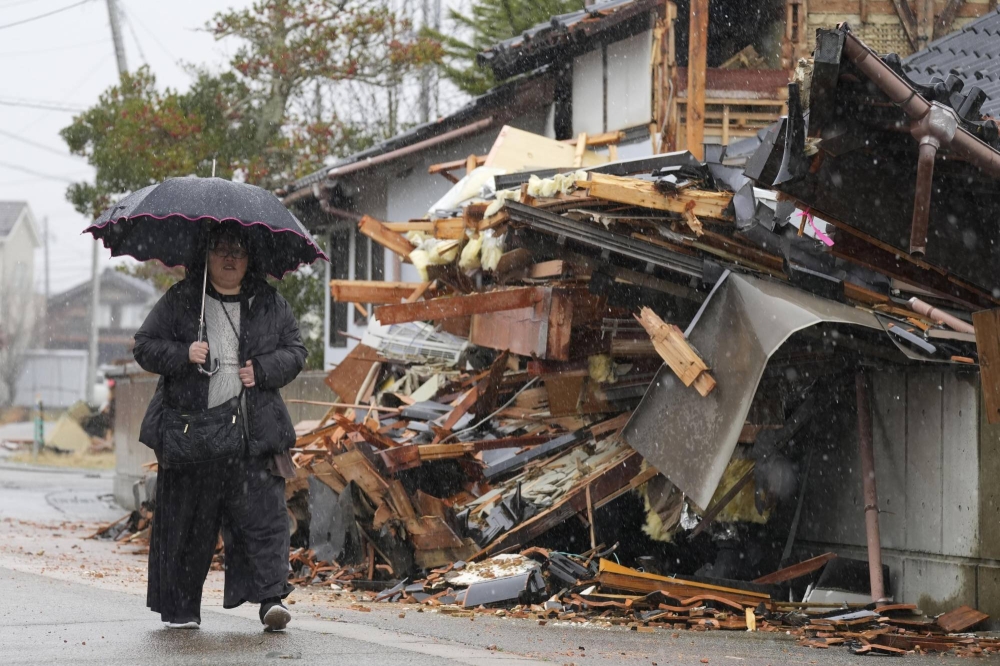
A nonagenarian woman was rescued from earthquake rubble in Ishikawa Prefecture, Japan, after being trapped for five days. The region is grappling with the aftermath of a magnitude-7.5 earthquake that occurred on New Year's Day, which has resulted in at least 126 deaths and 222 missing persons. Relief efforts are being challenged by adverse weather conditions, including snow and storms.
A nonagenarian woman was rescued from the debris of her home in Suzu, Japan, 124 hours after a 7.6 magnitude earthquake struck the Noto Peninsula on New Year's Day, killing at least 126 people. Despite the diminishing odds of survival past 72 hours, she was found alive among widespread destruction, with ongoing rescue efforts facing challenges from aftershocks, weather conditions, and blocked roads. The earthquake and subsequent tsunami have devastated communities, leaving thousands in need of aid and basic necessities.
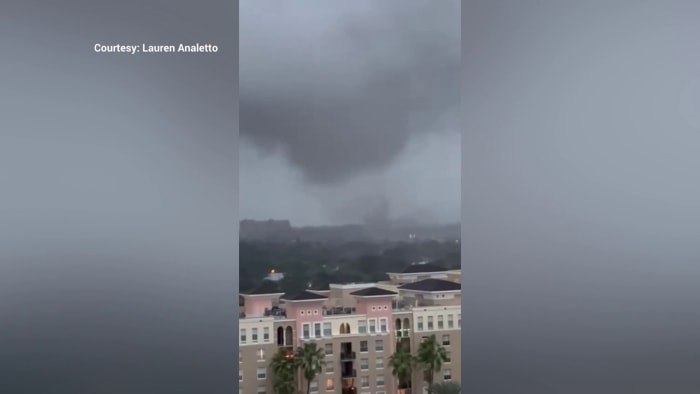
A tornado was observed and captured on video in Fort Lauderdale Beach, with the National Weather Service issuing an alert. No injuries have been reported, but there have been sightings of power flashes and heavy winds. The extent of power outages is currently unknown, and updates are forthcoming.
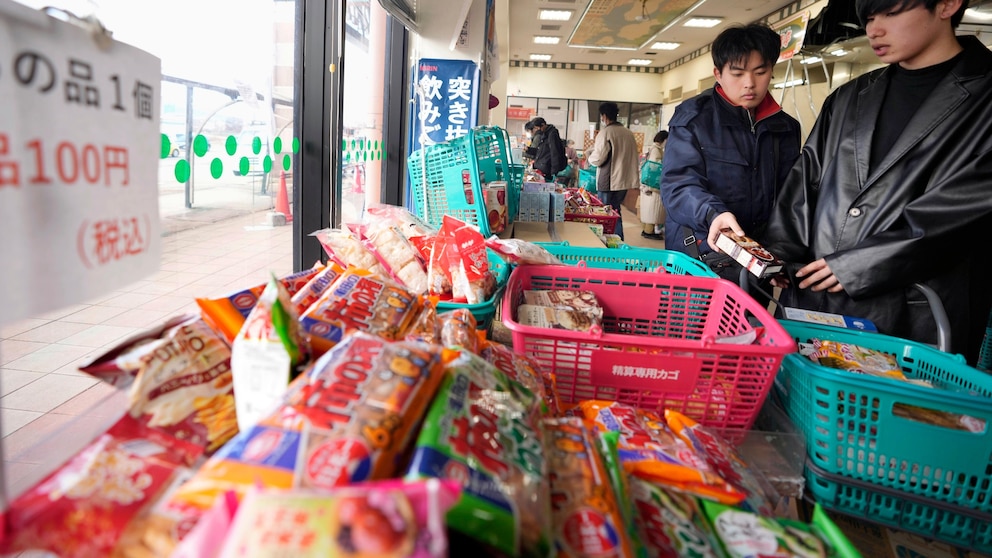
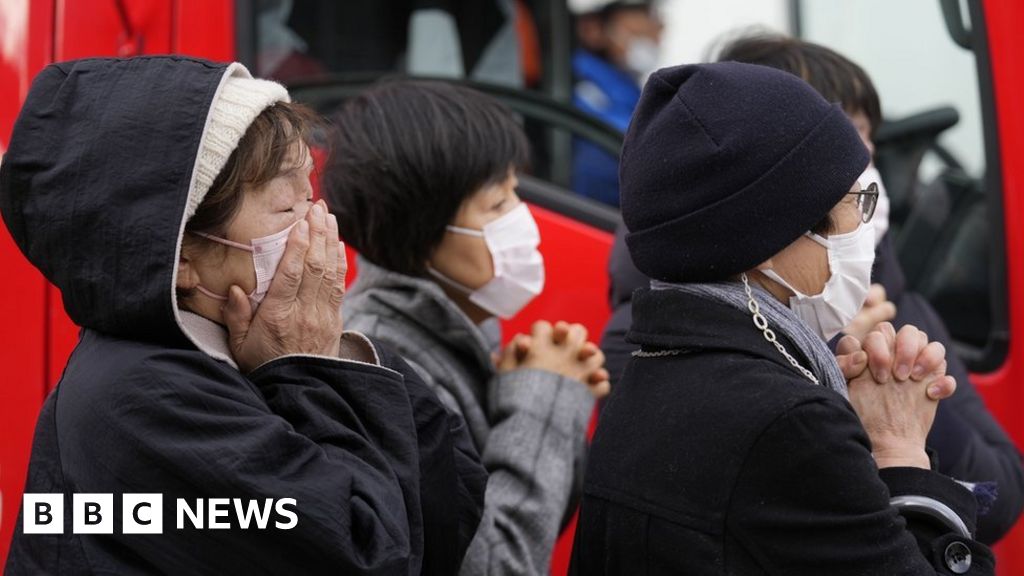
A woman in her 90s was found alive under the rubble five days after a 7.5-magnitude earthquake hit central Japan, causing widespread destruction and leaving over 120 people dead and 200 missing. Despite the critical 72-hour rescue window having passed, the woman was discovered responsive but suffering from hypothermia. Rescue efforts continue with challenges due to blocked roads, potential wet weather, and the risk of landslides and snowfall. Over 30,000 people are in shelters, and tens of thousands lack electricity and running water, with warnings that infrastructure repairs, especially water pipes, will take a long time.
A nonagenarian woman was rescued from the debris of her home in Suzu city, Japan, five days after a 7.6 magnitude earthquake struck, killing at least 126 people. The quake caused extensive damage, landslides, and disrupted aid delivery due to damaged infrastructure. A young boy succumbed to injuries sustained during the quake, and over 200 people remain missing. International condolences and offers of aid have been extended, including a rare message from North Korean leader Kim Jong-un. The disaster highlights the vulnerability of Japan's ageing population and the challenges faced by the local economy.
A nonagenarian woman was rescued alive from a collapsed house in Suzu city, Japan, five days after a 7.6 magnitude earthquake struck the region, causing at least 126 deaths and significant damage. Rescue efforts continue amidst aftershocks and challenging weather conditions, with over 200 people still missing. The earthquake has devastated communities, with many buildings destroyed and essential services disrupted. International condolences and offers of aid have been extended, including a rare message from North Korean leader Kim Jong Un.
Japan is grappling with the aftermath of a devastating 7.6 magnitude earthquake that struck its west coast on New Year's Day, with the death toll surpassing 100 and over 200 people still missing. The quake, the deadliest since 2016, has left thousands homeless, caused significant infrastructure damage, and hindered relief efforts due to road disruptions and landslides. Despite the challenges, rescue operations continue as the nation works to provide aid to the affected areas.
A nonagenarian woman was rescued alive from a collapsed house in Suzu city, Japan, five days after a 7.6 magnitude earthquake struck the region, causing at least 126 deaths and triggering landslides. The quake resulted in significant damage, with numerous buildings toppled, and over 500 people injured. Rescue efforts continue amidst aftershocks and challenging weather conditions, with over 200 people still missing. International condolences and offers of aid have been extended, including a rare message from North Korean leader Kim Jong Un. The disaster has severely impacted the already fragile local economy, which relies on crafts and tourism.
Japan is facing a dire situation following a 7.6 magnitude earthquake that struck the Noto peninsula on New Year's Day, leaving 92 dead and 242 missing. Despite the critical 72-hour window for finding survivors having passed, rescue efforts continue with increased troops. The earthquake caused extensive damage, landslides, and a small tsunami, leading to tens of thousands without utilities and hundreds cut off from aid. The Japanese government has allocated funds for assistance, while rescue teams face challenges reaching isolated areas due to aftershocks and blocked roads.
A series of powerful earthquakes hit Japan's western coast, leading to at least 94 deaths and 222 missing persons. Survivors have been found in the rubble, including a woman rescued 72 hours post-disaster and an older man in Suzu. The quakes caused significant damage, including a large fire in Wajima, tsunamis, and landslides. The coastline shifted by up to 250 meters in some areas. Aid is being provided by the United States and individuals like Shohei Ohtani, while thousands of Japanese troops assist in rescue efforts. Evacuation centers house around 34,000 displaced people, with concerns about disease and the need for basic supplies. Despite the devastation, residents are already considering rebuilding their communities.