With markets feeling unusually calm despite evident risks, the article explores how traders can hedge against a potential spike in volatility, outlining protective strategies to shield portfolios.
Options volatility is expected to rise regardless of the S&P 500's direction, driven by market fragility, US policy uncertainty, and rally chasing, with the VIX remaining elevated and signaling increased market stress and potential bubble characteristics.
Experts warn that former President Donald Trump's guilty verdict on falsifying documents could lead to increased market volatility as the 2024 election approaches. While some see this as a buying opportunity, the VIX index is expected to rise by mid-summer as the market reacts to election outcomes. Historically, the market has performed better under Democratic presidents, but Trump's deregulation agenda is seen as favorable by some investors despite concerns over his trade policies.
Wall Street experienced significant volatility on Wednesday, with major indices and all S&P 500 sectors trading in the red. The VIX surged 8% amid rising investor anxiety over interest rates, while Treasury yields continued to climb, with the 30-year yield reaching 4.72%. Traders are adjusting their expectations for Federal Reserve rate cuts, and key economic data is anticipated later this week. Major stock movements included a sharp drop in American Airlines and gains for Marathon Oil following an acquisition deal.
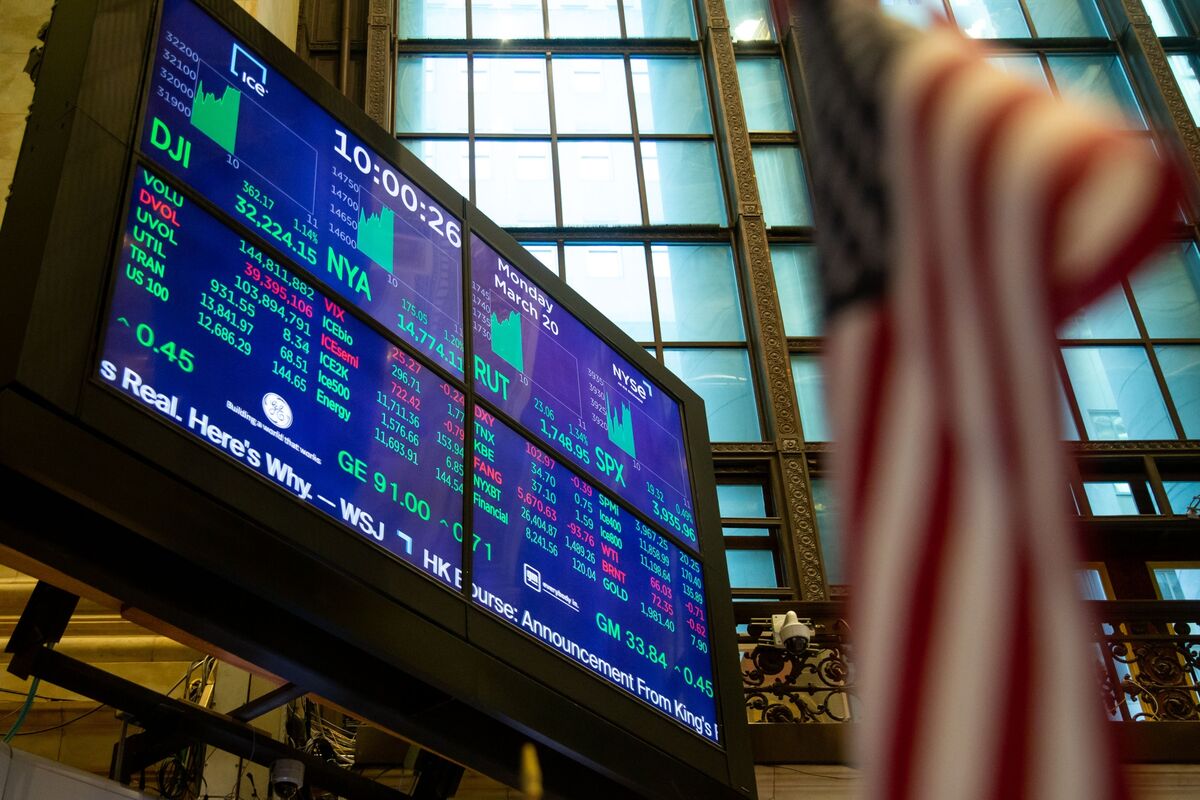
The VIX, a measure of market volatility, may be poised to rise as various factors indicate potential upward pressure. Option flows and seasonality are supportive of the VIX holding at or above 14, while historical trends and market mechanics suggest a potential increase in volatility. With the expiration of a significant amount of gamma and unfavorable seasonality, the VIX could see a surge, prompting investors to seek hedges ahead of the March 20 FOMC meeting.
Despite a rocky start to 2024, the Cboe Volatility Index (VIX) remains low, indicating investor optimism for potential equity gains but also raising concerns about market complacency. The VIX has seen a slight increase but is still below its long-term average, suggesting a calm market outlook. However, with the S&P 500 ending a nine-week winning streak and mixed feelings about the Federal Reserve's rate cuts, some analysts warn that the low VIX may not fully account for potential economic turbulence ahead.
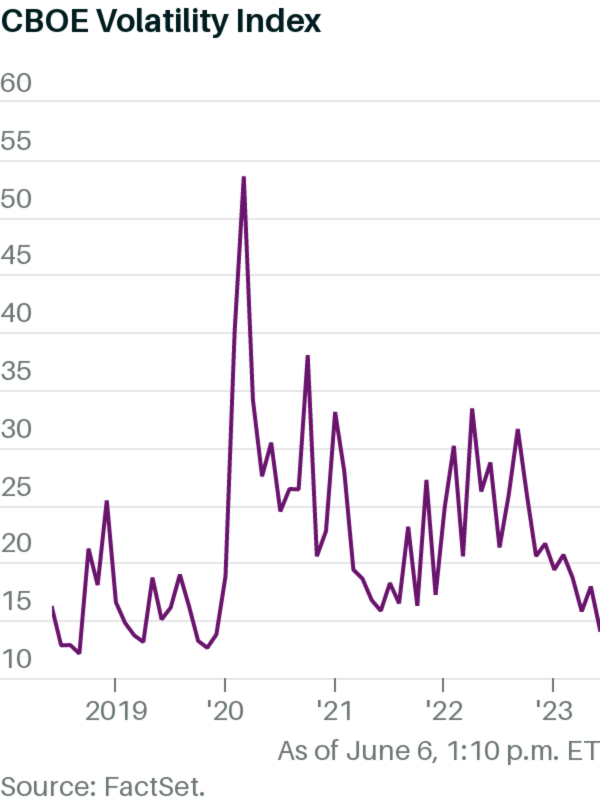
The Cboe Volatility Index (VIX), also known as the "fear gauge," has reached its lowest level since before the pandemic, indicating that investors have become complacent about potential risks. While this suggests optimism in the stock market, some analysts are concerned that this complacency could leave markets vulnerable to negative shocks in the near future.
The Cboe Volatility Index (VIX), a measure of expected U.S. stock-market volatility, reached its highest level since March, but Wall Street technicians caution against viewing it as a buy signal. Despite the VIX breaking out, breadth issues in the market and weak underlying stock performance suggest caution. The VIX is not a leading indicator and tends to spike when the S&P 500 declines quickly and sharply. While the VIX remains relatively subdued compared to its 2022 average, concerns over the Israel-Hamas war and potential disruptions to energy supplies are contributing to market jitters. Treasuries have not attracted strong haven bids despite heightened geopolitical tensions.
U.S. investors are experiencing "extreme fear" in the stock market, as indicated by CNN's Fear and Greed index, which reached its highest level since March. The index incorporates various factors, including the Cboe Volatility Index (VIX), which traded at its highest level since May. Other inputs, such as the number of stocks trading at 52-week highs versus lows and the put-to-call ratio, also suggest heightened fear. Despite this, junk-bond spreads have remained stable. U.S. stocks have been fluctuating, with the S&P 500 struggling to avoid its fifth red day in eight, influenced by rising Treasury yields and a strengthening dollar.
The VIX, a measure of market volatility, is approaching its early 2020 low, indicating that market sentiment is becoming more optimistic. This could be due to a variety of factors, including positive economic data and the easing of pandemic-related restrictions. However, some analysts caution that the low VIX could also be a sign of complacency among investors, and that a sudden shift in market conditions could lead to increased volatility.
Despite the US being at risk of defaulting on its debt as soon as June 1, there are few signs of panic among stock-market investors. Expectations for price swings in stocks most sensitive to a government default still hover near a two-year low, and the Cboe Volatility Index, or VIX, dipped back to near a 17 level.
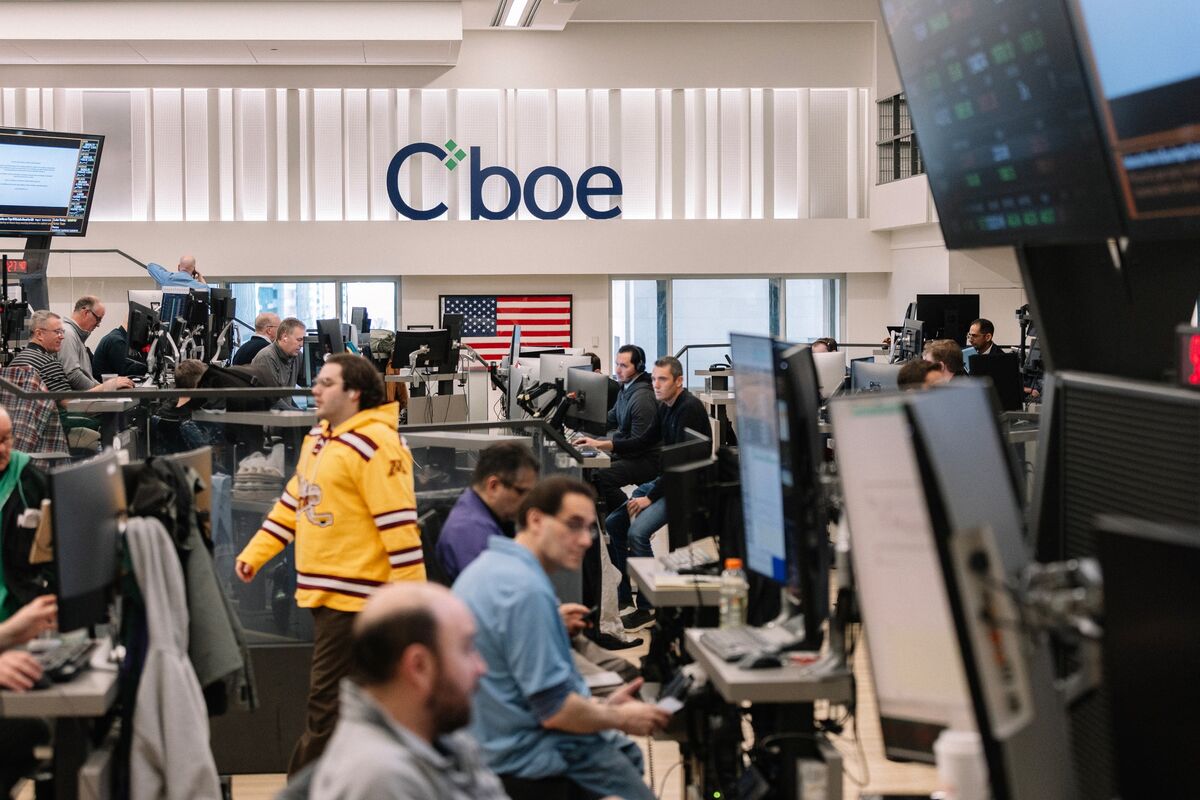
Exchange group Cboe is set to launch a new version of the Vix, the volatility index known as "Wall Street's fear gauge," that will track expectations of short-term market swings. The 1-day Volatility Index, or Vix1d, will measure expected volatility in the S&P 500 over the next day of trading, rather than over the next month like the Vix. The move is a response to a recent transformation in derivatives markets that had sparked concerns about the effectiveness and relevance of the original Vix.
JPMorgan strategist Marko Kolanovic warns that the current risk-on mood fueling the equities rally is likely to falter due to headwinds from bank turbulence, an oil shock, and slowing growth, which could send stocks back towards their 2022 lows. Kolanovic characterizes the present market backdrop as "the calm before the storm," and expects a reversal in risk sentiment over the coming months. The inflows into stocks over the past few weeks "make little sense" and were largely driven by systemic investors, a short squeeze, and a decline in the Cboe Volatility Index (VIX).