Vivo's OriginOS 6 heavily mimics Apple's Liquid Glass aesthetic introduced in iOS 26, featuring similar transparency effects, icons, and interface elements, raising questions about originality versus industry trend convergence.
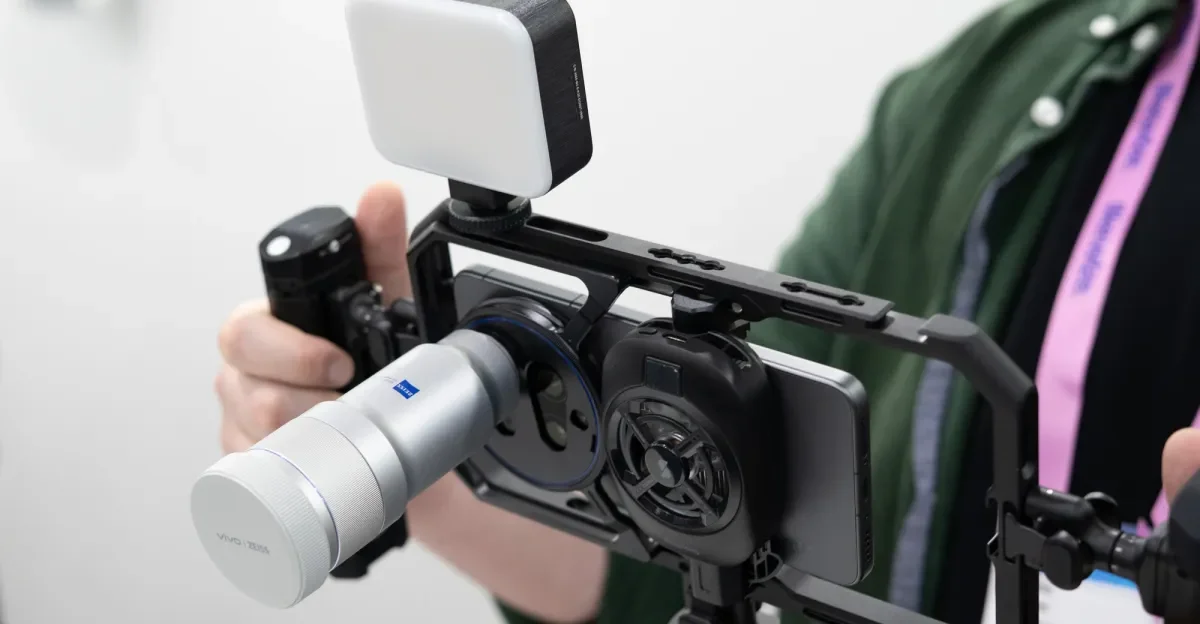
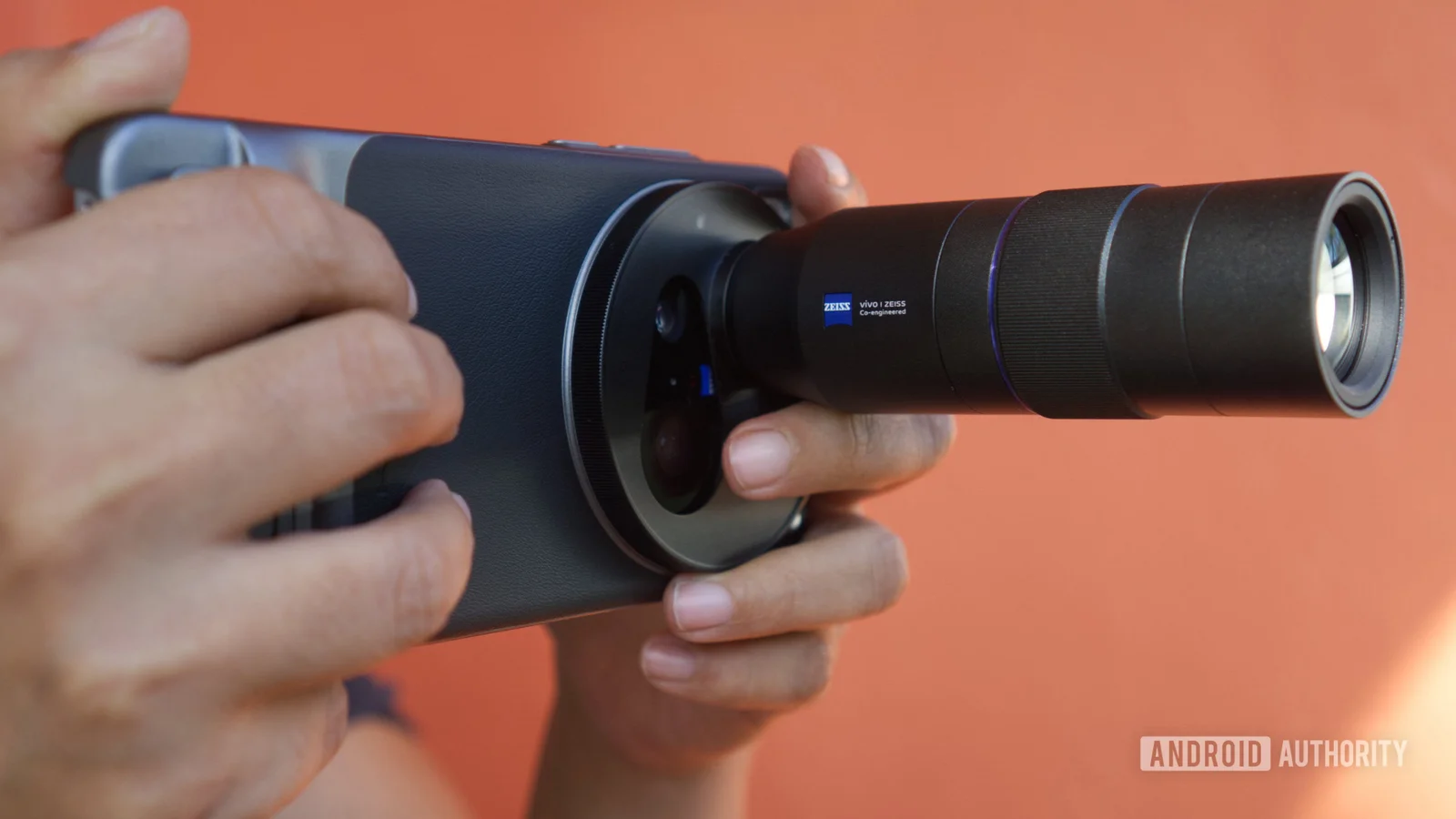
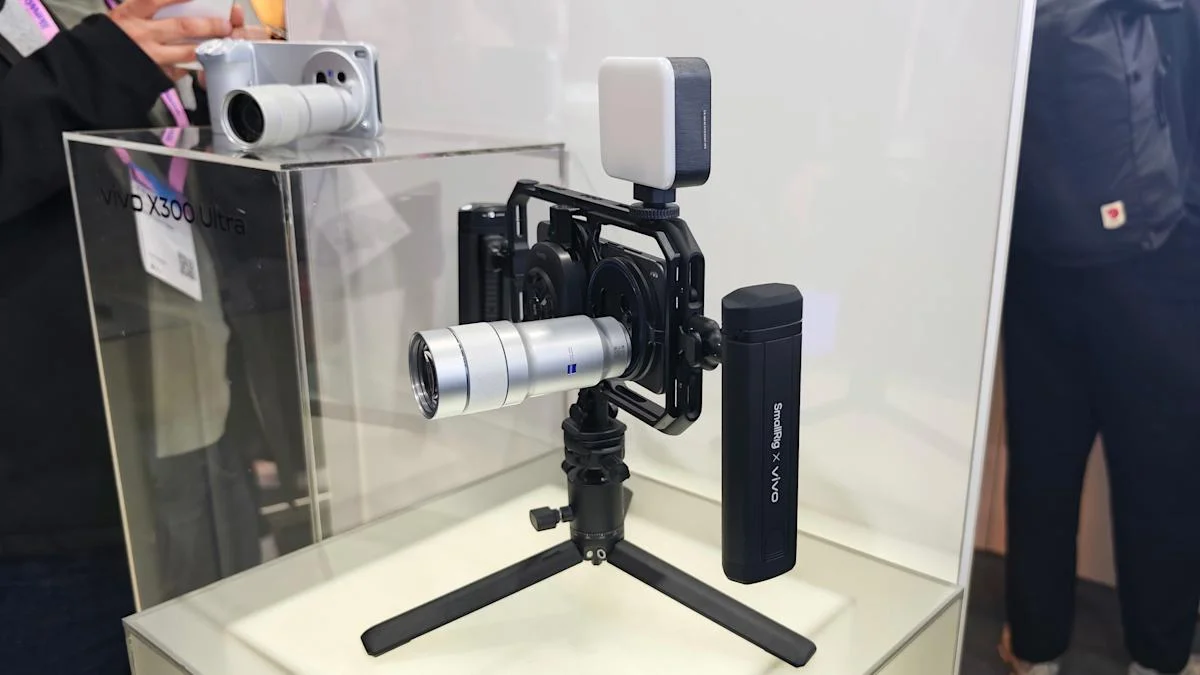
Chinese phone brands like Xiaomi and Vivo are exploring innovative camera enhancements, including detachable external lenses and magnetic camera units, which could reduce the number of built-in cameras and improve photographic capabilities. These developments are currently limited to China but may influence global smartphone camera technology in the future.
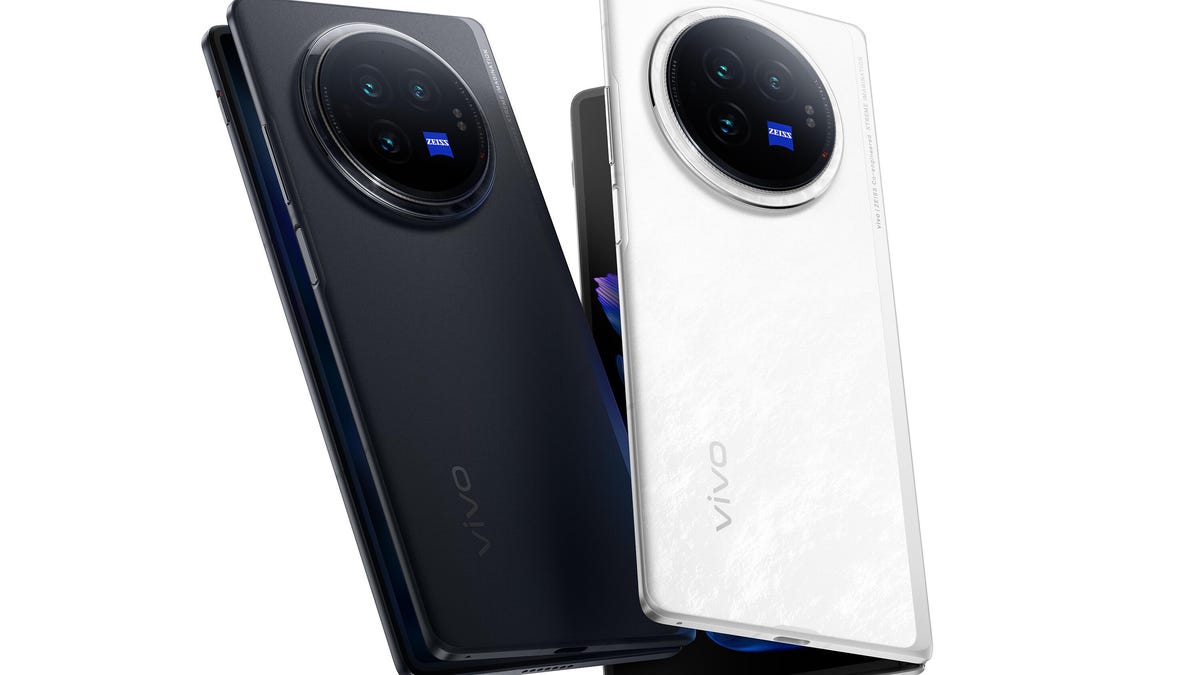
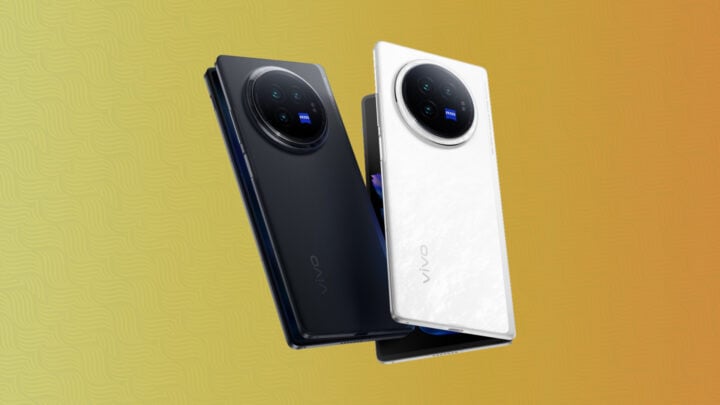
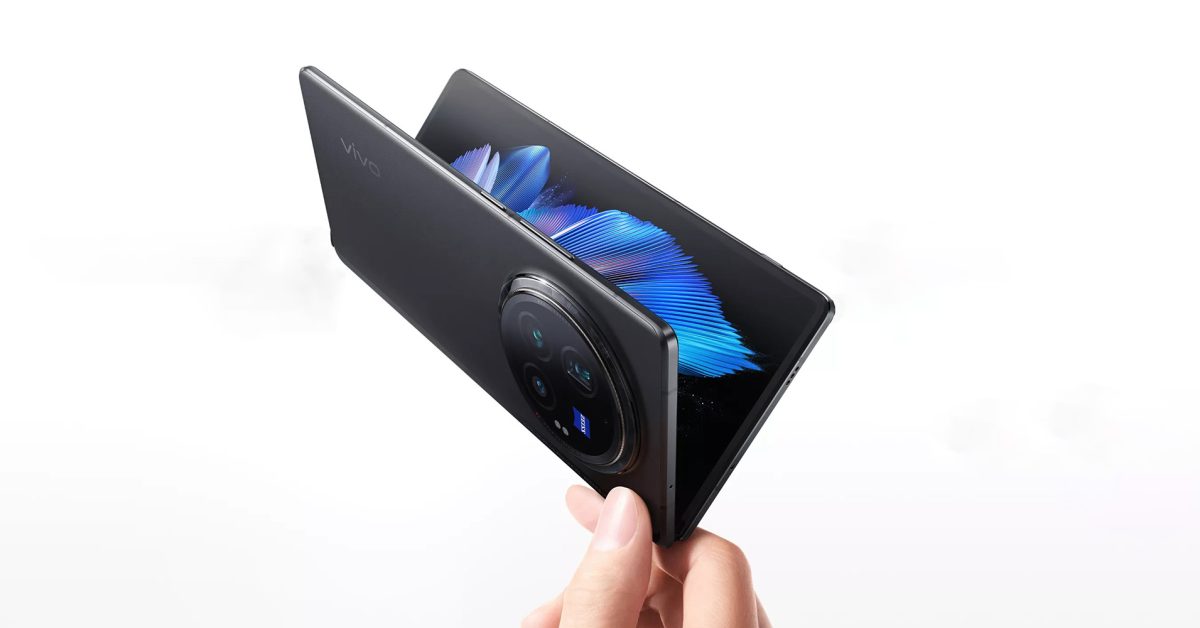
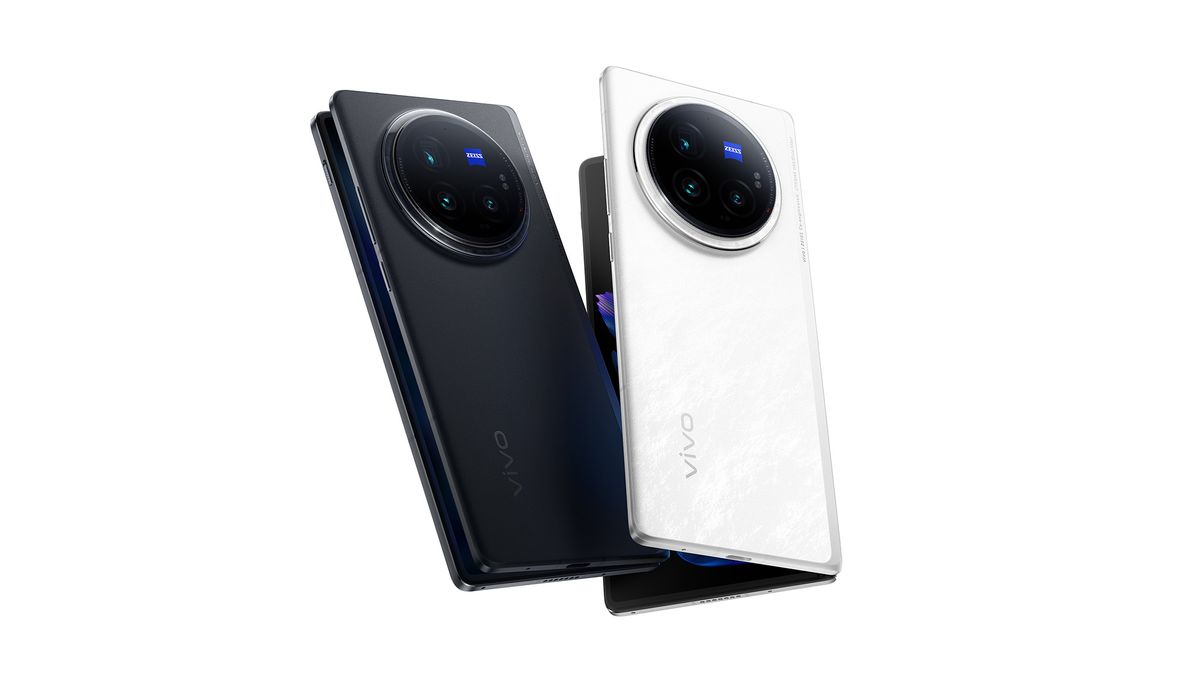
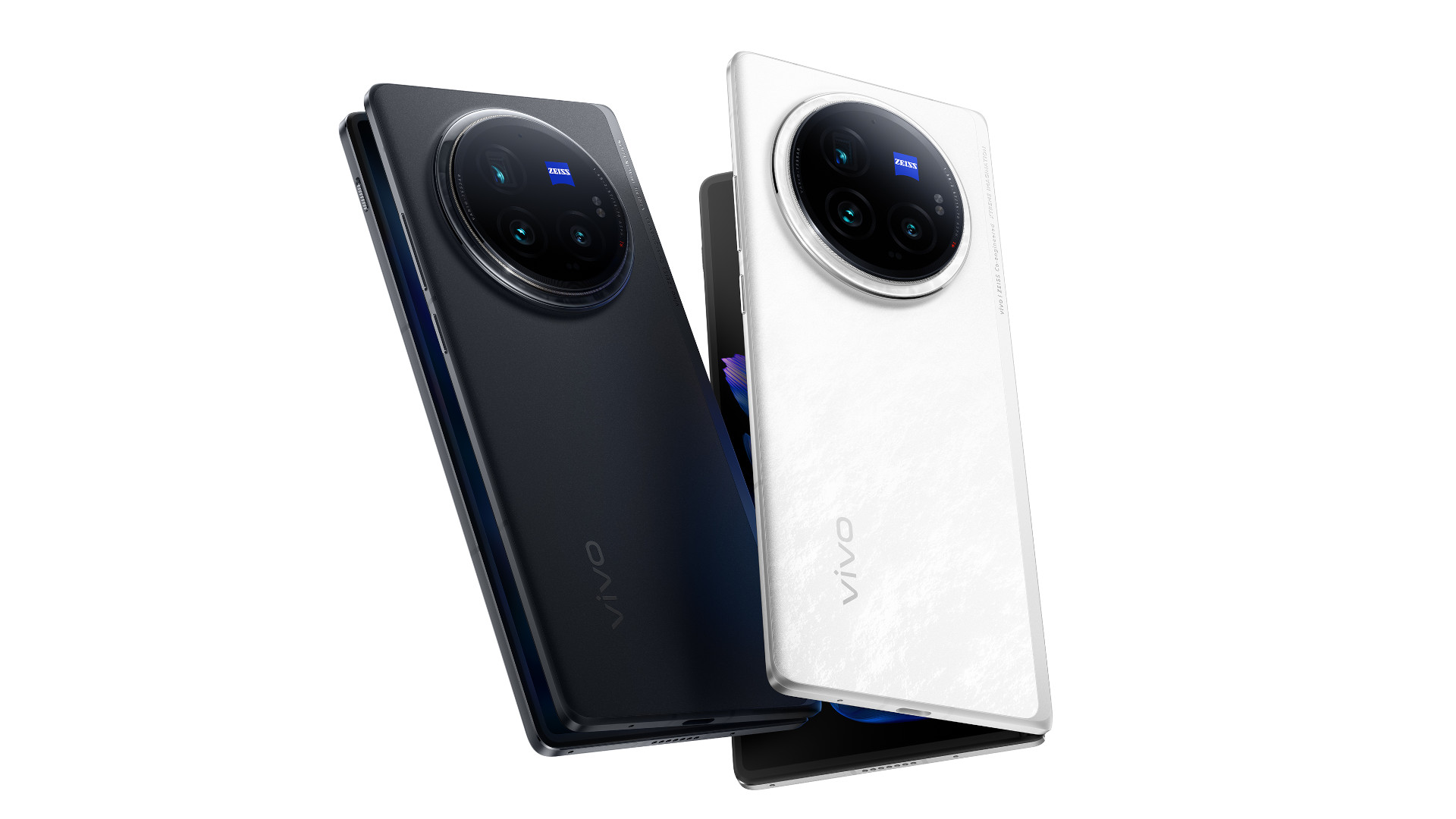
Vivo has unveiled the Vivo X Fold 3, the world's lightest foldable phone that opens like a book, weighing 219 grams and running on Snapdragon 8 Gen 2 chipset. The device features a trio of 50-megapixel cameras on the rear, an official IP rating for water resistance, and a lightweight carbon fiber hinge. Alongside the X Fold 3, Vivo also introduced the higher-end X Fold 3 Pro, which starts at 9,999 yuan (roughly $1,385) and runs on Qualcomm's Snapdragon 8 Gen 3 processor, with a large 5,700 mAh battery and support for 100-watt and 50-watt wireless charging. Both phones are currently available in China only.
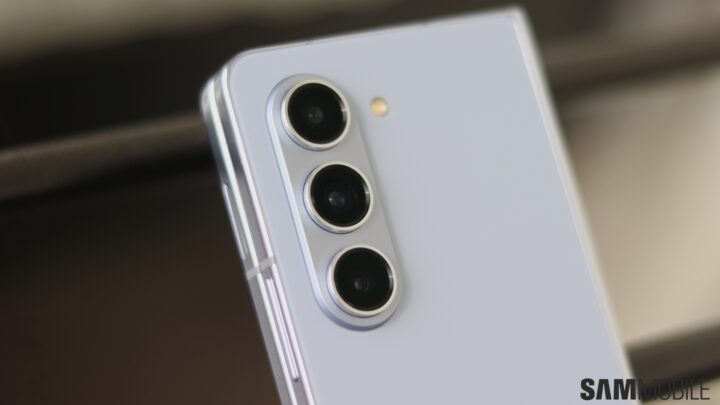
Vivo has launched two new foldable phones, the X Fold 3 and X Fold 3 Pro, which are thinner and lighter than the Galaxy Z Fold 5 while featuring bigger batteries. The X Fold 3 Pro boasts a 6.53-inch OLED cover screen, 8.03-inch OLED foldable inner screen, Snapdragon 8 Gen 3 processor, 16GB RAM, and 512GB/1TB internal storage, along with a 5,700mAh battery and 100W fast wired charging. The X Fold 3, the more affordable option, offers similar impressive specifications at a lower price point. These advancements from Vivo may pose a challenge to Samsung's foldable phone dominance, potentially impacting consumer perception of Samsung's offerings.
The Vivo X Fold 3 Pro and X Fold 3 are the latest foldable smartphones from Vivo, featuring Snapdragon 8 Gen 3 and a massive 5,700 mAh battery. The Pro model also boasts a special imaging chip, 50MP wide and ultrawide cameras, and a 64MP telephoto lens at 3x. Both devices are available for pre-order in China, with the Pro starting at ¥9,999 for 16GB/512GB.
Vivo has unveiled its latest foldable phones, the X Fold 3 and X Fold 3 Pro, in China, featuring ultra-thin profiles, significant camera upgrades, and large batteries. The X Fold 3 is the thinnest and lightest foldable available, while the X Fold 3 Pro boasts a 5700mAh battery and IPX8 ingress protection, making it a strong competitor to the Galaxy Z Fold 5. With no details on a global release yet, Vivo's latest foldables are set to challenge Samsung and Honor in the foldable phone market.
Vivo has launched the X Fold 3 and X Fold 3 Pro in China, featuring slim designs, bright screens, and a Snapdragon 8 Gen 3 chipset in the Pro model, marking the first time this chipset has been used in a foldable phone. The Pro model boasts premium specs, including a 5,700mAh battery, 100W wireless charging, and a high-end camera setup, while the standard model comes with the Snapdragon 8 Gen 2 chipset and some other feature differences. The X Fold 3 series is currently available in China, with prices starting at 6,999 yuan for the standard model and 9,999 yuan for the Pro model.
Oppo and vivo are rumored to be abandoning foldable smartphones due to declining market share, while Huawei is reportedly working on a 10-inch tri-folding device targeting the tablet market. Samsung has completed the development of a rollable display and may launch a rollable smartphone in the future, or opt for a tri-fold design like Huawei.
Samsung and Huawei are reportedly exploring new foldable phone designs, with Huawei planning to launch a Z-shaped dual-hinged foldable phone to compete with Samsung's successful foldable business, while Samsung has completed development on a rollable phone and may also release a dual-folding phone. In a surprising move, Oppo and Vivo have decided to withdraw from the foldable phone segment due to declining market shares and profitability concerns.
Nokia has signed a multi-year 5G patent license agreement with Chinese smartphone vendor Vivo, resolving all pending patent litigation between the parties. This marks Nokia's 6th major smartphone licensing agreement in the past 13 months, following deals with Apple, Samsung, OPPO, Honor, and Huawei. The terms of the agreement remain confidential, and Nokia expects its intellectual property licensing business to generate at least 1.4 billion euros of operating profit in 2024.
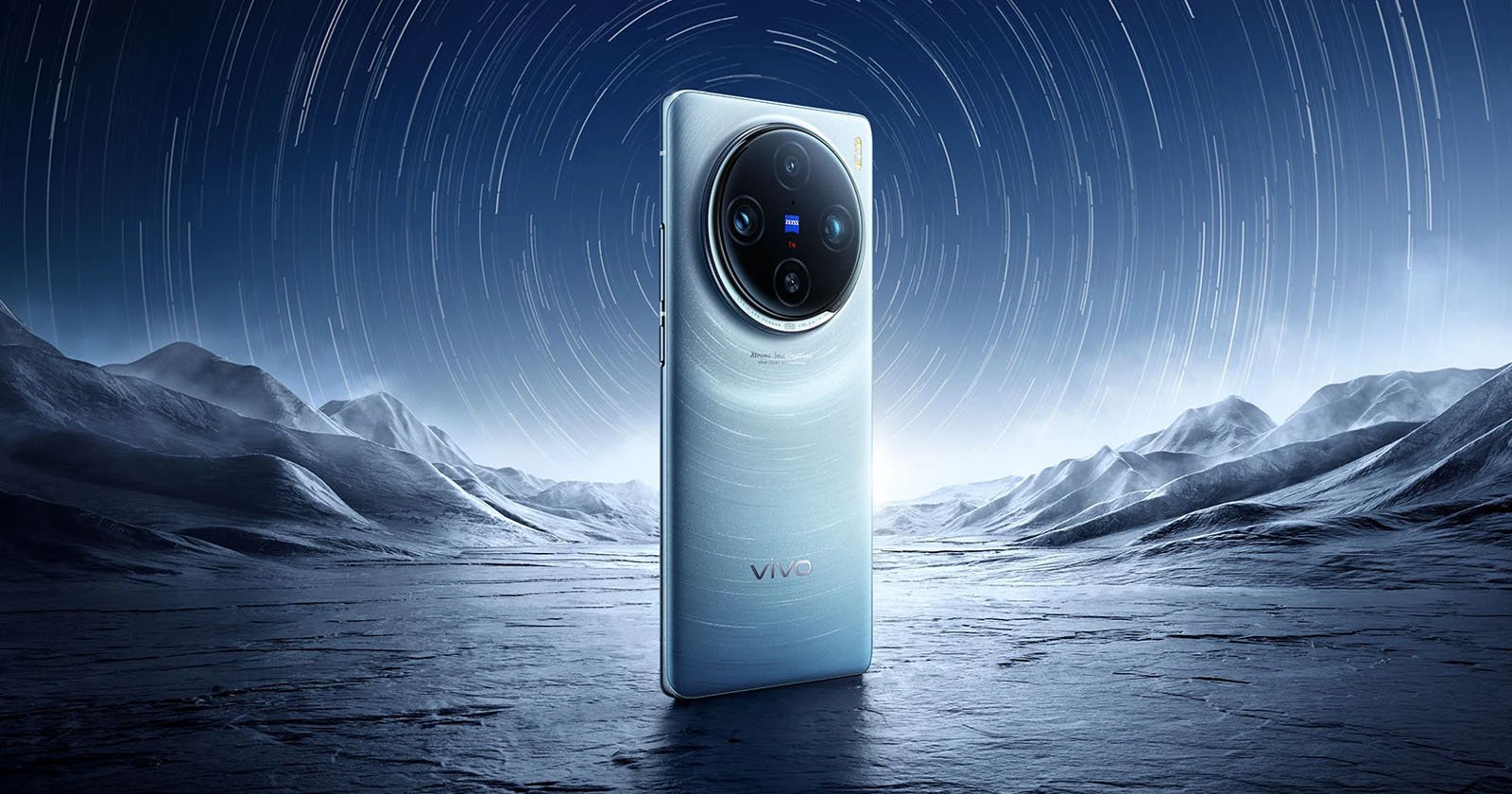
Vivo has unveiled its X100 and X100 Pro flagship smartphones, co-engineered with Zeiss and designed with photography in mind. The X100 Pro features a large Type 1.0-inch main camera, along with a 50-megapixel super wide-angle camera and a telephoto camera with a new Zeiss APO floating design. The X100 Pro is the first mobile imaging system to achieve APO certification, promising reduced chromatic aberration. Both models offer improved image quality, color tone, and computational photography, with special software for sunrise and sunset photography. The devices are powered by MediaTek's Dimensity 9300 chipset and come in water-resistant aluminum construction. Pricing for international markets has not been announced.
Chinese smartphone makers, starting with Vivo, are expanding their presence overseas, particularly in Europe, with flagship smartphones powered by MediaTek's Dimensity 9300 chip. This move poses a challenge to Apple and Qualcomm's market share and aims to disrupt their chip dominance. Vivo's X100 and X100 Pro will be released in Europe, India, Indonesia, and Southeast Asia, targeting the premium market. The pricing for these devices has not been confirmed, but analysts predict MediaTek's market share to increase to 35% by 2024.
Chinese brand Vivo has announced the global launch details for its X100 series of phones, which are powered by the MediaTek Dimensity 9300 flagship chipset. The X100 series will be available in India, Indonesia, and Southeast Asia, while Europe will only receive the X100 Pro model. Pricing and launch timelines for these markets have not been disclosed yet. The X100 Pro features a 5,400mAh battery with fast wired and wireless charging, a flexible triple rear camera setup, and a cinematic portrait mode. The standard X100 offers a 5,000mAh battery with fast wired charging and a slightly less capable triple camera setup.
Vivo has globally launched its X100 Pro smartphone, featuring a 6.78-inch AMOLED display with a 120Hz refresh rate, Mediatek's Dimensity 9300 chipset with on-device generative AI capabilities, and a Zeiss-branded camera system with three 50-megapixel cameras on the rear. The phone also supports 4K cinematic portrait video recording, has a 5,400mAh battery with 100W wired fast charging and wireless charging, and offers AI-powered features such as article summarization and image generation. However, the X100 Pro will not be released in the US, and its official price has not been announced.
Vivo is releasing its flagship smartphones, the Vivo X100 and Vivo X100 Pro, internationally with improved camera lenses. The X100 Pro features a 50-megapixel one-inch-type main camera and a 4.3x optical magnification telephoto camera with Zeiss lens technology. The X100 has a 50-megapixel main camera and a 64-megapixel telephoto camera. Both phones have 50-megapixel ultrawide cameras and a secondary imaging chip. The X100 Pro will be available in European markets, while the X100 will be available in Southeast Asian markets. The smartphones feature a 6.78-inch 120Hz OLED screen and are built on MediaTek's Dimensity 9300 chipset.