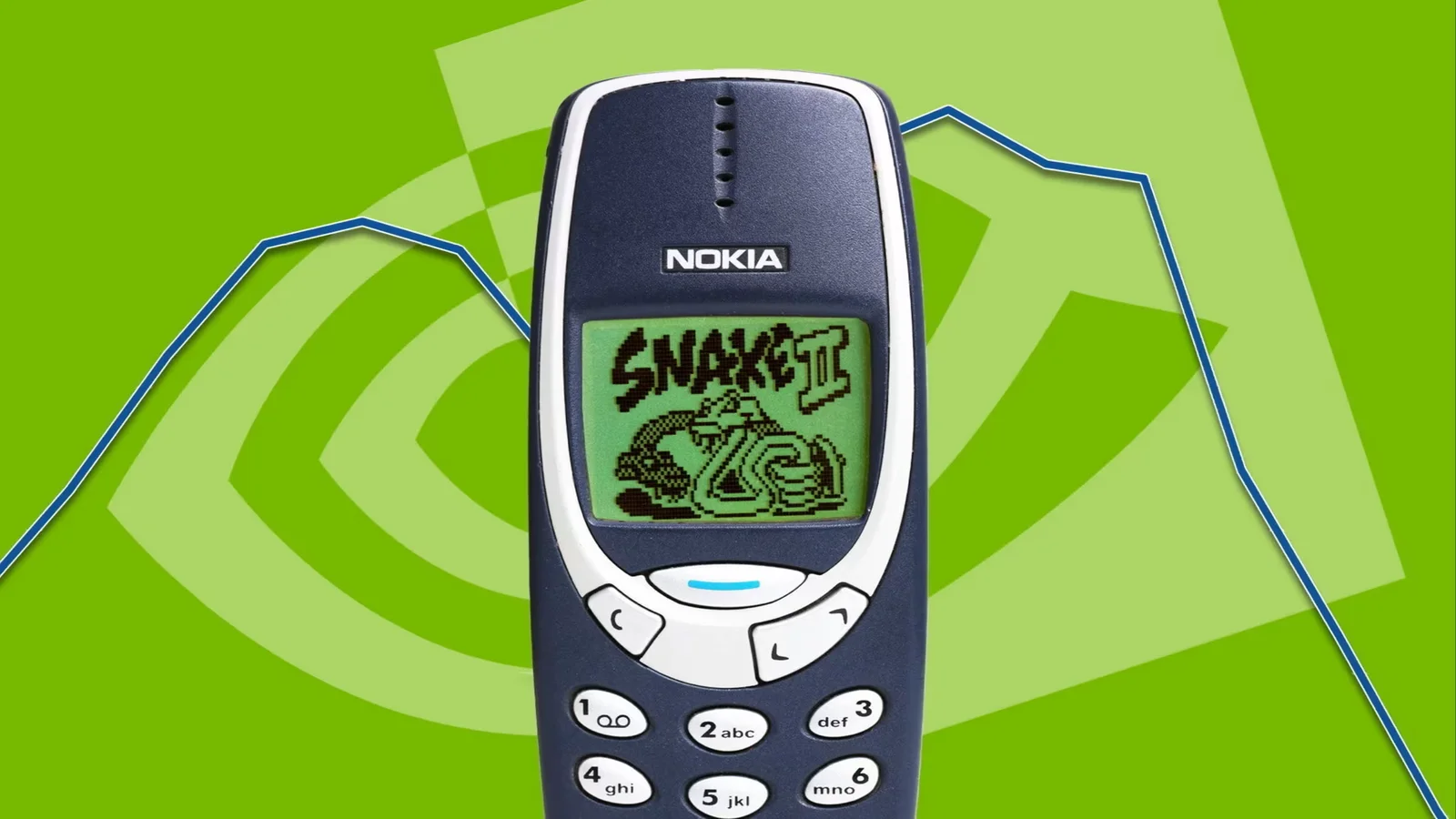
Nokia has transitioned from being a victim of the iPhone to striking a significant $1 billion deal with Nvidia, highlighting a major shift in its business strategy and positioning in the tech industry.
Shares of Nokia surged nearly 9% after Nvidia announced a $1 billion strategic investment, reflecting strong retail investor confidence driven by Nokia's growth in AI-related 5G and networking infrastructure, with sentiment already rising before the announcement.
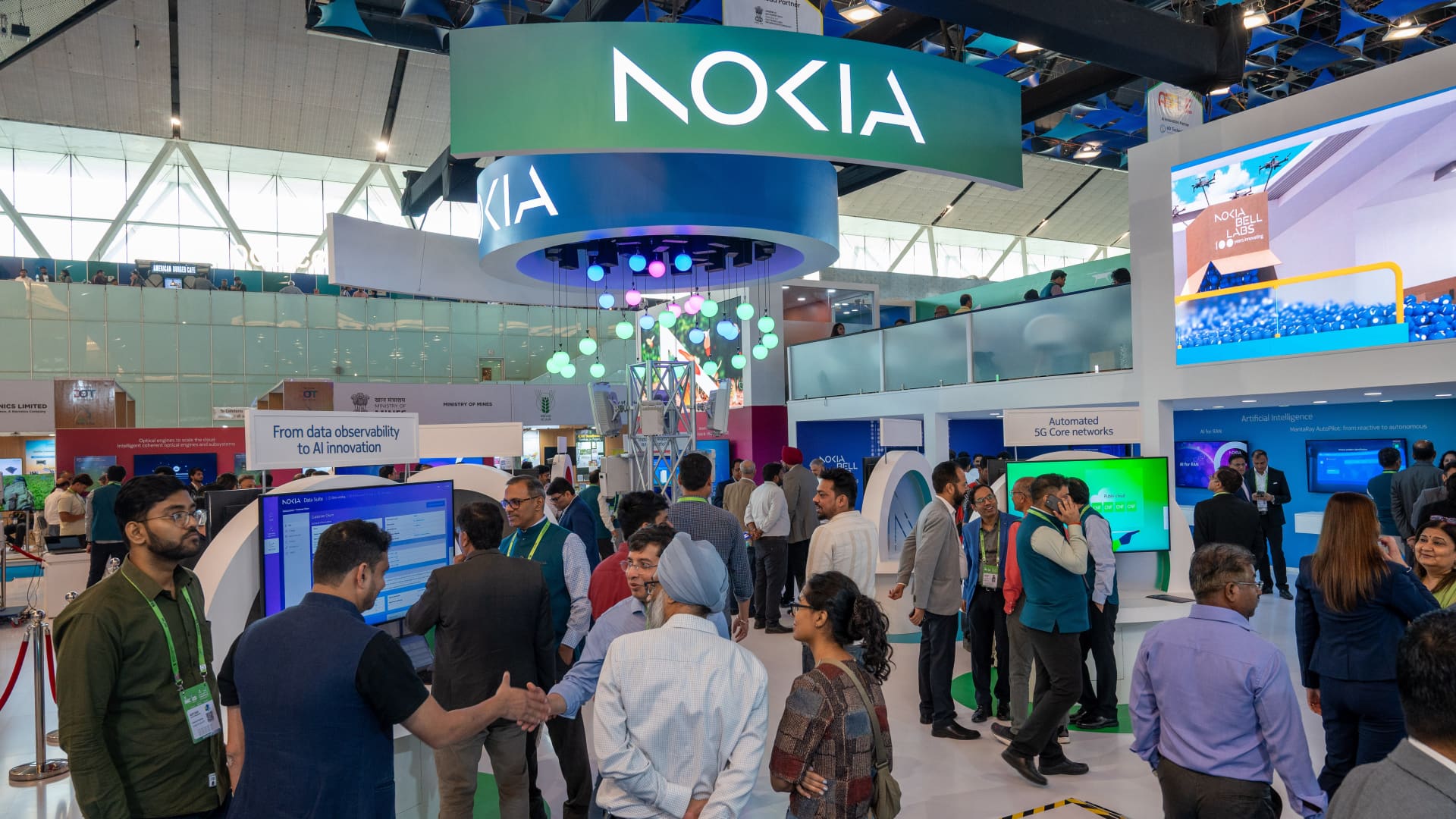
Nvidia is investing a billion dollars in Nokia and forming a strategic partnership to enhance networking technology for AI infrastructure, focusing on 5G and 6G development, which has led to a significant rise in Nokia's stock and underscores the importance of connectivity in the AI race.
Nvidia plans to invest $1 billion in Nokia by acquiring a 2.9% stake, aiming to leverage Nokia's data center and networking technology to boost AI infrastructure, marking a strategic move into AI networking and data center expansion.
Nvidia has taken a $1 billion stake in Nokia, leading to an 18% rise in Nokia's shares, and the companies will collaborate on developing 6G technology and integrating Nvidia's chips into Nokia's 5G and 6G software, signaling a strategic move in AI and telecommunications.
Nokia reported strong Q3 2025 financial results with a 9% increase in comparable net sales, driven by all business groups, especially Optical Networks. Despite a slight decline in gross margin and operating margin, the company remains on track to meet its full-year outlook, with a revised operating profit guidance of EUR 1.7 to 2.2 billion. Nokia also announced a dividend of EUR 0.03 per share and detailed strategic plans to capitalize on the AI supercycle and network infrastructure growth.
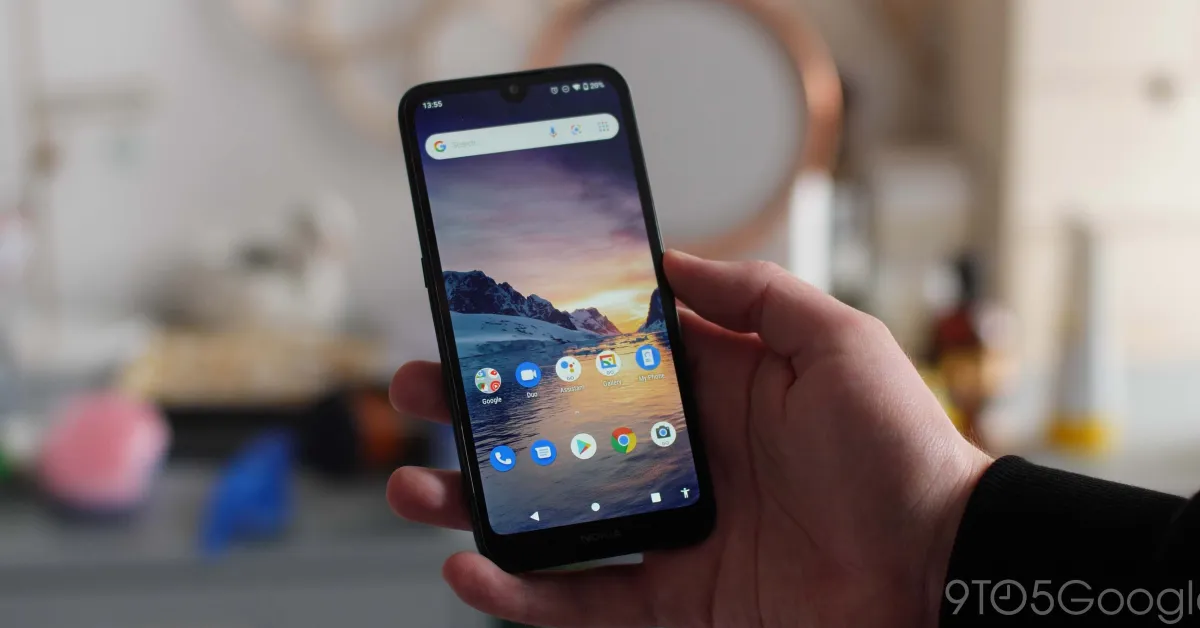
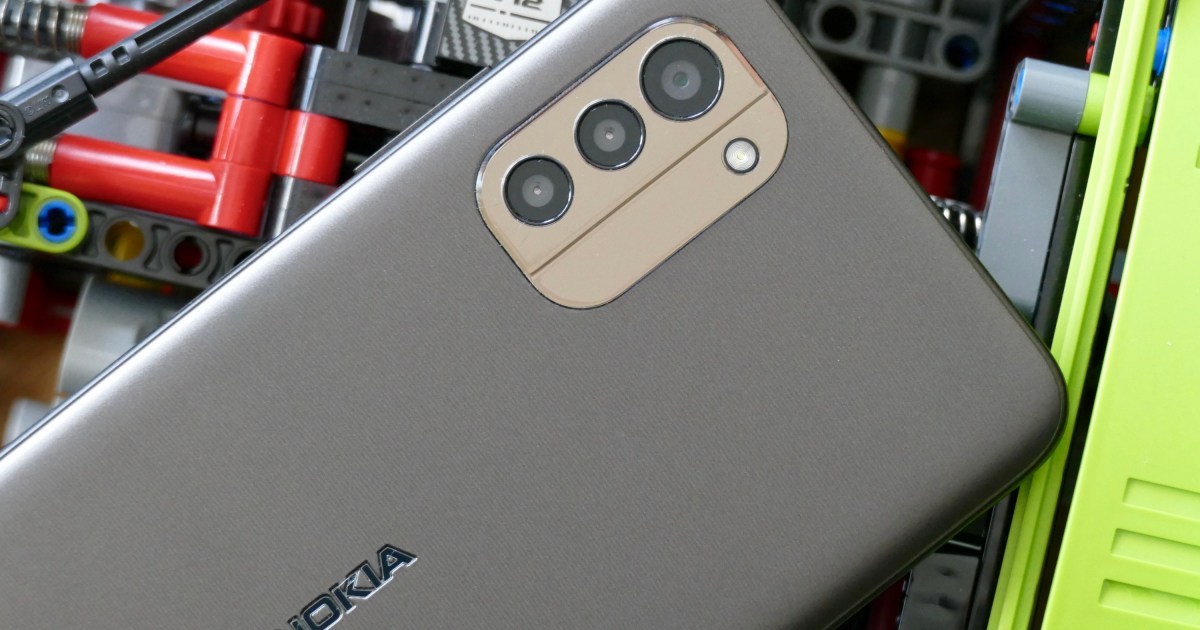
HMD, the company behind Nokia, is withdrawing from the US smartphone market due to challenging geopolitical and economic conditions, planning to scale back operations and focus on other growth areas while ensuring a smooth transition for existing customers and partners.
HMD Global is scaling back its US operations and has largely ceased selling Nokia and HMD-branded devices in the US, citing a challenging geopolitical and economic environment, while continuing to support existing products and customers globally.
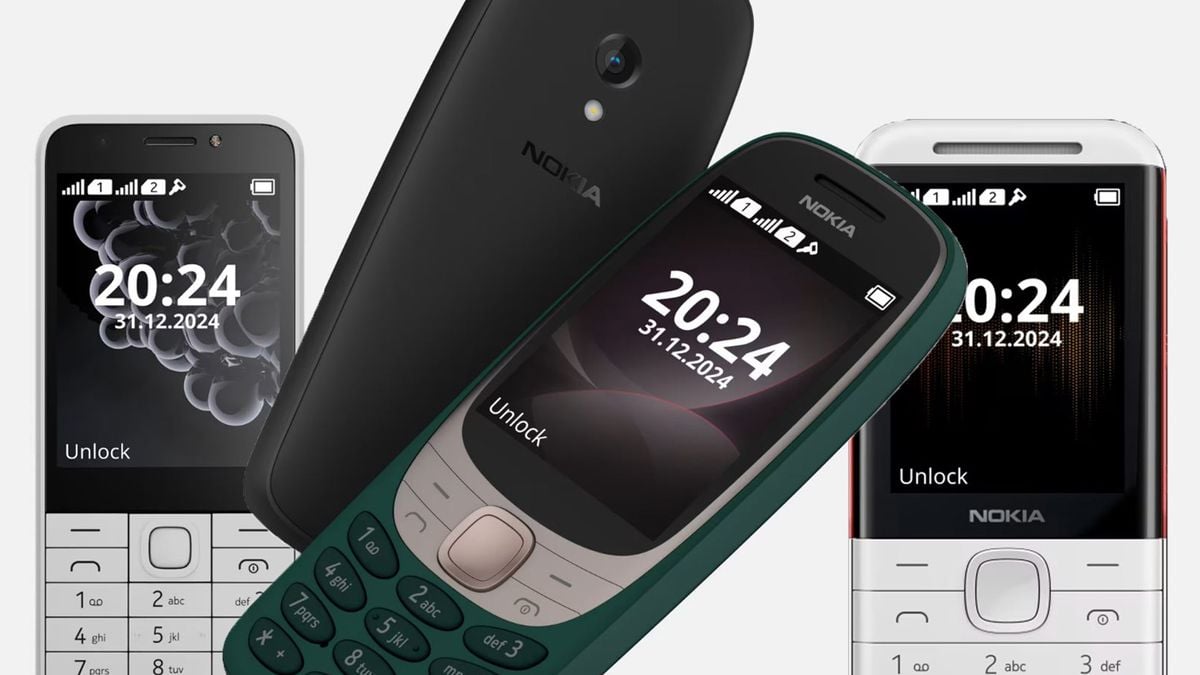
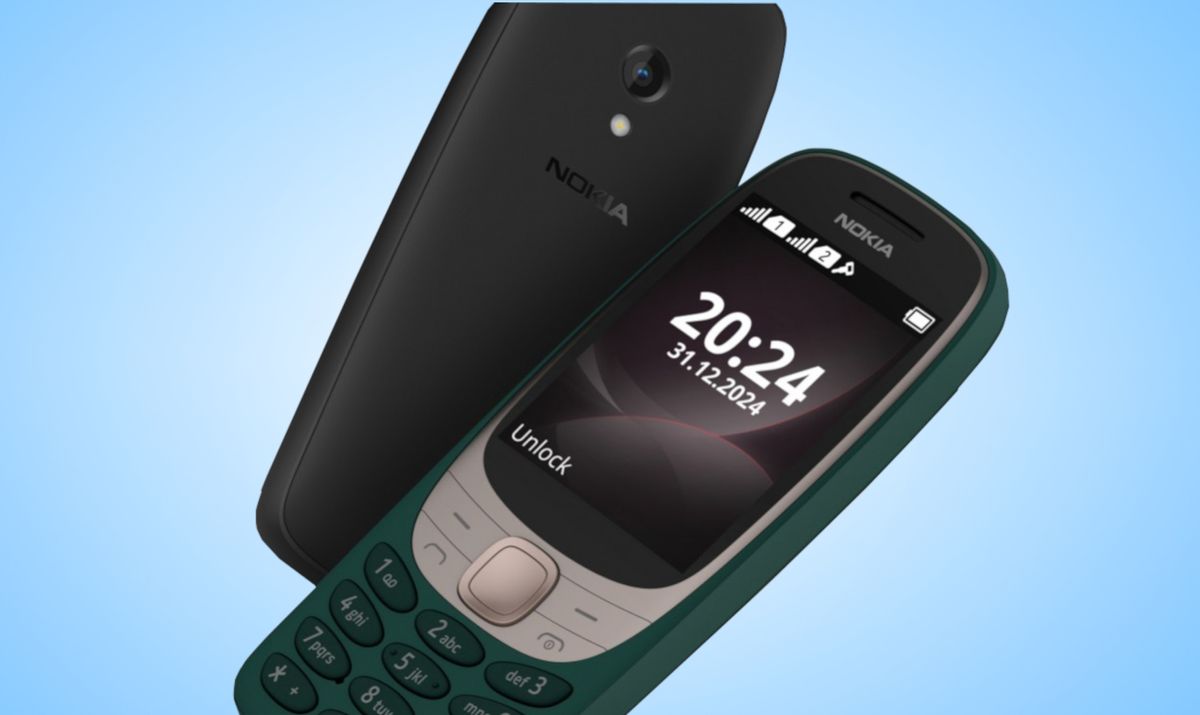
HMD Global has unveiled three new retro-inspired feature phones, the Nokia 6310 (2024), Nokia 5310 (2024), and Nokia 230 (2024), based on classic designs from the early 2000s to 2010s, featuring modern upgrades like Bluetooth 5.0 and USB-C charging. These phones offer a simpler user interface, long standby battery life, and a nostalgic design, but lack app stores, touchscreen, and access to modern features. With limited internet functionality and 2G support, they may not work on newer networks. The phones are likely to appeal to retro tech enthusiasts and those nostalgic for the originals.
HMD has unveiled three new Nokia feature phones, the Nokia 6310 (2024), 5310 (2024), and Nokia 230 (2024), which are modern versions of classic designs. These phones feature upgrades such as larger batteries, USB-C ports, and improved chipsets while retaining the nostalgic appeal of physical keypads. Despite their basic functionality and low price, they are limited to 2G connectivity. Pricing details have not been disclosed yet, but they are expected to be considerably cheaper than modern smartphones.
Rumors of Nokia's demise are false, as HMD Global plans to release more phones under the Nokia name, including an iconic device based on a best-selling model. While HMD Global is expanding its efforts with new non-Nokia mobile brands, the Nokia brand remains important, with more feature phones expected in the near future. Despite previous rumors, the Nokia brand is here to stay, although it may focus more on feature phones.
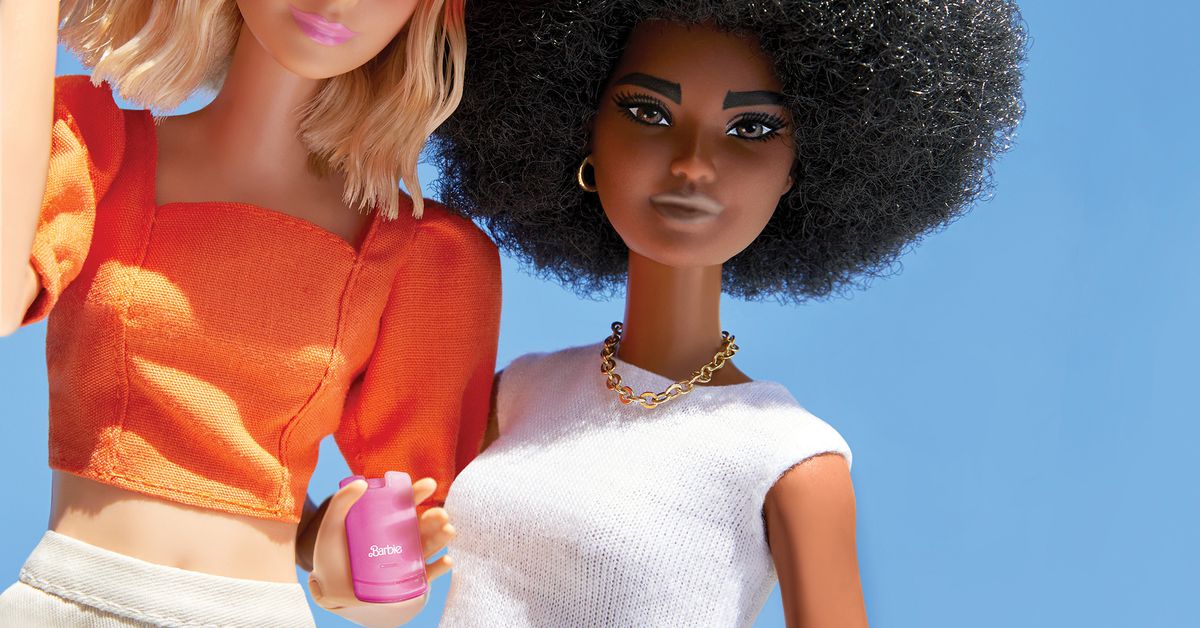
HMD Global, the company behind Nokia smartphones, has rebranded itself as "Human Mobile Devices" with a focus on producing affordable, beautiful, and repairable devices. The company plans to substantially reduce the steps required to fix a display and will reintroduce an iconic Nokia phone this summer. Additionally, HMD is partnering with Mattel to release a Barbie-inspired flip phone, offering a retro style and a digital detox experience.
HMD, known for Nokia phones, is set to release a Barbie-branded flip phone in July and an HMD-branded smartphone this summer. The company also announced plans for a new development platform called "HMD Fusion," which aims to offer a DIY smartphone-style device for tinkerers. Additionally, HMD is committed to a multi-brand strategy and plans to bring back an iconic phone this summer. The company is also focusing on repairability, with a target for half of its phones to be easily repairable and improvements in screen repairability.
Nokia has signed a multi-year 5G patent license agreement with Chinese smartphone vendor Vivo, resolving all pending patent litigation between the parties. This marks Nokia's 6th major smartphone licensing agreement in the past 13 months, following deals with Apple, Samsung, OPPO, Honor, and Huawei. The terms of the agreement remain confidential, and Nokia expects its intellectual property licensing business to generate at least 1.4 billion euros of operating profit in 2024.
HMD Global, the company behind Nokia phones, is shifting its focus towards creating original devices and new partnerships, teasing 2024 as the "year of Human Mobile Devices." The company's CMO confirmed the move towards its own distinct product line, hinting at a potential departure from the Nokia brand. While HMD will continue to provide technical support for existing Nokia products, it appears to be gearing up to introduce original HMD devices and phones from new partnerships, with a leaked rendering suggesting the first device may be a budget or mid-range offering.