The article discusses four stocks—Visa, ExxonMobil, Oracle, and Netflix—that have the potential to join the $1 trillion market cap club by 2030, highlighting Visa's steady growth, ExxonMobil's strong cash flow and potential for growth even with low oil prices, Oracle's high-risk AI infrastructure bet, and Netflix's premium valuation.
The article highlights Amazon, Netflix, and Visa as promising growth stocks to watch in 2026, emphasizing Amazon's strong earnings growth despite recent underperformance, and suggesting these stocks could outperform in the coming year due to their solid fundamentals and growth prospects.
The article highlights Amazon, Netflix, and Visa as promising growth stocks for 2026, emphasizing Amazon's undervaluation despite recent challenges, Netflix's strategic acquisitions and content investments, and Visa's resilient business model in the digital payment space, suggesting these stocks could outperform in the coming years despite market highs.
Holiday sales in the US increased by 4.2% in the first seven weeks, but the growth is slower than last year due to economic worries, inflation, and higher prices, with electronics and clothing seeing notable gains, while overall consumer spending remains cautious.
Google plans to increase PERM green card applications in 2026 for eligible employees, after pausing in 2023, with criteria including role requirements and office presence; this move aims to facilitate visa-to-green card transitions amid ongoing immigration policy uncertainties.
Visa and Mastercard will pay a total of $167.5 million to settle a class action lawsuit alleging they conspired to keep ATM access fees high, with funds distributed to affected ATM users since 2007, amid ongoing legal challenges related to ATM and debit card practices.
Visa and Mastercard will pay a total of $167.5 million to settle a class-action lawsuit alleging they conspired to keep ATM access fees high, with funds distributed to affected ATM users since 2007, amid ongoing legal challenges related to ATM and debit card practices.
Boy Throb, a unique boy band formed online, gained viral fame on TikTok with their quirky videos and pink velour tracksuits, aiming to reach 1 million followers to help their member Darshan Magdum secure a US visa, with ambitions to win a Grammy and spread joy through their music.
U.S. Homeland Security Secretary Kristi Noem has suspended the diversity visa program following the Brown University shooting, where the suspect, a green card holder granted through the lottery, was involved. The program's suspension aims to prevent further harm, amid concerns over security and the program's vetting process.
Visa has launched USDC stablecoin settlement in the U.S., allowing banks and fintechs to settle transactions faster and more efficiently using blockchain technology, marking a significant step in integrating stablecoins into mainstream financial operations.
Visa has launched a Stablecoins Advisory Practice to assist fintechs, banks, and businesses in developing and implementing stablecoin strategies, reflecting its ongoing commitment to the crypto space and expanding its stablecoin-related services and client base.
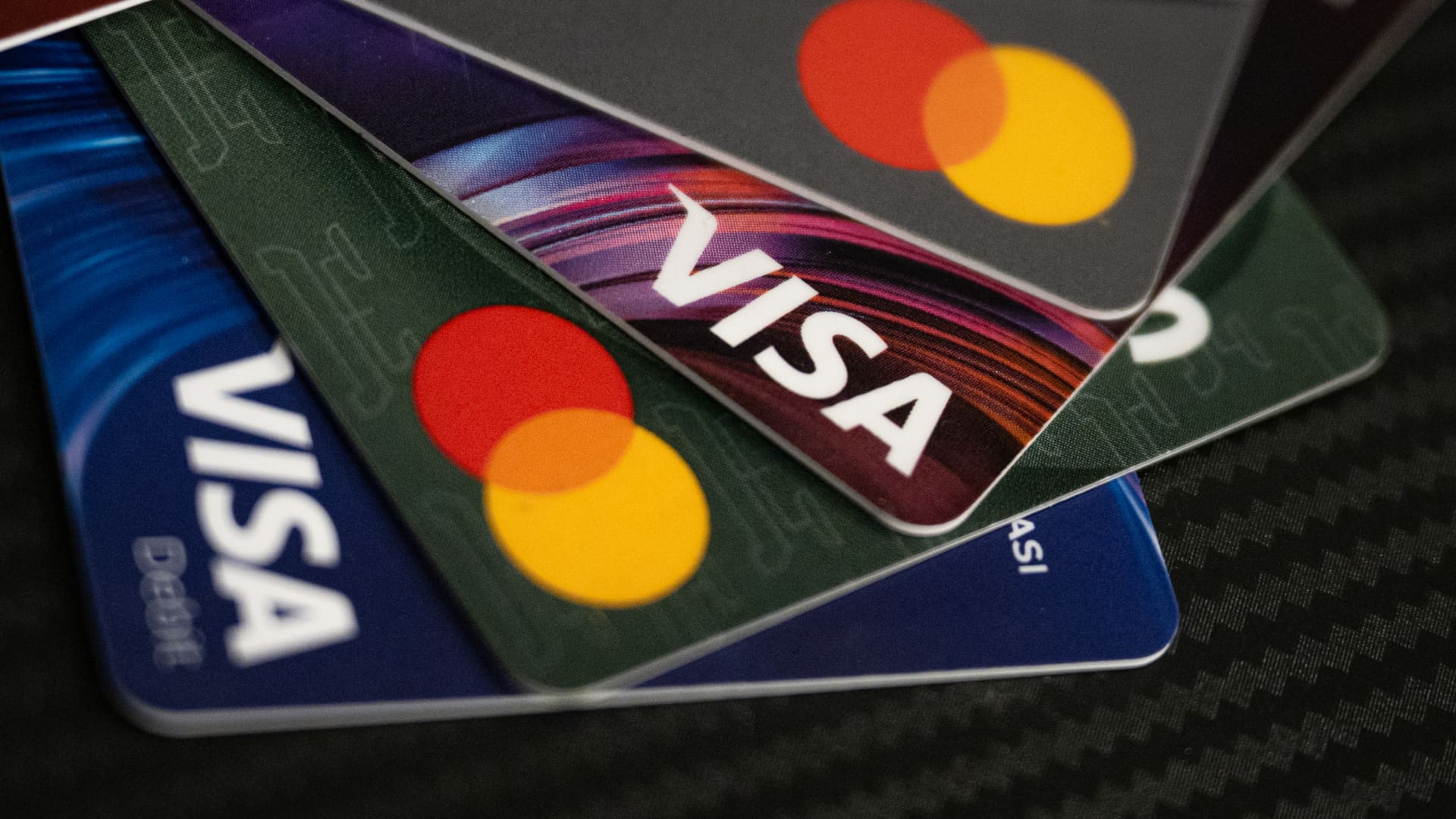
Visa and Mastercard have proposed a settlement that could allow merchants to discriminate between different tiers of their credit cards, potentially leading to declined rewards cards or surcharges for consumers, amid ongoing litigation over interchange fees. The settlement also includes temporary fee reductions but faces opposition from merchant groups who argue it doesn't go far enough to address interchange fee issues.
A proposed settlement between Visa, Mastercard, and merchants could allow merchants to discriminate against high-reward credit cards by refusing to accept higher-tier cards or passing on higher fees to consumers, potentially leading to declined transactions for rewards cardholders.
Visa and Mastercard have proposed a settlement that could allow merchants to discriminate between different tiers of their cards, potentially leading to declined high-reward credit cards or surcharges for consumers, amid ongoing litigation over interchange fees. The settlement also includes temporary fee reductions but faces opposition from merchant groups who argue it doesn't go far enough, and it does not involve American Express or debit cards.