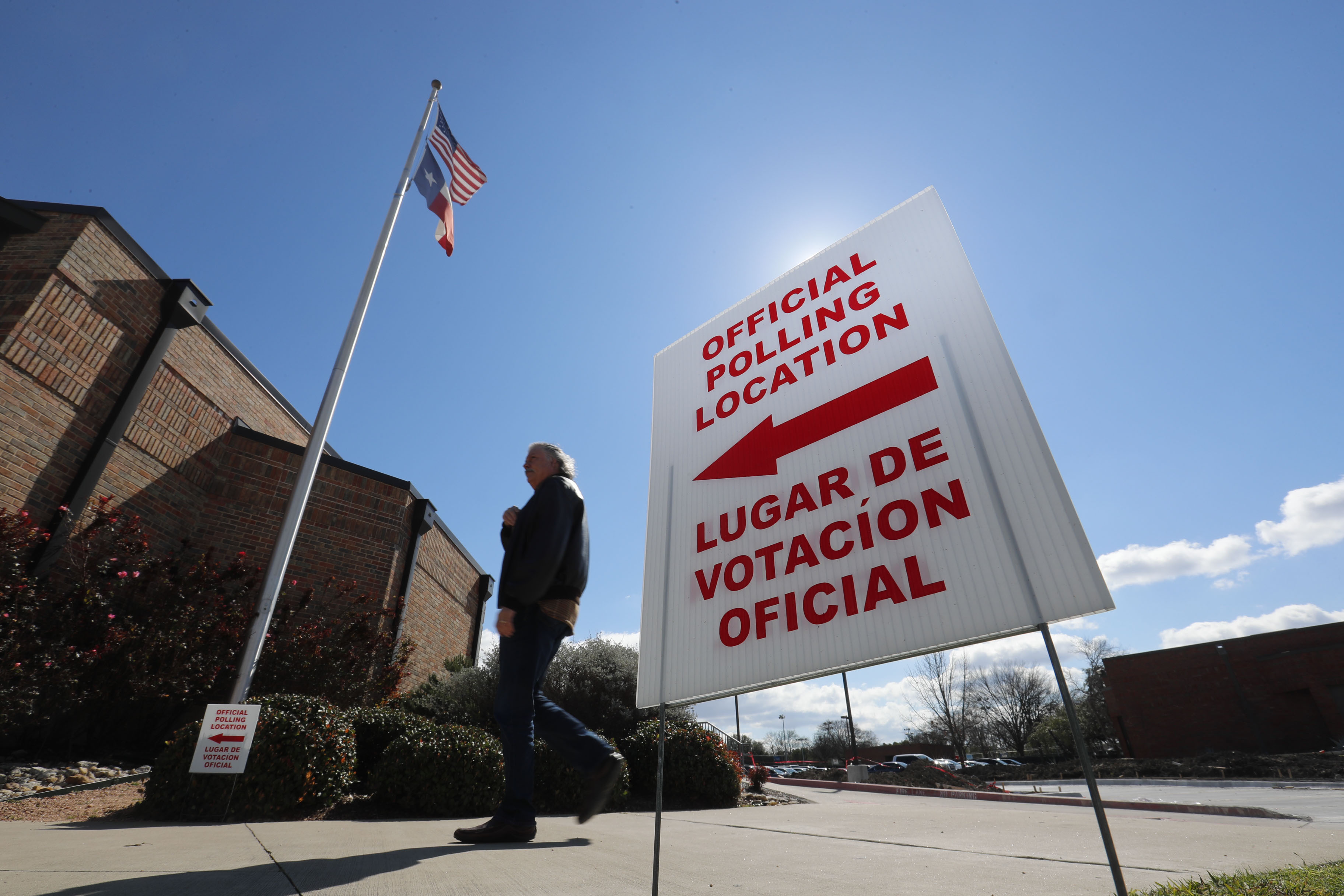
Democrats achieved surprising victories in recent elections, notably among Black, Latino, and young voters, and made significant inroads among women and men, reducing the traditional gender gap. The results also showed strong support from Latino voters and a shift in Hispanic disapproval of Trump, indicating potential realignment. However, Republicans caution against overinterpreting these off-year election results, despite Democrats highlighting gains in various states and districts.
A POLITICO poll indicates that most voters and policy influencers in California believe that ICE raids targeting undocumented immigrants are negatively impacting the state's economy, with a significant majority of Hispanic voters opposing the raids and emphasizing the economic importance of immigrants.
Texas Governor Abbott criticized Democratic opposition to new redistricting maps, claiming the maps create predominantly Hispanic Republican seats and arguing that voters should decide district representation regardless of race. He highlighted the increasing support for Republicans among Hispanic voters and warned of legal consequences for Democrats opposing the map. The approval process remains uncertain amid Democratic opposition and potential legal battles.
In the 2024 U.S. presidential election, economic concerns were pivotal, with a majority of voters perceiving the economy as "not good/poor." This sentiment favored Donald Trump over Kamala Harris, as Trump effectively communicated his economic plans to voters, particularly among Hispanic communities. Despite improvements in inflation rates, high living costs and economic dissatisfaction led to a shift in voter support, with many prioritizing economic issues over other concerns. Exit polls indicated a significant partisan divide, with Republicans more likely to view the economy negatively.
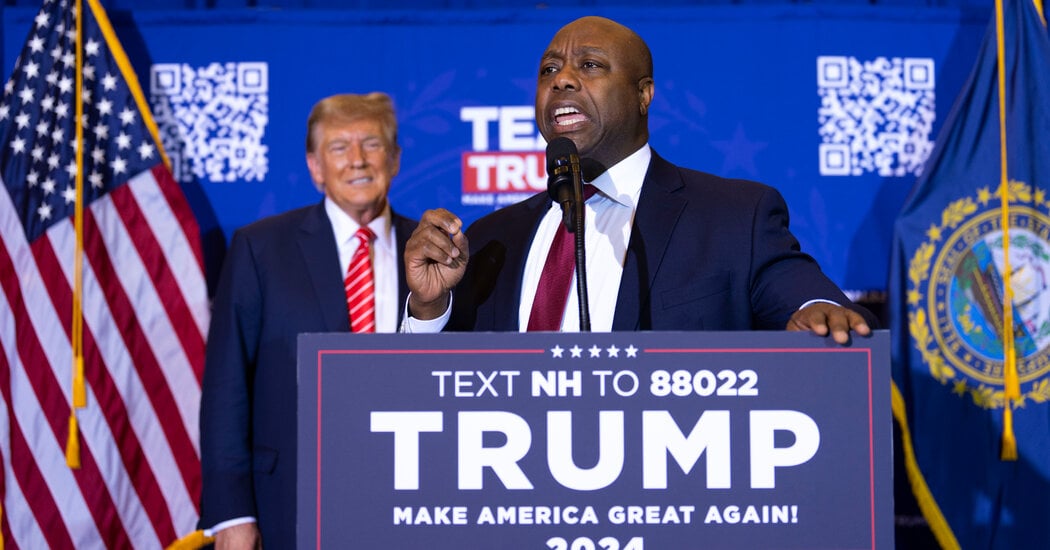
Senator Tim Scott of South Carolina is spearheading a $14 million effort through his super PAC to attract Black and Hispanic voters to the Republican Party, leveraging former President Donald Trump's felony convictions as a rallying point. Scott, a potential vice-presidential candidate for Trump, believes these convictions highlight a perceived two-tiered justice system, which could resonate with Black men. He emphasizes his legislative achievements in supporting historically Black colleges and criminal justice reform as key factors in his appeal to minority voters.
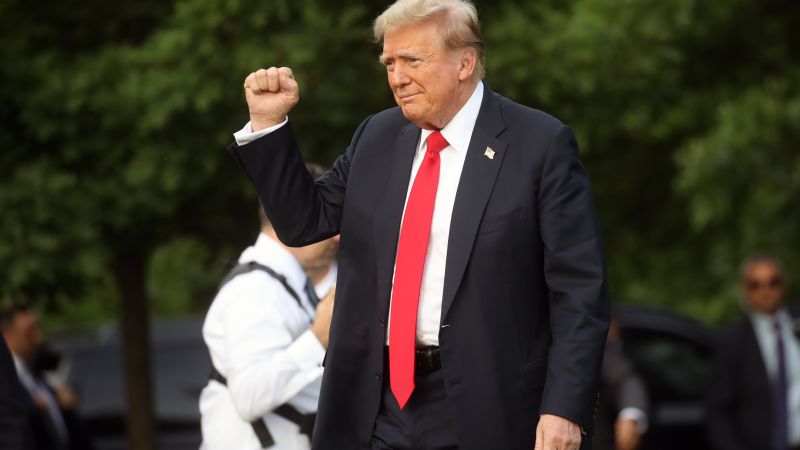
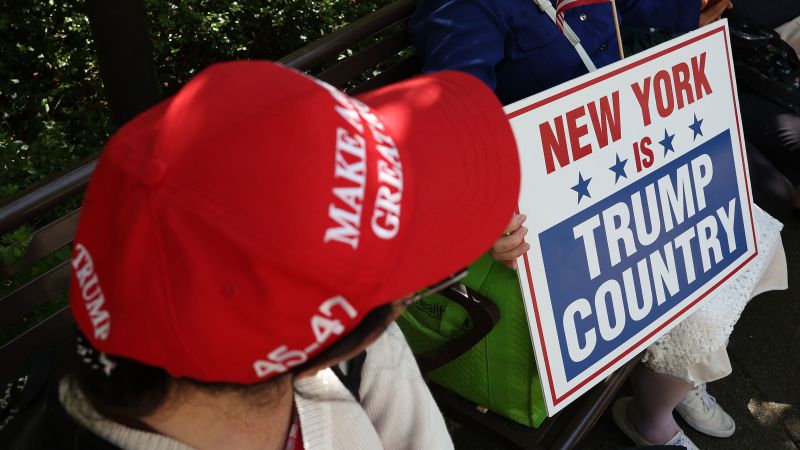
Former President Donald Trump held a rally in the Bronx to appeal to Black and Hispanic voters, as discussed by David Levinthal, editor-in-chief of Raw Story, on CNN.
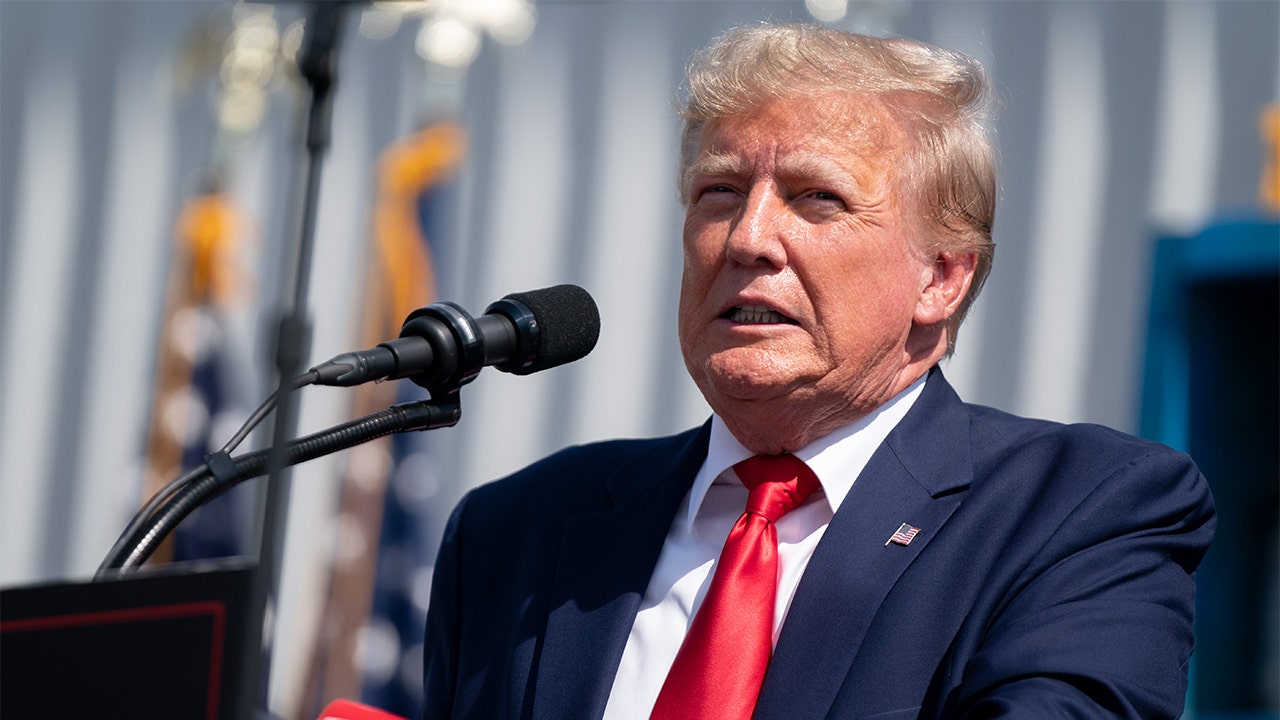
Former President Donald Trump held a campaign rally in the Bronx, aiming to gain support from Hispanic and Black voters ahead of the November election. The rally comes just days before closing arguments in his New York criminal trial. Trump criticized President Biden's policies, claiming they negatively impact minority communities. Despite the Bronx being a Democratic stronghold, Trump believes he has a chance to win New York. His campaign's outreach to minority voters is part of a broader strategy, as recent polls show Biden's support among these groups has decreased.
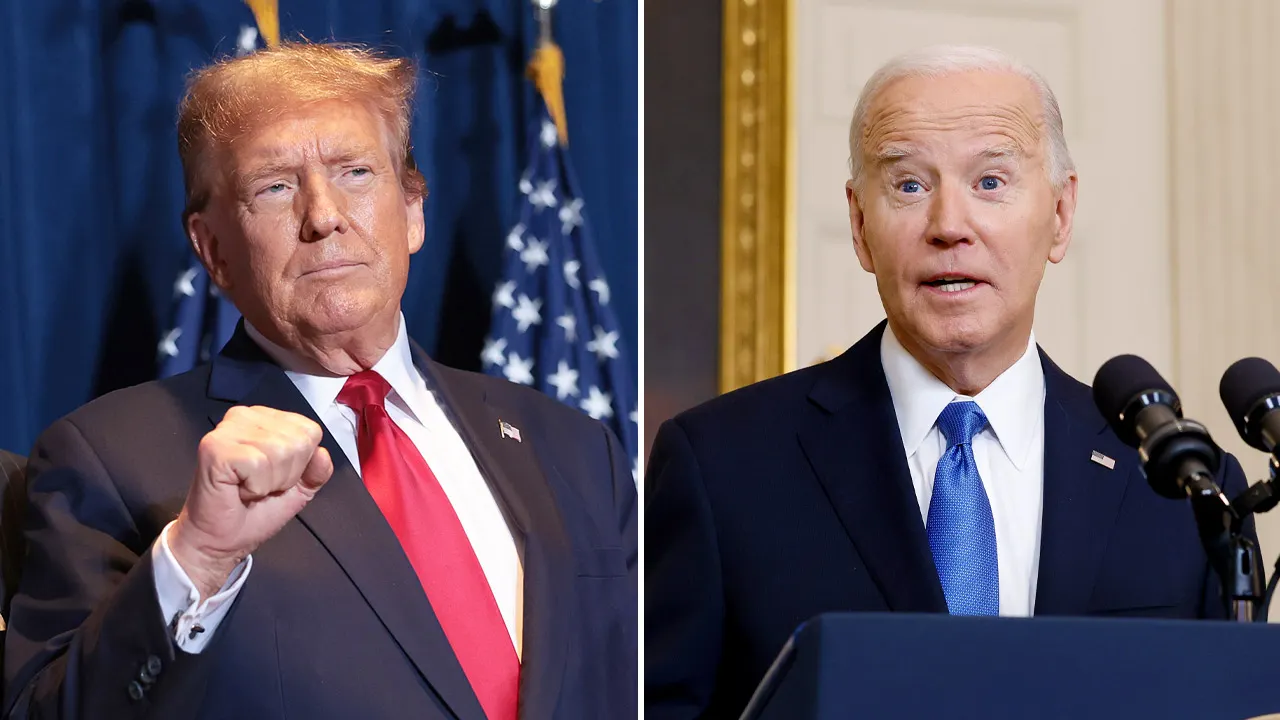
A recent New York Times/Siena College poll shows that former President Donald Trump holds a six-point lead over President Biden among Hispanic voters, with 46% of Hispanics indicating they would vote for Trump compared to 40% for Biden. The poll also indicates that Trump leads Biden among all registered voters, with 48% supporting Trump and 43% supporting Biden. This data aligns with other recent surveys showing Trump gaining support among Hispanics and Biden losing support in this key voting bloc. The polling data comes as Biden continues to grapple with the ongoing crisis at the southern border, with nearly 7.3 million migrants having illegally crossed the border under his watch.
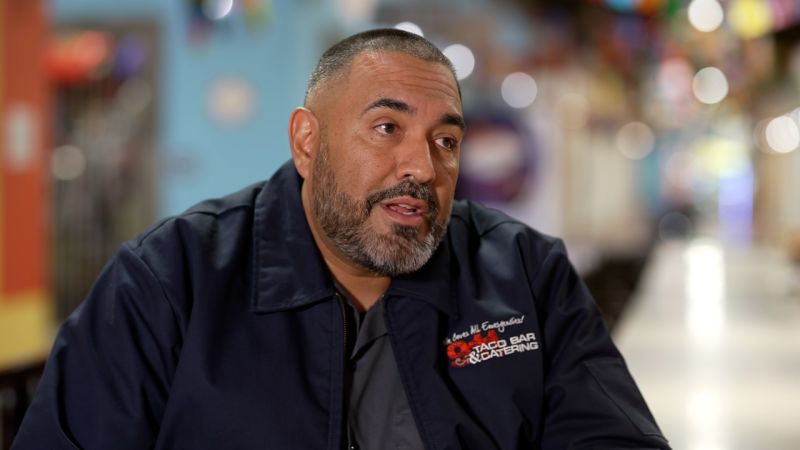
The growing political power of Hispanic voters in Nevada could offer hope to the GOP in the 2024 election. Hispanics now make up 30% of Nevada's population, and there is evidence of modest Republican inroads with Hispanic voters in recent elections. Some Hispanic voters, like Antonio Munoz, are open to supporting Republicans due to their policies on small businesses, while others, like Valeria Gurr, prioritize candidates who support school choice. However, Democrats still maintain strong support among Hispanic voters in Nevada, and the state remains a key battleground for the upcoming election.
Former President Donald Trump is gaining ground among Hispanic voters, particularly among Hispanic Republicans, according to a Univision poll. Trump maintains a strong lead among Hispanic Republicans with 50% support in the GOP primary. Despite facing federal indictments, Trump's popularity among Hispanic voters has increased by four points since leaving office. However, in a hypothetical presidential election between Trump and President Biden, 58% of Hispanics would vote for Biden. The poll also revealed that a majority of Hispanic voters, regardless of party affiliation, are concerned about the economy and believe Democrats can better address these issues. Border security remains a complex issue, with Republicans having a slight edge in trust compared to Democrats. Additionally, a separate poll by The Washington Post and ABC shows Trump leading Biden by 10 points among voters.
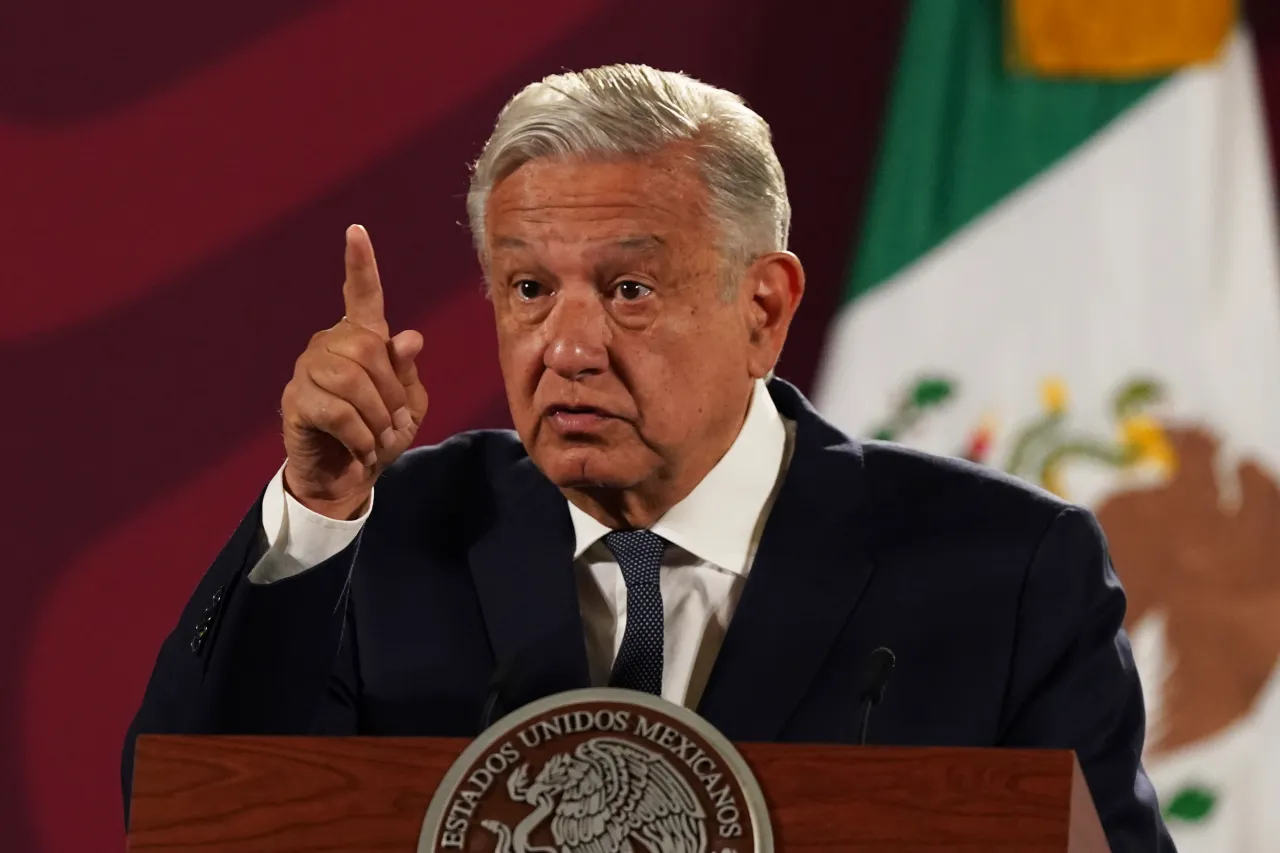
Mexican President Andrés Manuel López Obrador urged Hispanic voters in Florida not to vote for Governor Ron DeSantis due to his immigration policies. López Obrador criticized DeSantis for using the issue of border security and immigration for political gain, and accused him of persecuting migrants. DeSantis has increasingly focused on immigration and border security, despite Florida's distance from the U.S.-Mexico border. In the 2022 election, DeSantis won 58% of the state's Hispanic voters, a demographic that has increasingly swung towards Republicans in recent years.
President Biden's 2024 campaign website launch highlighted the difficulties of connecting with bilingual voters, with the Spanish-language version undergoing several edits. Biden's campaign faced criticism during the 2020 cycle for not devoting enough attention or resources to engaging Latinos compared to a more intense focus on white and Black voters. Some polls show the slight majority of Hispanic registered voters have a negative impression of the president, making it crucial for his reelection campaign to win them back through bilingual outreach and touting his economic policies.