Tag

Virus Research

All articles tagged with #virus research

health1 year ago

Single Mutation Could Make Bird Flu a Human Threat, Study Warns

A study by the Scripps Research Institute reveals that a single mutation in the H5N1 bird flu virus could enable it to bind to human cell receptors, raising concerns about potential human transmission. Although this mutation has not been detected, the research highlights the need for vigilant surveillance and pandemic preparedness. The study underscores the complexity of viral mutations and the importance of understanding the factors that could lead to a more virulent strain capable of human-to-human transmission.

health1 year ago

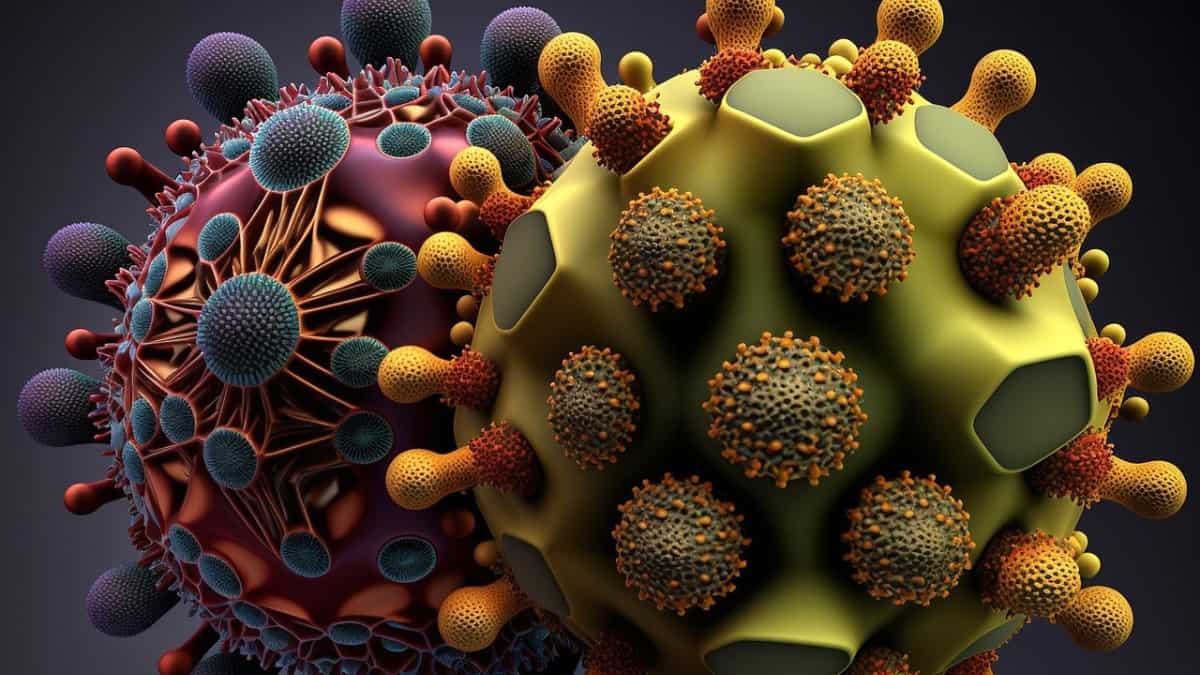
Chinese Scientists Engineer Deadly 3-Day Mutant Ebola Virus

Scientists at China's Hebei Medical University have engineered a virus using parts of the Ebola virus to study its symptoms, raising concerns as the pathogen could potentially kill in three days. The study, published in Science Direct, aimed to replicate Ebola symptoms in a controlled environment to facilitate prevention strategies. The genetically modified virus caused severe systemic illnesses in lab hamsters, including multi-organ failure and vision issues. The research was conducted under approved animal experiment protocols and used a different virus to transport Ebola glycoprotein, allowing the study under less stringent biosafety conditions.

global-health-security1 year ago

"Concerns Rise as China Conducts Experiments on Mutant Covid Strains"

Chinese scientists have cloned and mutated a Covid-like virus found in a pangolin to infect 'humanized' mice, sparking controversy. Similar research is also taking place in the UK and other countries, aiming to understand Covid variants and develop a universal vaccine. The G2P2-UK Consortium in the UK is leading this research, using 'reverse genetics' to study mutations and their impact on virus characteristics. While safety protocols are in place, concerns about lab accidents and the need for updated regulations persist. Despite risks, scientists argue that such research is crucial for improving preparedness against future biological threats.

science-and-research1 year ago

"Exploring the Eerie Ties Between NIH Virus Lab in Montana and Wuhan: US Scientists Inject Pigs and Monkeys"

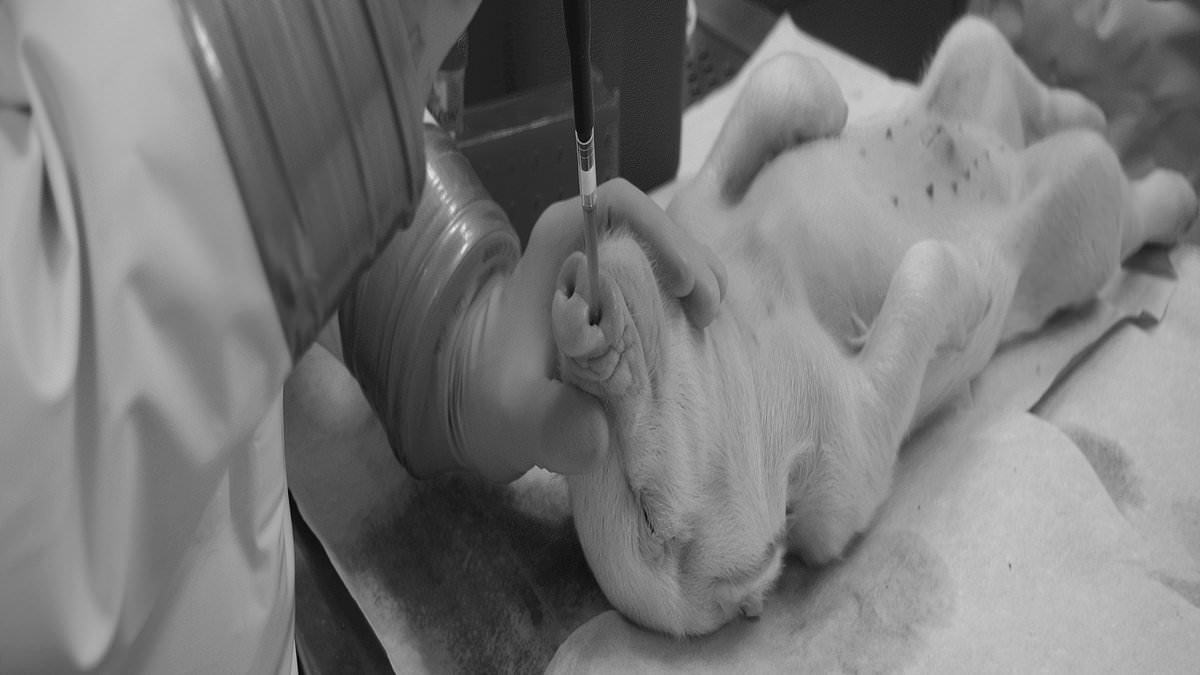
Exclusive footage and documents obtained by DailyMail.com reveal controversial virus research and animal experiments at the National Institutes of Health's Rocky Mountain Lab in Montana, including injecting pigs with Ebola and infecting monkeys with Covid-19. The lab has been under scrutiny for its ties to the Wuhan Institute of Virology and its experiments with SARS-like viruses prior to the Covid pandemic. Republican senators have demanded more transparency and oversight of the lab's research, while the White Coat Waste Project has raised concerns about the ethical and safety implications of the experiments.

health-research2 years ago

China Reportedly Experimenting with Highly Lethal Covid-Like Virus

Chinese researchers have reportedly created a lab-made virus, GX_P2V, with a 100% mortality rate in mice, causing severe symptoms and spreading to critical organs. The study raises concerns about the potential risk to human health, prompting a call for further investigation into the virus's behavior and implications. Researchers plan to conduct additional tests using a live version of the virus to better understand its threat.

health2 years ago

"Chinese Scientists on the Hunt for the Next Human Viral Threat"

Chinese scientists are conducting proactive research to identify potential viral threats to humans by studying animal sources of infectious diseases. They have identified over 500 viruses, some of which are related to pathogens that cause diseases in humans or domestic animals. The goal is to provide early warnings of future infectious diseases and prevent the next pandemic. Understanding the behavior and evolution of viruses in nature is crucial in predicting and preventing outbreaks. The researchers emphasize the need for proactive prevention and control measures rather than reacting after an infectious disease emerges.

health2 years ago

US Halts Controversial $125m Virus Hunting Program Amid Safety Concerns

The Biden administration has halted funding for a $125 million research program called DEEP VZN, which aimed to discover and catalogue thousands of exotic pathogens from around the world. The program, led by researchers from Washington State University, sought to collect nearly half a million biological specimens from wildlife and isolate at least 12,000 novel viruses for further study. The decision to terminate the program was made due to concerns about the risk of accidental outbreaks and opposition from lawmakers, scientists, and public health experts. While DEEP VZN has been shut down, the U.S. Agency for International Development is expanding other initiatives to respond to emerging diseases in over 50 countries.

health2 years ago

"Breakthrough: Human Gene Shields Against Bird Flu Viruses"

Scientists from the MRC-University of Glasgow Centre for Virus Research have identified a human gene, BTN3A3, that can block the replication of most strains of bird flu in human cells. The gene is part of the human immune system's defense against bird viruses and appears to be a key factor in determining whether a bird flu strain has the potential to cause a human pandemic. However, viruses can mutate, so it is not certain that bird flu viruses could not evolve to escape the gene's activity. About 50% of H5N1 strains circulating globally in 2023 are already resistant to BTN3A3, raising concerns about an elevated level of risk.