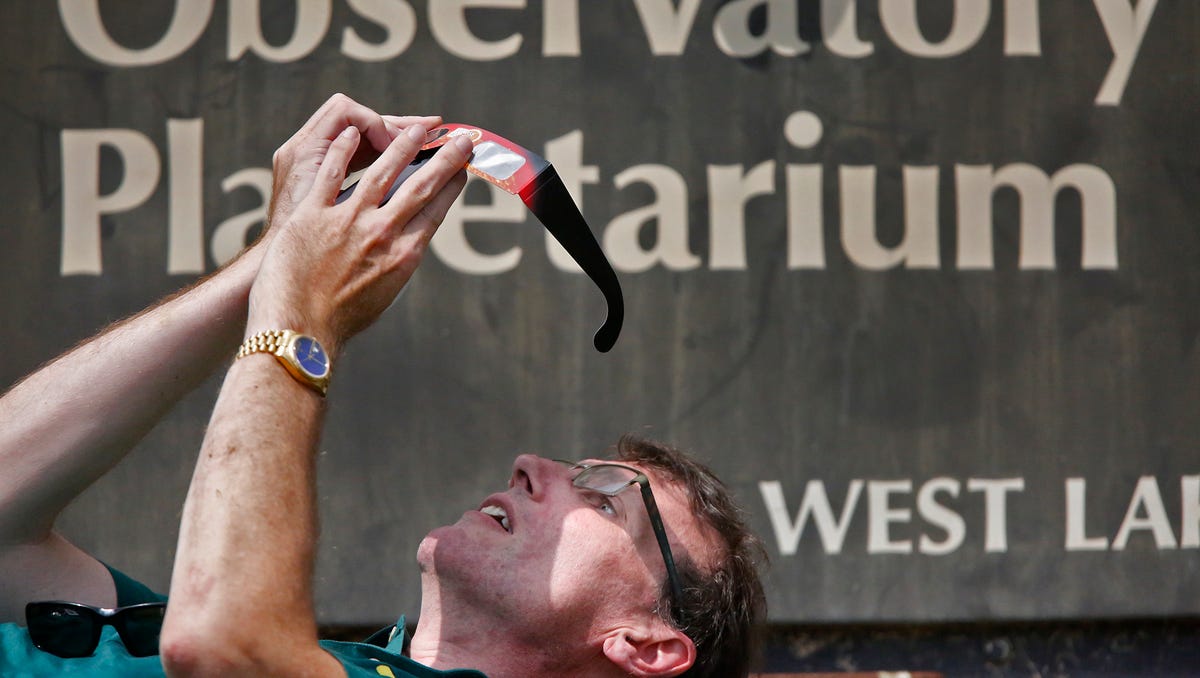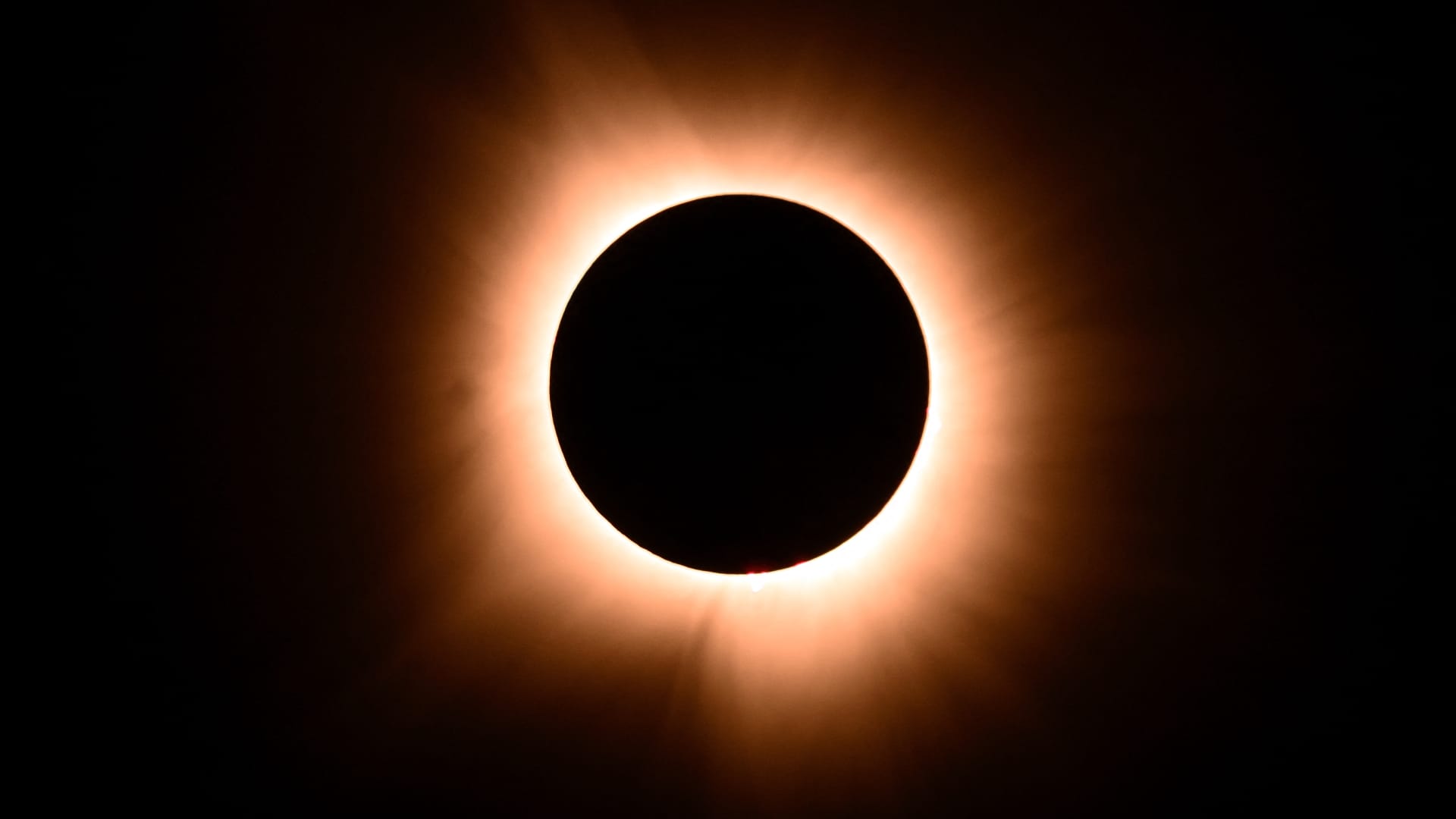
Millions of Americans are positioning themselves in the path of totality to witness a total solar eclipse crossing the United States, with towns preparing for an influx of visitors and offering eclipse-themed activities and merchandise. The next eclipse of this magnitude in the U.S. is expected on Aug. 23, 2044, and people across North America are gathering to experience this celestial event, from Niagara Falls, Ontario, to Mazatlan, Mexico.
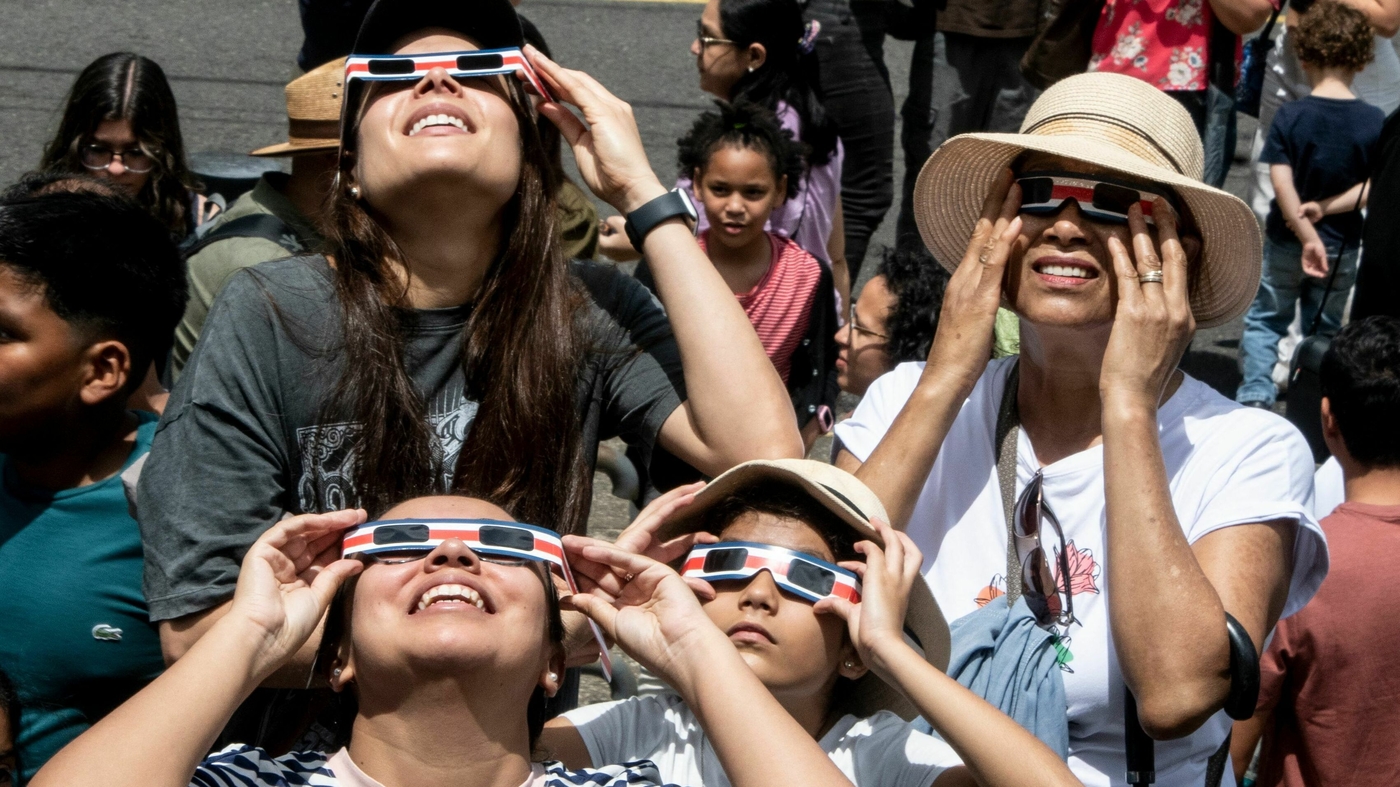
NPR is asking people across North America to submit voice memos describing where they plan to view the upcoming total solar eclipse on April 8, along with ambient sound recordings, for a potential feature story on the experience of viewing the eclipse.
Experts recommend wearing shades of red and green to enhance the viewing experience of the April 8 solar eclipse, as the human eye becomes more sensitive to cooler colors during low light, known as the Purkinje Effect. These colors will appear more vibrant as the eclipse nears totality, while warmer colors like red and orange will lose vibrancy. It's advised to avoid neutral colors like black, white, gray, and brown, as they may blend into the eclipse's shadow and miss out on the color transformation.
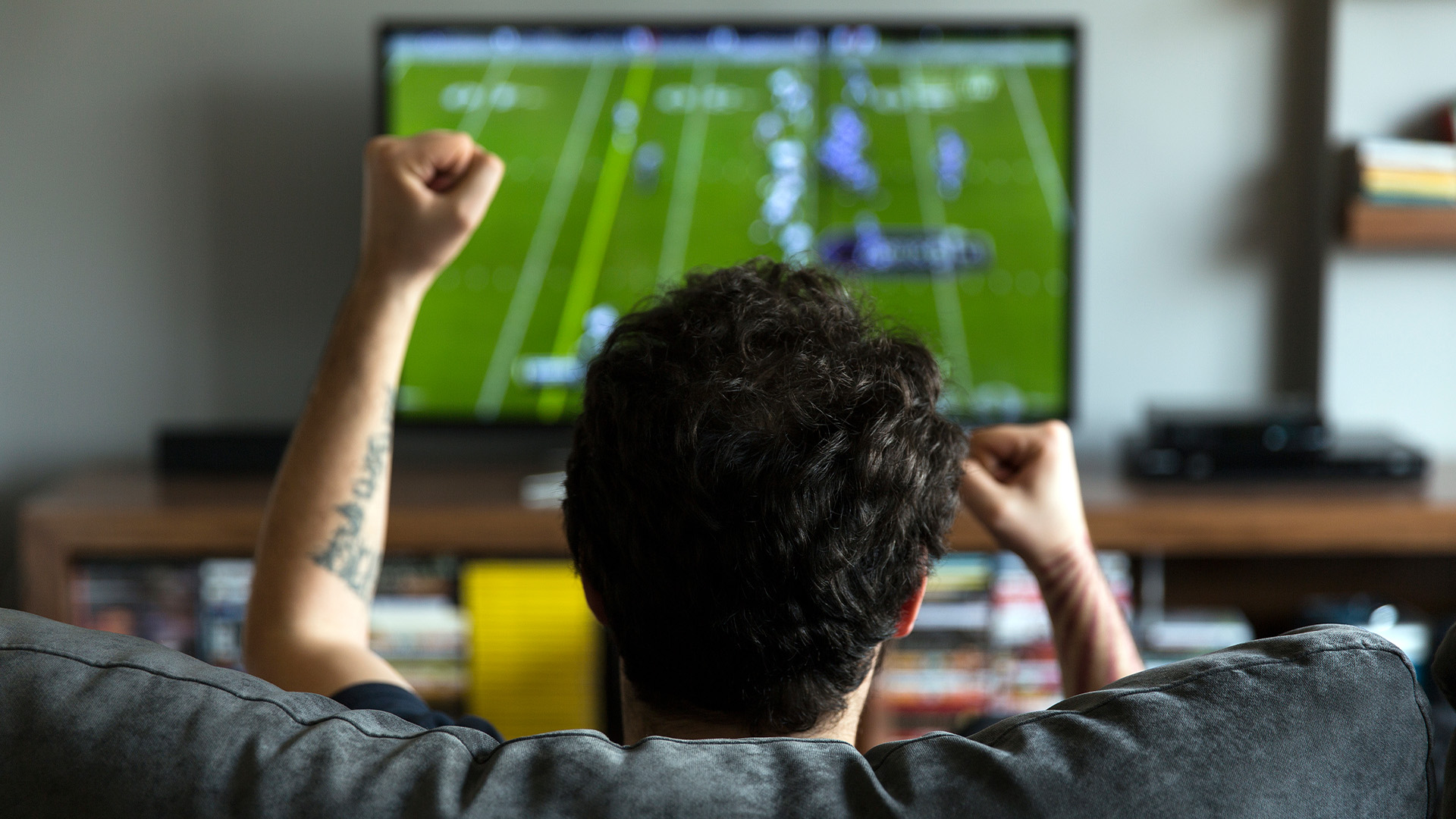
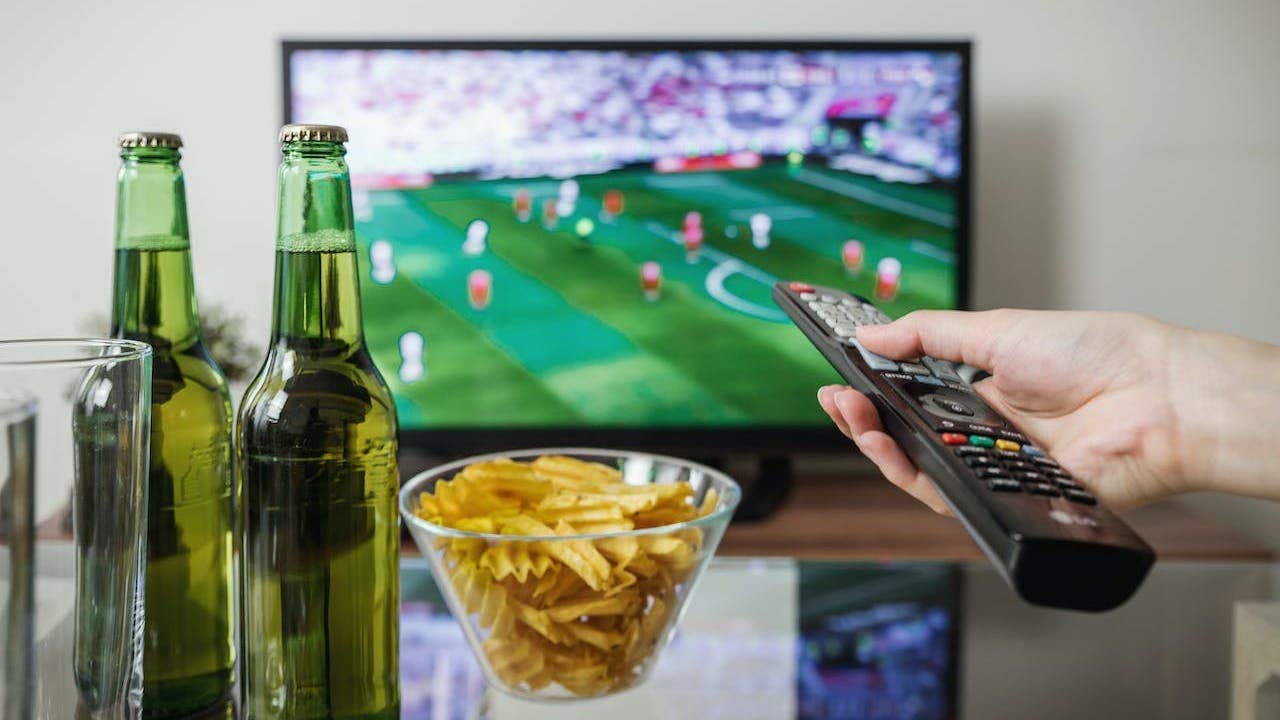
Experts advise against using sports mode for watching the Super Bowl, recommending Natural, Cinema, or Filmmaker modes instead. They also suggest adjusting audio settings to enhance announcers and decrease crowd noise, and utilizing auto-enhance features for the best viewing experience. In the US, the game will air on CBS and Nickelodeon, while in the UK, it will be broadcast live on Sky Sports and ITV.
With the Super Bowl approaching, it's time to enhance your TV setup for the best viewing experience. Tips include checking your internet connection, adjusting sound and picture settings, and considering an upgrade for a larger screen with high resolution, good sound quality, and smart features. Tech journalist Kurt "CyberGuy" Knutsson provides detailed advice on optimizing your TV for game day, ensuring an immersive and enjoyable Super Bowl viewing experience.
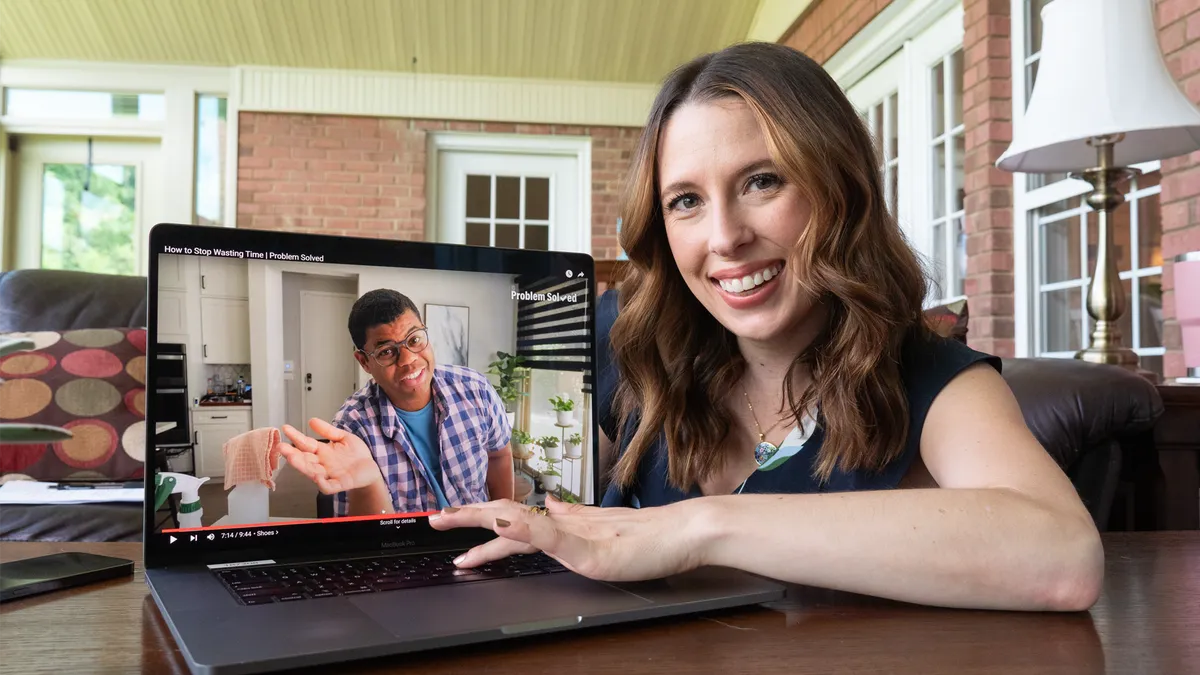
YouTube offers a range of keyboard shortcuts and hidden features to enhance video viewing, including precise navigation, playback control, audio and captions management, and optimization for viewing. These shortcuts allow users to navigate through videos with ease, control playback, adjust volume, and optimize their viewing experience. Additionally, tech recommendations for gaming consoles, chargers, keyboards, controllers, laptops, VR headsets, TVs, streaming devices, gaming headsets, and monitors are provided.
YouTube's battle against ad blockers has resulted in a "sub-optimal" viewing experience for users, as the platform's efforts to combat ad-blocking software have led to a decline in the quality of advertisements and an increase in the frequency of ads. Users have reported encountering repetitive and irrelevant ads, negatively impacting their overall viewing experience on the platform.
Netflix has added support for frame rate matching on Google TV and Android TV, allowing the TV to match the frame rate of the content being viewed for a better viewing experience. This feature, introduced in Android TV OS 12, reduces "jutter" in the content and is currently supported by Netflix, making it one of the few major streaming apps to offer frame rate matching on Android TV OS.
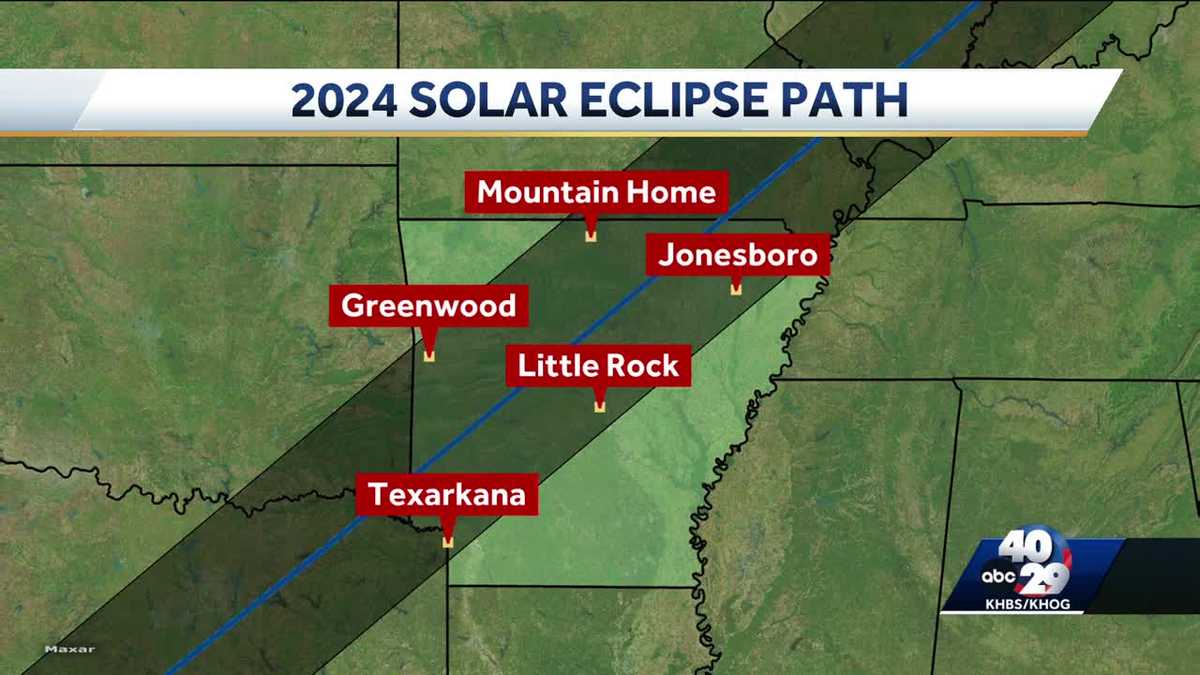
NASA scientist Jennifer Wiseman discusses the path of the 2024 total solar eclipse in Arkansas and addresses concerns about weather conditions. Wiseman assures that even if the weather is unfavorable, viewers can still watch the eclipse online. She emphasizes the unique experience of witnessing the phenomenon, with the sky darkening and the surroundings becoming silent. Proper eyewear is still necessary for observing the eclipse.