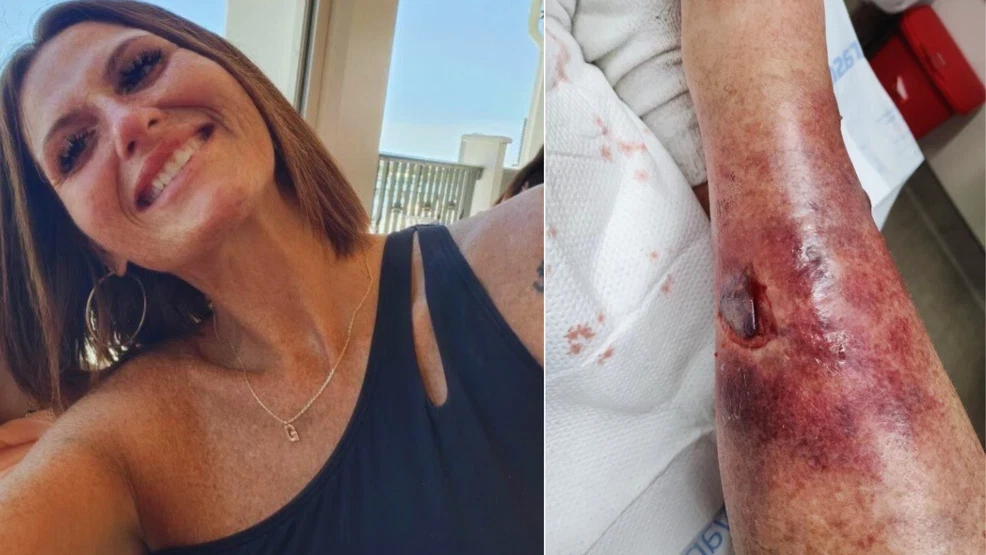
A Pensacola mother warns about the dangers of vibrio vulnificus, a flesh-eating bacteria in local waters, after nearly losing her leg from infection. She advocates for better signage and routine water testing to prevent others from suffering similar injuries, highlighting the current lack of testing and public awareness despite the low infection rates.

Genevieve Gallagher contracted vibrio, a flesh-eating bacteria, after swimming in Santa Rosa Sound at Pensacola Beach, leading to severe infections and multiple surgeries to save her leg, highlighting the dangers of such infections from water activities.
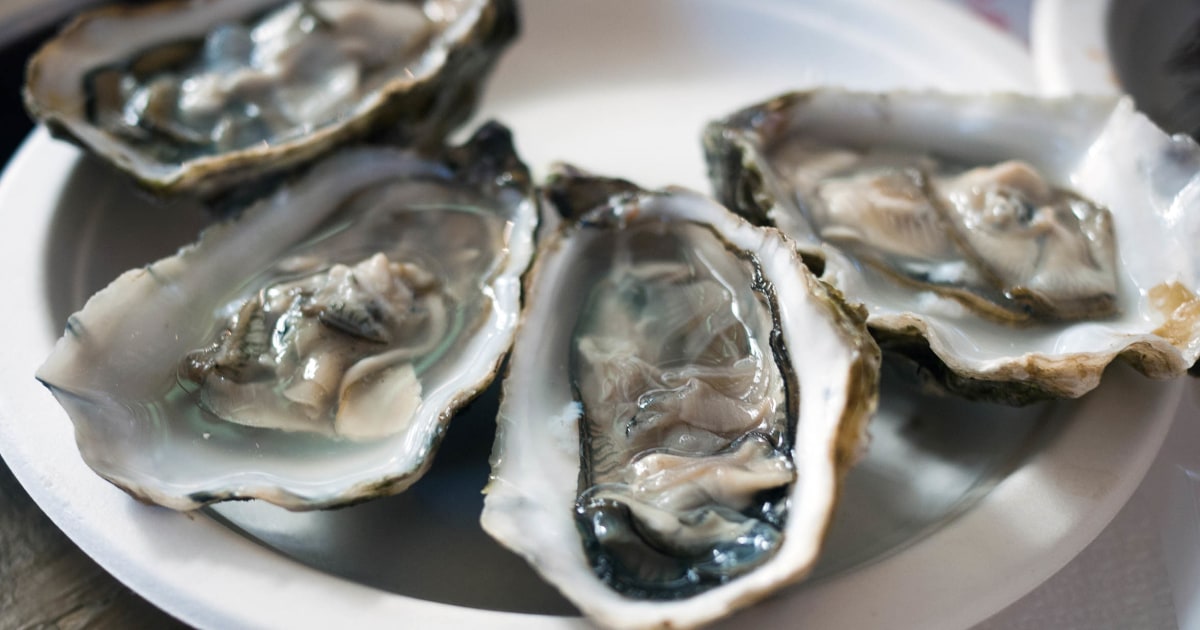
Two more deaths and an increase in Vibrio vulnificus infections in Louisiana highlight the rising danger of consuming tainted oysters, with a record number of cases this year, prompting health officials to urge caution.
Dare County reports two cases of Vibrio vulnificus infections linked to swimming in Croatan Sound and issues water safety guidance to prevent recreational water-related illnesses, emphasizing hygiene, wound care, and avoiding contaminated water, especially after heavy rains.
The mystery surrounding the illness of a San Jose woman who underwent quadruple amputation after eating tilapia fish deepens as public health officials confirm that she was not sickened by Vibrio. The Santa Clara County Public Health Department is actively investigating to identify the cause of her illness, as several different diseases can lead to similar clinical outcomes. A GoFundMe page has raised over $111,000 for the woman's medical expenses, and she is currently healing well in the hospital.
Infections with a flesh-eating bacteria called Vibrio vulnificus, commonly found in warm coastal waters, have raised concerns as cases and deaths associated with the bacteria have been reported in new areas, including the Northeastern U.S. Experts believe that rising water temperatures due to climate change may be expanding the geographic range of the bacteria. Vibrio vulnificus can be contracted through exposure to saltwater or by consuming raw or undercooked shellfish, particularly oysters. Symptoms can range from mild gastrointestinal illness to severe infections, including necrotizing fasciitis and septic shock. While vibrio infections are still relatively rare, health officials advise caution and recommend avoiding contact with seawater or brackish water if you have open wounds, and cooking shellfish thoroughly to reduce the risk of infection.
Experts warn that hurricanes and warmer water temperatures are increasing the risk of waterborne infections caused by flesh-eating bacteria called Vibrio in Florida waters. The Centers for Disease Control and Prevention has issued a health alert, emphasizing the importance of avoiding contact with water if you have a wound and cleaning any injuries sustained in the water with soap and water. Raw shellfish can also pose a risk, particularly for those who are immunocompromised or have chronic liver disease. While the numbers of infections are low, following basic safety measures can help prevent the potentially deadly Vibrio infections.
Murray Bridges, the owner of Endurance Seafood Company, may have died from a Vibrio bacterial infection, according to his daughter. This comes after the recent Vibrio-related death of another resident in Dare County. Vibrio cases are rare, but three deaths have been reported in North Carolina in July 2023. The Vibrio bacteria is becoming more prevalent in Northern waters due to climate change.
Three deaths in North Carolina have been linked to vibrio infections, a bacteria found in warm seawater or brackish water. The individuals had open cuts or wounds that came into contact with saltwater. The North Carolina Department of Health and Human Services (NCDHHS) is warning about the dangers of vibrio, which is most commonly reported in the warmest months. Since 2019, eight out of 47 reported cases in North Carolina have been fatal. Symptoms of vibrio infection can include skin infections, diarrhea, stomach pain, vomiting, nausea, fever, and chills.
The combination of sargassum, vibrio bacteria, and man-made plastics in the ocean is creating a "perfect pathogen storm" that poses a threat to marine life and human health. Vibrio has evolved to attach to and thrive on plastic, and its numbers increase as it sits on the beach. People are advised to wash themselves off after coming in contact with sargassum, especially if they have open cuts.