Tag

Vhs 1256 B

All articles tagged with #vhs 1256 b

"Webb Telescope Discovers Exoplanet with Intense Dust Storms and Potential for Life"
science2 years ago

"Webb Telescope Discovers Exoplanet with Intense Dust Storms and Potential for Life"

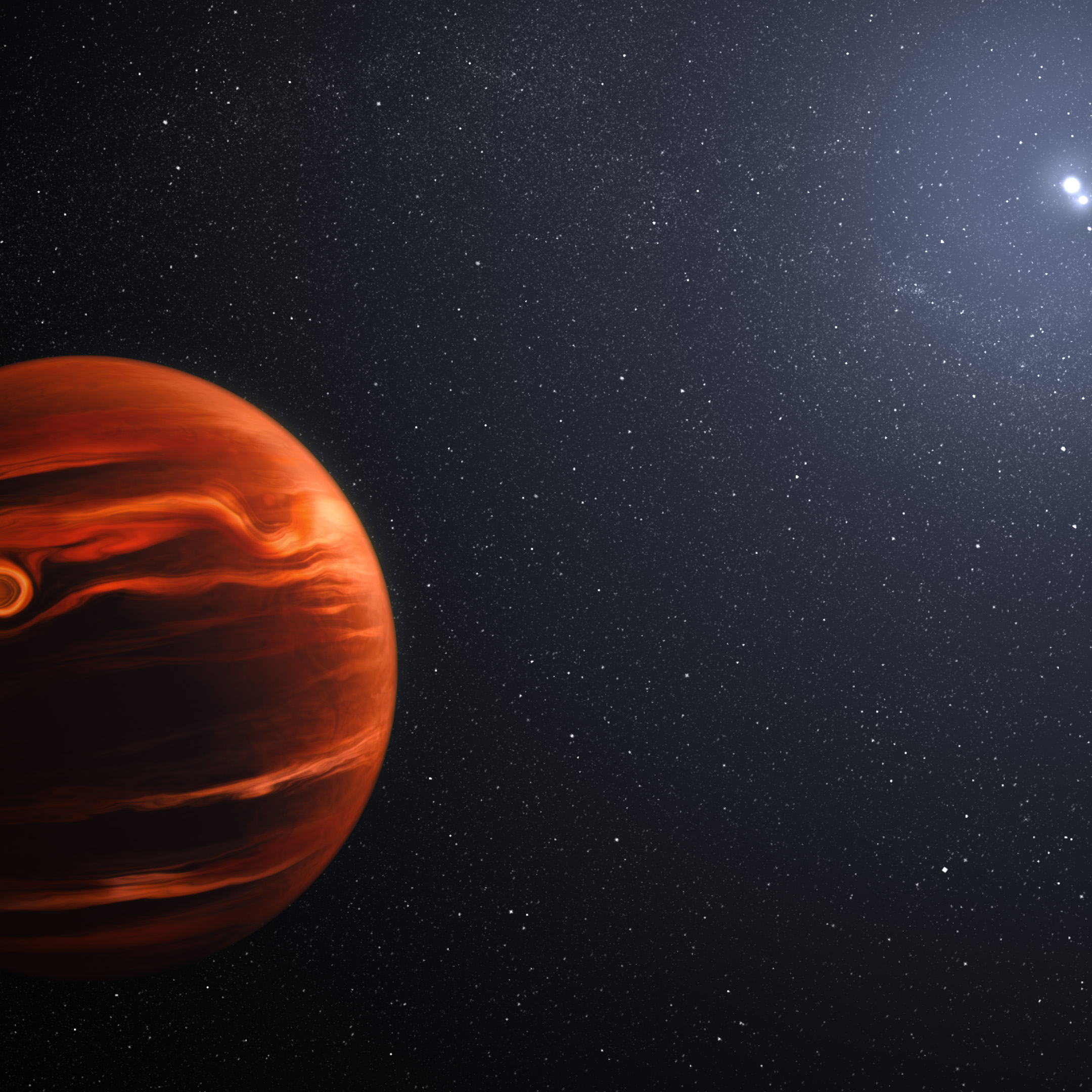
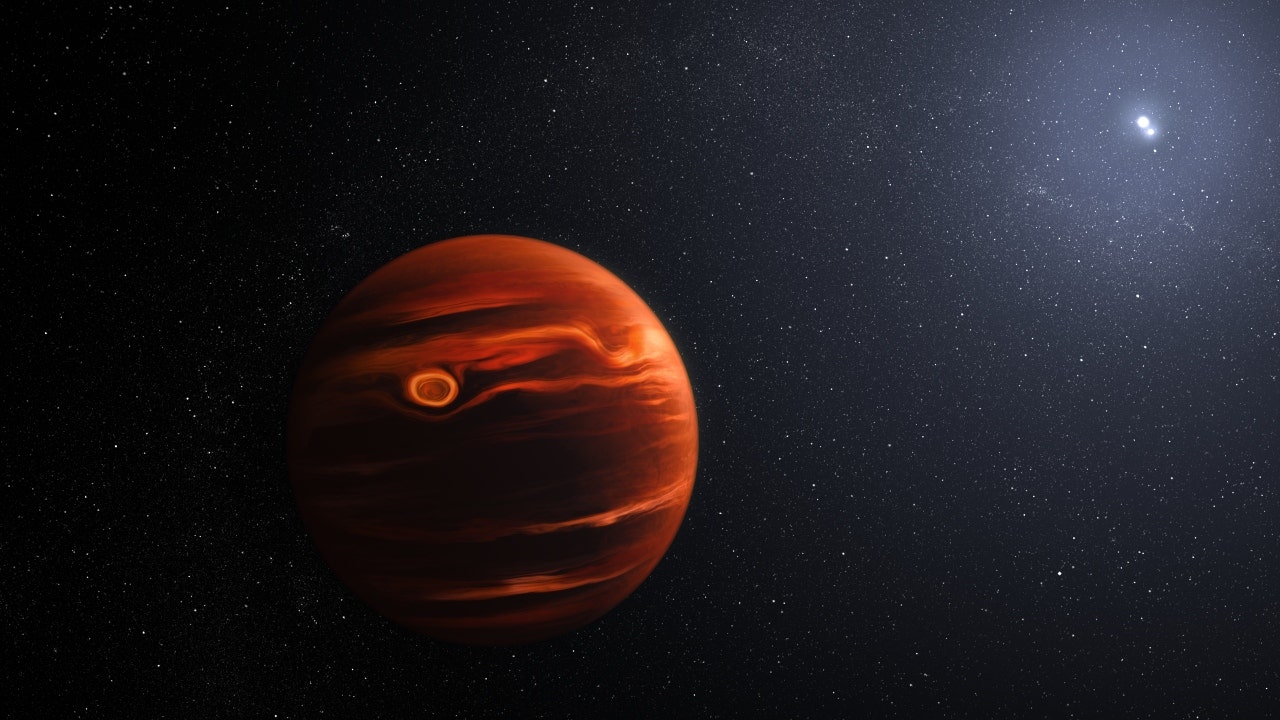
The James Webb Space Telescope has detected silicate cloud features in the atmosphere of a distant planet known as VHS 1256 b. The planet's atmosphere is constantly rising, mixing, and moving during its 22-hour day, resulting in dramatic brightness changes. The exoplanet's turbulent skies are due to its low gravity and young age. The telescope also identified the largest number of molecules all at once on a planet outside our solar system, including water, methane, carbon monoxide, and carbon dioxide. The findings were published in The Astrophysical Journal Letters.
Webb Telescope Reveals Turbulent Silicate Clouds on Exoplanet with Dual Suns
astronomy2 years ago

Webb Telescope Reveals Turbulent Silicate Clouds on Exoplanet with Dual Suns

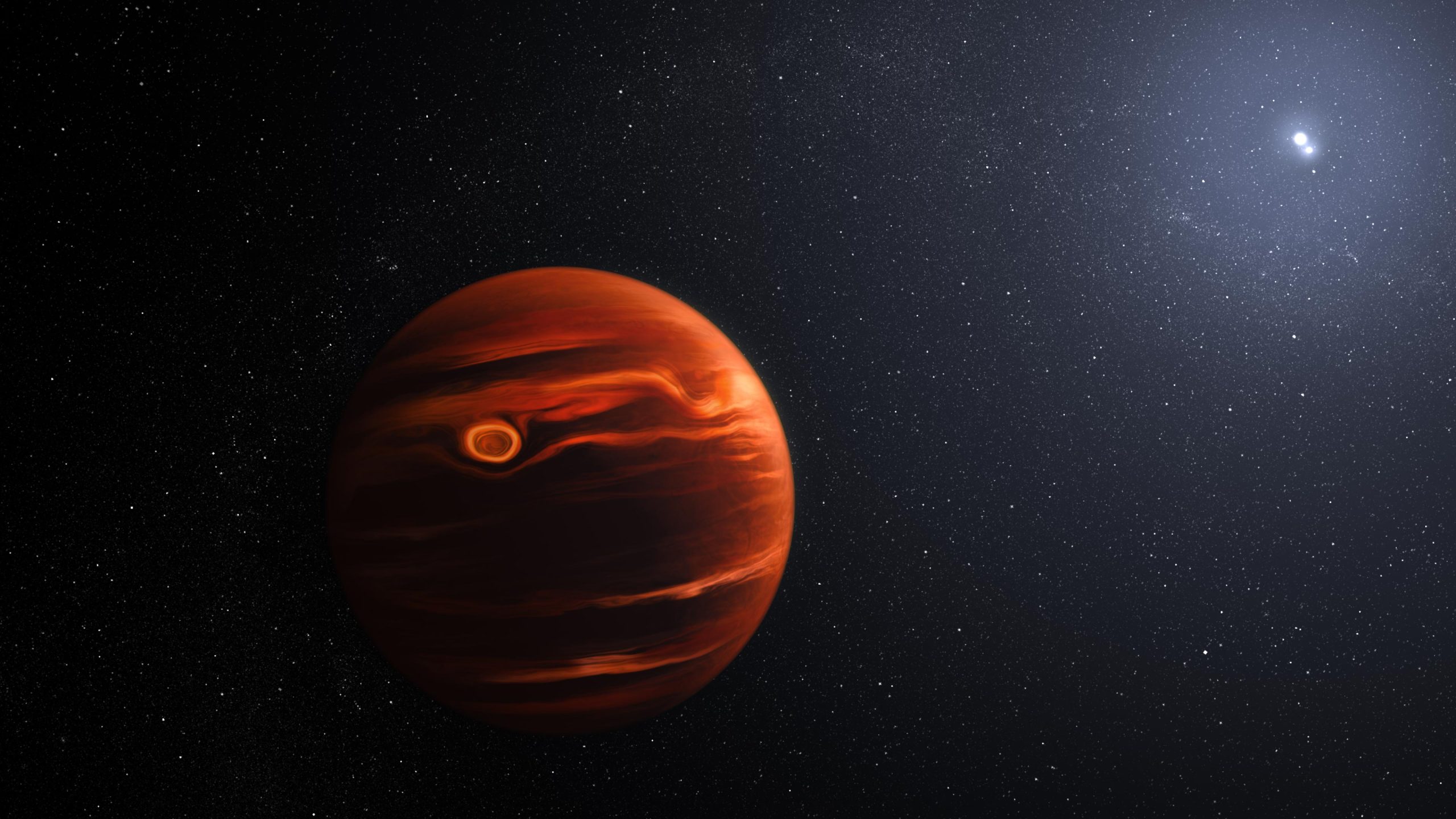
NASA's James Webb Space Telescope has detected silicate clouds in the atmosphere of exoplanet VHS 1256 b, which is about 40 light-years away and orbits two stars. The clouds are constantly rising, mixing, and moving during its 22-hour day, and contain silicate particles ranging from fine specks to small grains. The team also detected water, methane, carbon monoxide, and evidence of carbon dioxide. The planet's low gravity and young age make it an ideal target for observation. Webb's observations provide a treasure trove of data for researchers to analyze and understand the planet's dynamic cloud and weather systems.

Webb Telescope captures turbulent weather on distant exoplanet.
astronomy2 years ago

Webb Telescope captures turbulent weather on distant exoplanet.

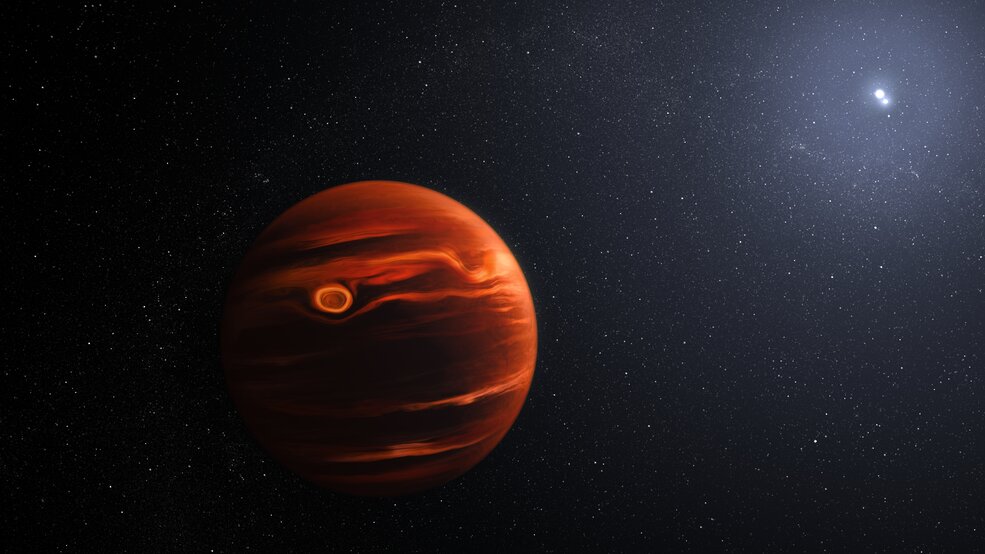
The James Webb Space Telescope has detected silicate cloud features in the atmosphere of exoplanet VHS 1256 b, which is about 40 light-years away and orbits two stars. The planet's atmosphere is constantly rising, mixing, and moving during its 22-hour day, resulting in dramatic brightness changes. The team also detected water, methane, carbon monoxide, and carbon dioxide, making it the largest number of molecules ever identified on a planet outside our solar system. The researchers used two spectrographs aboard Webb to observe the planet's near- to mid-infrared light emitted and identified silicate clouds, water, methane, and carbon monoxide.

James Webb Telescope Observes Gritty Clouds and Weather Patterns on Distant Exoplanet.
astronomy2 years ago

James Webb Telescope Observes Gritty Clouds and Weather Patterns on Distant Exoplanet.

NASA's James Webb Space Telescope has detected silicate cloud features in the atmosphere of exoplanet VHS 1256 b, which is about 40 light-years away and orbits two stars over a 10,000-year period. The planet's atmosphere is constantly rising, mixing, and moving during its 22-hour day, making it the most variable planetary-mass object known to date. The team also detected water, methane, carbon monoxide, and carbon dioxide in the planet's atmosphere, making it the largest number of molecules ever identified on a planet outside our solar system.