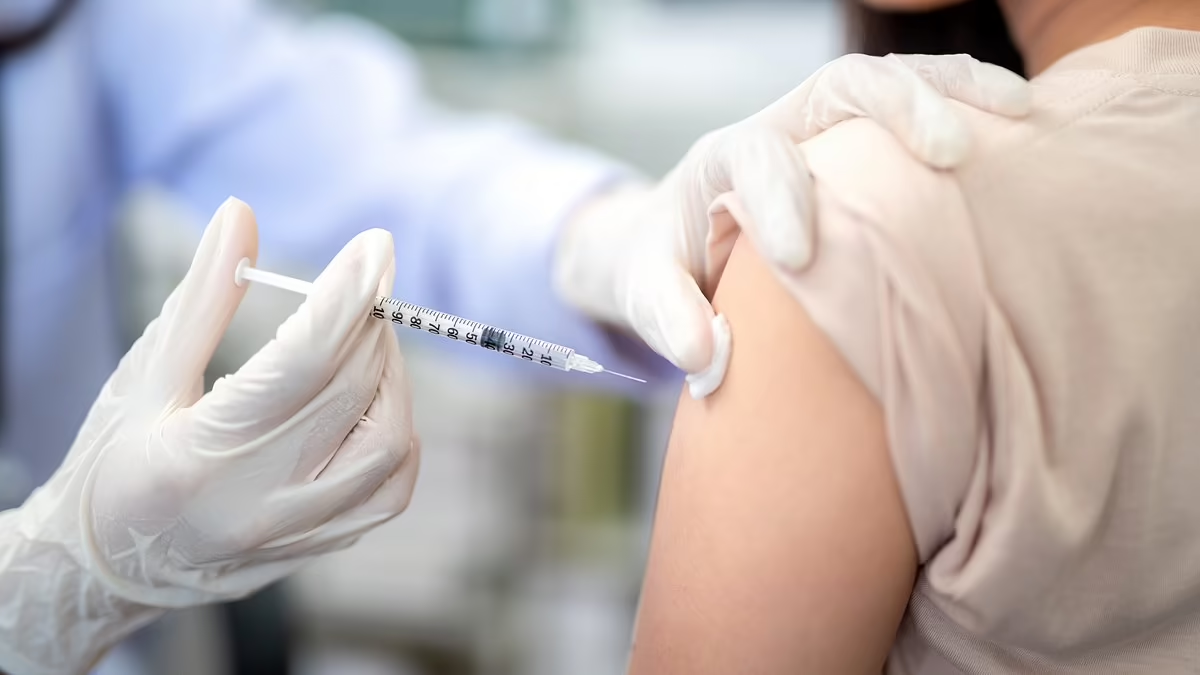
Doctors warn that certain medications, including NSAIDs, prednisone, steroid injections, chemotherapy, and biologics, can reduce the efficacy of flu vaccines by dampening the immune response. With flu vaccination rates declining in the US, health officials urge people to consult with healthcare providers about potential drug interactions before getting vaccinated. The flu shot's effectiveness varies annually, and certain drugs can further weaken its protective benefits, especially for seniors and those with compromised immune systems.
The CDC reports that the COVID-19 subvariant JN.1, an offspring of BA.2.86, now constitutes approximately 62% of cases in the U.S. as of January 5. This variant is also prevalent in Europe and increasing in Asia. Despite a rise in COVID-19 hospitalizations, there is no current evidence that JN.1 leads to more severe disease, and existing vaccines are expected to provide increased protection against it. The World Health Organization has labeled JN.1 as a "variant of interest" with a low public health risk.
A study by CDC researchers published in The Pediatric Infectious Disease Journal found that during the Omicron wave, only 4.5% of hospitalized US children aged 8 months to 4 years had completed their COVID-19 vaccinations, with the majority being unvaccinated. The study highlighted low vaccine uptake in this age group, with the most critically ill patients being unvaccinated or not fully vaccinated. The findings emphasize the need to improve vaccination rates and awareness of COVID-19 severity in young children, as well as addressing logistical challenges in vaccine distribution and administration.