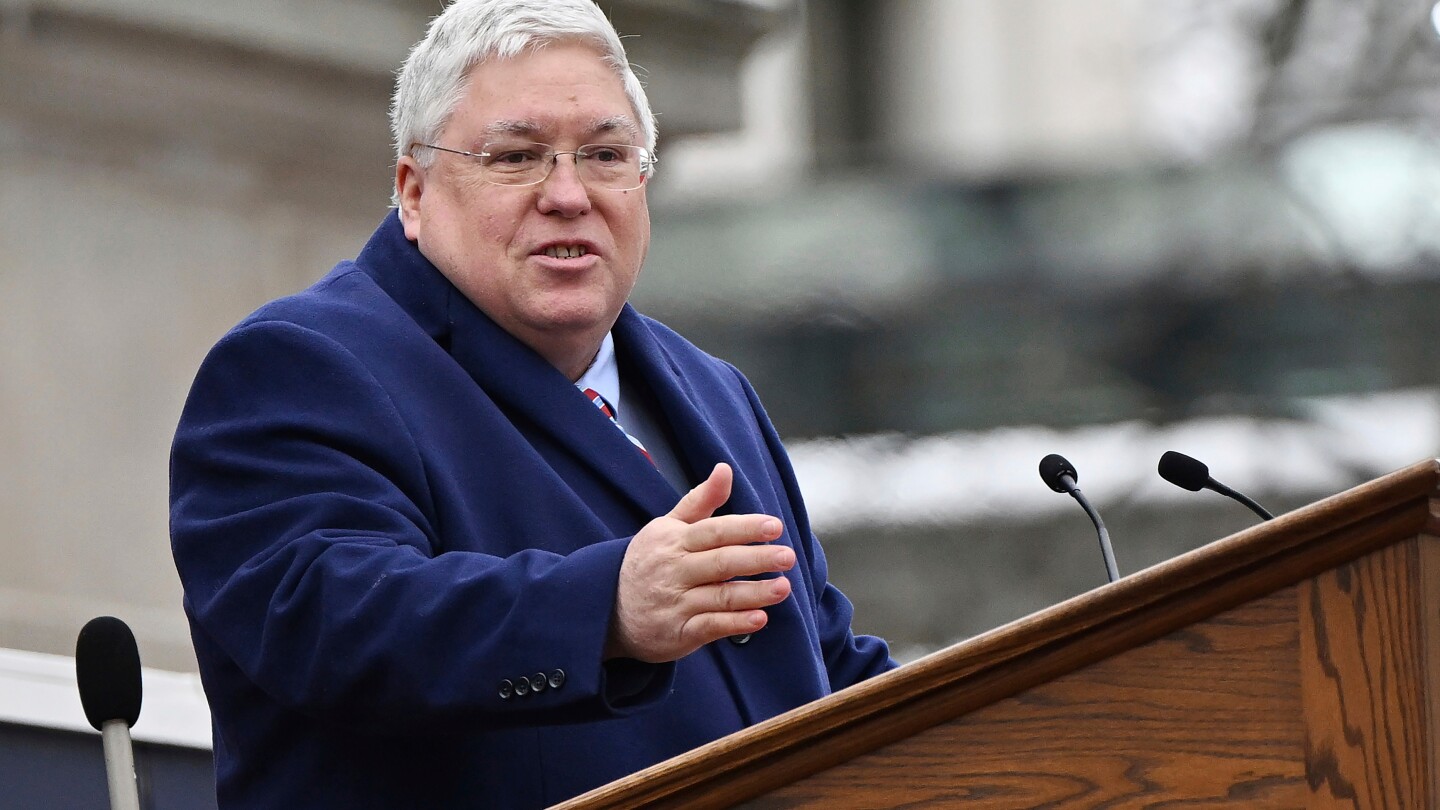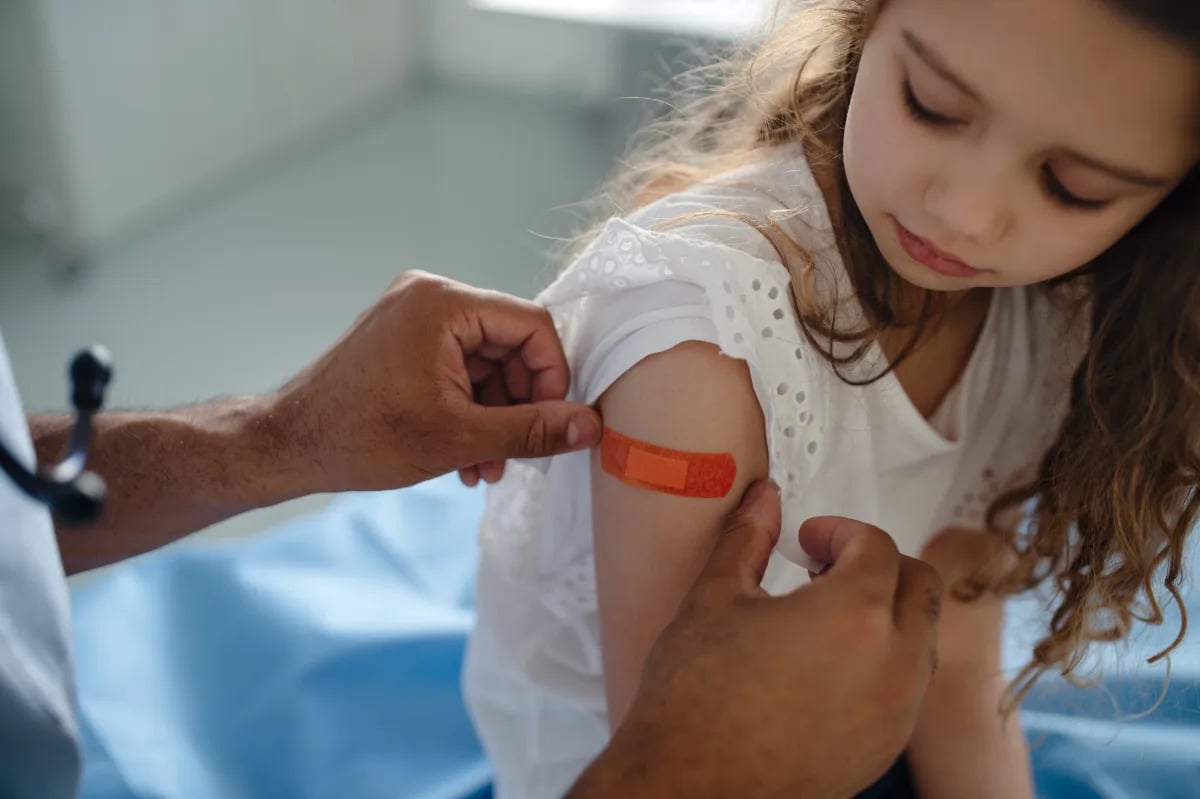
West Virginia reinstated a ban on religious exemptions for school vaccinations after the state Supreme Court paused a lower court's ruling that allowed such exemptions, emphasizing the state's priority to ensure compliance with vaccine laws and protect student health.
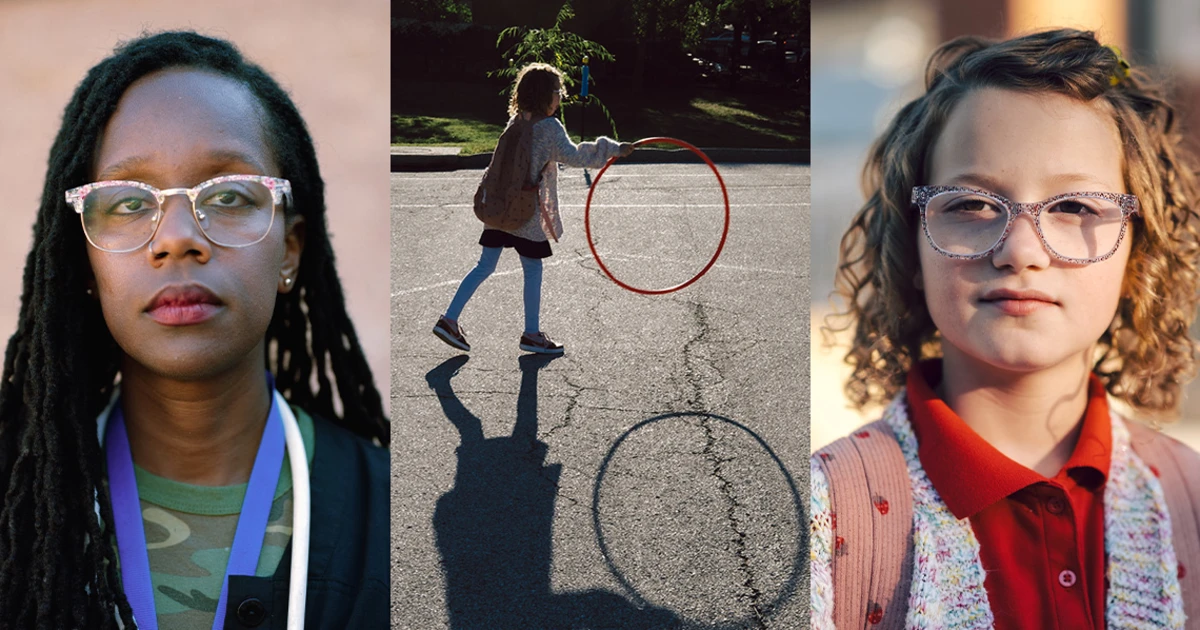
Childhood vaccination rates in the U.S. are declining across many counties, risking outbreaks of preventable diseases like measles, due to rising exemptions, vaccine hesitancy, and access issues, with some areas like St. Louis experiencing significant drops in immunization coverage.
Vaccine exemption requests in Texas have increased by 36% over two years, with more parents seeking exemptions amid funding cuts, policy changes, and vaccine skepticism, leading to concerns about declining vaccination rates and herd immunity in schools.
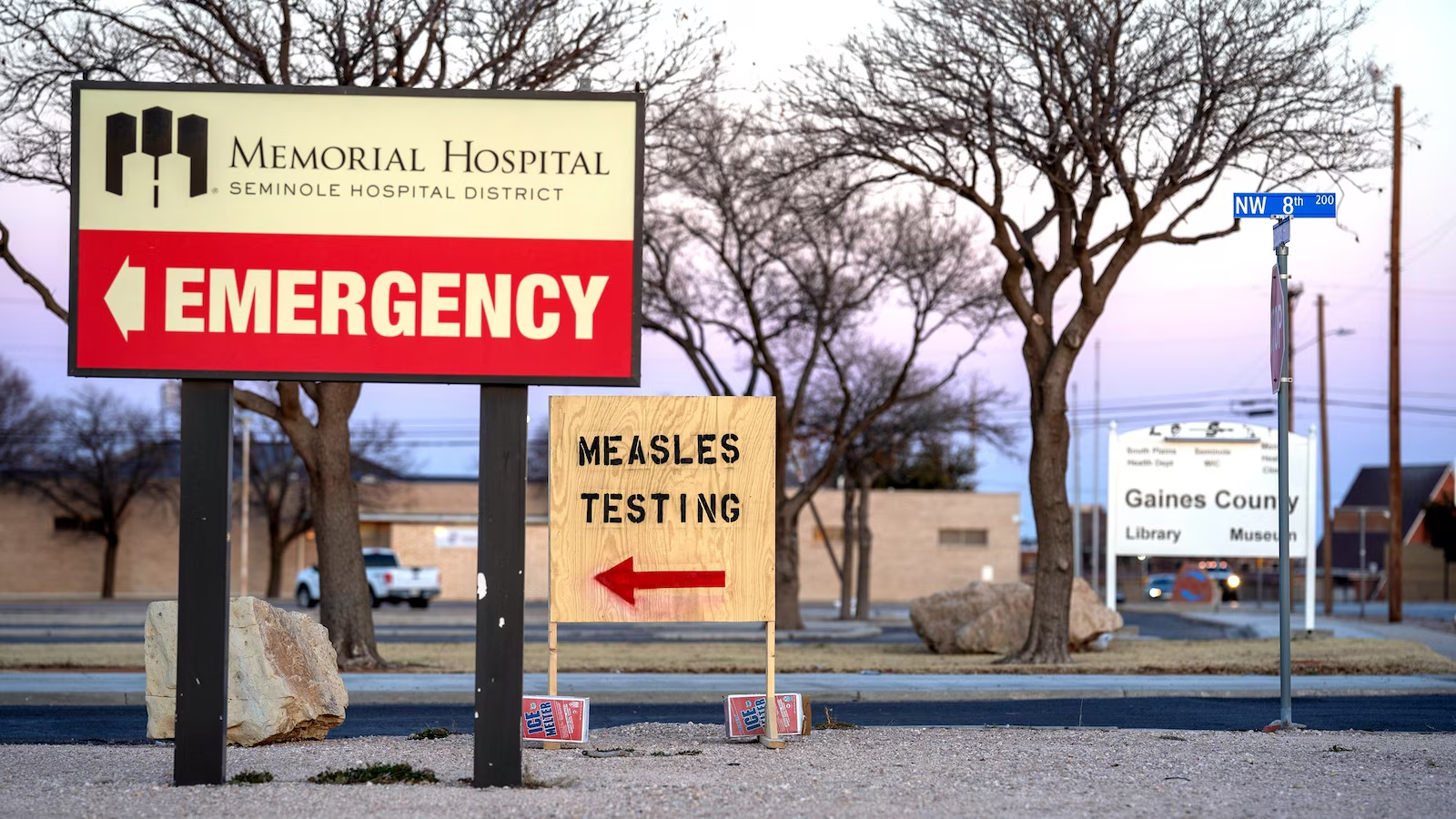
Texas has passed a bill, HB 1586, making it easier for parents to exempt their children from vaccinations required for school attendance by allowing online forms, amidst a significant measles outbreak with 729 cases and two child deaths. The bill, supported by Republicans for efficiency and cost-saving reasons, faces opposition from Democrats who warn it could weaken herd immunity during the ongoing outbreak. It awaits governor Greg Abbott's signature to become law starting the 2025-2026 school year.
Texas, amid its largest measles outbreak in over two decades, has approved a bill to make vaccine exemption forms easier to access, sparking concerns that this could lead to increased vaccine hesitancy and further outbreaks. The bill simplifies the process for parents to opt out of vaccinations for school entry, raising public health safety debates amid rising exemption rates and declining vaccination coverage in the U.S.
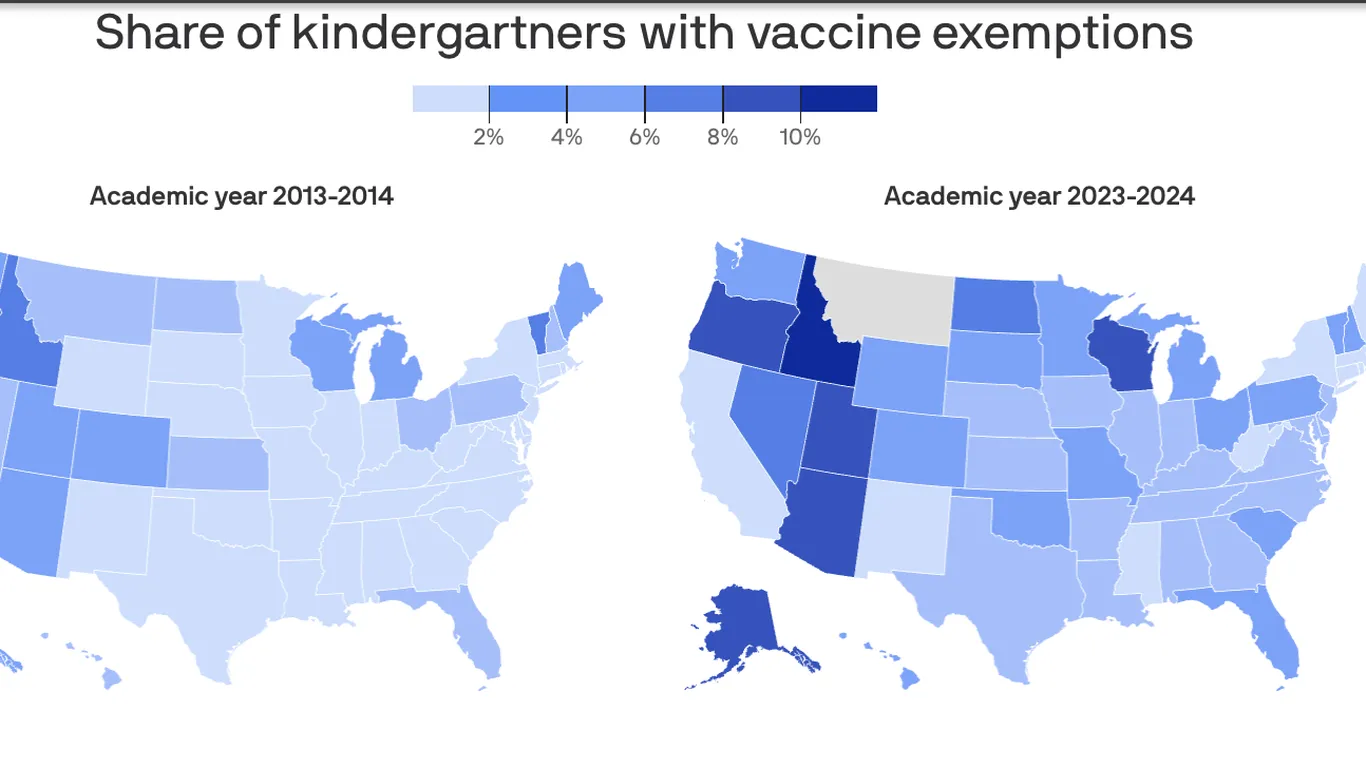
The percentage of U.S. kindergartners with vaccine exemptions rose to 3.3% in the 2023-24 school year, up from 3% the previous year, reflecting growing vaccine skepticism that intensified during the COVID-19 pandemic. This trend is concerning as it leaves more children vulnerable to diseases like measles and polio. The issue may gain further traction with vaccine skeptic Robert F. Kennedy, Jr. expected to take a public health role in the upcoming Trump administration.
Idaho has the highest rate of parents opting out of state-required vaccines for their children entering kindergarten, with 12% of kids exempted last year. This has raised concerns about potential outbreaks of diseases like measles, especially given the state's low vaccination rates. Last September, Idaho experienced a measles outbreak, but fortunately, it was contained within one family of unvaccinated individuals. The rise in vaccine exemptions is attributed to various factors, including misinformation, political rhetoric, and easier access to waivers. Health experts emphasize the need for interventions on multiple levels to improve vaccination rates, including doctor-parent conversations, social media campaigns, and easier vaccine access. Some states have tightened exemption laws, while others have seen improvements through partnerships between schools, public health, and pediatricians.
Health officials are urging parents to vaccinate their schoolchildren as more parents in the US opt out of state-required vaccines. Last year, vaccination waivers among kindergartners reached an all-time high of 3%, driven by vaccine misinformation, political rhetoric, and state laws that make it easier to obtain waivers. Idaho had a recent measles outbreak, but the impact was limited as the infected family quarantined and the children were already being homeschooled. However, the state's low vaccination rates pose a risk if outbreaks occur in public schools. Experts emphasize the need for interventions at various levels, including doctors engaging with parents, social media campaigns, and easier access to vaccines. Some states have tightened exemption laws, while others have seen increases in waivers. Achieving a high level of vaccination, around 95%, is crucial to prevent the spread of diseases like measles.
The number of vaccine exemptions for U.S. kindergartners has risen to 3% during the 2022-23 school year, with rates exceeding 5% in 10 states. While most exemptions are due to religious or philosophical reasons, some parents seek exemptions for medical reasons, such as allergic reactions or medical conditions that make vaccination unsafe. Pediatricians attribute the rise in exemptions to growing misinformation and a lack of trust in medical institutions. The most commonly refused vaccines are the MMR and HPV vaccines, while seasonal influenza and COVID-19 vaccines have the highest total refusal rates. Children with medical concerns, such as cancer or immunodeficiency, are unable to receive certain vaccines, making herd immunity crucial for their protection.
Childhood vaccine exemptions in North Carolina have reached an all-time high, with a 2.4% exemption rate in the 2022-23 school year, a 0.5% increase from the previous year. The CDC report did not specify the reasons for these exemptions, but pediatricians attribute the rise to increasing distrust around vaccines, which began during the pandemic. While most parents are still vaccinating their children, concerns arise as the exemption rate exceeds 5%, potentially increasing the risk of vaccine-preventable outbreaks. Pediatricians emphasize the importance of accurate information and urge parents to follow the recommended vaccination schedule.
A CDC report reveals that vaccine exemption rates for childhood vaccines have increased in 41 states, with an overall exemption rate of 3% for the 2022-2023 school year, the highest ever reported. Some states, including Alaska, Arizona, and Idaho, had exemption rates exceeding 5%. While overall vaccine coverage remained near 93%, exemptions over 5% increase the risk of vaccine-preventable disease outbreaks. All states allow medical exemptions, while some also permit religious or philosophical exemptions.
The Centers for Disease Control and Prevention (CDC) has reported that the rate of childhood vaccine exemptions in the U.S. has reached an all-time high, with 3% of children entering kindergarten during the 2022-2023 school year granted a vaccine exemption. This increase reflects a growing distrust in the healthcare system and coincides with doubts about COVID-19 vaccines. The report also highlights stagnant vaccination rates among young children, with coverage remaining at 93% compared to the pre-pandemic rate of 95%. Experts express concern that this trend leaves hundreds of thousands of children vulnerable to preventable diseases like measles and whooping cough.
Arizona ranks fourth highest in the country for vaccine exemptions, with 6.8% of kindergartners granted exemptions, more than double the national average. Concerns are raised about the impact on children's health and safety, particularly with diseases like polio and measles. The state allows exemptions not only for religious or medical reasons but also for personal beliefs. Pediatricians emphasize the importance of routine vaccinations and urge parents to consult trusted professionals rather than relying on misinformation online.
Wisconsin has the highest rate of vaccine exemptions in the Midwest, according to recent data. This raises concerns about public health and the potential for outbreaks of vaccine-preventable diseases in the state.