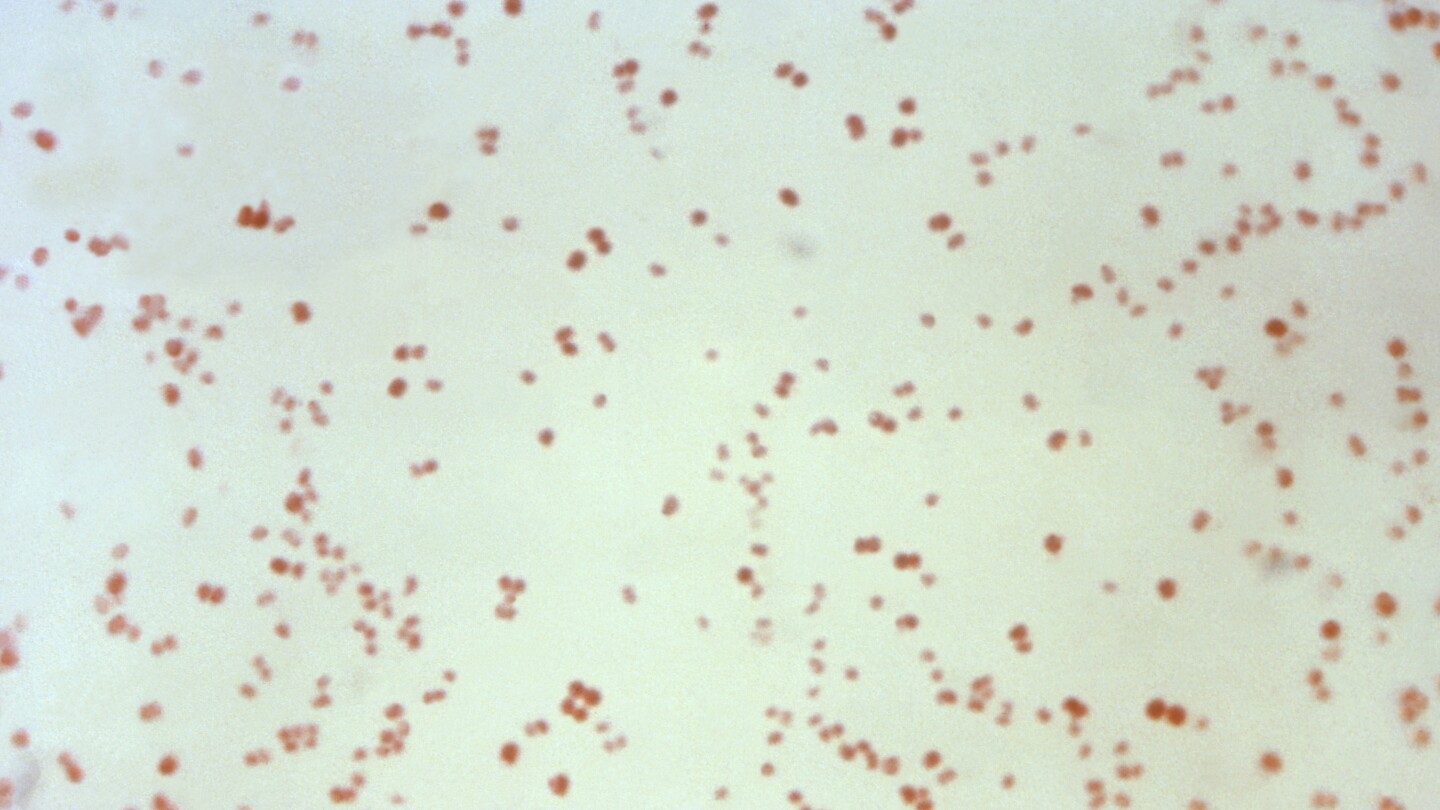
U.S. sexually transmitted disease rates declined overall in 2024, with decreases in gonorrhea, chlamydia, and adult syphilis, but cases of congenital syphilis in newborns increased slightly, highlighting ongoing concerns about maternal and infant health despite overall progress.
The CDC reports that 1 in 31 American children have autism, with rates rising due to changes in diagnostic criteria, increased awareness, and disparities in access to diagnosis, raising questions about whether the increase reflects a true rise or diagnostic expansion.
Drug overdose deaths in the U.S. have decreased to their lowest level in five years, with a significant decline since summer 2023, despite President Trump's continued emphasis on fentanyl as a major threat and his controversial policies. The CDC reports a drop to 77,648 deaths in the year ending March 2025, with notable improvements in states like West Virginia, California, Florida, and New York. Experts suggest that disruptions in fentanyl supply chains and better addiction treatment may contribute to this decline, even as critics warn that funding cuts could hinder progress.
The Carolinas are among the top states in the U.S. for STD rates, with North Carolina and South Carolina ranking 7th and 8th respectively, and Mecklenburg County identified as a significant hotspot, highlighting ongoing public health challenges in the region.
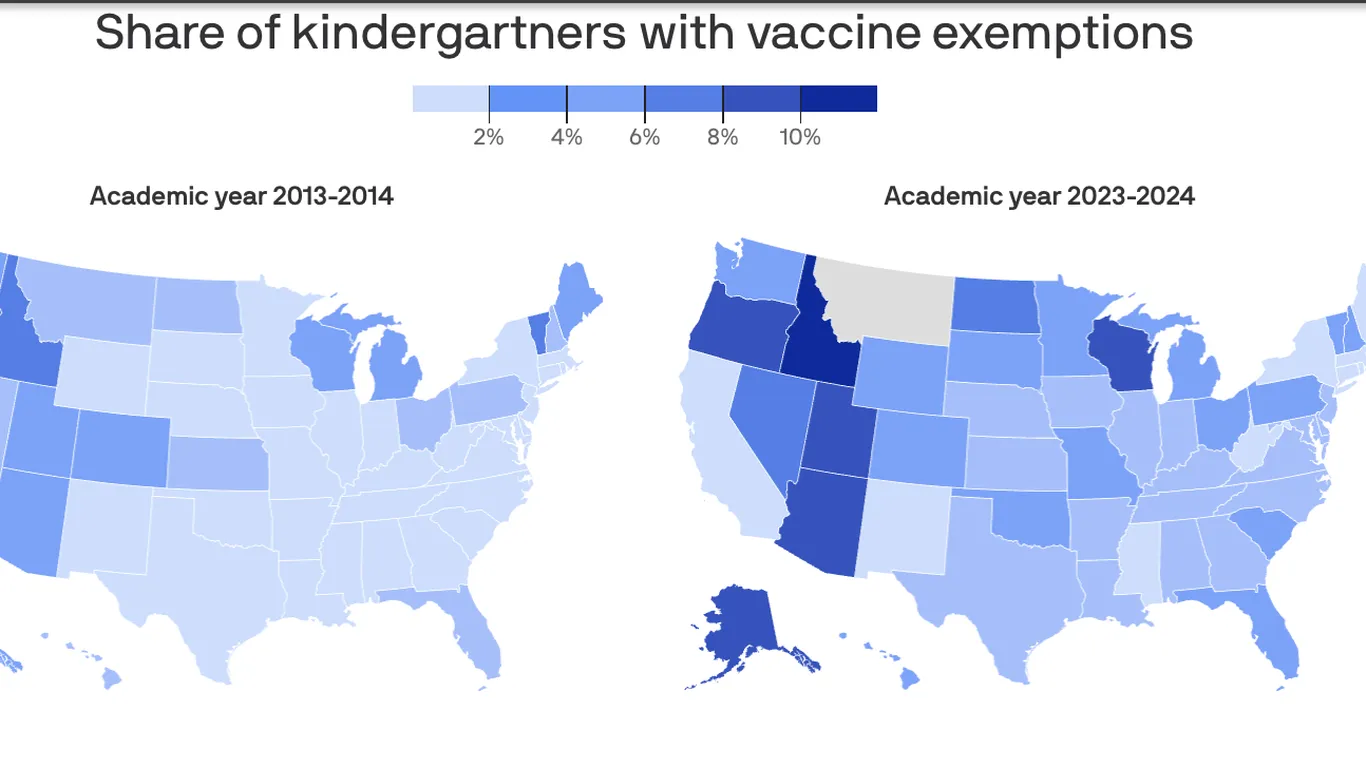
The percentage of U.S. kindergartners with vaccine exemptions rose to 3.3% in the 2023-24 school year, up from 3% the previous year, reflecting growing vaccine skepticism that intensified during the COVID-19 pandemic. This trend is concerning as it leaves more children vulnerable to diseases like measles and polio. The issue may gain further traction with vaccine skeptic Robert F. Kennedy, Jr. expected to take a public health role in the upcoming Trump administration.
The number of babies born with syphilis in the U.S. has increased dramatically over the past decade, with over 3,700 cases reported in 2022, ten times the number in 2012. Driven by the prevalence of syphilis in the community, this rise reflects a larger trend of increasing syphilis cases in adults. While most babies with congenital syphilis have mild or no symptoms, some may experience complications such as premature birth or stillbirth. The increase in cases is largely preventable through better testing and treatment during pregnancy, but complex factors such as late initiation of prenatal care and inadequate testing contribute to the problem. Racial disparities are also evident, with Hispanic, Black, and American Indian/Alaskan Native mothers being more likely to have newborn syphilis. To reverse this trend, there is a need for national political will and improved funding for public health initiatives to address sexually transmitted infections like syphilis.
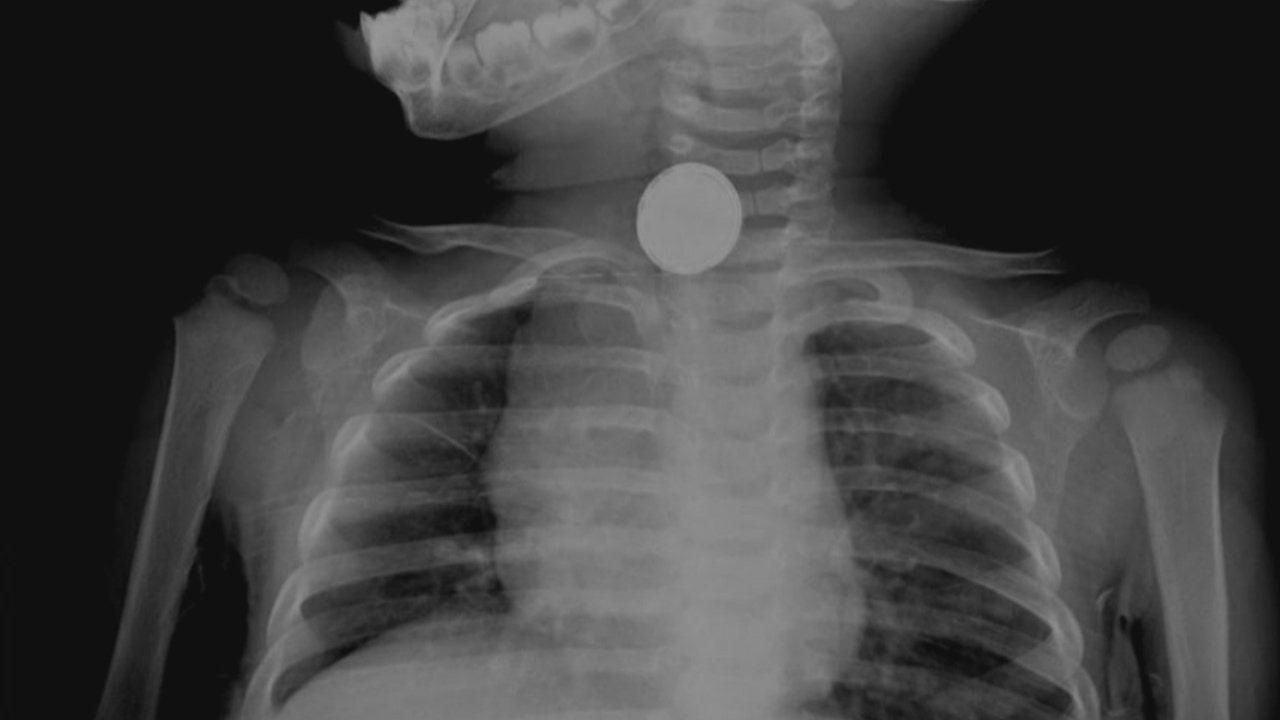
According to data from the Centers for Disease Control and Prevention (CDC), foreign objects lodged in people's bodies were the ninth leading cause of unintentional injuries that led to emergency room visits in 2021, with over 278,000 U.S. adults seeking care. Some of the strange objects found included magnets, chargers, lollipops, orange peels, and even sex toys. The objects were found in various orifices such as ears, noses, mouths, and genitalia. A study published in the American Journal of Emergency Medicine also revealed that nearly 4,000 people are hospitalized each year due to foreign objects stuck in their rectums.