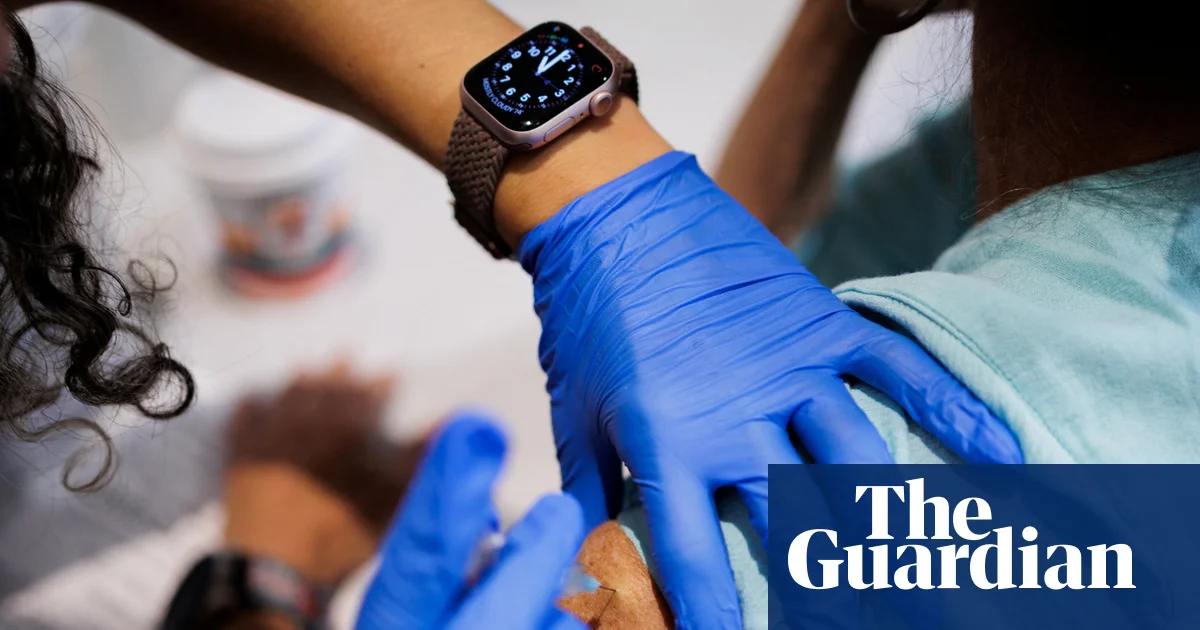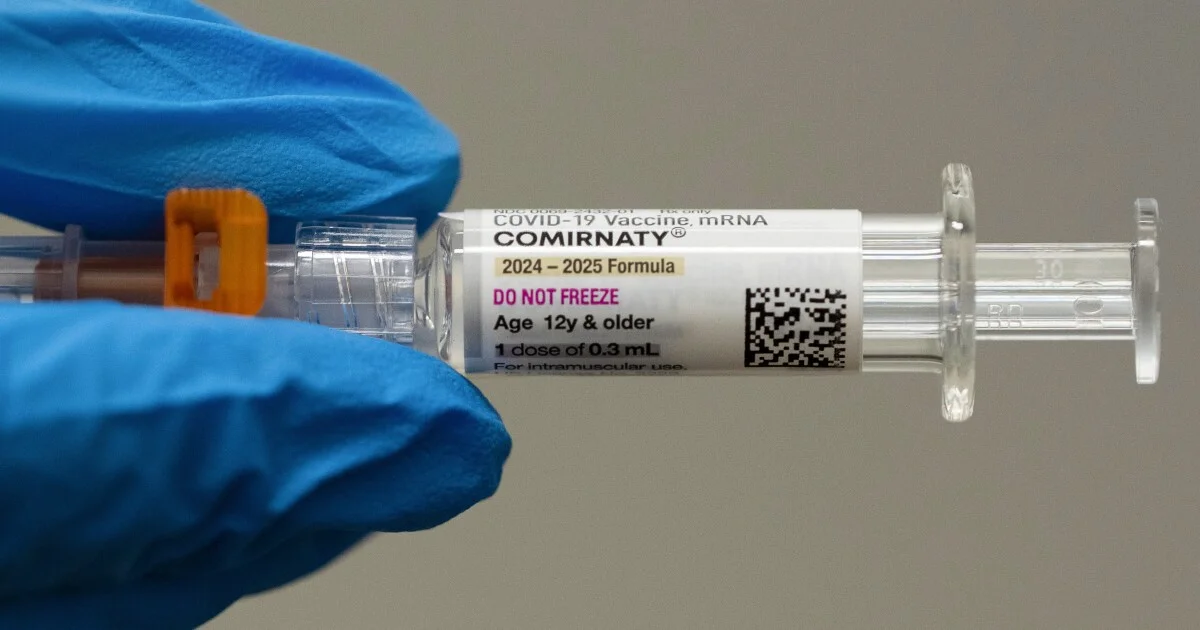
The CDC has updated its Covid vaccine recommendations, now advising people 65 and older to get vaccinated after consulting a healthcare provider, while vaccination for those under 65 remains optional but recommended for high-risk groups. The new guidelines have led to a patchwork of state policies, complicating access and communication about vaccination. Despite these changes, vaccines remain free for most insured individuals, and availability varies by location and provider.

Maine Governor Janet Mills issued an order allowing all healthcare professionals, including pharmacists, to administer COVID-19 vaccines to all residents without a prescription, expanding access and coverage, with vaccines for children and adults recommended and available as supply permits.
The article discusses the challenges and recent changes in accessing the updated COVID-19 vaccine in the U.S., including federal guidance limiting eligibility to certain groups, state-level efforts to expand access, and ongoing debates about vaccine recommendations amid political and regulatory shifts.
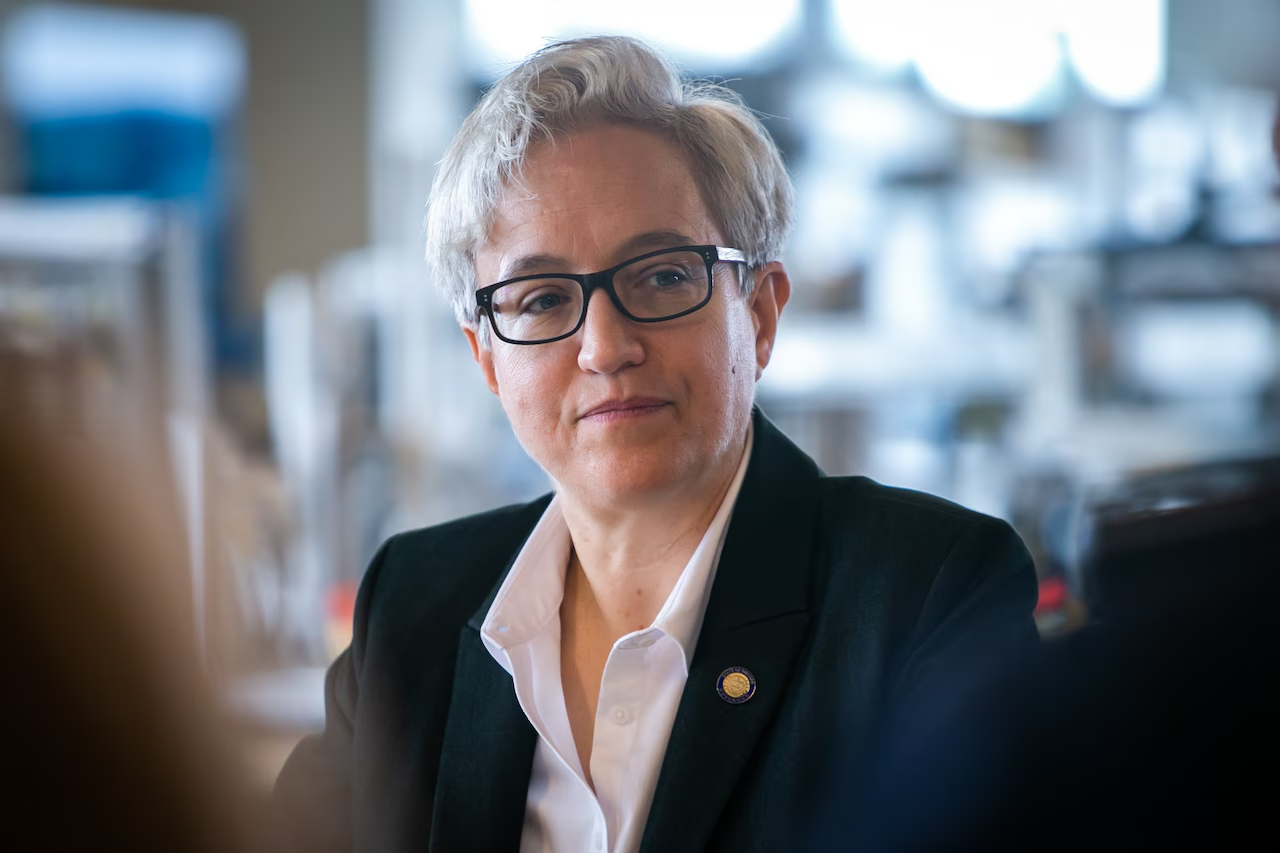
Oregon is facing challenges in providing easy COVID-19 vaccine access due to lack of a standing order for pharmacists to administer shots without prescriptions, unlike some other states. Governor Tina Kotek is working on solutions amid federal policy restrictions and local regulatory hurdles, with frustration mounting among healthcare providers and patients.
Oregon faces confusion and bureaucratic hurdles in accessing the updated COVID-19 vaccine due to differing federal and state policies, with ongoing efforts by state officials to find solutions amid inconsistent guidance and restrictions.
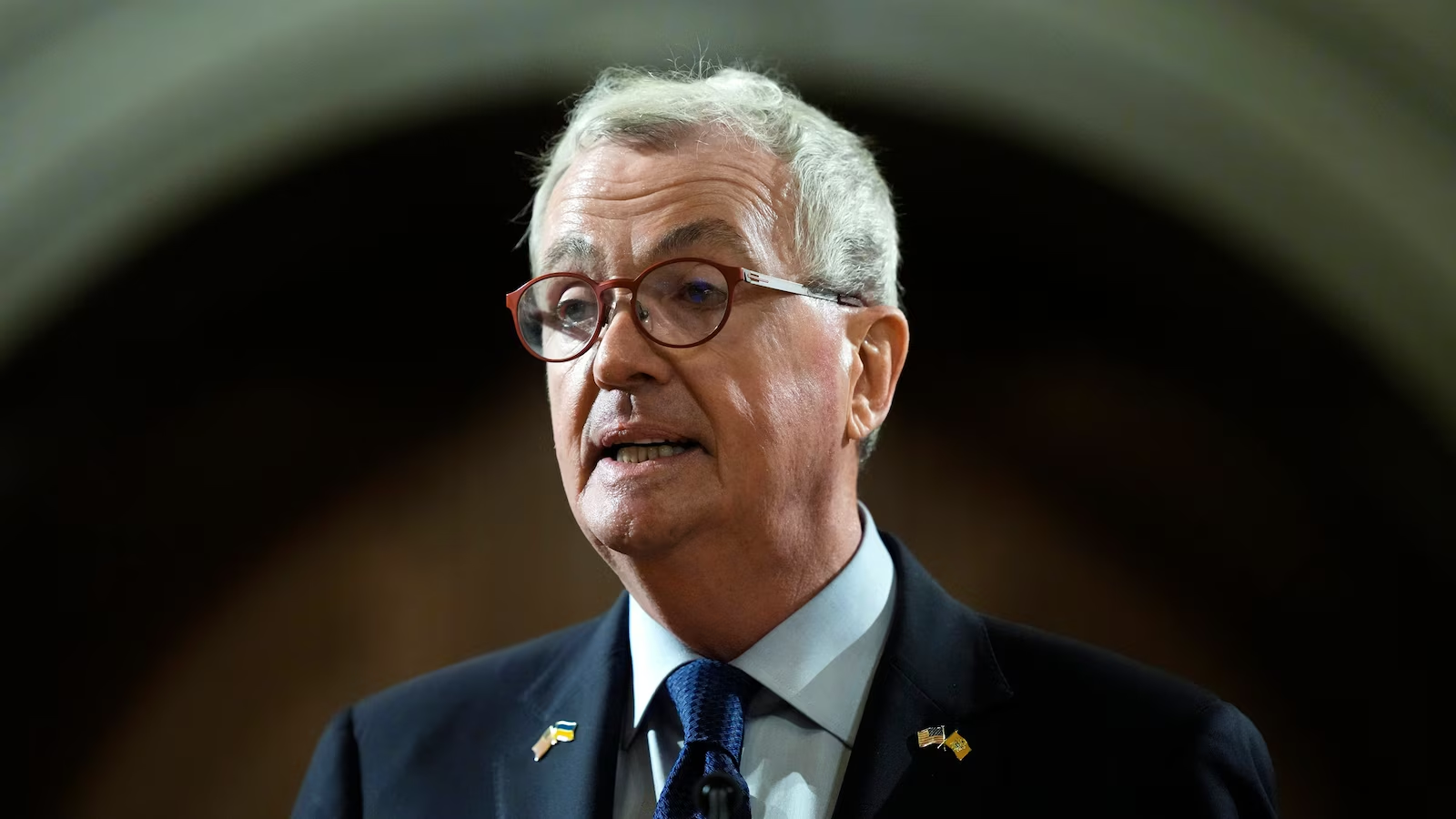
New Jersey has expanded access to COVID-19 vaccines for anyone aged six months and older, diverging from federal guidance, amid ongoing debates over vaccine policies and state-level efforts to ensure vaccine availability during the respiratory virus season.
Governor Ned Lamont announced executive actions in Connecticut to ensure continued access to COVID-19 vaccines and maintain insurance coverage amid federal uncertainties, including guidance for vaccine distribution and support for pharmacists and healthcare providers.
Minnesota Governor Tim Walz issued an executive order to ensure broad access to COVID-19 vaccines amid federal policy changes, directing state agencies to remove barriers and provide guidance to healthcare providers, as other states also take measures to protect vaccine availability.
Amid rising Covid cases in the US, new FDA vaccination guidelines have limited access for younger and healthier individuals, causing anxiety among vulnerable populations and healthcare workers who fear increased risk and difficulty in protecting loved ones, highlighting ongoing challenges in vaccine accessibility and public health policy.
States are independently developing their own COVID vaccine policies due to concerns over federal changes and leadership issues, leading to varied vaccine access and recommendations across the U.S., with some states forming regional alliances to ensure continued vaccine availability and guidance.
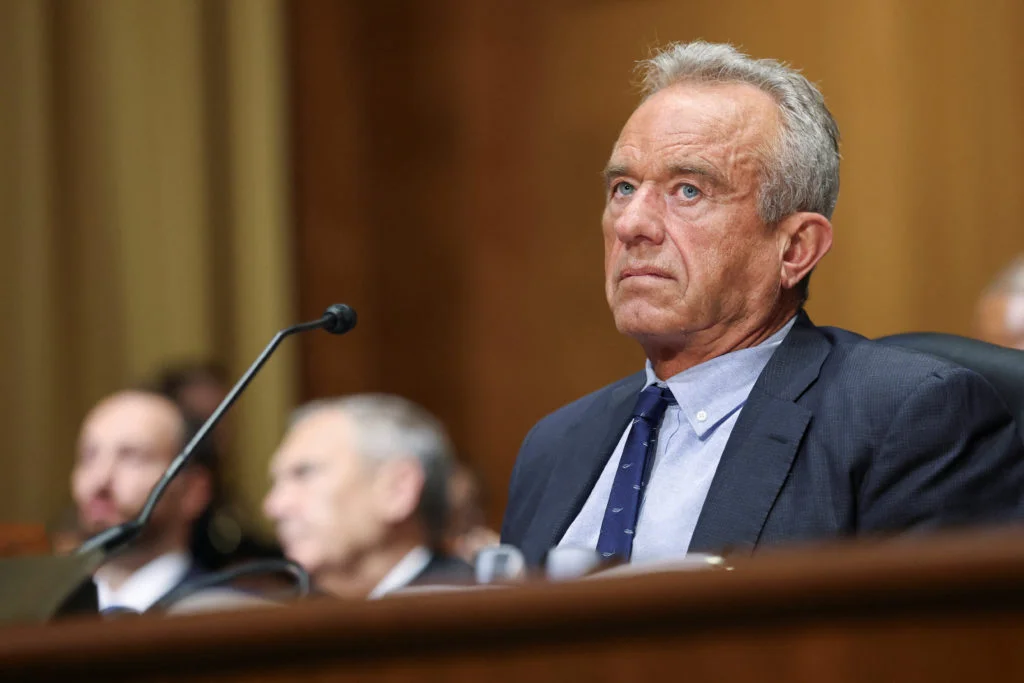
RFK Jr. claimed that 'everybody can get' the COVID-19 vaccine, but the current restrictions, FDA approval process, and pending CDC guidance mean that access is limited to certain groups and may involve additional barriers, making his statement mostly false.
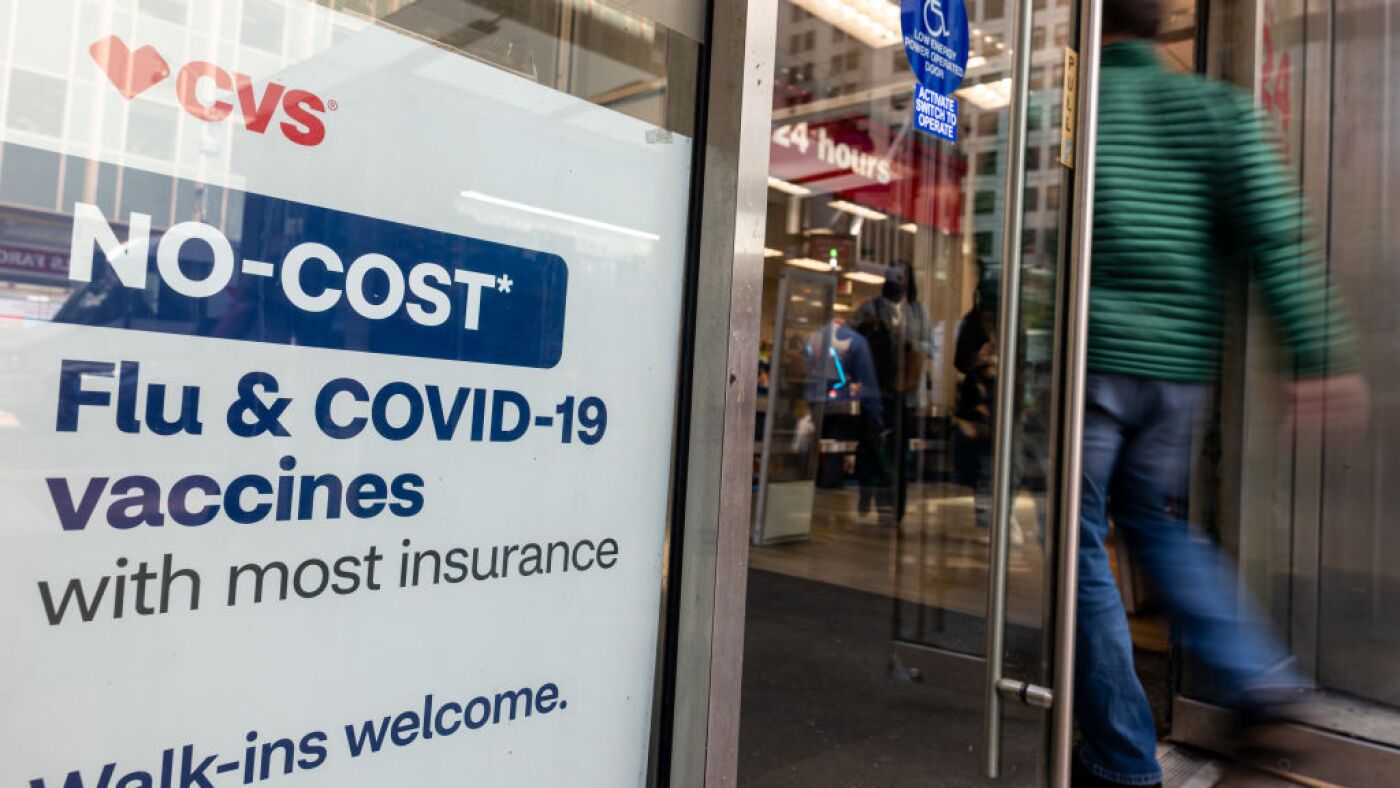
Pennsylvania's Board of Pharmacy has expanded COVID-19 vaccine access by allowing pharmacists to follow guidelines from multiple medical authorities beyond the CDC, including the FDA and other medical groups, in response to federal policy uncertainties. This change enables pharmacies like CVS to administer vaccines without prescriptions, aiming to improve immunization rates amid ongoing federal health policy shifts.
The Pennsylvania State Board of Pharmacy voted to expand COVID vaccine access by allowing pharmacists to follow guidance from trusted authorities like the FDA and medical organizations, restoring vaccine availability after federal restrictions caused disruptions, and ensuring Pennsylvanians can continue to get vaccinated easily.
The article explains how new FDA guidelines and political influences have made COVID-19 vaccines less accessible, especially for those under 65 or without high-risk conditions, leading to increased barriers and confusion around vaccination, despite the vaccines remaining safe and effective.
Oregon, Washington, and California have formed the Western Health Alliance to maintain vaccine access amid political turmoil at the CDC, aiming to develop independent immunization guidelines and counteract politicization of public health policies.