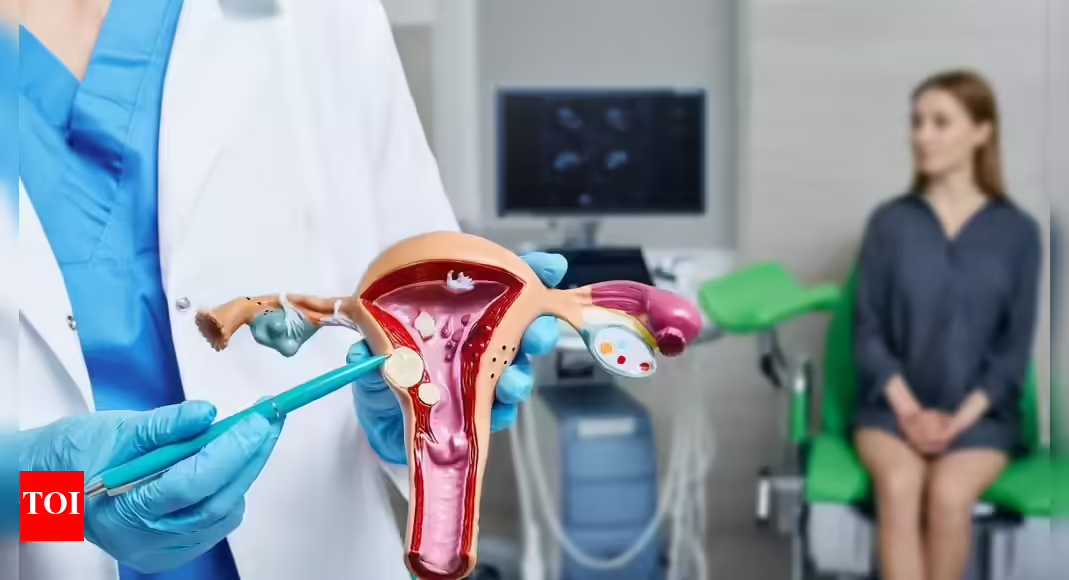
Uterine fibroids are common non-cancerous growths that can cause symptoms like heavy menstrual bleeding, pelvic fullness, bladder pressure, pain during sex, and bowel issues. Recognizing these early signs is crucial for timely diagnosis and treatment to prevent complications.
Oscar-winning actress Lupita Nyong’o shared her experience with uterine fibroids to raise awareness and advocate for legislative action, including bills to fund research, improve detection, and treatment options, as well as launching a grant to support fibroid research.
A US study published in the BMJ journal indicates that women with endometriosis or uterine fibroids have a slightly higher risk of dying before age 70, due to increased likelihood of developing other health issues like heart disease and certain cancers. The study analyzed data from over 110,000 women and highlights the need for greater medical attention to these conditions, which have historically been under-researched. The findings emphasize the importance of monitoring related health problems in affected patients.
A US study published in the BMJ journal has found that women with endometriosis or uterine fibroids have a slightly higher risk of dying before age 70. The study, which analyzed data from over 110,000 women, suggests that these conditions are linked to an increased risk of other health issues, such as heart disease and certain cancers. The findings emphasize the need for greater medical attention to these conditions, which have historically been under-researched due to a male-focused medical establishment.
After suffering from flu-like episodes, hives, and a high fever for nearly two decades, Beth Sternlieb's mysterious illness was traced to a rare and startling cause. An operation to remove uterine fibroids revealed an unknown strain of salmonella bacteria, which had been causing her symptoms. The bacteria had likely been contracted from a reptile, although Sternlieb and her family had never owned one. The surgery ultimately cured her, and her case was published to raise awareness about considering abdominal hives as a possible sign of a pelvic infection.
After suffering from flu-like episodes, hives, and fevers for nearly two decades, Beth Sternlieb's mysterious illness was finally traced to a surprising cause. An operation to remove uterine fibroids revealed a rare strain of salmonella bacteria, which had been causing her symptoms. The bacteria had likely been contracted from a reptile, possibly during her pregnancy or from a nursery school her son attended. The surgery cured her, and her case was published to raise awareness about abdominal hives as a possible sign of a pelvic infection.
Spending 6 or more hours per day engaged in sedentary leisure activities may double a woman's risk of developing uterine fibroids before menopause, according to a study published in BMJ Open. Uterine fibroids are benign tumors that can cause symptoms such as abnormal bleeding, pelvic pain, and infertility. The risk of fibroids appears to increase with the amount of time spent sitting or lying down. Sedentary behavior is associated with hormone-dependent tumors, including uterine fibroids, which are fueled by estrogen. The study found that women who spent 6 or more hours per day in sedentary leisure activities had twice the risk of developing fibroids compared to those who spent fewer than 2 hours per day. However, the study only establishes an association and cannot prove causation.
A new study reveals that women who spend more than six hours a day sitting have double the risk of developing uterine fibroids. The risk increases with more sedentary time, and sitting for six or more hours daily is associated with double the risk compared to those who sit for fewer than two hours. Sedentary behavior is linked to obesity, chronic inflammation, and vitamin D deficiency, which may explain the increased risk. Fibroids are common growths in the uterus, and earlier studies have shown a link between sedentary lifestyles and other hormone-fueled cancers. Simple ways to offset the risks of sitting include light walking every half hour and moderate to vigorous physical activity.