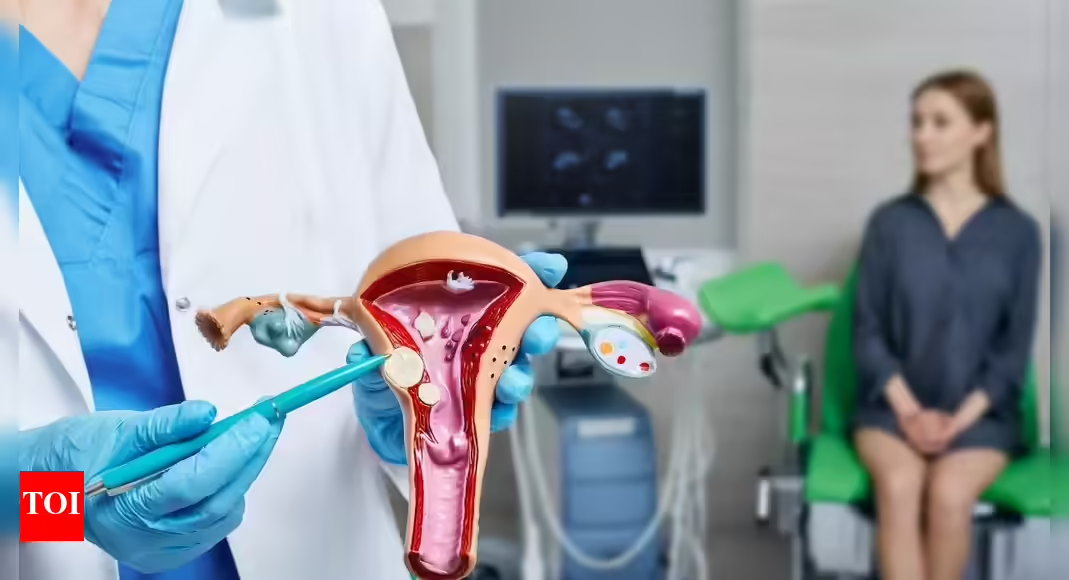
Uterine fibroids are common non-cancerous growths that can cause symptoms like heavy menstrual bleeding, pelvic fullness, bladder pressure, pain during sex, and bowel issues. Recognizing these early signs is crucial for timely diagnosis and treatment to prevent complications.
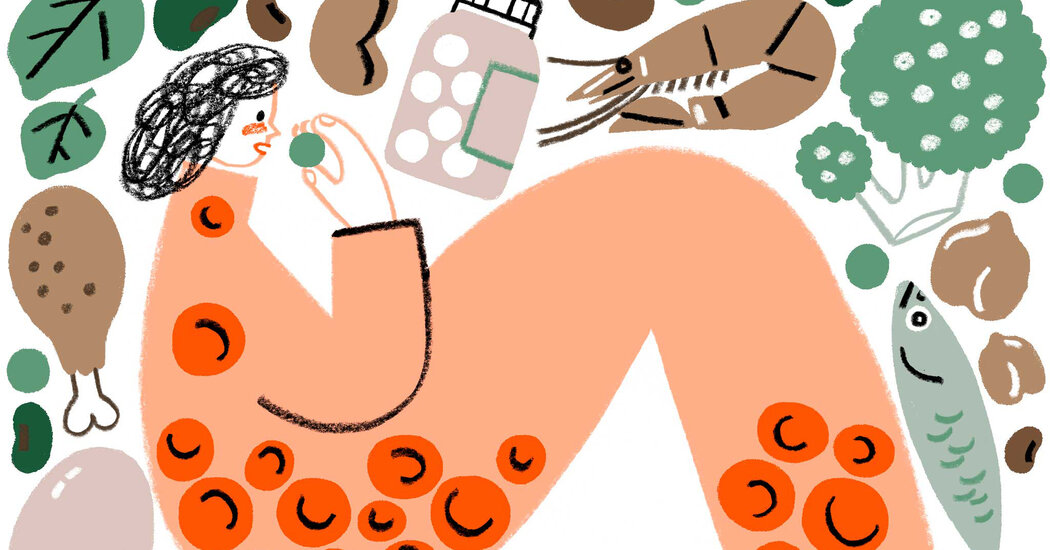
Iron deficiency is a common issue, particularly among women of reproductive age. Symptoms can include fatigue, brain fog, lightheadedness, and reduced exercise capacity. Testing ferritin levels, which measure iron storage, is recommended for those with heavy periods, a vegetarian diet, or planning to get pregnant. Treatment options include managing menstrual bleeding, taking iron supplements every other day, and making smart nutritional choices. Pairing plant-based iron with absorption enhancers, avoiding absorption blockers like tea and coffee, and looking for enriched foods can help improve iron absorption. Cooking with tools like the Lucky Iron Fish or using a cast iron pan can also add iron to meals.
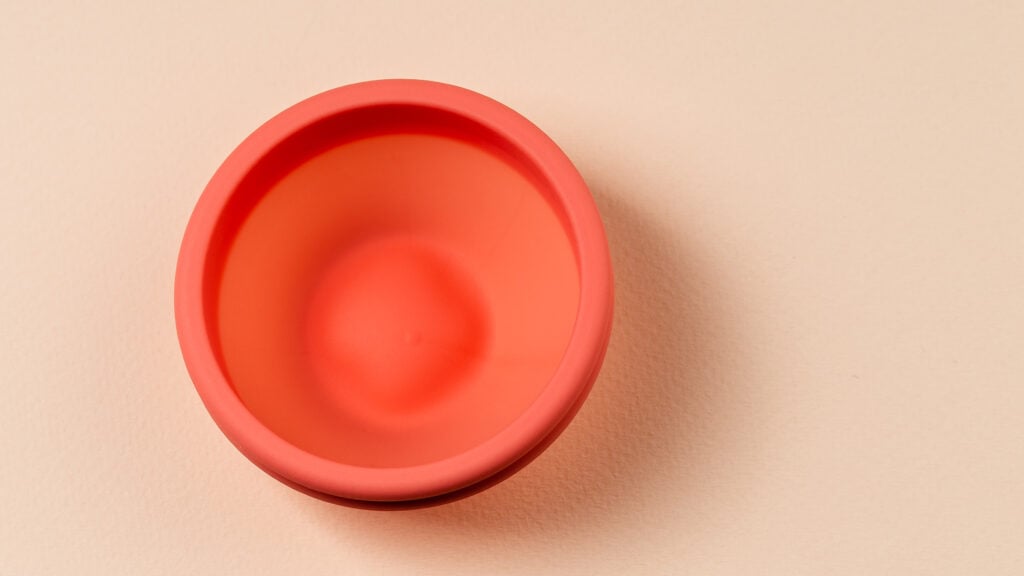
A new study published in BMJ Sexual & Reproductive Health compared the capacity of different menstrual products and found that menstrual discs held the most blood with an average of 61 ml, while period underwear held only 1 ml. The study highlights the lack of reliable information about menstrual product capacity and the need for an updated metric to quantify menstrual blood loss and diagnose heavy menstrual bleeding. Researchers hope this research will lead to standardized labeling of menstrual products and encourage further study in the field of menstrual science.