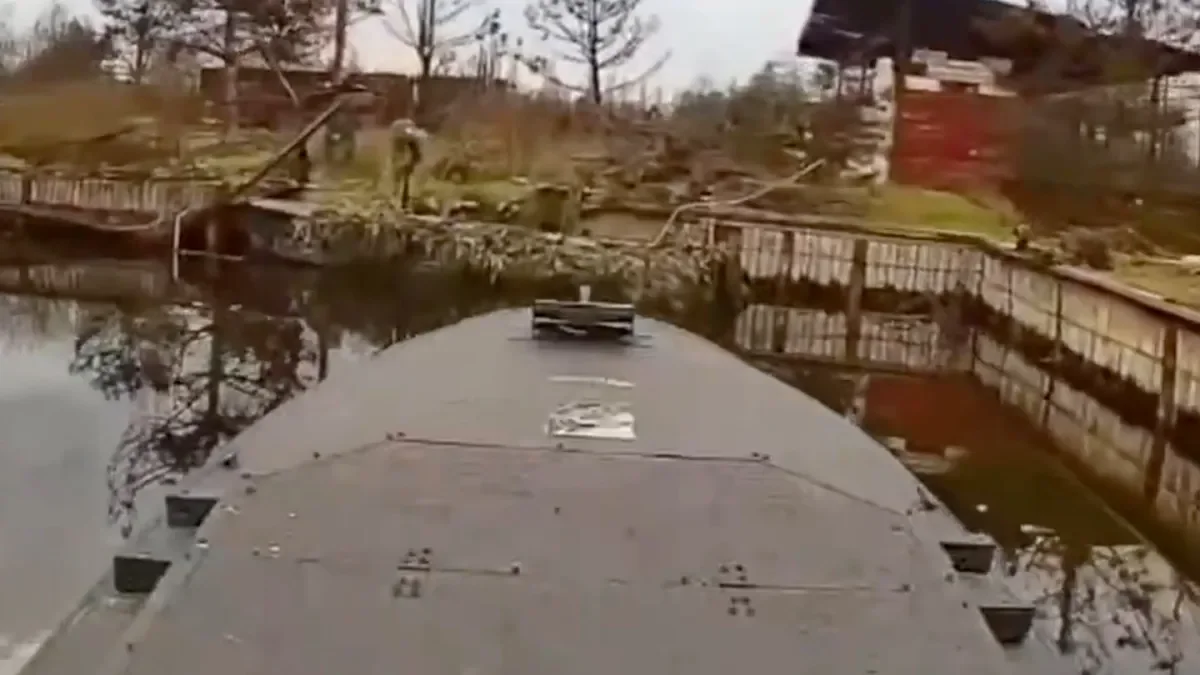
Ukraine is expanding its use of uncrewed surface vessels (USVs), such as the Barracuda, to target Russian assets on the Dnipro River, with recent attacks including a Russian vessel storage site in Crimea. These USVs, designed for short-range riverine operations, are part of Ukraine's broader strategy to counter Russian military presence and have been complemented by other drone boat systems like Sea Baby and Magura. Russia has also developed its own USV capabilities, marking a new frontier in riverine warfare. The use of these autonomous and semi-autonomous vessels highlights evolving tactics in the Ukraine-Russia conflict.
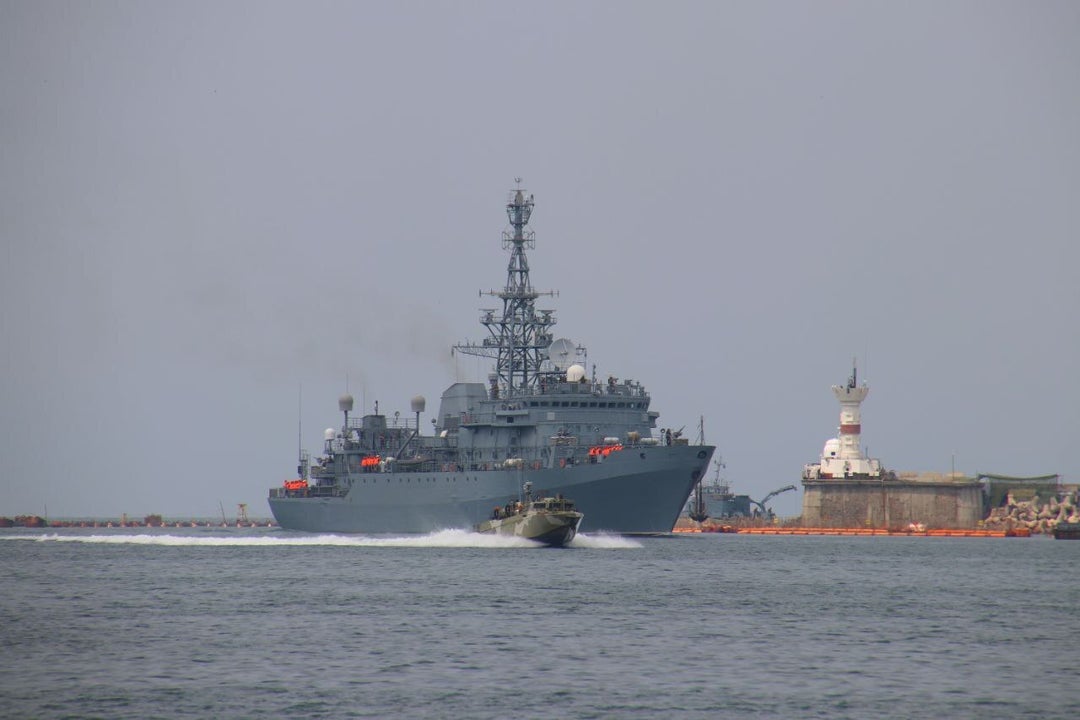
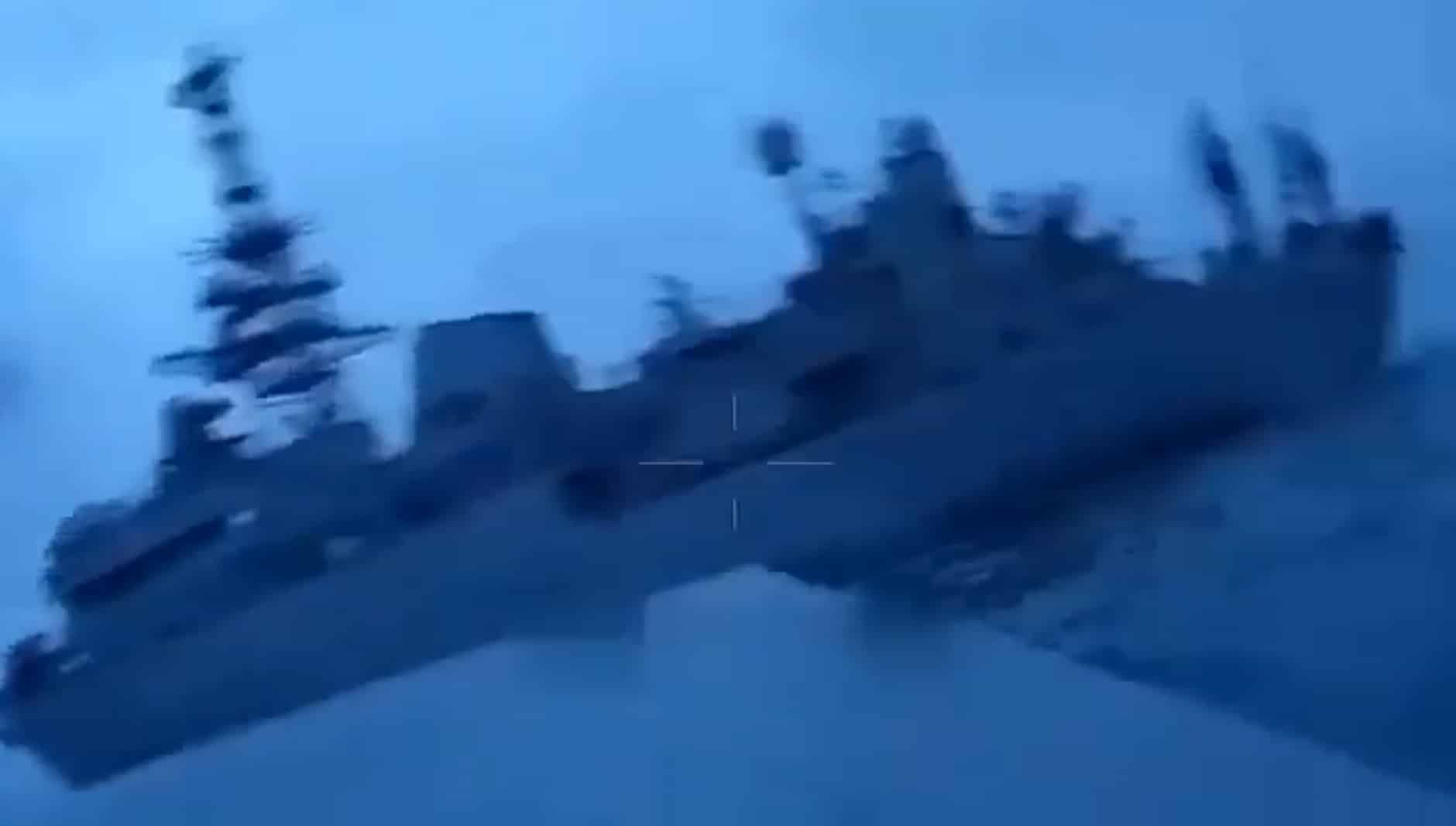
The mystery surrounding the attack on the Russian Navy's Ivan Khurs intelligence ship in the Black Sea continues to deepen. New videos have emerged on social media showing a possible hit on the ship, contrary to official Russian claims of it being unscathed. However, several videos and images have also emerged on social media claiming to show the vessel sailing into its home port of Sevastopol today with no apparent signs of damage. Both Ukraine and Russia agree that the Ivan Khurs came under a USV attack, but the details of the incident remain unclear.
A Russian intelligence ship, Ivan Khurs, was seemingly attacked by a Ukrainian unmanned surface vehicle (USV) in the Black Sea, causing the USV to explode. The Russian Ministry of Defense claimed that the ship was patrolling the area to ensure the safety of pipelines, but this was not convincing. The incident highlights the paradigm shift in naval warfare, where no place is safe from kamikaze USV attacks. The ship has since returned safely to its homeport in Sevastopol.