The AMA has expressed deep concern over reports that HHS Secretary Robert F. Kennedy Jr. plans to remove all members of the U.S. Preventive Services Task Force, citing fears that this could undermine evidence-based preventive health recommendations. The task force plays a crucial role in guiding preventive care decisions, and its removal or restructuring has raised alarms about the potential impact on public health policy and access to preventive services.
Top medical groups are concerned that Health and Human Services Secretary Robert F. Kennedy Jr. may dismiss the U.S. Preventive Services Task Force, an influential advisory panel on primary care, raising fears about the loss of trusted guidelines and potential political interference in preventive health recommendations.
Health Secretary Robert F. Kennedy Jr. plans to remove all 16 members of the US Preventive Services Task Force, criticizing the group as too 'woke,' amid ongoing debates over preventive health policies.
U.S. Health Secretary Robert F. Kennedy Jr. plans to dismiss all members of the U.S. Preventive Services Task Force, a move that has raised concerns among health organizations, though no final decision has been made yet. This follows recent actions by Kennedy to reshape vaccine advisory panels, amidst ongoing debates over healthcare policy and vaccine skepticism.
The US Preventive Services Task Force has issued a draft recommendation advocating for high-risk HPV testing every five years as the preferred cervical cancer screening method for women aged 30 to 65, over traditional Pap tests. This recommendation includes the option for women to self-collect samples, potentially increasing screening accessibility. The task force emphasizes that HPV testing offers a better balance of benefits and harms compared to Pap tests, although both remain viable options. The draft is open for public comment and aligns with the American Cancer Society's guidelines.
The US Preventive Services Task Force recommends intensive behavioral counseling for children and adolescents aged 6 and older with obesity, emphasizing at least 26 hours of comprehensive interventions. This approach aims to address the rising rates of severe childhood obesity and its associated health risks, such as type 2 diabetes and heart disease. The recommendation highlights the importance of early intervention and the potential role of medications like GLP-I agonists to support weight loss efforts.
The US Preventive Services Task Force recommends intensive counseling for children and teens with high BMI to combat obesity, but critics argue the guidelines are impractical and lack new approaches, such as medication or surgery.
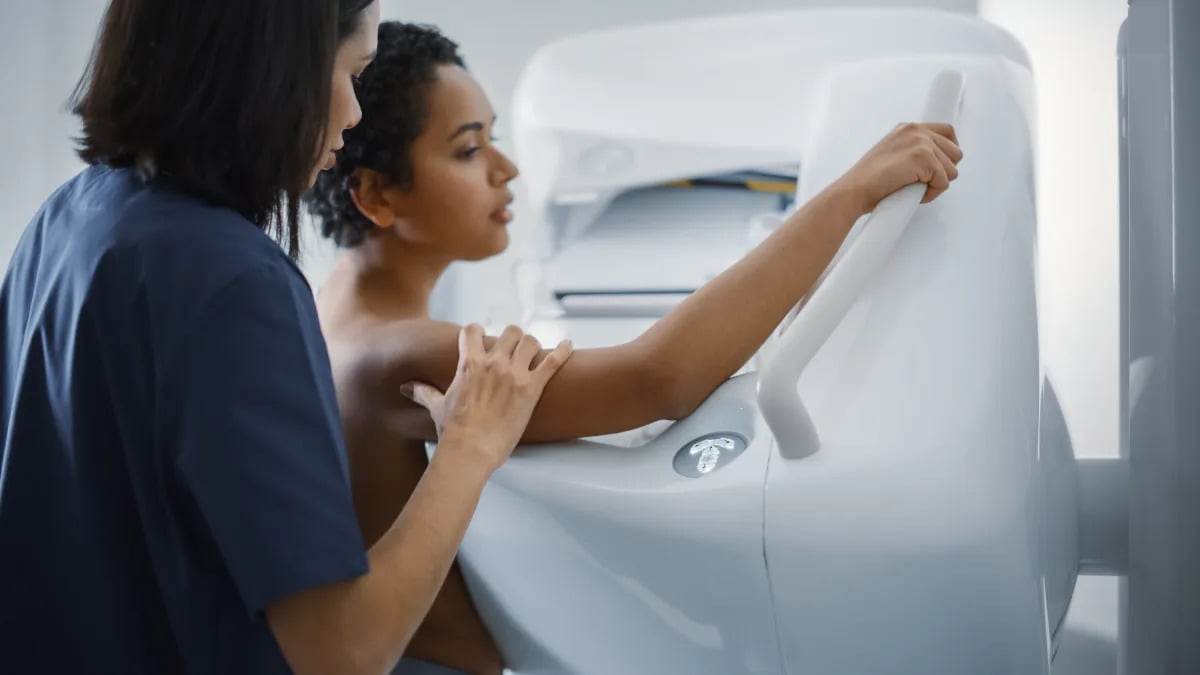
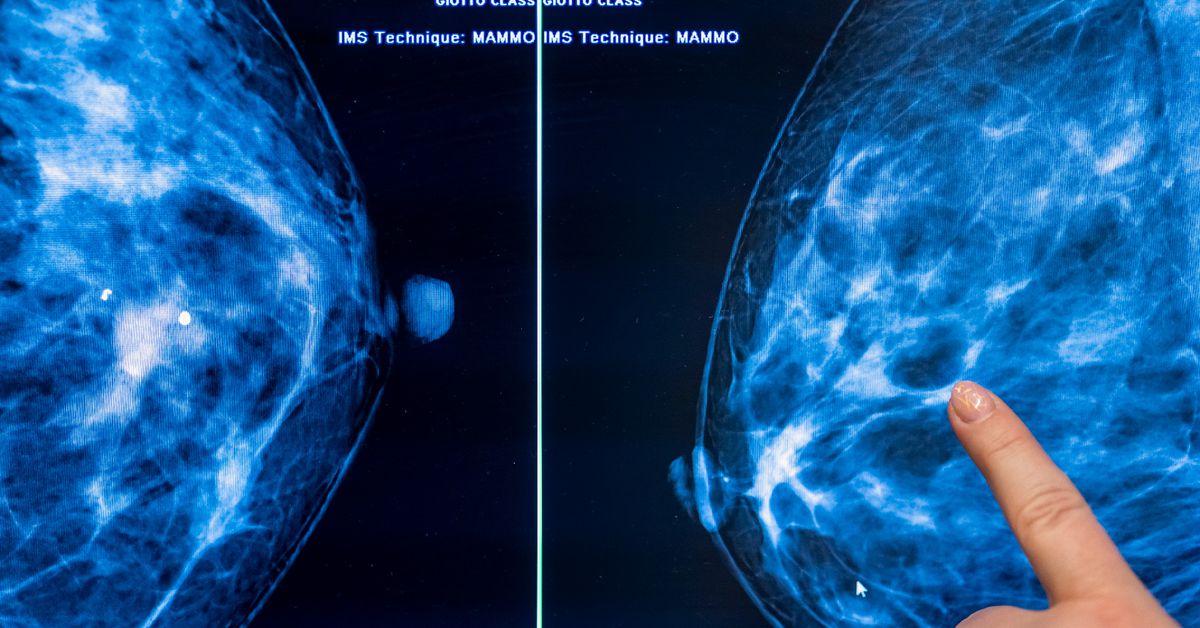
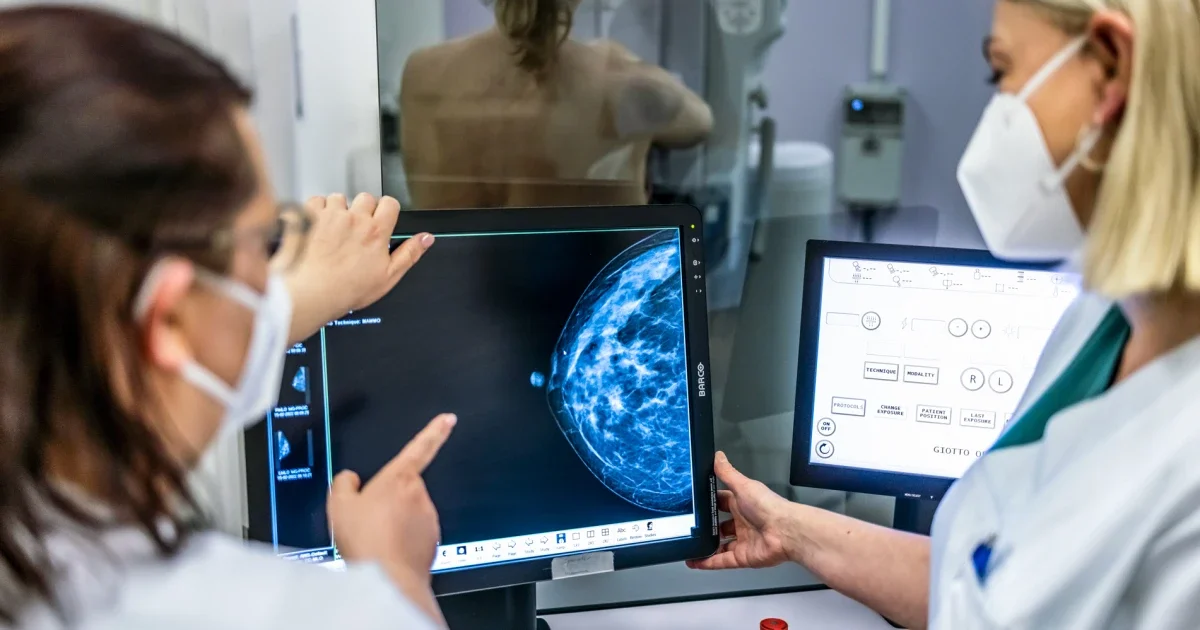
A new study published in Radiology suggests that women should start annual mammograms at age 40, aligning with updated draft recommendations from the US Preventive Services Task Force. While consistent screenings can reduce breast cancer mortality, conflicting guidelines and potential risks like false positives and overdiagnosis exist. Experts advise consulting with healthcare providers to assess individual risk and discuss the benefits and downsides of early screening, with most health insurance plans covering mammograms for women under 50.
The US Preventive Services Task Force (USPSTF) has released new guidelines recommending that women with average breast cancer risk start getting mammograms every two years beginning at 40, instead of starting at age 50. However, experts warn that mammograms can lead to overdiagnosis and overtreatment, causing harm to patients. Black women, who have higher rates of breast cancer deaths, may benefit from earlier mammograms, but the new recommendations do not address the root causes of health care access disparities. Instead, experts suggest identifying the causes of triple-negative breast cancers and addressing racial inequities in health care access.
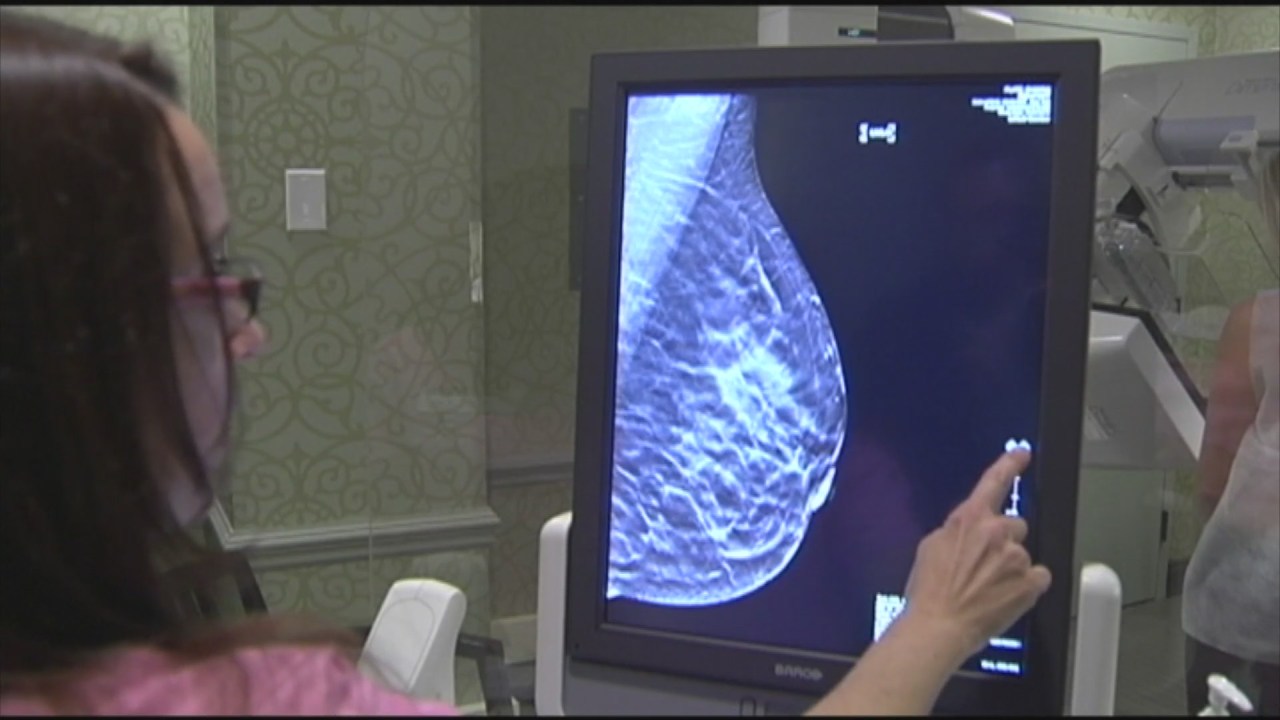
Despite the U.S. Preventive Services Task Force's (USPSTF) updated guidelines recommending women should get mammograms every two years beginning at age 40, Doctor Jill Westerkamp with Iowa Radiology in Clive believes women should get mammograms every year, not biannually, beginning at age 40. She said that was USPSTF recommendation until 2009. Westerkamp said some women should start getting screened as early as in their 30s if they’re at a higher risk for breast cancer.