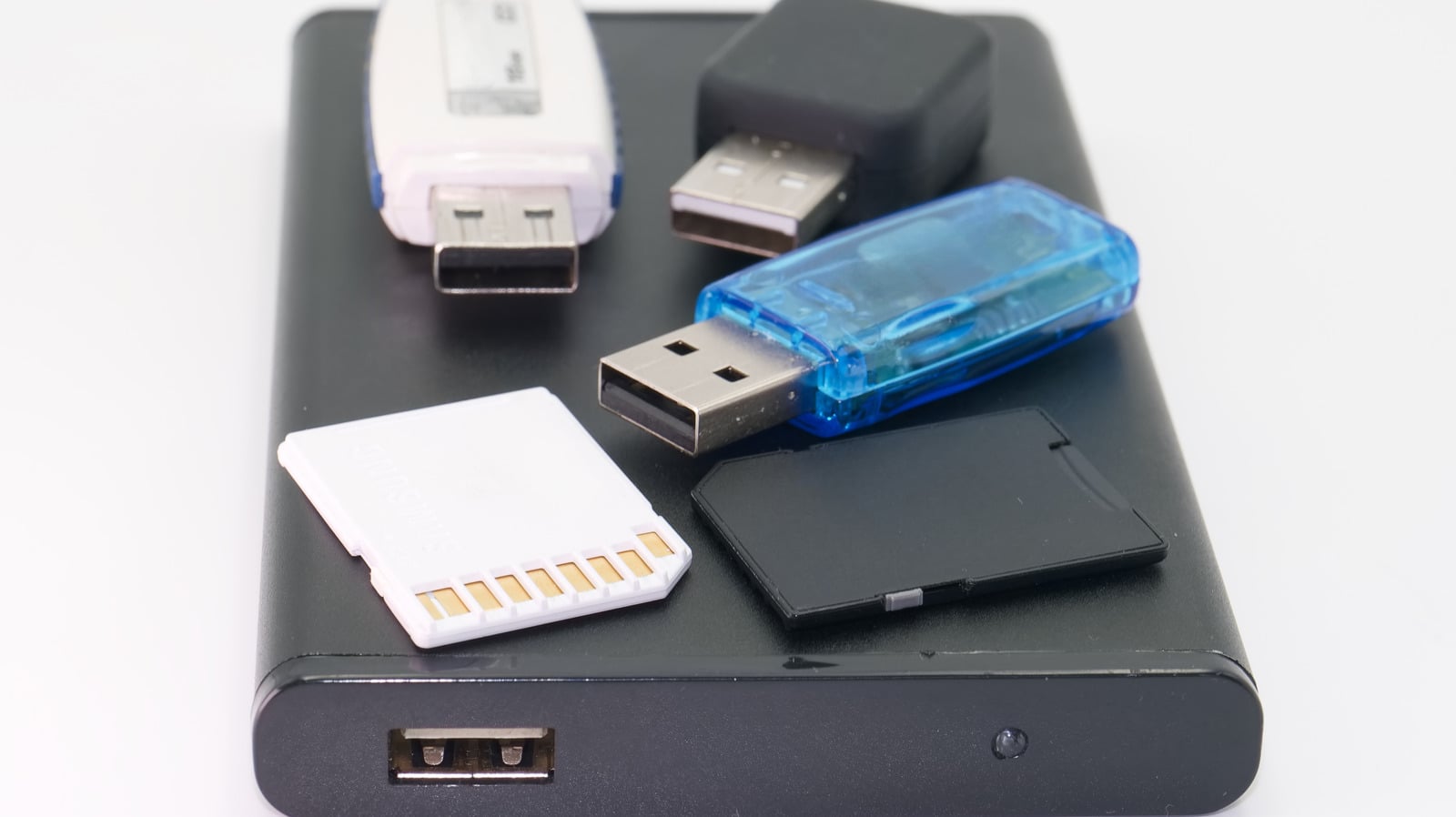
USB drives, once essential for data transfer, are being replaced by more efficient and versatile options like portable SSDs, SD cards, and cloud storage, due to their higher speeds, larger capacities, durability, and convenience.
Malware designed to spread through USB drives is accidentally infecting networked storage devices, according to cybersecurity firm Checkpoint. The malware comes from a group called Camaro Dragon, which Checkpoint believes is most interested in Asian targets. The malware installs a backdoor and tries to exfiltrate data. The accidental infection of networked storage is serious, as that is where many organisations store their important data. The malware has been seen in Myanmar, South Korea, Great Britain, India and Russia.
Microsoft is sending out free USB drives to Windows 11 Insider program users who need to perform a clean installation of the operating system. However, users need to receive a special code via email to request the USB drive, and there is a 6-8 week delivery window. It may be more practical for users to purchase a cheap USB drive or borrow one instead.