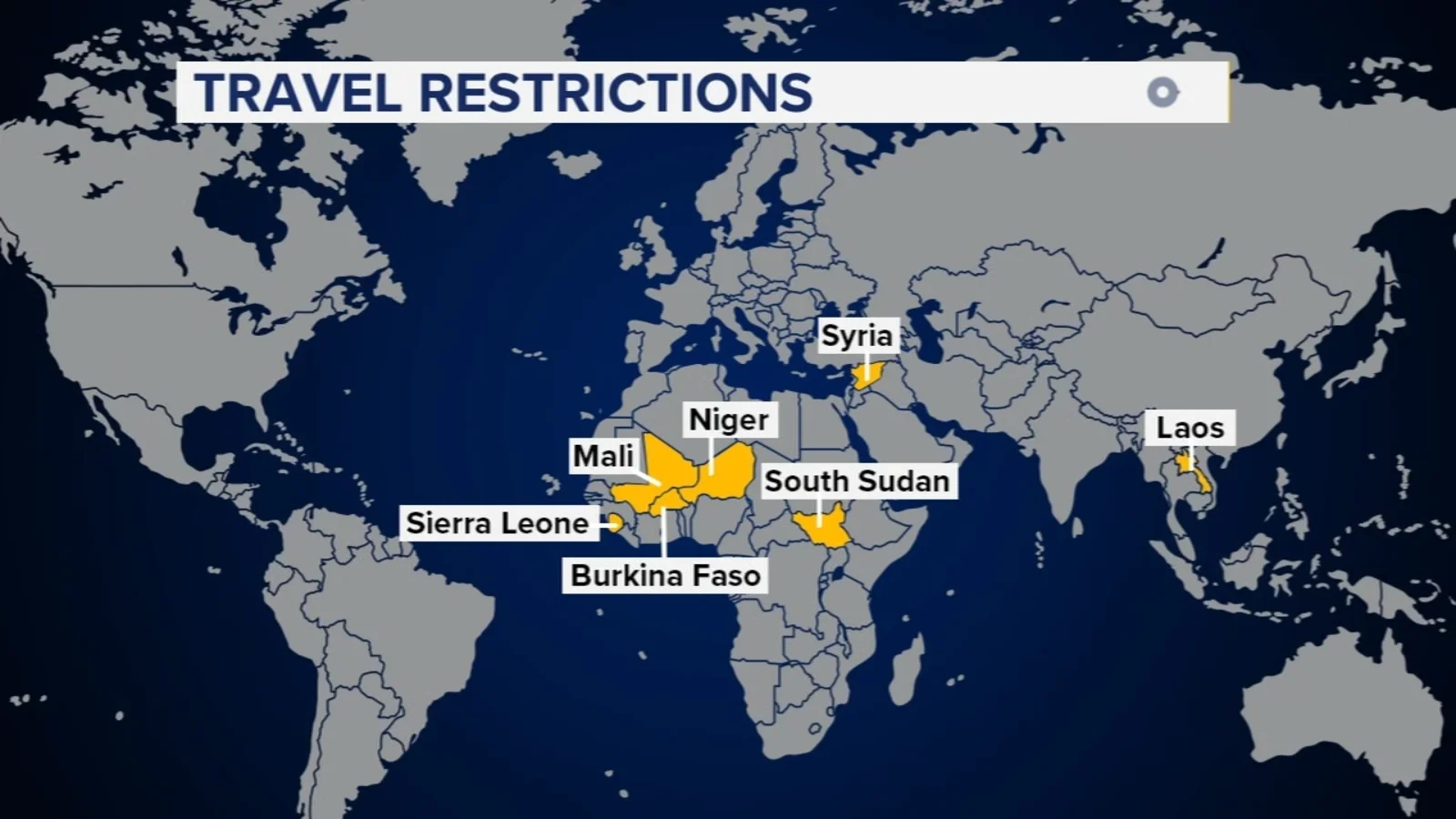
The US has implemented new travel restrictions affecting individuals from seven countries, along with ongoing bans on others, citing national security concerns, and has introduced a weighted system for H1-B visa applications to prioritize higher-wage earners, which may limit opportunities for lower-wage foreign workers and impact international students.
The US has banned Iranian diplomats in New York from shopping at wholesale clubs like Costco and buying luxury items without government approval, as part of broader sanctions and restrictions on Iran, aiming to prevent regime officials from exploiting diplomatic privileges for personal gain.
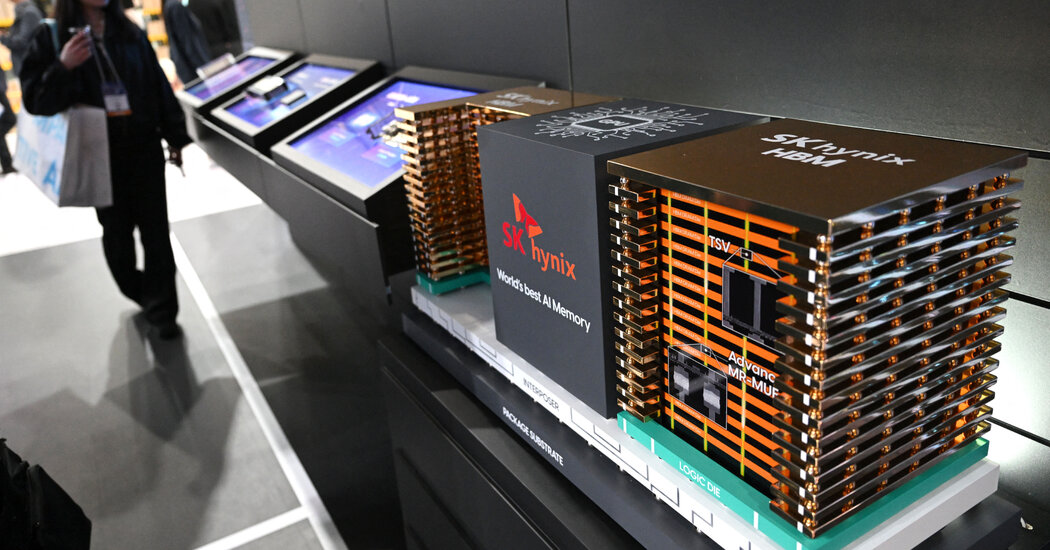
The US is tightening restrictions on SK Hynix and Samsung by revoking their exemptions to buy US semiconductor equipment for China, requiring new licenses for future purchases, which may impact their operations and the global semiconductor supply chain, while potentially benefiting Chinese and US competitors like Micron.
The US government is tightening restrictions on Samsung and SK Hynix by revoking licenses that allowed them to ship American semiconductor equipment to China, aiming to limit China's access to advanced technology and impacting the global chip supply chain amid ongoing US-China tensions.
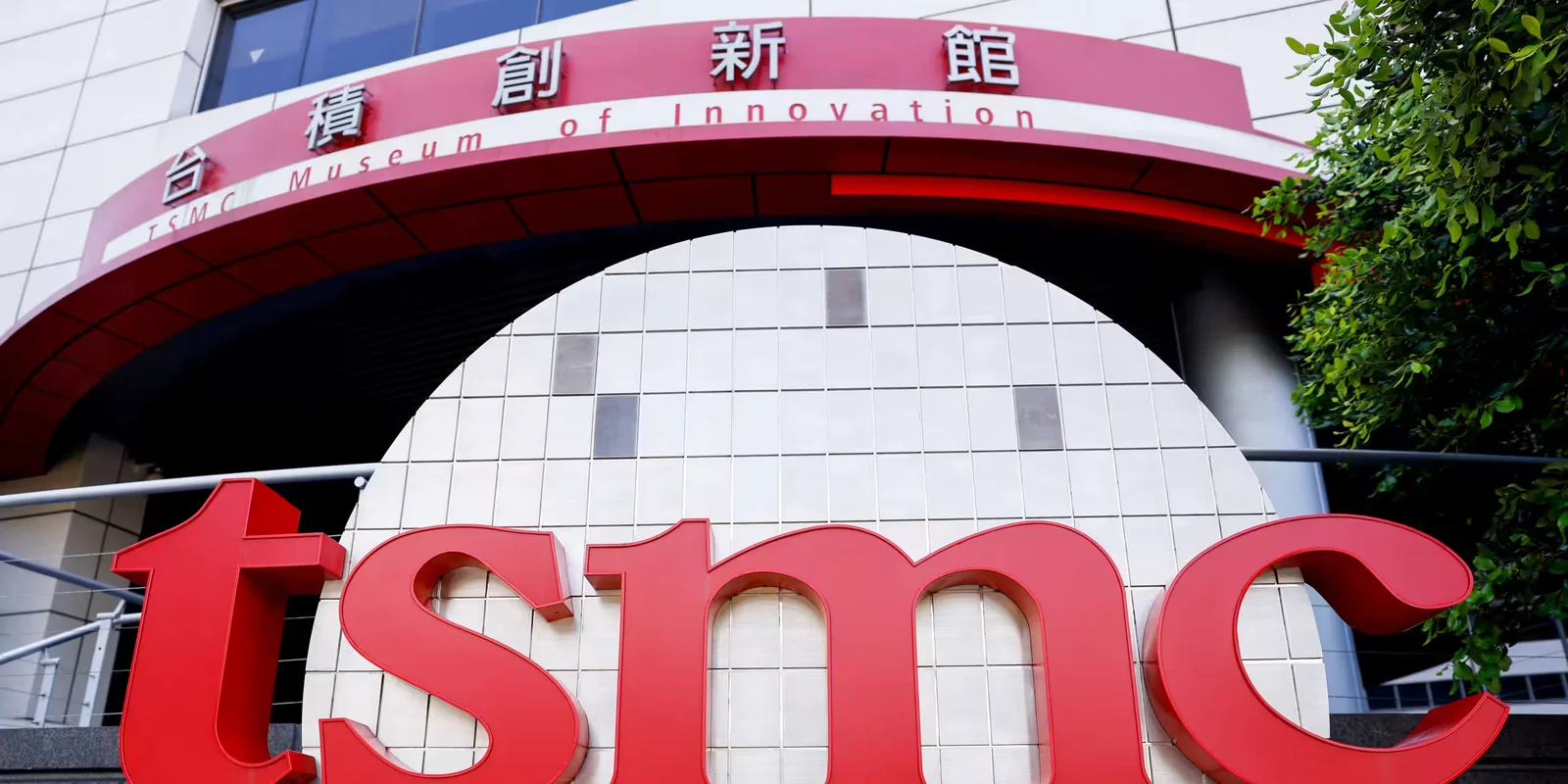
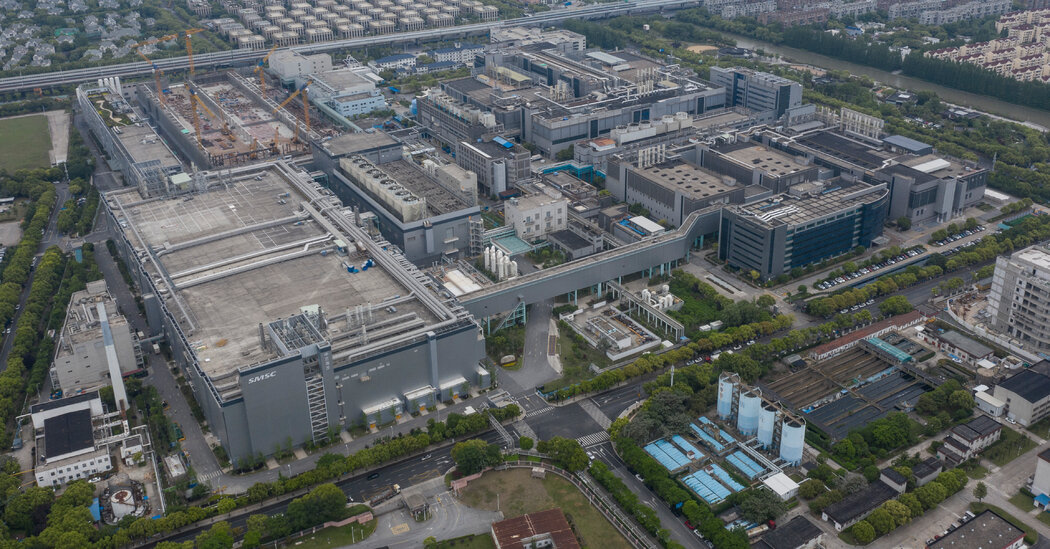
TSMC is removing Chinese chipmaking equipment from its most advanced 2-nanometer chip plants to prevent potential US restrictions from disrupting its production process.
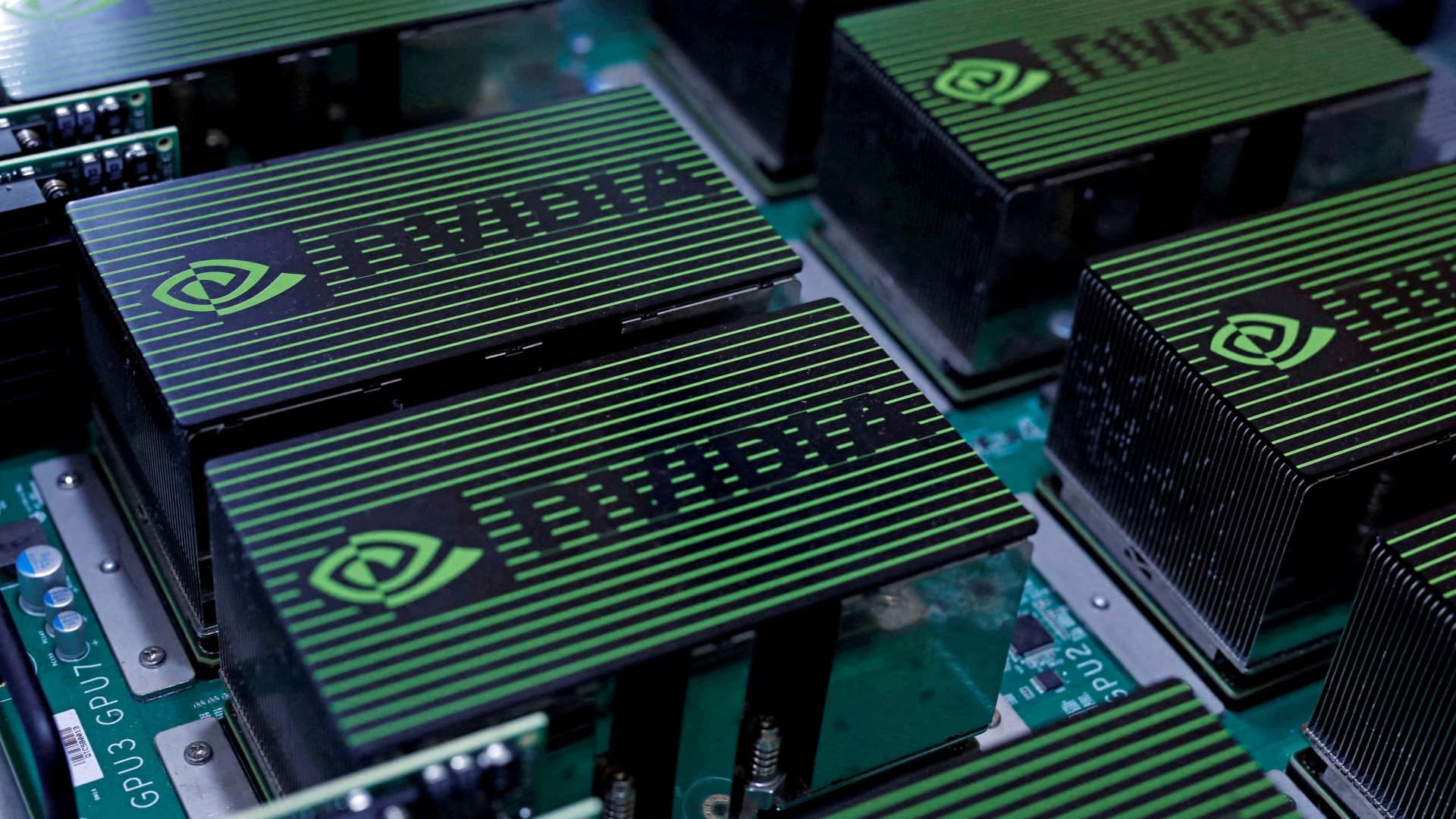
Nvidia plans to resume sales of a key AI chip to China after US export restrictions, highlighting ongoing US-China trade negotiations and the importance of the Chinese market for American tech giants.
NVIDIA and AMD are planning to sell new AI-focused GPUs in China starting July to comply with US export restrictions, with NVIDIA introducing a budget AI chip and AMD launching the Radeon AI PRO R9700, amid significant revenue impacts for NVIDIA due to licensing restrictions.
NVIDIA is set to release the GeForce RTX 5090D GPU in China, a "D-Series" model designed to comply with US export restrictions by featuring reduced core counts. This follows the success of the RTX 4090D in the Chinese market. The RTX 5090D is expected to launch alongside its standard counterparts in early 2025, possibly before the Chinese New Year. As US policies may tighten, NVIDIA faces challenges in maintaining its Chinese market strategy.
Despite US restrictions, China is on the verge of achieving next-generation chip production, a significant milestone in the semiconductor industry. This development underscores China's determination to become self-reliant in advanced chip manufacturing, reducing its dependence on foreign technology.
Nvidia has reportedly found a way to sell high-end chips to Chinese companies while remaining compliant with US rules aimed at limiting China's access to technology. The chipmaking giant is set to deliver three new chips, based on its H100 chip, to domestic manufacturers in China. These chips, called HGX H20, L20 PCle, and L2 PCle, have operating metrics that fall outside the threshold of US restrictions. China accounts for a significant portion of Nvidia's revenue, and while Chinese manufacturers continue to buy Nvidia's chips in the near term, they are also searching for replacements. The US has been tightening restrictions on sales to China, particularly in the semiconductor industry, as it aims to limit China's development of advanced technology for military use.
Nvidia is developing artificial intelligence (AI) chips specifically for China as part of its efforts to navigate around US restrictions. The move comes as the US government has imposed sanctions on Chinese tech companies, including Huawei, limiting their access to American technology. By developing AI chips tailored for the Chinese market, Nvidia aims to continue its business in China while avoiding potential disruptions caused by US restrictions on technology exports.
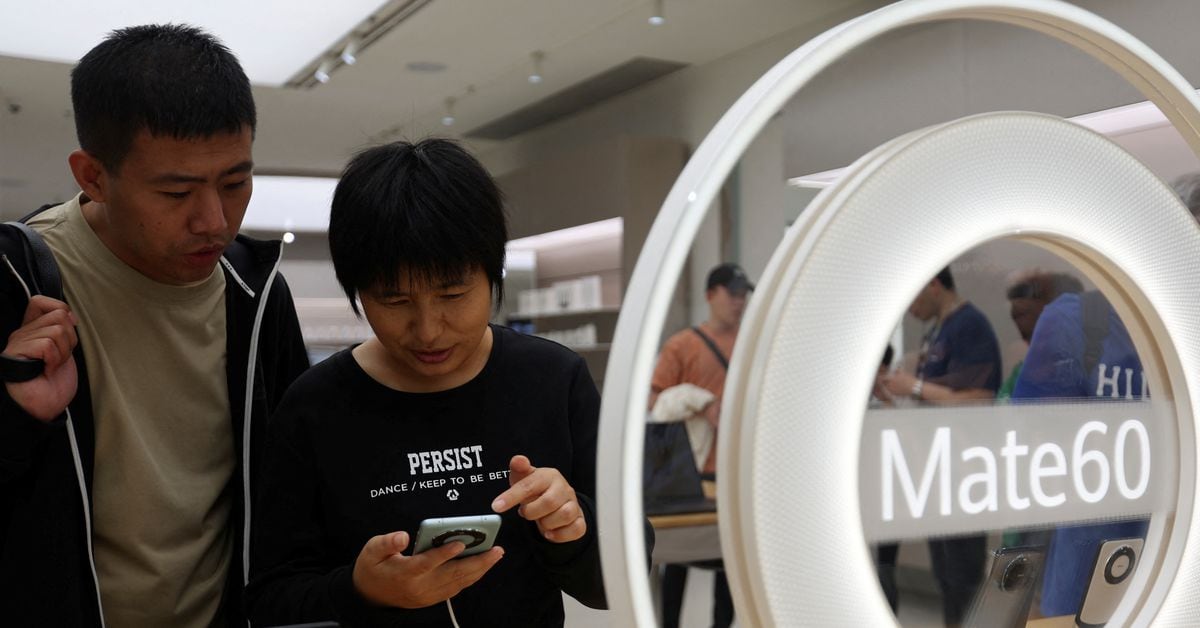
Huawei Technologies began its product launch event by expressing gratitude to China for its support, as the tech giant faces US restrictions. The event is expected to reveal more details about the Mate 60 smartphone series, which has been praised by Chinese state media as a sign of Huawei's resilience against US sanctions. The Mate 60 Pro, already released, is said to have a Chinese-made chip and 5G capabilities. Huawei's CEO announced the launch of a new tablet called the MatePad Pro 13.2 and introduced a new high-end brand called 'Ultimate Design'. The event coincides with the two-year anniversary of Huawei Chairwoman Meng Wanzhou's return to China after a nearly three-year detention in Canada.
Chinese chip companies are accelerating their push for a more independent chip sector after US trade barriers cut off their access to Western tools and skilled workers. State funding is flooding in to cultivate homegrown alternatives to produce less advanced but still lucrative semiconductors. Dozens of Chinese chip companies are finalizing plans to raise money through public offerings this year. The new subsidies aim to remove Western components from China’s supply chains. Over the long term, China’s lack of access to world-class tools needed to make chips could stymie its progress in many advanced industries like artificial intelligence and aerospace.