In 2025, crypto dealmaking hit a record $8.6 billion driven by US government support and industry consolidation, with expectations of continued growth into 2026 as new regulations and stablecoin demand shape the market.
PayPal has applied to become a bank in the US to enhance its small-business lending and offer interest-bearing savings accounts, leveraging a more favorable regulatory environment under the Trump administration, with potential approval from federal agencies.
A US-based investor, Frank McCourt, is awaiting clarity on the potential sale of TikTok's US operations amid ongoing delays and uncertainties surrounding the legal and political landscape, with discussions involving major US investors and government officials, but no definitive deal has been announced.
Nvidia CEO Jensen Huang warns that China is on track to win the AI race, citing China's subsidies and research dominance, while expressing concern over US regulatory efforts that could hinder American leadership in AI development.
Stablecoin usage for real-world payments in the US has surged by 70% since new legislation was enacted, with over $10 billion moved in August, primarily for business-to-business transfers, as companies leverage stablecoins to bypass banking delays and earn yields, indicating rapid growth and increasing adoption in the financial sector.
Tether announced the launch of USA₮, a U.S.-regulated dollar-backed stablecoin, and appointed Bo Hines as CEO of Tether USA₮, emphasizing transparency, compliance, and American leadership in digital assets to strengthen U.S. dollar dominance.
Visa has shut down its open-banking operations in the US due to regulatory uncertainties and debates over consumer data rights, focusing instead on markets like Europe and Latin America. This move comes amid ongoing discussions and legal challenges surrounding rules that govern data sharing between banks and third-party providers, with competitors like Mastercard continuing their open-banking services.
The stablecoin supply on Ethereum has reached an all-time high of $130 billion, driven by increased activity across multiple blockchains and recent U.S. regulatory clarity. This surge in stablecoin liquidity, along with capital rotation from Bitcoin and growing reserves in the U.S., could potentially trigger a new altcoin rally, especially if stablecoin dominance declines further and Bitcoin's dominance continues to fall.
XRP shows potential for a 20% surge in August amid a broader shift towards favorable US crypto regulations, with increased regulatory clarity and political support encouraging companies to relocate and expand in the US. Meanwhile, the crypto industry faces challenges like hacks and legal trials, but overall interest from CFOs and regulatory developments signal a growing institutional and governmental acceptance of digital assets.
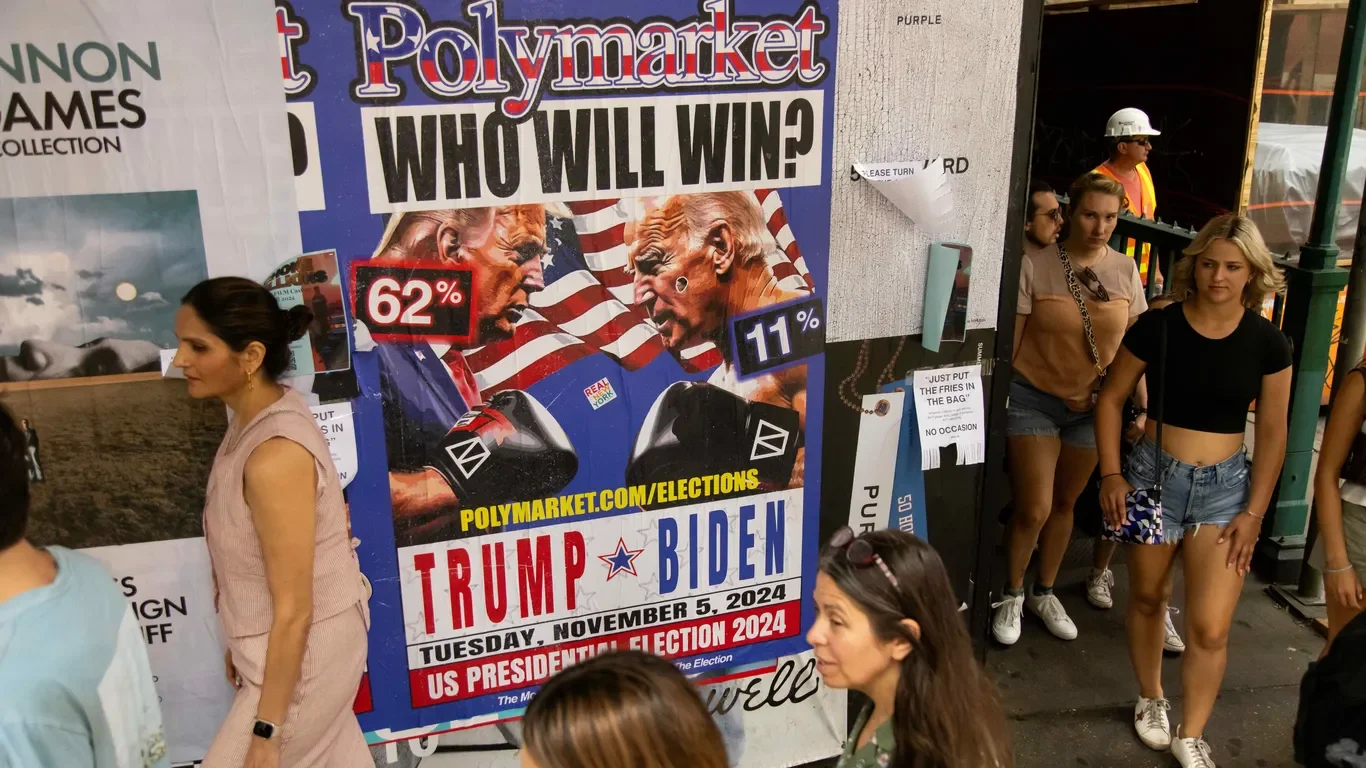
Polymarket plans to return to the U.S. market after acquiring derivatives exchange QCX for $112 million, which holds a CFTC license, allowing it to legally offer prediction markets to Americans and expand its presence amid increasing popularity and regulatory clarity.
US regulatory restrictions and funding cuts threaten to stall promising mRNA cancer research, which has shown potential in treating various cancers, amid ongoing debates over COVID-19 vaccine safety and policy.
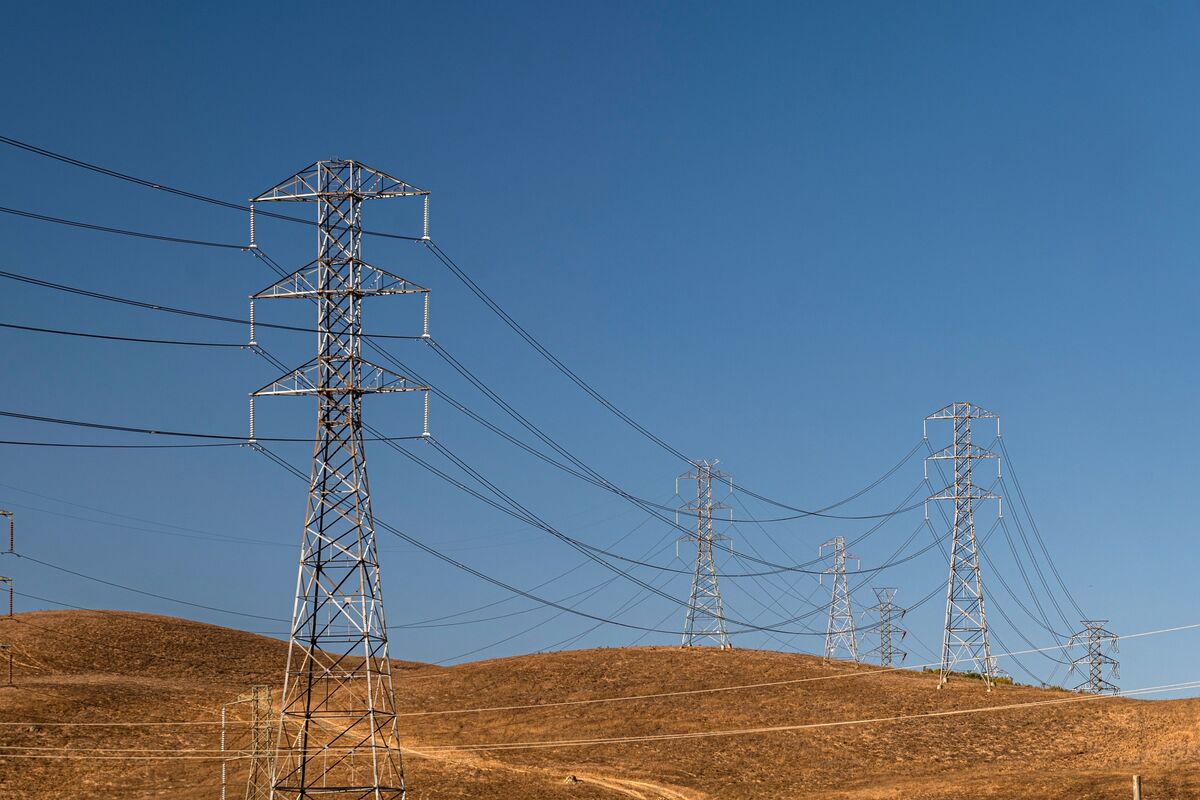
US regulators warn that the rapid growth of data centers, especially for AI and cryptocurrency mining, poses a significant risk to electric grid stability due to their unpredictable power demands and sensitivity to voltage swings, with recent outages highlighting the need for better integration and energy management solutions.
A new draft bill in the US aimed at regulating stablecoins has sparked debate within the cryptocurrency sector. While some, like Ryan Berckmans, see it as a big win for Ethereum, others, like Jake Chervinsky, have expressed concerns about its potential impact. The bill could significantly alter the operational landscape for digital currencies, particularly Ethereum and its associated stablecoins, by legitimizing stablecoins on public chains and potentially transforming the banking sector’s approach to digital currencies. The final version of the legislation will be critical in shaping the future of stablecoins and blockchain technology in the United States and possibly globally.
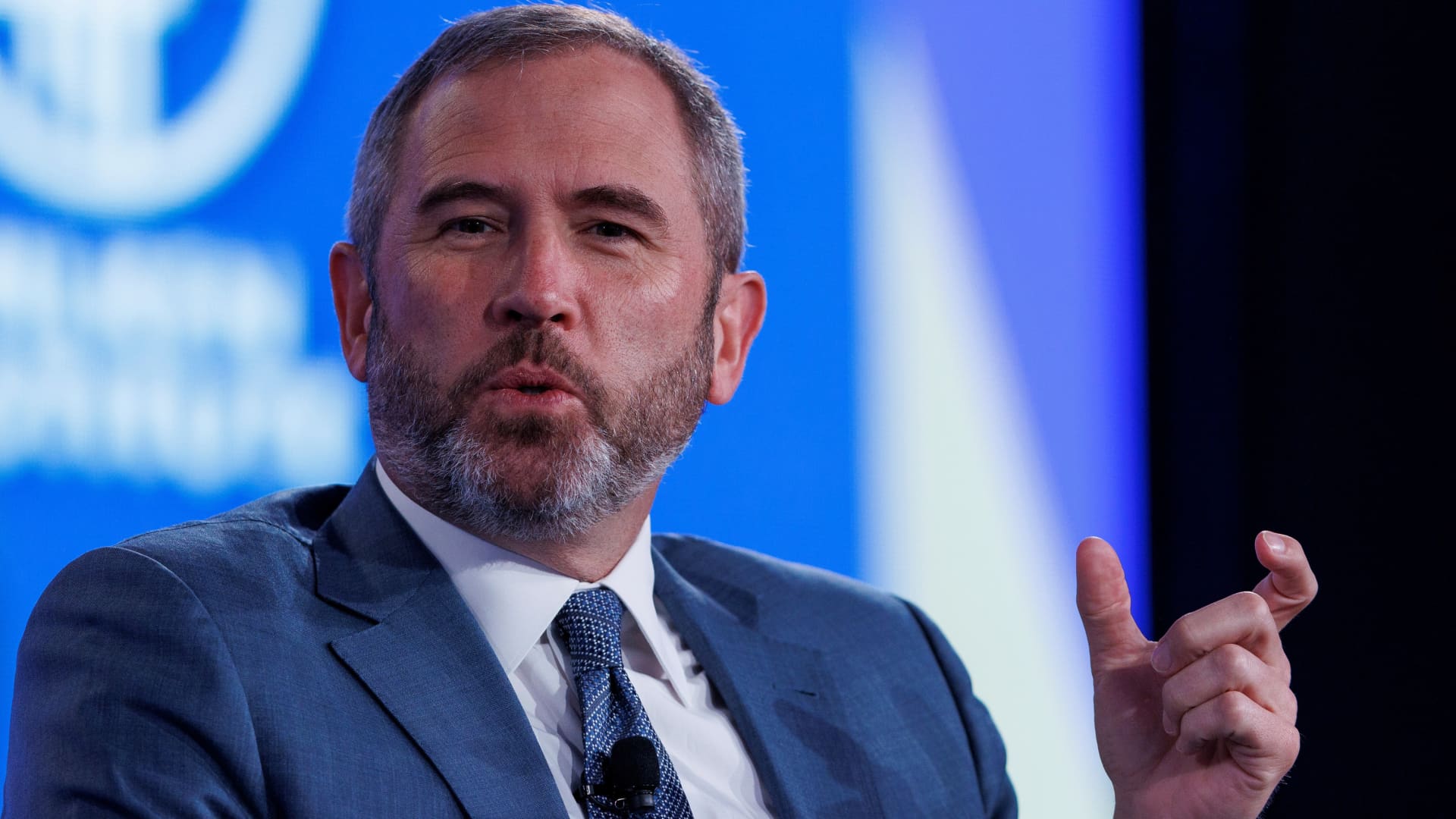
Ripple CEO Brad Garlinghouse predicts the cryptocurrency market will double in size to $5 trillion by the end of 2024, citing factors such as the approval of the first U.S. spot bitcoin exchange-traded funds and the upcoming bitcoin "halving." He also sees positive signs in U.S. crypto regulation, expecting more clarity and a shift in policy focus. Other industry experts, including the COO of U.S. crypto exchange Gemini, also anticipate significant gains, with predictions of bitcoin reaching $150,000 later this year.
The U.S. government has stated that it will not require space-imagery companies to alter the images they release to the public, despite concerns over the revealing of sensitive information during conflicts. While some firms have reportedly slowed the distribution of photos showing Israeli troops in the Gaza Strip, the National Oceanic and Atmospheric Administration (NOAA) has stated that it is not considering additional restrictions. However, U.S. law has long limited the release of high-resolution satellite imagery of Israel, and licenses granted by NOAA also impose restrictions on the dissemination of certain data. The government has previously used contracts to buy up imagery it wants to remain hidden, but the increasing number of companies in the market has made this approach more complicated.