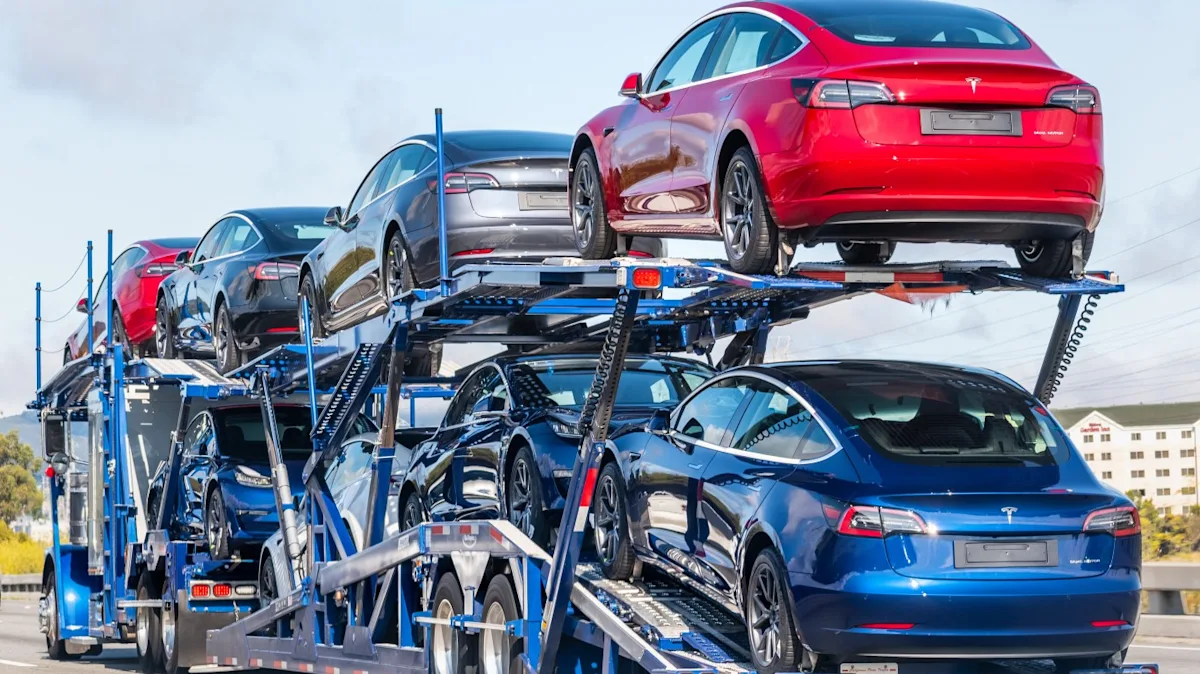
Despite a 23% decline in Tesla's US sales in November, its market share increased from 43% to 56% due to a broader industry decline of 41%, highlighting Tesla's resilience amid increased competition and changing market dynamics. The sales drop was partly due to the end of a federal EV tax credit, and while Tesla's market share has decreased from 80% in 2019, it remains a dominant player, especially if EV sales rebound.
GM achieved its highest US market share in a decade at 17.2% in 2025, driven by strong EV and SUV sales, despite a challenging month for Buick. Electric vehicle sales surged over 100%, with models like the Chevrolet Equinox EV and Silverado EV leading the growth, contributing to GM's overall positive sales performance in the first nine months of the year.
Tesla's US market share of electric vehicle sales has dropped below 40% in August 2023, declining from over 80% in previous years, amid a surge in EV sales and increased competition following the expiration of the federal tax credit, with global sales also declining and market share in Europe and China decreasing.
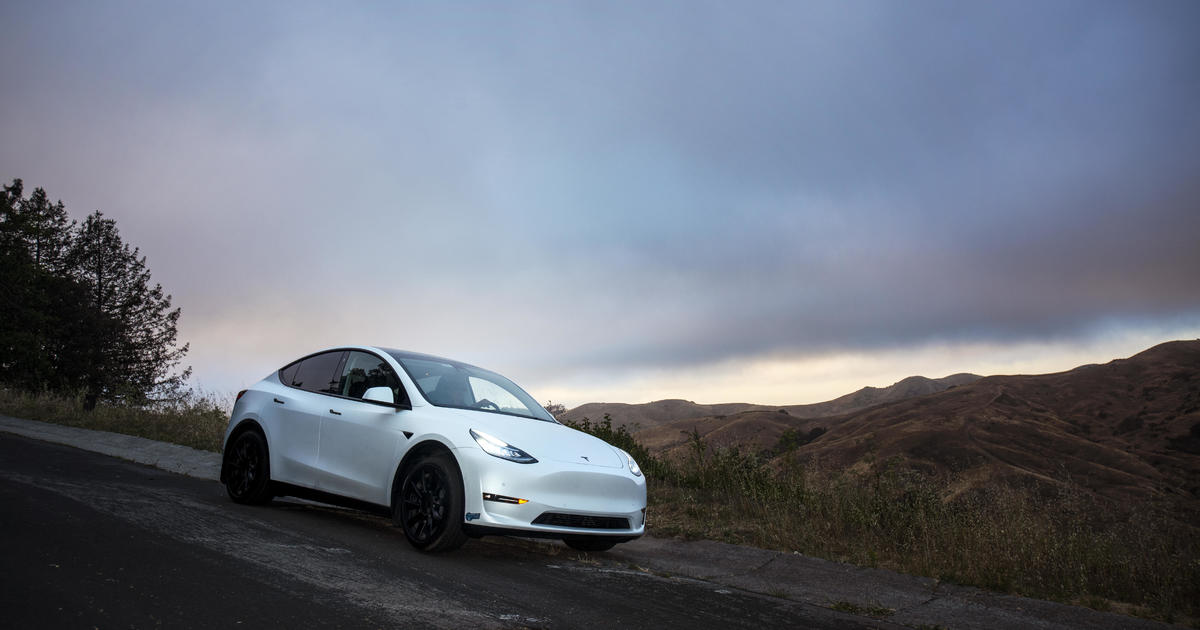
Tesla has lowered the starting price of its Model Y to $46,990, making it $759 cheaper than the average new car or truck in the US. This move comes after Tesla lowered prices on its Model X and Model S vehicles in March and reduced the base price of the Model 3 by about 6% in January. While overall electric vehicle sales are rising, Tesla's US market share is falling, dropping from 80% in 2018-2020 to 71% in 2021, according to registration data from S&P.