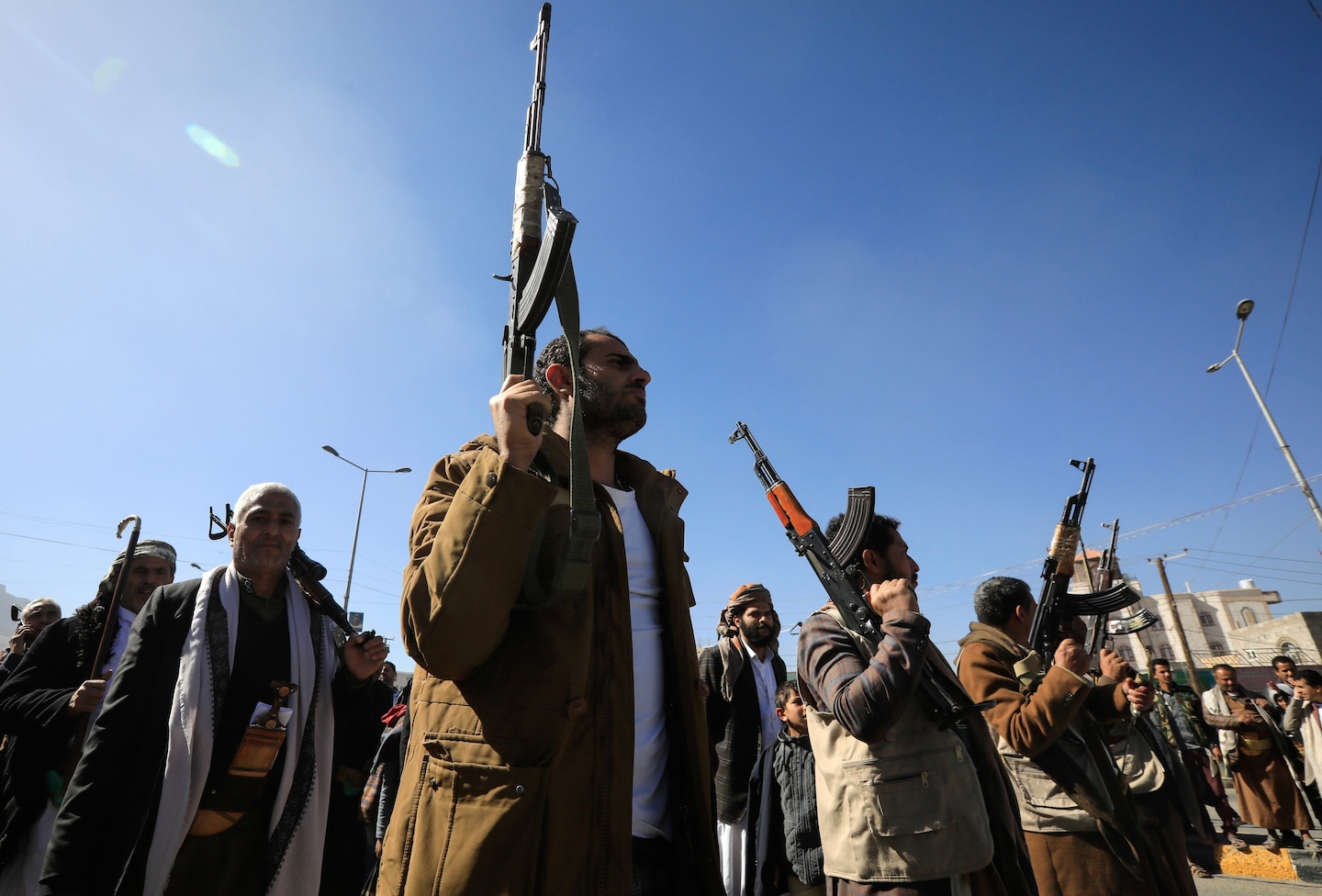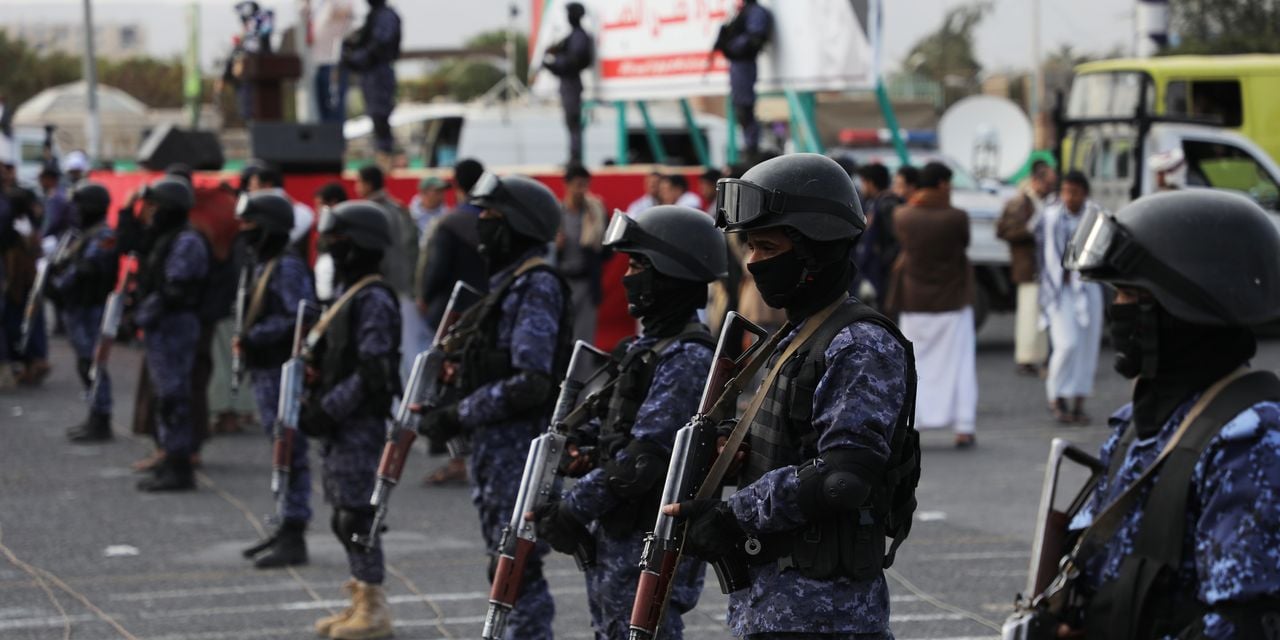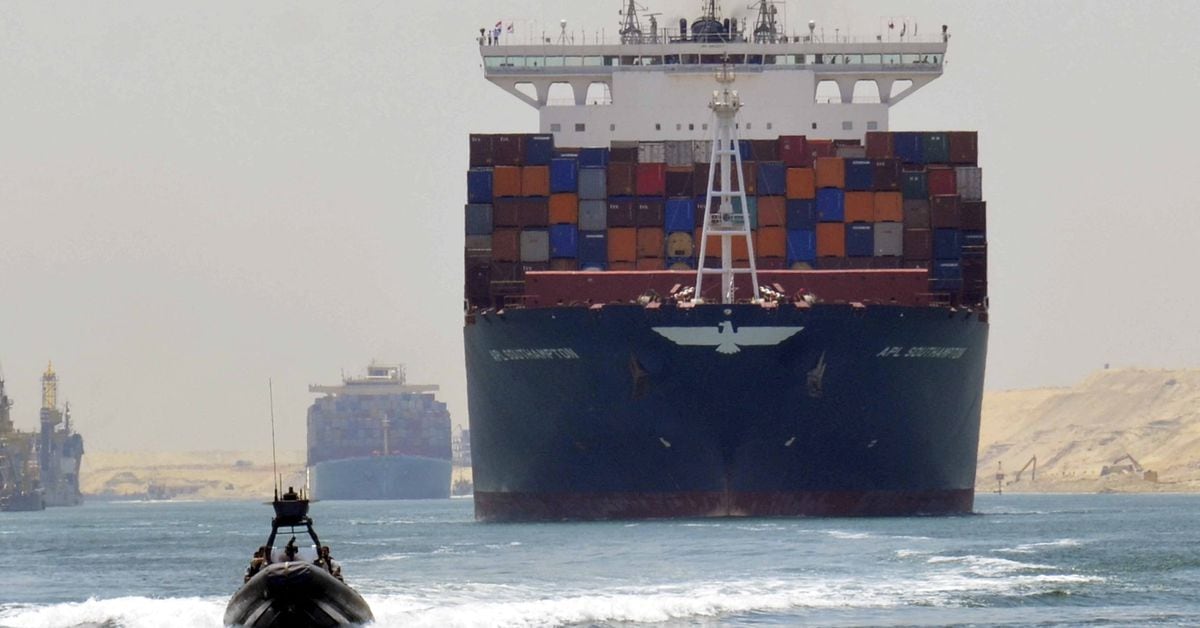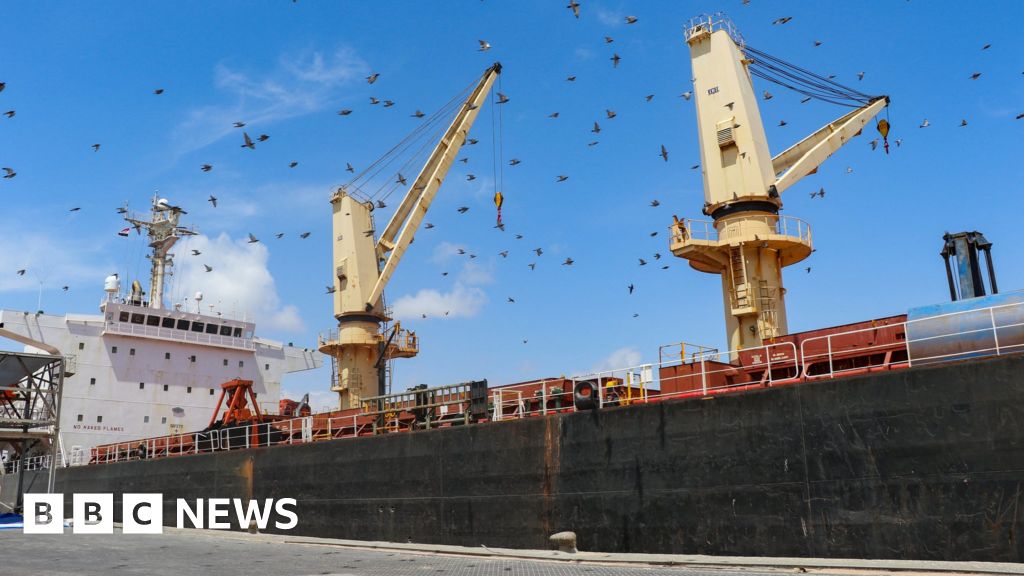
A Greek-flagged cargo ship, the Sea Champion, was struck by two missiles in the Gulf of Aden, causing a fire on board, in an apparent attack by Yemen's Houthi rebels. The UK Maritime Trade Operations agency reported the attack and stated that US-led coalition forces had responded. The Houthi movement has been targeting merchant vessels in the region since November, claiming the attacks are in support of Palestinians in the Israel-Hamas conflict. The US and its allies have condemned the attacks and are taking action to protect freedom of navigation and commercial shipping in the critical waterway.

Iraq and the United States are in discussions to establish a timetable for the gradual withdrawal of US-led coalition forces from Iraq, with talks initiated in January. However, less than 24 hours after the talks began, three US service members were killed in an attack in Jordan, which the United States attributed to Iran-backed militant groups in Syria and Iraq.
The U.S.-led coalition in eastern Syria reportedly thwarted six drone attacks targeting their base at the Conoco oil field, with no information provided on casualties. The coalition and the Kurdish-led Syrian Democratic Forces (SDF) have been facing increased attacks by Iran-backed groups, prompting calls for additional air defense systems to protect their bases.
The U.S.-led Ukraine Defense Contact Group has announced new initiatives to bolster Ukraine's armor and drone capabilities, with Germany and Latvia leading the newly formed coalitions. This effort builds upon ongoing support from close to 50 partner nations to create a formidable Ukrainian force capable of deterring Russian aggression. The group has committed over $80 billion in security assistance to Ukraine since Russia's invasion in 2022, and the U.S. recently announced a $250 million security assistance package. Secretary of Defense Lloyd J. Austin III emphasized the importance of continued support for Ukraine, as the country's allies remain committed to meeting its immediate battlefield needs and long-term security.
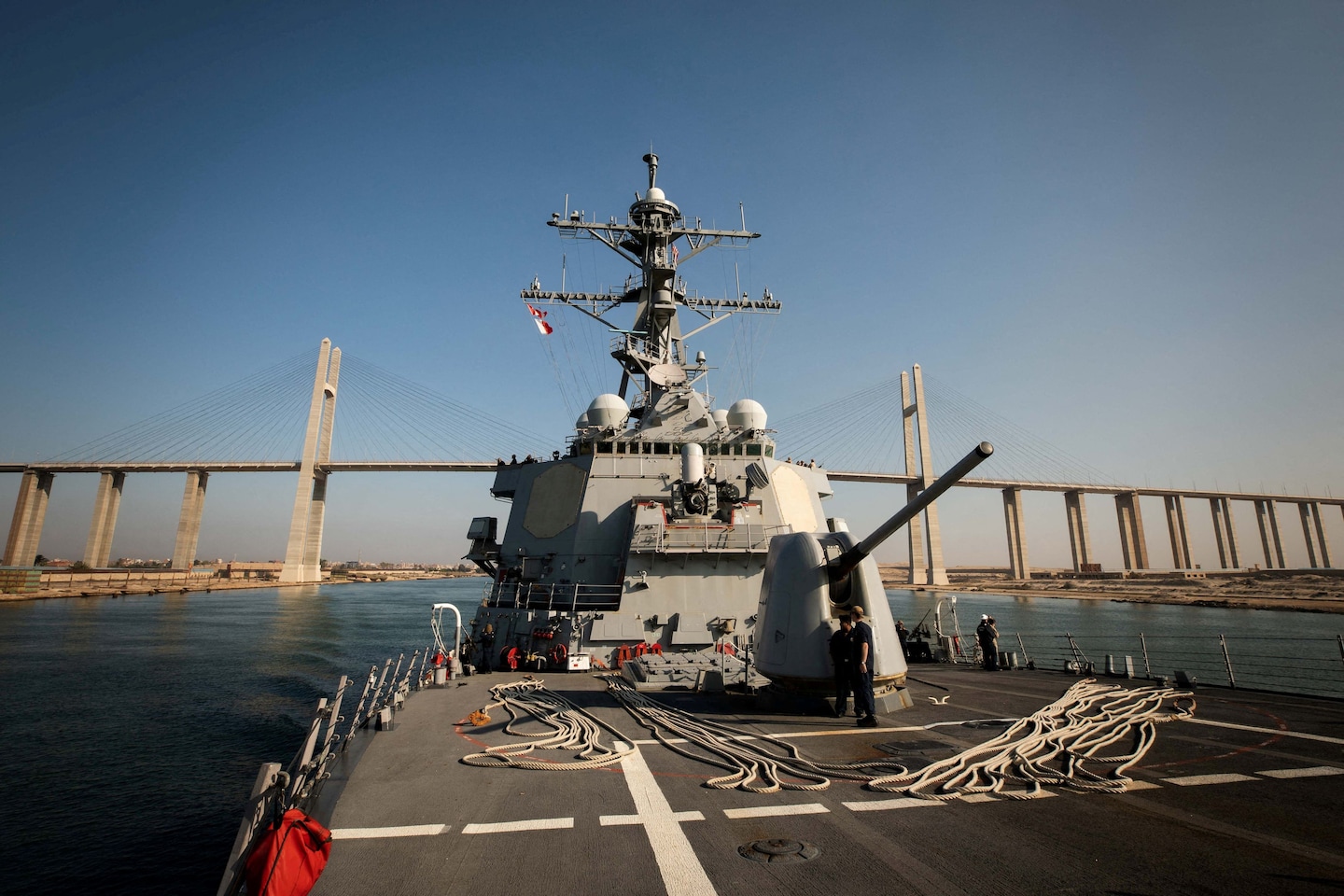
A U.S.-led military coalition conducted strikes against Iran-aligned Houthi militants in Yemen, in response to the group's attacks on commercial vessels in the Red Sea. President Biden characterized the strikes as necessary retaliation to protect U.S. personnel and international commerce. The operation involved U.S. and British forces, with support from other nations, and targeted Houthi capabilities. The strikes are expected to heighten tensions in the Middle East and come after the United Nations Security Council passed a resolution condemning the attacks.
The Middle East is preparing for potential U.S.-led coalition strikes on Houthi positions in Yemen, following the rebel force's refusal to cease attacks on ships in the Red Sea. Possible targets include missile and drone launch sites, radars, and weapons depots in cities like Hodeida and Hajjah, as well as infrastructure in the capital, San’a.
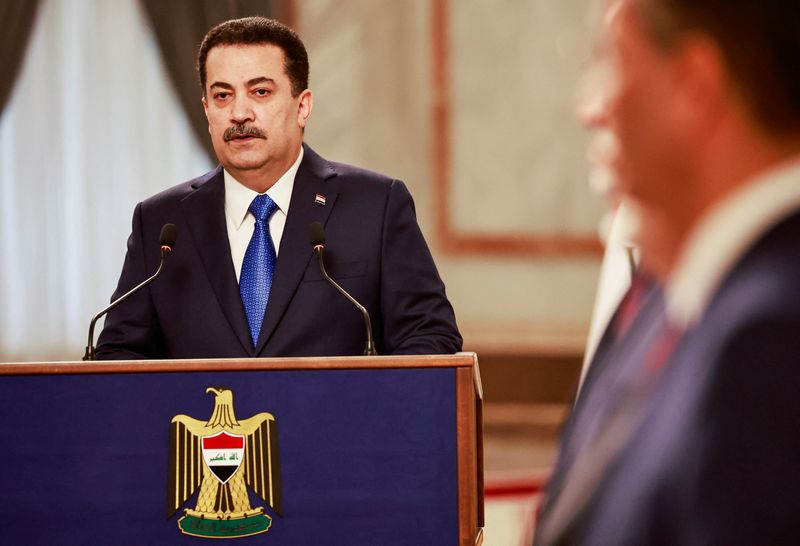
The Iraqi Prime Minister Mohammed Shia al-Sudani's office announced the formation of a committee to plan the closure of the U.S.-led coalition's mission in Iraq. This decision follows a U.S. military strike in Baghdad that killed a militia leader, escalating tensions with Iran-aligned groups. These groups have demanded the withdrawal of coalition forces, which have been in Iraq to assist in preventing the resurgence of the Islamic State. The U.S. currently has troops in both Iraq and Syria, with the stated mission of advising and assisting local forces.
Iraqi Prime Minister Mohammed Shia al-Sudani is setting up a committee to oversee the withdrawal of the U.S.-led international coalition forces from Iraq. This decision follows a U.S. airstrike that killed a militia leader in Baghdad, which has increased pressure from Iran-aligned groups to end the coalition's presence. The U.S. maintains troops in the region to prevent an Islamic State resurgence, but the Iraqi government insists on ending the coalition's mission, citing the diminished need for their presence.
Shipping companies are uncertain about the details and effectiveness of a new international navy coalition led by the United States to combat attacks in the Red Sea. The initiative, launched in response to increased attacks by Iran-backed Houthi militants on vessels in the region, aims to protect commercial shipping and maintain the crucial trade route linking Europe, North America, and Asia. However, the lack of information about the coalition's size, deployment time, rules of engagement, and protection scheme has led many shipping companies to continue avoiding the area or canceling contracts. The attacks have disrupted trade through the Suez Canal, causing container shipping costs to rise as companies seek alternative routes. The success of the coalition's efforts remains uncertain, and the shipping industry is waiting for concrete action to ensure the safety of their operations.
Yemen's Houthi militants have stated that they will continue their "military operations" in the Red Sea, despite the formation of a multinational naval coalition led by the United States to protect commercial shipping in the region. The Houthi attacks on commercial ships have disrupted one of the world's busiest shipping routes, with several companies, including BP and Maersk, pausing their shipments through the Red Sea. The US-led coalition, which includes countries like the UK, Bahrain, Canada, and France, aims to deter the Houthi attacks, which have targeted merchant vessels using ballistic missiles and drones. The conflict between the Houthis and the US-backed government forces in Yemen has caused a severe humanitarian crisis and led to tens of thousands of deaths.
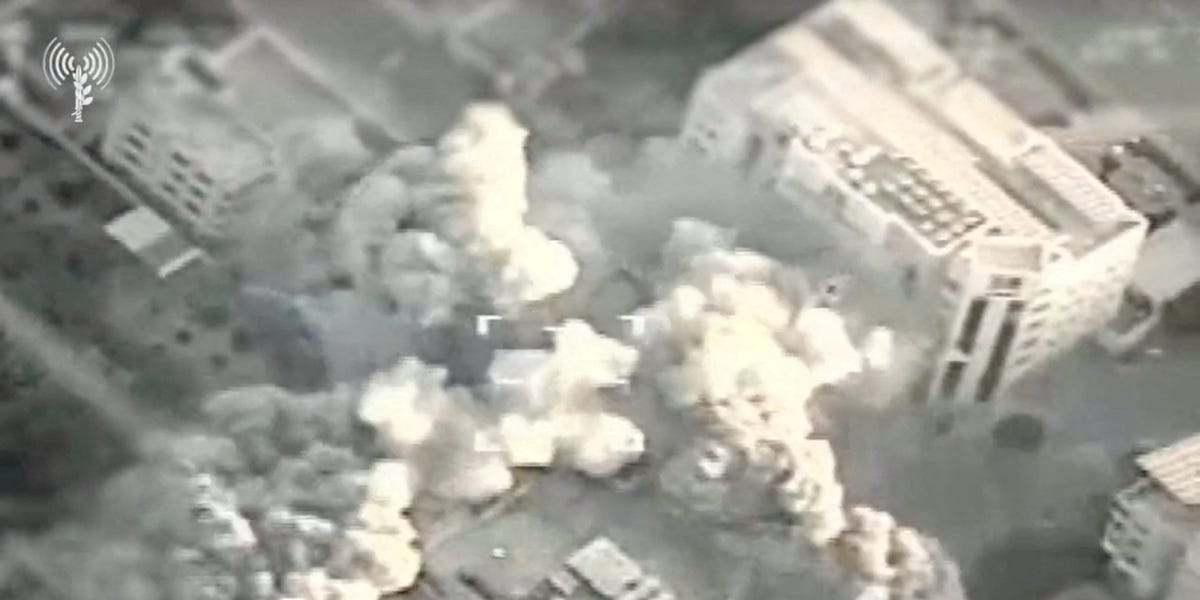
Israel has dropped 6,000 bombs on the Gaza Strip in the first six days of its war with Hamas, surpassing the number of bombs dropped by the US-led coalition in any month during the fight against ISIS. The Israeli Air Force's relentless campaign has caused significant destruction, resulting in the deaths of at least 1,500 Palestinians and injuring over 6,600. Israeli officials have indicated that the airstrikes are a prelude to a major ground offensive, while UN and human rights organizations are calling for deescalation to prevent further humanitarian crisis.
Russia claims that two drones from the US-led coalition dangerously approached its military jets over Syria, with close interactions occurring over Raqqa and the Mediterranean Sea. The Russian pilots successfully took measures to prevent a collision, demonstrating high professionalism. Similar incidents have been reported recently by both Russia and the United States in Syria.
Russian and Syrian air and air defense forces have begun joint drills in Syria aimed at developing joint aviation and air defense work. The Russian Defense Ministry expressed concern over the US-led coalition's drones violating flight safety rules during the drills. The Russian side has reported 315 violations of air safety rules by the coalition in Syria, including instances of US Air Force pilots activating their weapon systems near Russian aircraft. Meanwhile, the head of the Russian Foreign Intelligence Service warned that the US administration is obstructing normalization between Arab countries and Syria and providing dangerous chemicals to terrorists.