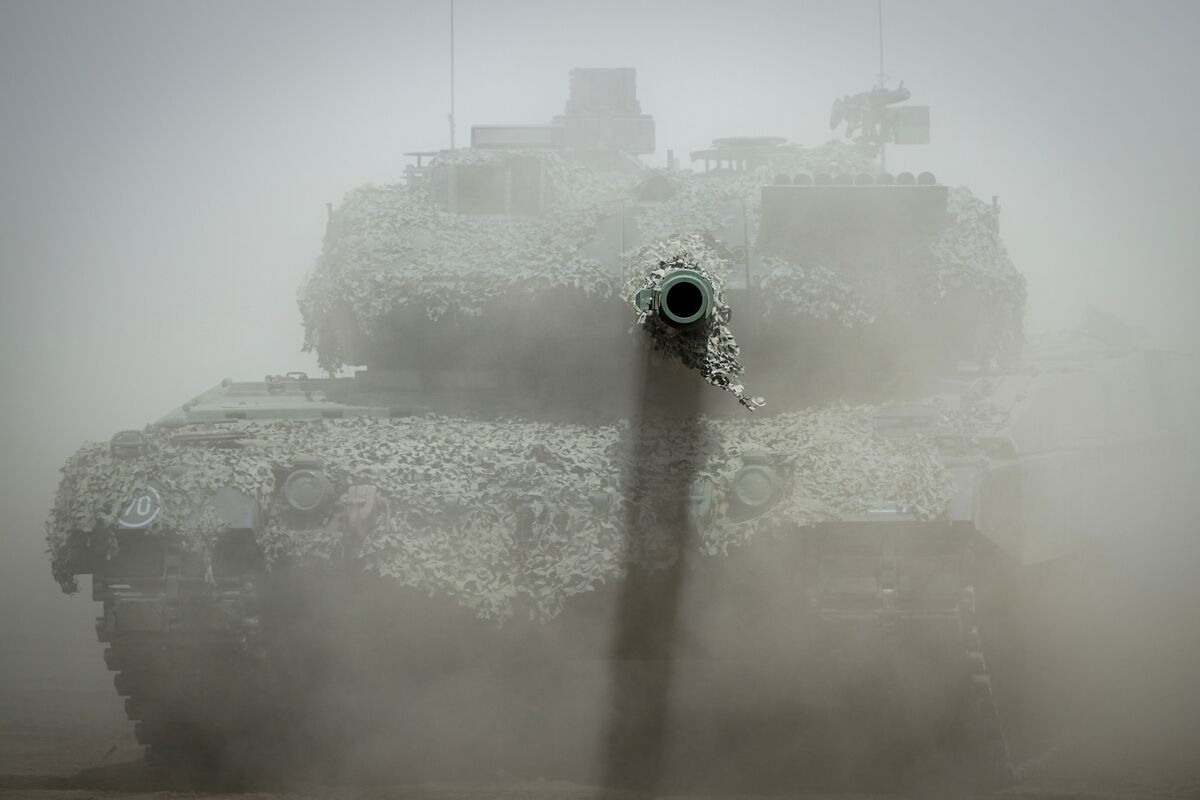
The global rearmament is accelerating, leading to significant financial burdens for western governments already grappling with economic challenges. With defense spending hitting a record high of $2.2 trillion last year, EU nations are just beginning to assess the requirements for 21st-century security amid a resurgent Russia, instability in the Middle East, and the growing Chinese military, which is diverting US focus to the Pacific.
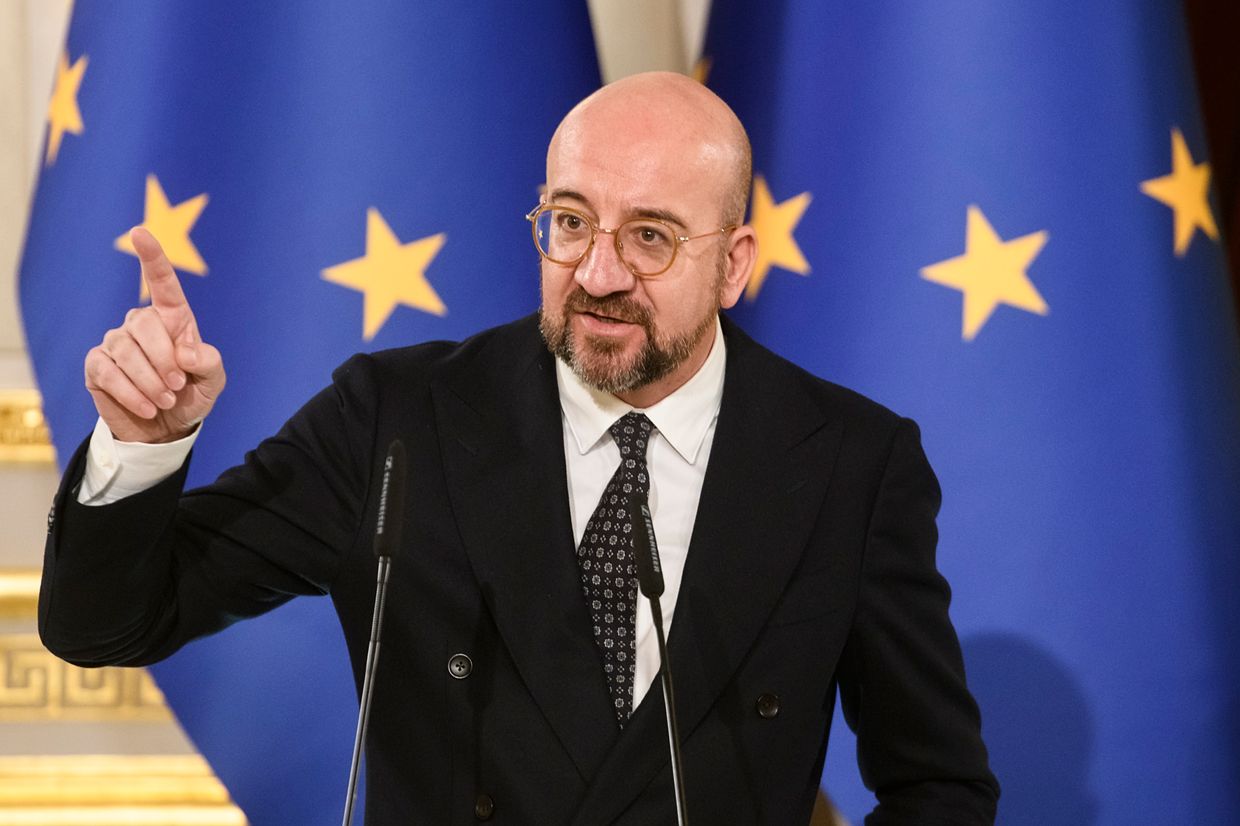
European Council President Charles Michel called for Europe to shift to a "war economy" mode and bolster defense capabilities in response to the threat posed by Russia, emphasizing the need for EU countries to take responsibility for their own security. He highlighted the urgency of supporting Ukraine with military aid and called for using European budget and Russia's immobilized assets to purchase arms for Ukraine. EU foreign ministers agreed to allocate an additional 5 billion euros in defense assistance for Ukraine in 2024, and leaders of Germany, France, and Poland vowed more arms purchases and new initiatives to support Kyiv.
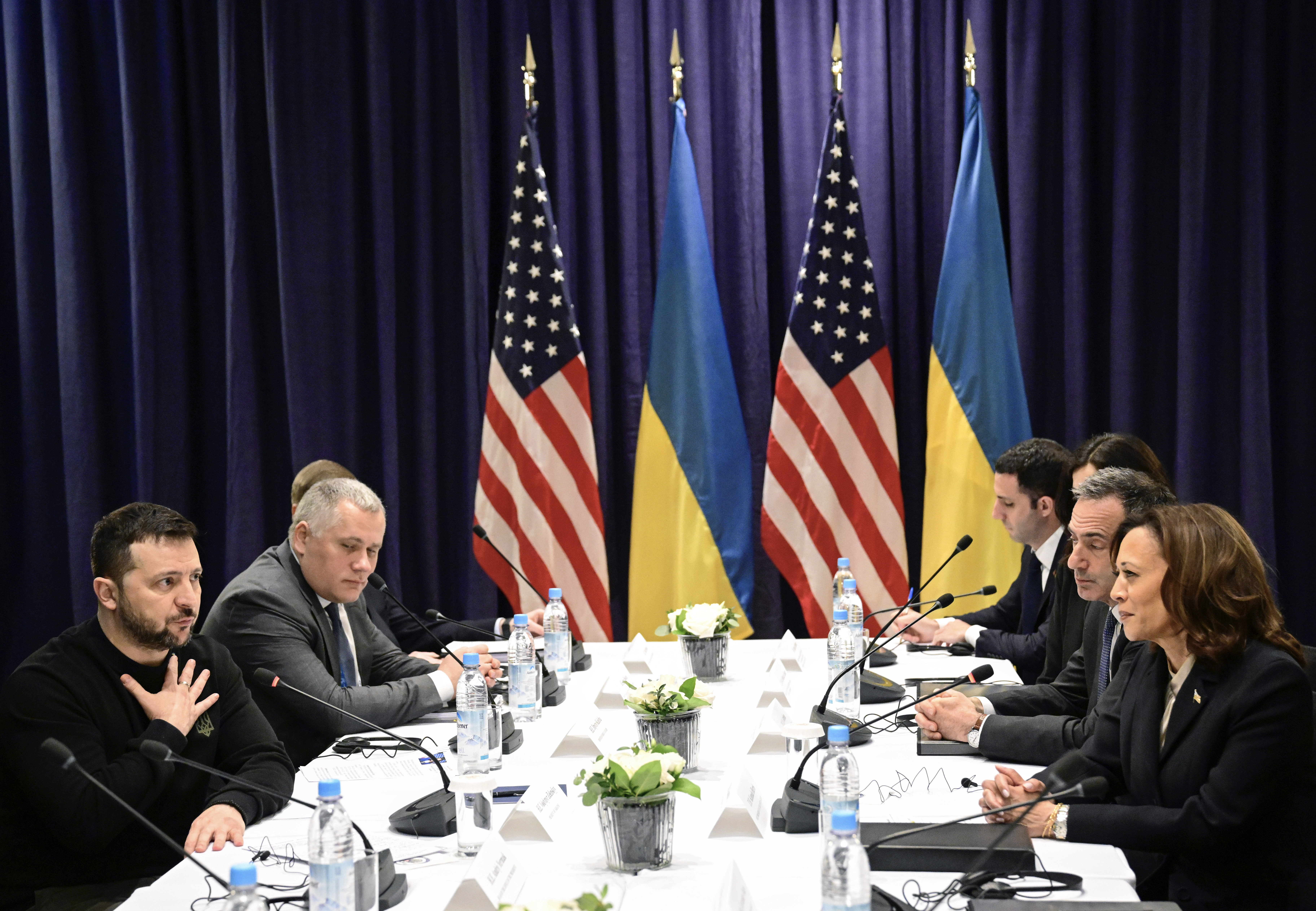
At the Munich Security Conference, concerns about Ukraine's prospects on the battlefield and the US commitment to Kyiv dominated discussions. Ukrainian officials emphasized the urgent need for $60 billion in US military aid, while American lawmakers expressed uncertainty about what a Ukrainian victory would look like. The conference highlighted the growing pessimism about President Joe Biden's ability to deliver for Ukraine, as well as concerns about former President Donald Trump's efforts to undermine the aid package. Amidst the uncertainty, Ukrainian officials stressed the critical need for arms and ammunition to fend off Russia, while some US lawmakers reassured allies that the aid would eventually be approved.
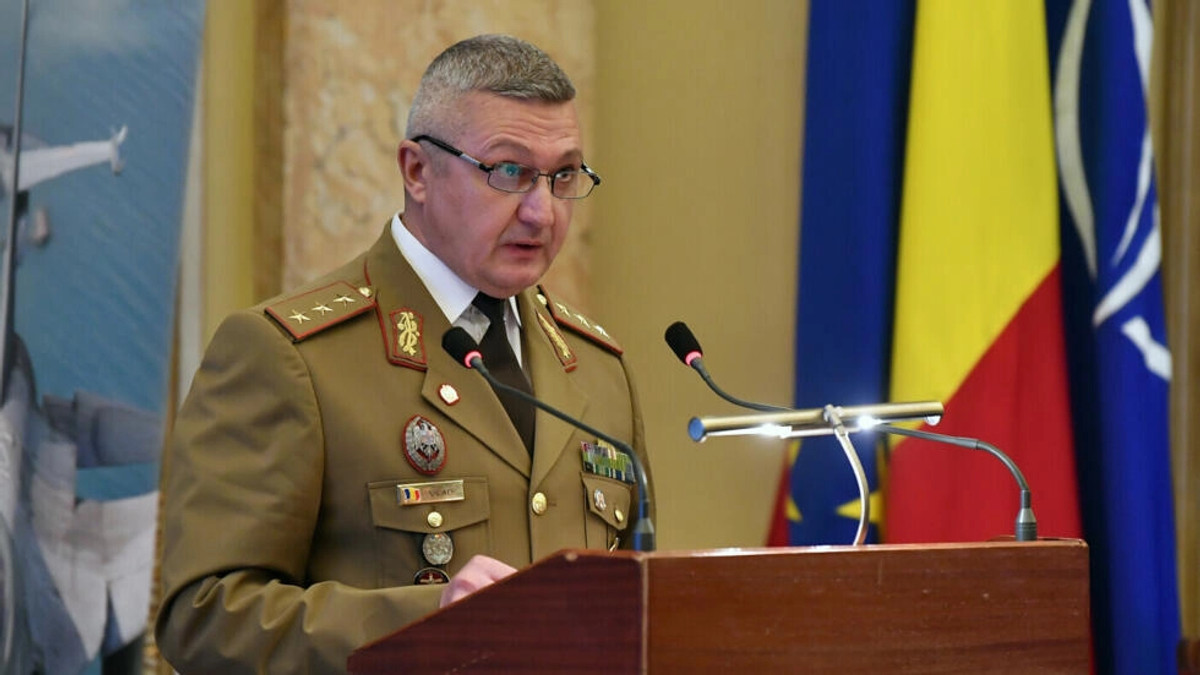
Romanian Defense Chief Gheorghita warns Europe to prepare for potential Russian aggression beyond Ukraine, urging replenishment of weapons reserves and preparation of populations, and calling for legal reforms to defend against Russian drones. He also proposes legislation for voluntary military training and service, expressing concern that if Russia succeeds in Ukraine, the Republic of Moldova could be the next target.
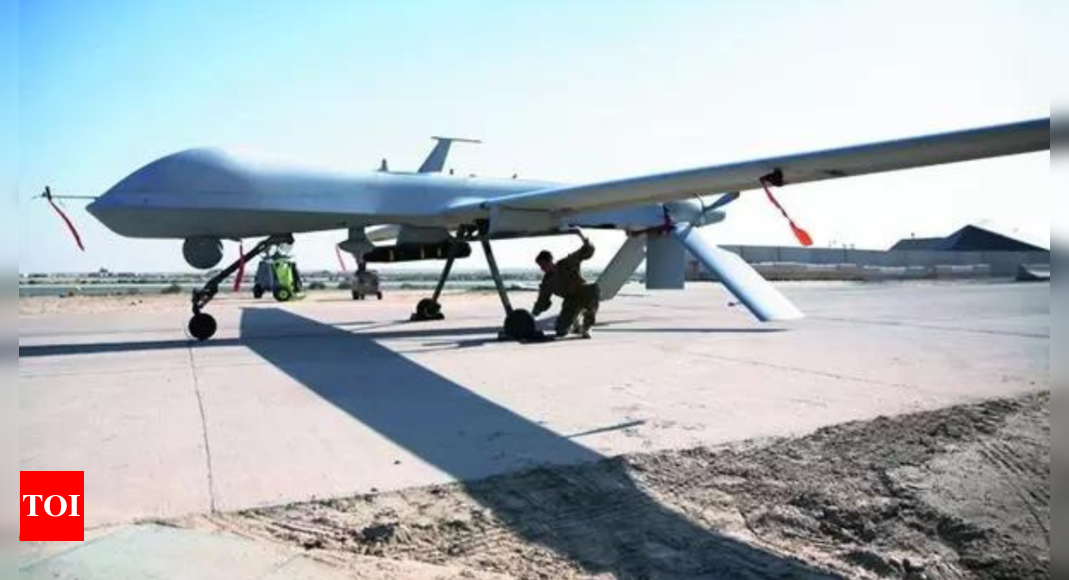
The US has approved the sale of 31 MQ-9B Drones and associated military equipment to India worth $3.99 billion, overcoming token resistance from some lawmakers who wanted New Delhi to investigate the alleged plot to kill Khalistani separatist Gurpatwant Singh Pannun. The sale aims to strengthen the US-Indian strategic relationship and improve India's security capabilities, particularly in the Indo-Pacific and South Asia region. The drones will enhance India's unmanned surveillance and reconnaissance patrols, adding muscle to its long-range surveillance and precision strike capabilities in the Indian Ocean Region and its land frontiers with China and Pakistan.
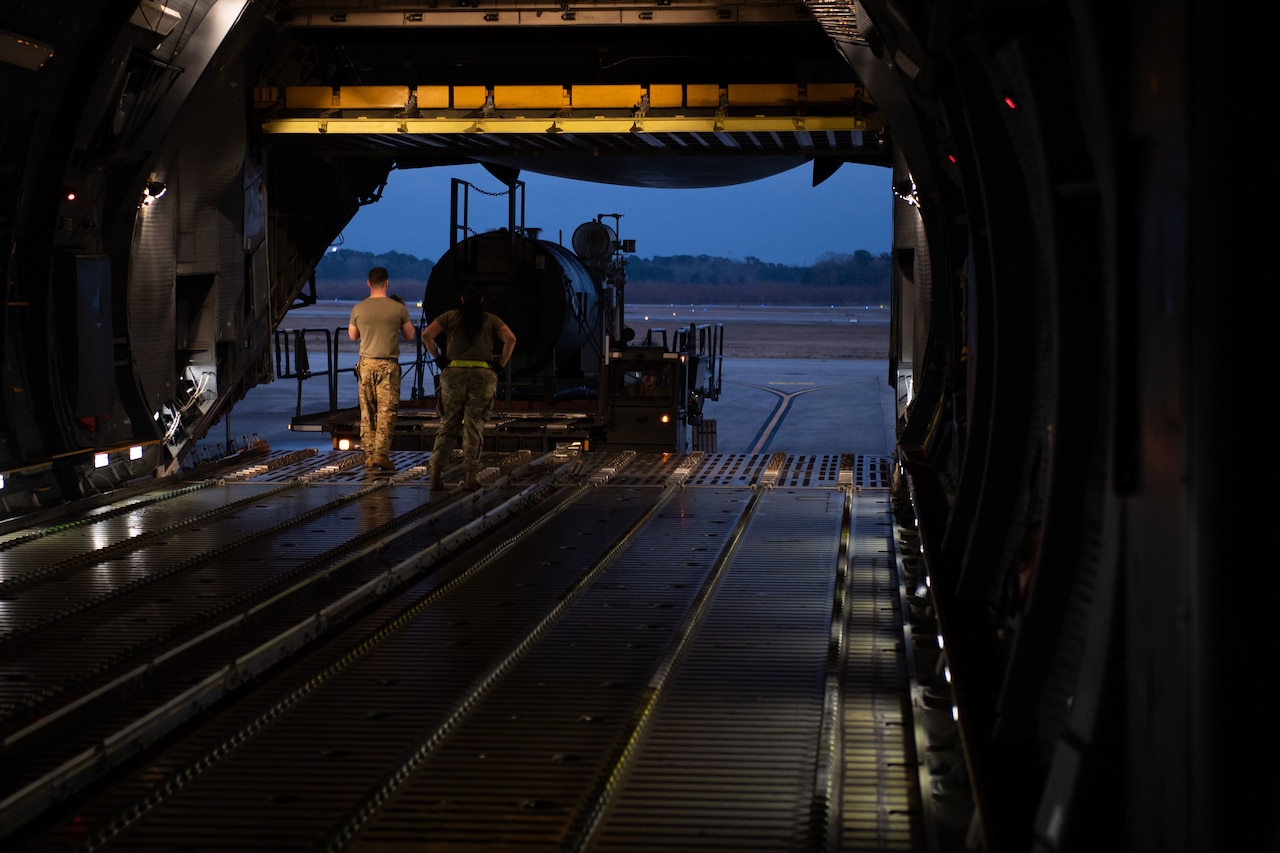
The U.S.-led Ukraine Defense Contact Group has announced new initiatives to bolster Ukraine's armor and drone capabilities, with Germany and Latvia leading the newly formed coalitions. This effort builds upon ongoing support from close to 50 partner nations to create a formidable Ukrainian force capable of deterring Russian aggression. The group has committed over $80 billion in security assistance to Ukraine since Russia's invasion in 2022, and the U.S. recently announced a $250 million security assistance package. Secretary of Defense Lloyd J. Austin III emphasized the importance of continued support for Ukraine, as the country's allies remain committed to meeting its immediate battlefield needs and long-term security.
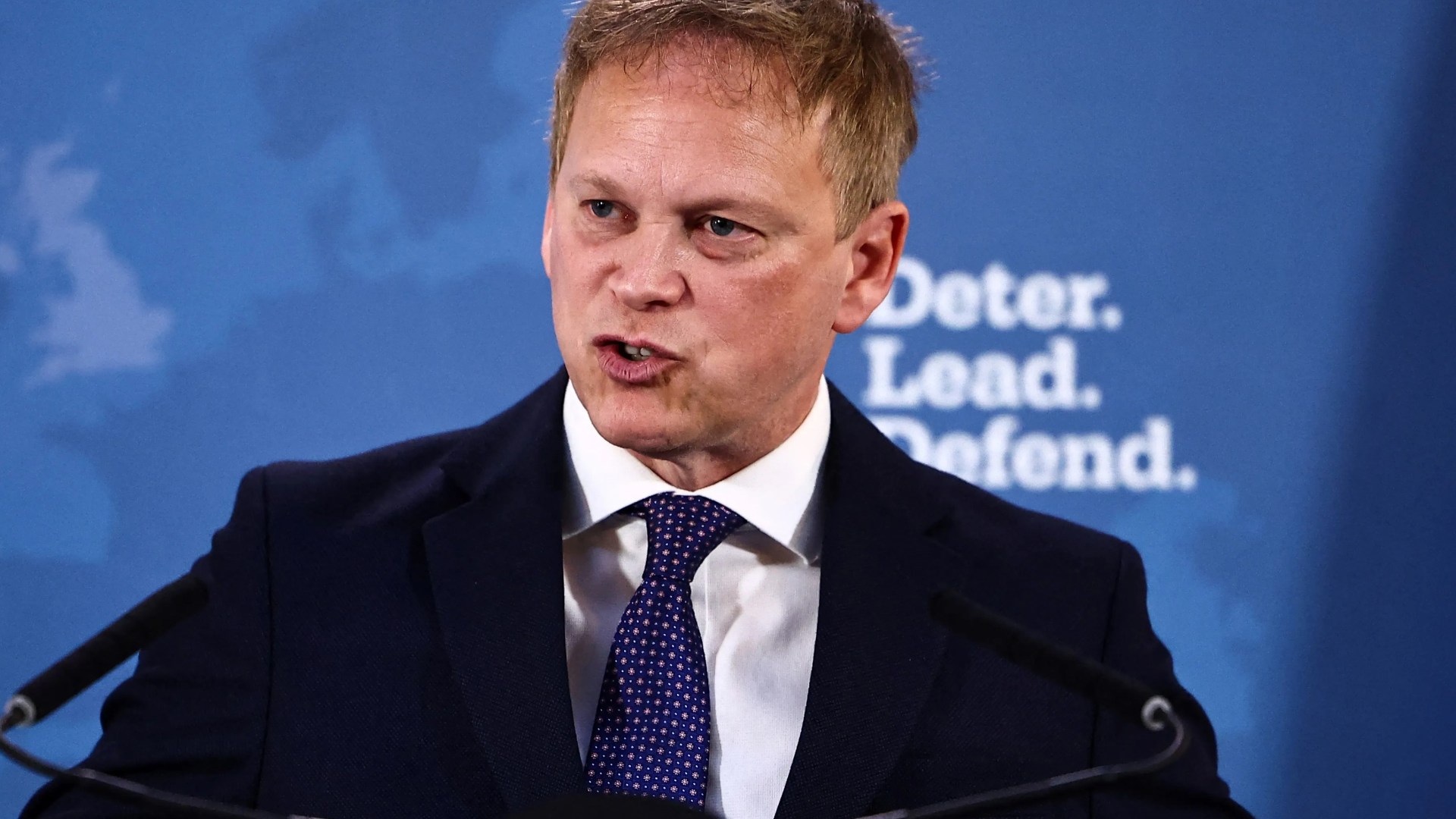
Britain's Defence Secretary, Grant Shapps, warned that the world is in a "pre-war" phase and that Britain could face wars involving Russia, China, Iran, and North Korea within five years. He urged increased defense spending and emphasized the need to ramp up national defenses. The threat posed by Vladimir Putin, Xi Jinping, and Iran's regime was highlighted, with concerns about potential conflicts and the impact on global stability.
Sweden is on the brink of becoming NATO's 32nd member following Finland's recent accession, with only Turkish and Hungarian parliamentary ratifications pending. The move comes after Sweden agreed to Turkey's demands for stricter terrorism laws and lifted arms embargoes. Sweden's defense spending is set to meet NATO's target, and the country is expected to enhance the alliance's military capabilities, particularly in the air and sea domains. The strategic island of Gotland could serve as a forward operating base, significantly bolstering NATO's presence in the Baltic Sea. This development occurs amidst concerns over the future of military aid for Ukraine, especially with the potential change in US policy under a possible Trump administration.