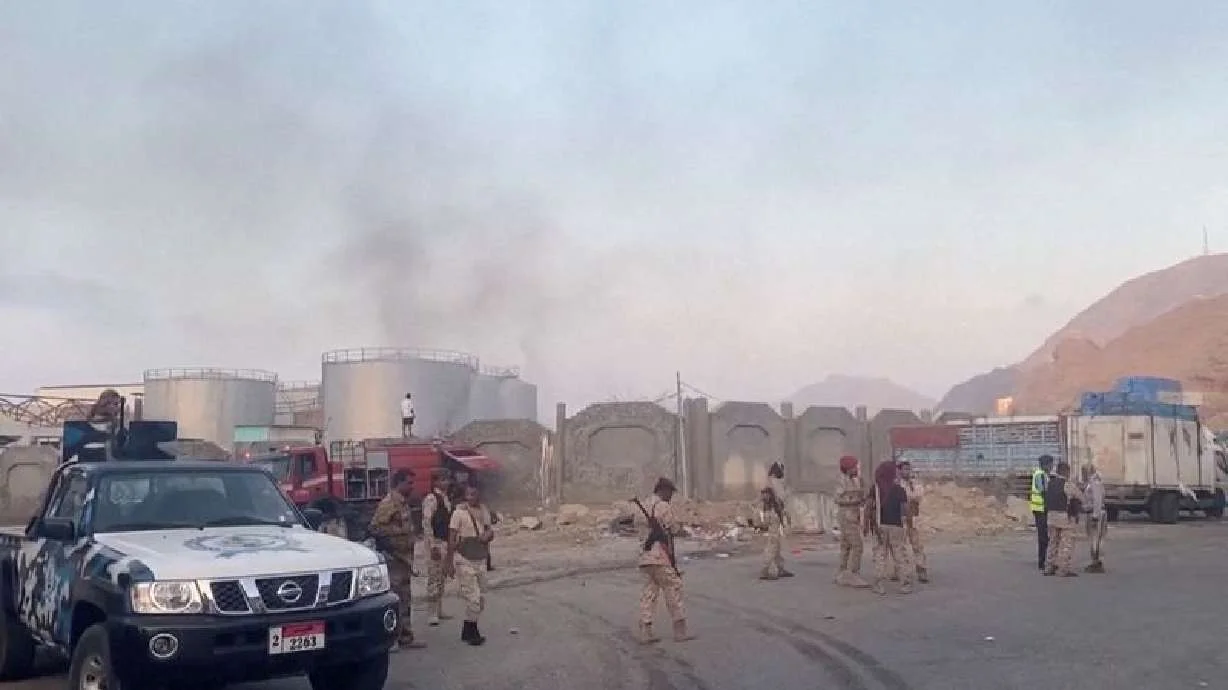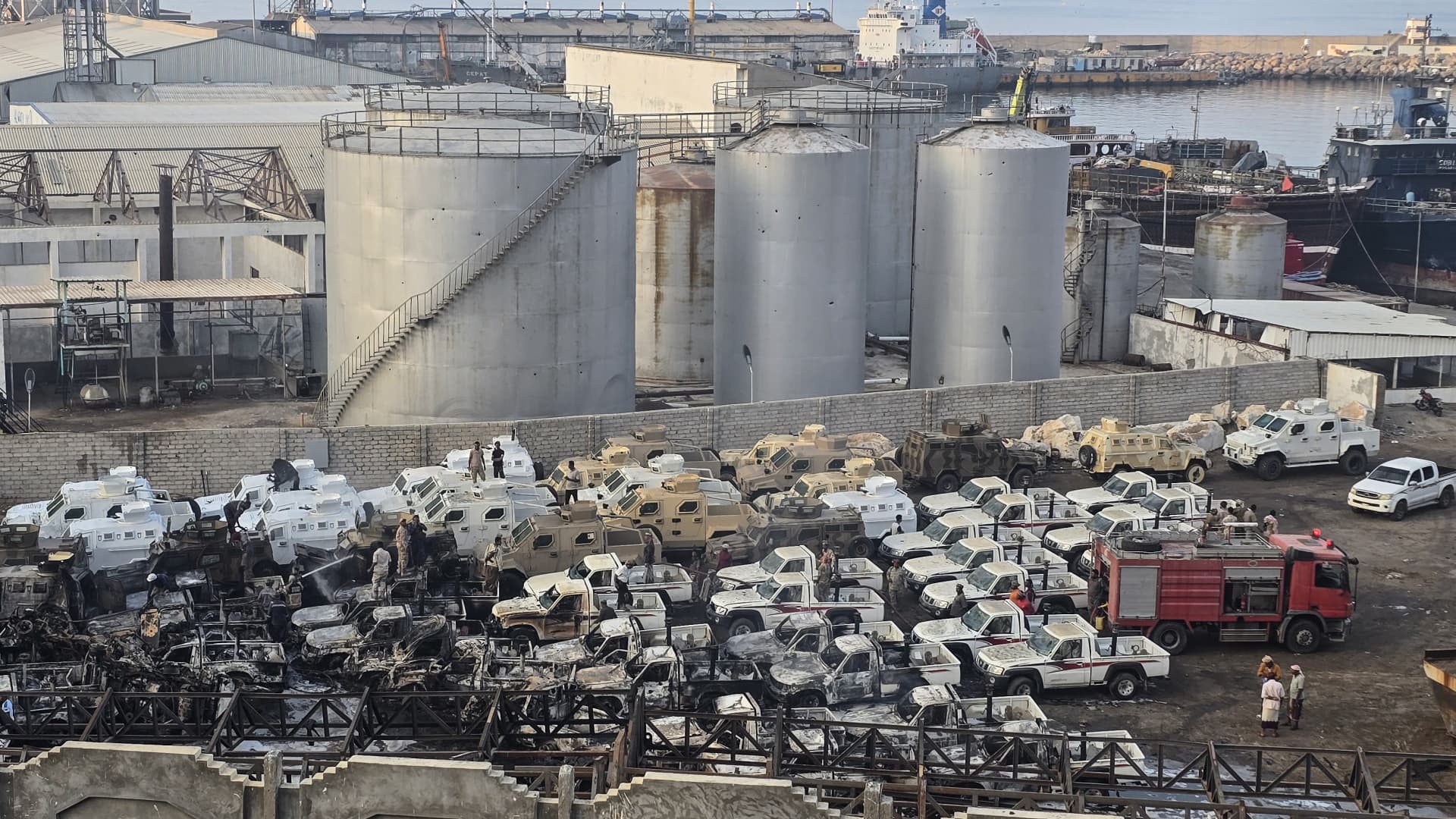
The UAE is withdrawing its remaining forces from Yemen following a dispute with Saudi Arabia, which accused the UAE of supporting Yemeni separatists and conducted an airstrike on a port linked to weapons shipments. This escalation deepens the Gulf rivalry and impacts regional security, with both countries diverging on Yemen policy and regional influence.
The UAE announced it is withdrawing its remaining forces from Yemen following a Saudi-led coalition airstrike on a port linked to UAE-backed separatists, marking a significant escalation and deepening the rift between the UAE and Saudi Arabia, which have diverging interests in Yemen and regional influence.
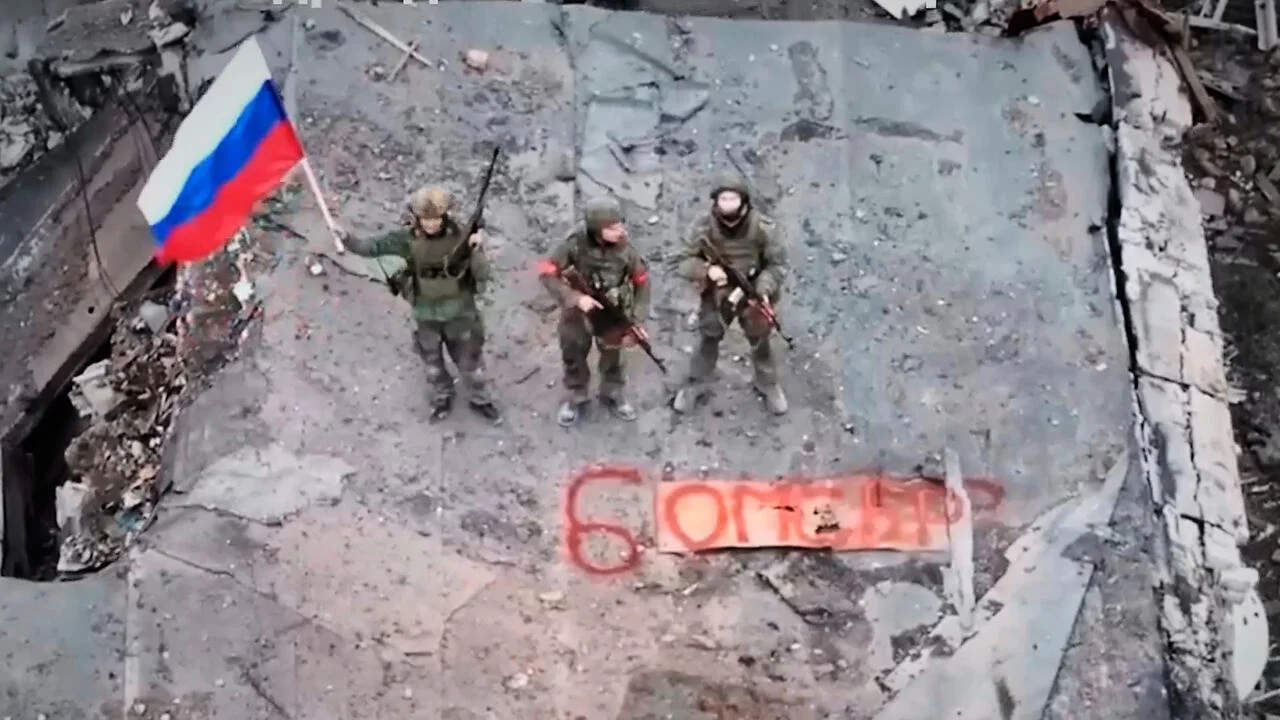
Ukrainian troops have withdrawn from the eastern town of Siversk amid ongoing Russian advances, as Russia pushes towards key Ukrainian cities in the Donbas region, increasing pressure on Ukraine's defenses and complicating peace negotiations.
Ukrainian troops have withdrawn from the eastern town of Siversk amid increased Russian military activity, as several Ukrainian regions experience power outages and casualties following a large-scale Russian drone and missile attack. The situation continues to evolve with ongoing clashes and strategic shifts.
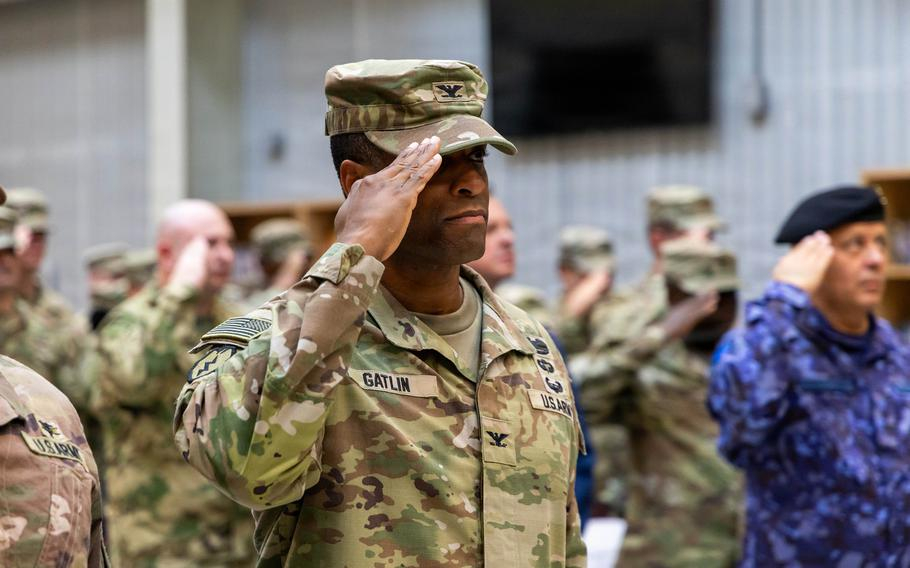
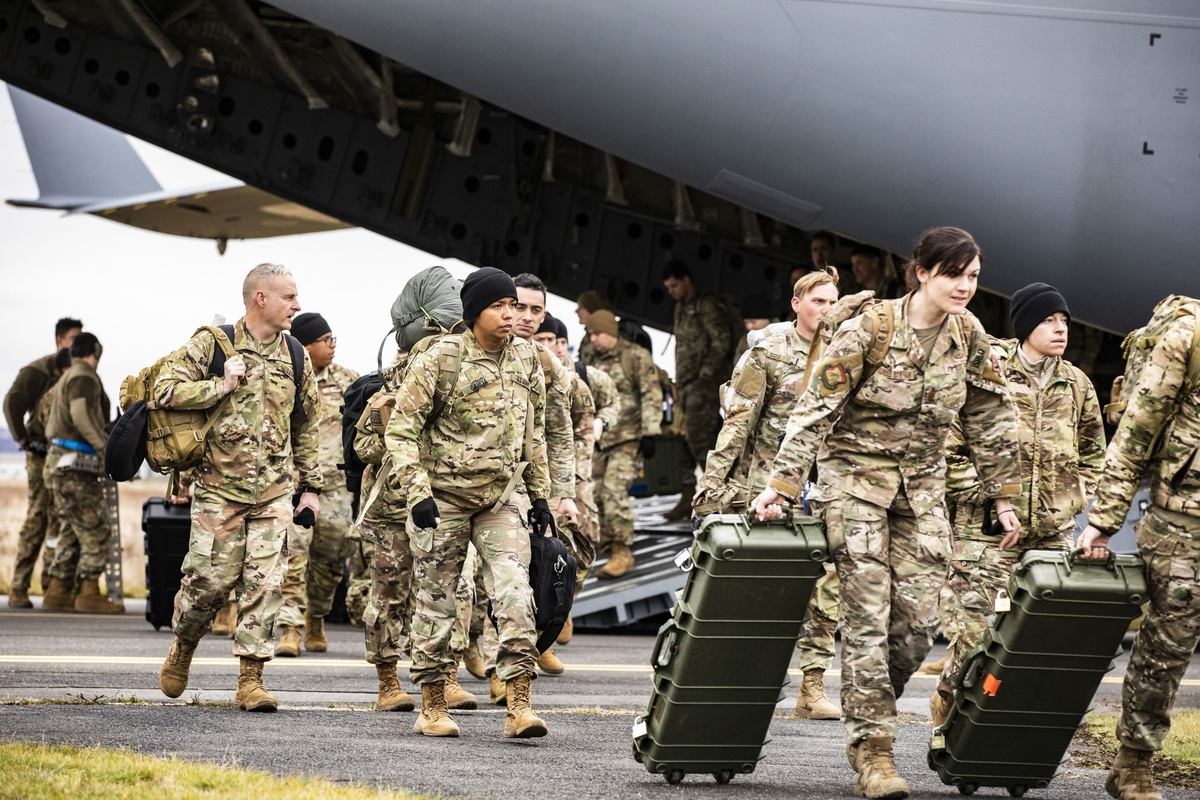
The US is withdrawing a military brigade from Romania, drawing criticism from veterans and allies who see it as a strategic mistake that could weaken NATO's deterrence against Russia, especially amid rising tensions and Russian aggression in the region.
The US plans to modestly reduce military forces in Romania, Bulgaria, Hungary, and Slovakia starting next month, citing improved European land army readiness, but this move has sparked bipartisan criticism and concerns over NATO's deterrence, especially amid ongoing Russian aggression. The reductions are seen as symbolic by some experts, with US commitments in Poland and the Baltic states remaining strong, though critics warn the withdrawals could embolden Russia and undermine alliance unity.
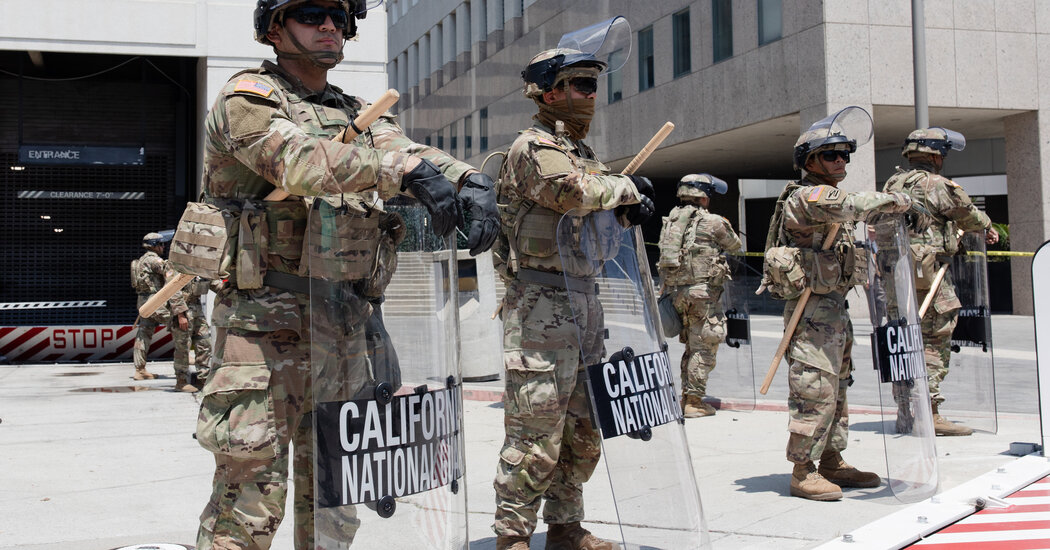
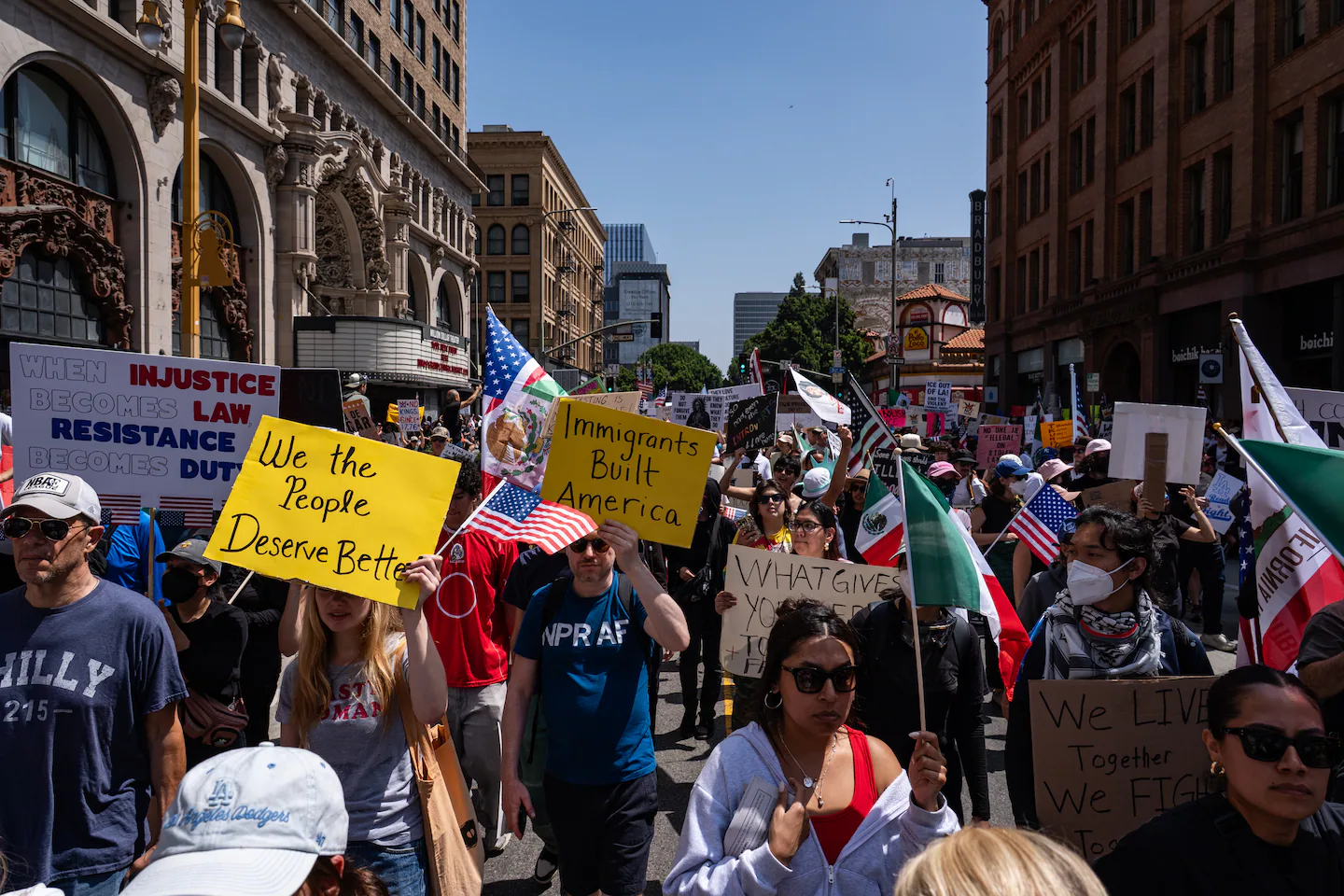
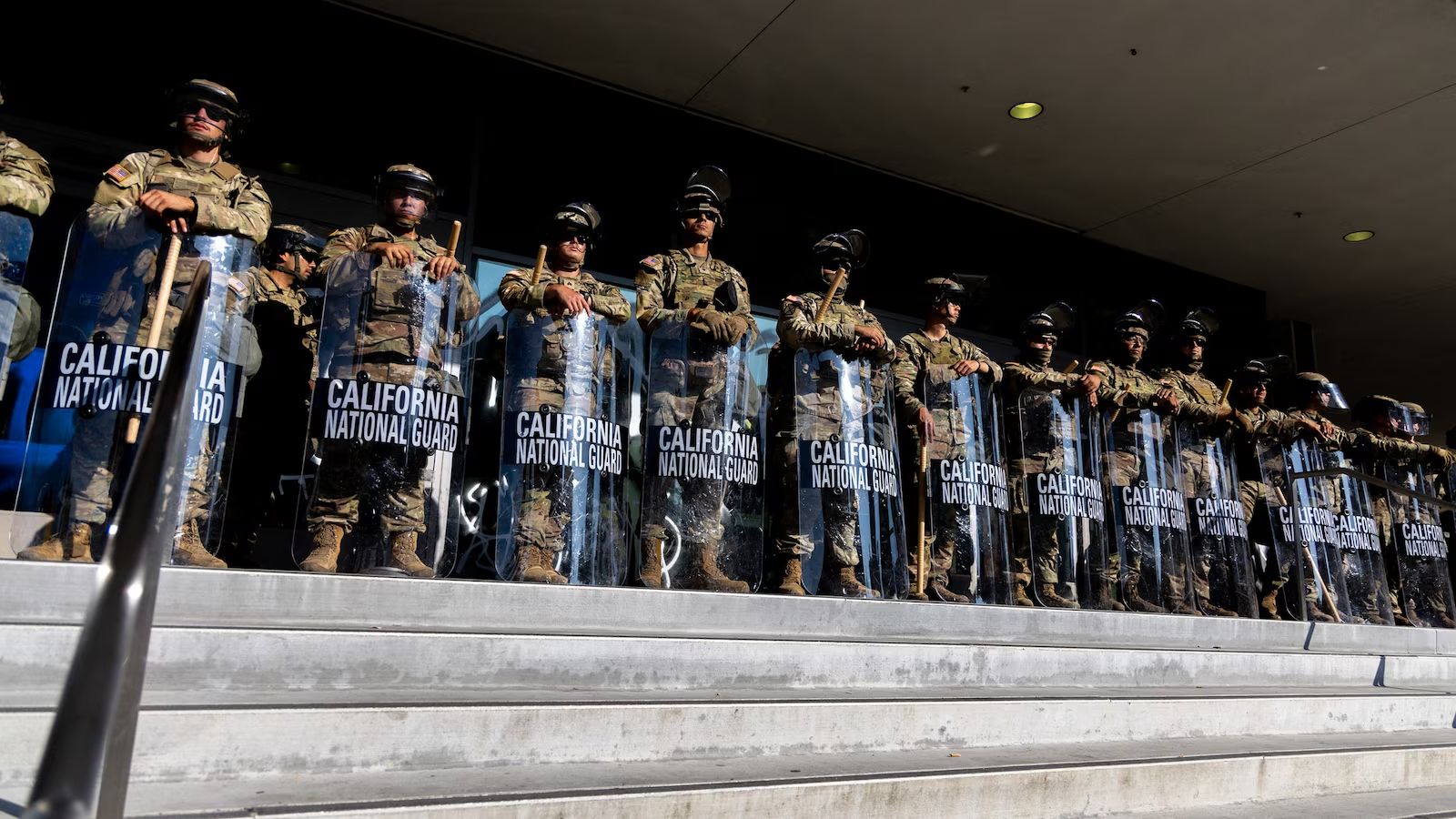
The Pentagon has withdrawn over 1,000 National Guard troops from Los Angeles as part of a scaled-back deployment that began in June, with only about 250 remaining to protect federal property. The deployment, initially involving nearly 5,000 troops to quell protests and protect federal agents, faced criticism from local officials and was associated with a decline in local law enforcement activities like fentanyl seizures. The move follows the departure of Marines and Guard soldiers, costing approximately $134 million, amid concerns over morale and the deployment's legality and impact.
The 700 active-duty Marines deployed to Los Angeles last month, ordered by the Trump administration, will be withdrawn as the Pentagon reports a return to stability in the city following protests and federal immigration raids.
The Pentagon is reducing its military presence in Los Angeles by withdrawing 2,000 California National Guard members, as the lawlessness associated with ICE protests subsides, following a deployment of nearly 4,700 personnel including active-duty Marines and National Guard troops.
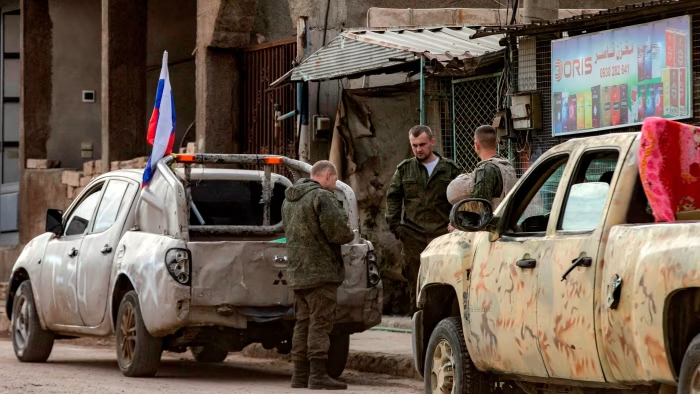
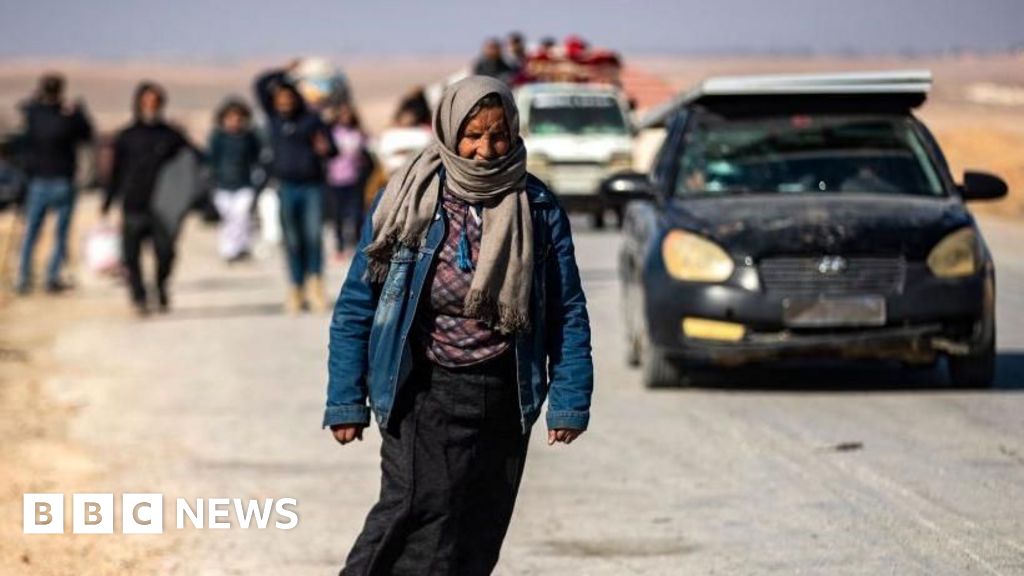
Russia is reportedly pulling back its military presence in Syria, though not completely withdrawing, amid significant geopolitical shifts following the toppling of President Bashar al-Assad by Islamist-led rebels. Diplomatic discussions involving Arab, Turkish, EU, and US officials are underway in Aqaba, Jordan, to address the situation and prevent the collapse of vital institutions in Syria. The UN has called for international cooperation to stabilize the region, while the US emphasizes the need to counter any resurgence of the Islamic State group.
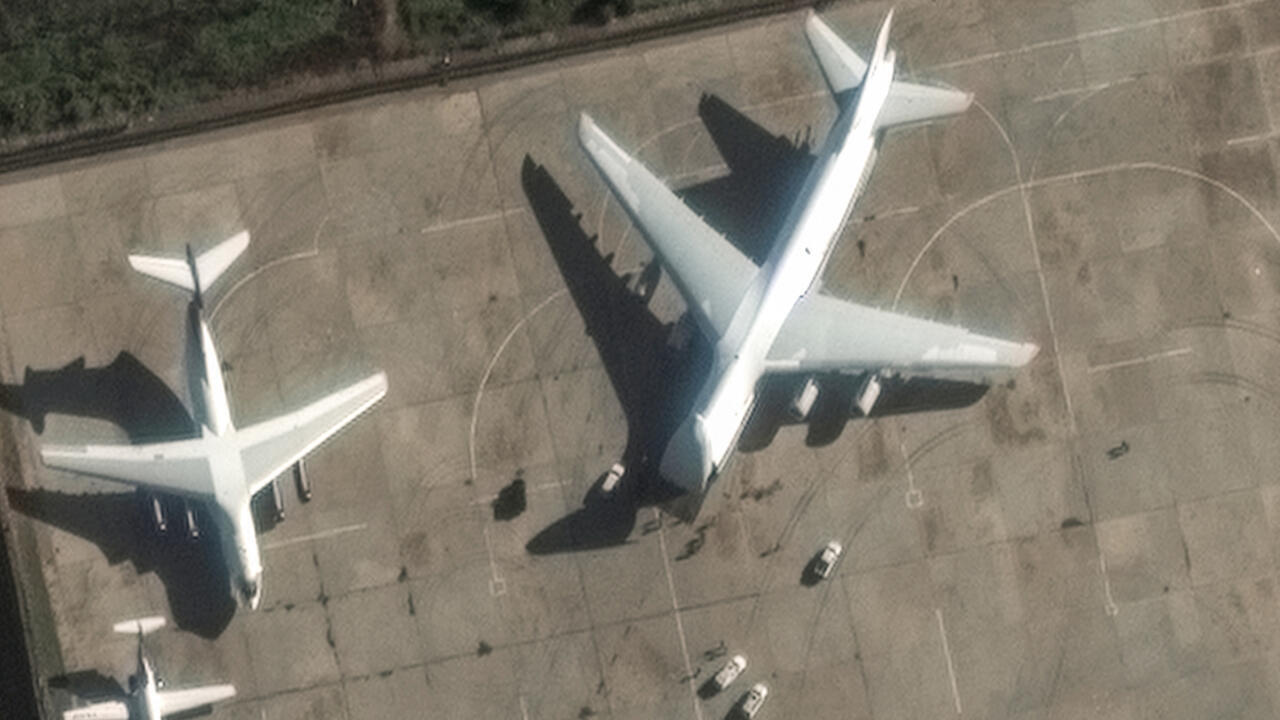
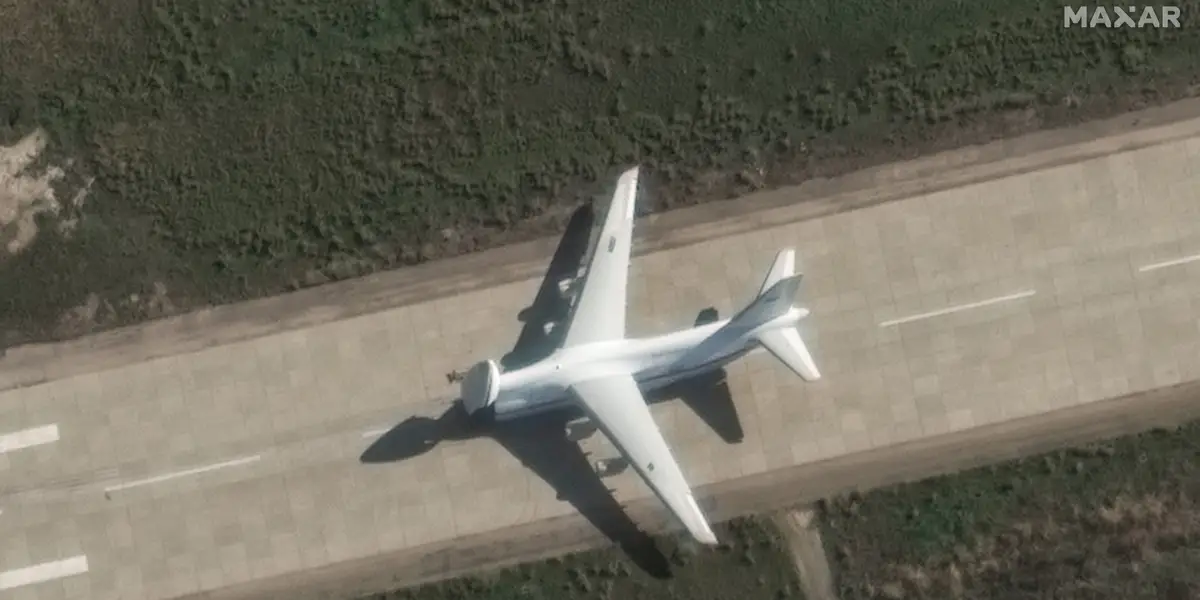
New satellite images indicate that Russia is scaling down its military presence in Syria, with transport aircraft seen at Hmeimim Air Base ready to load equipment, including Ka-52 helicopters and S-400 air-defense units. This follows the ousting of Bashar Assad by rebel forces, leading to uncertainty about Russia's future role in the region. While some Russian forces are leaving, it may not be a complete withdrawal. The situation remains fluid as Russia seeks to secure its strategic bases in Syria amidst the changing political landscape.
Russia appears to be withdrawing some of its military forces from Syria following the sudden fall of Bashar al-Assad's regime, as indicated by satellite imagery and Ukrainian intelligence. The images show increased activity at the Hmeimim air base, including the arrival of transport aircraft and the disassembly of air-defense systems, suggesting a potential drawdown. While the extent of the withdrawal is unclear, it could signal a complete exit. Russia's future presence in Syria will depend on negotiations with the new government in Damascus.
Donald Trump, the US president-elect, has reiterated his stance that Syria is "not our fight" and that the US should not intervene following the fall of Assad's regime. Despite his isolationist rhetoric, the complexities of the region and the presence of US troops in Syria may challenge this position. Trump's administration, including figures like Mike Waltz and Tulsi Gabbard, may influence his approach, balancing non-intervention with counterterrorism and regional stability goals. The situation is further complicated by US relations with allies like the Syrian Democratic Forces and Turkey.
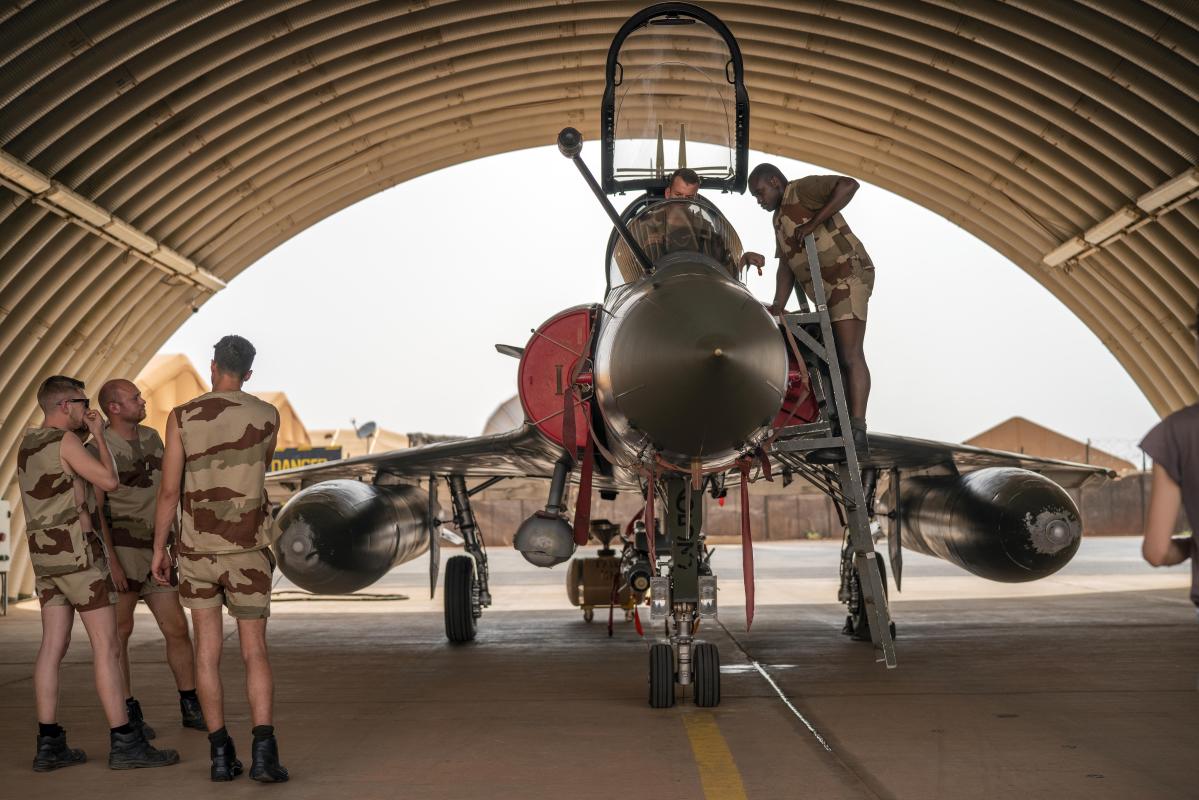
France has begun withdrawing its military forces from Chad, starting with the departure of two Mirage fighter jets, following Chad's decision to end its defense cooperation agreement with Paris. This move marks a shift in Chad's strategic partnerships and follows similar French military withdrawals from other African nations like Niger, Mali, and Burkina Faso. Negotiations are ongoing regarding the complete withdrawal of the remaining 1,000 French troops in Chad.
Israel has withdrawn a division of ground troops from southern Gaza, raising questions about its plans as the war with Hamas reaches the six-month mark. The Biden administration has warned against a ground invasion of Rafah, Gaza's southernmost city, while Israel's defense minister insists on eliminating Hamas in the entire Gaza Strip. The war has reached an impasse, with analysts and diplomats seeing no resolution in sight, and mediators finding it difficult to advance negotiations for a truce. Nicaragua is broadening the legal battle over the Gaza conflict at the International Court of Justice by bringing a case against Germany, a major supplier of arms to Israel, alleging that Germany is facilitating the commission of genocide in Gaza. At a demonstration in Manhattan, Representative Jerrold Nadler was booed for encouraging attendees to push for humanitarian aid for Palestinians in Gaza while calling for the release of hostages held by Hamas.