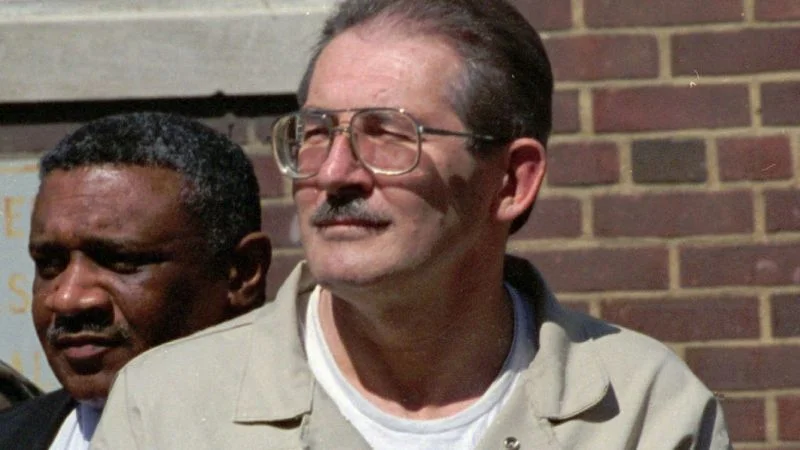
Aldrich Ames, a notorious CIA spy responsible for betraying numerous US sources to the Soviet Union and Russia, has died in federal prison at age 84, highlighting one of the most damaging espionage cases in US history and leading to reforms in intelligence security protocols.

President Trump decided not to support opposition leader María Corina Machado in Venezuela, citing U.S. intelligence concerns about her ability to lead and deteriorating relations with Trump officials, despite her electoral success against Nicolás Maduro.
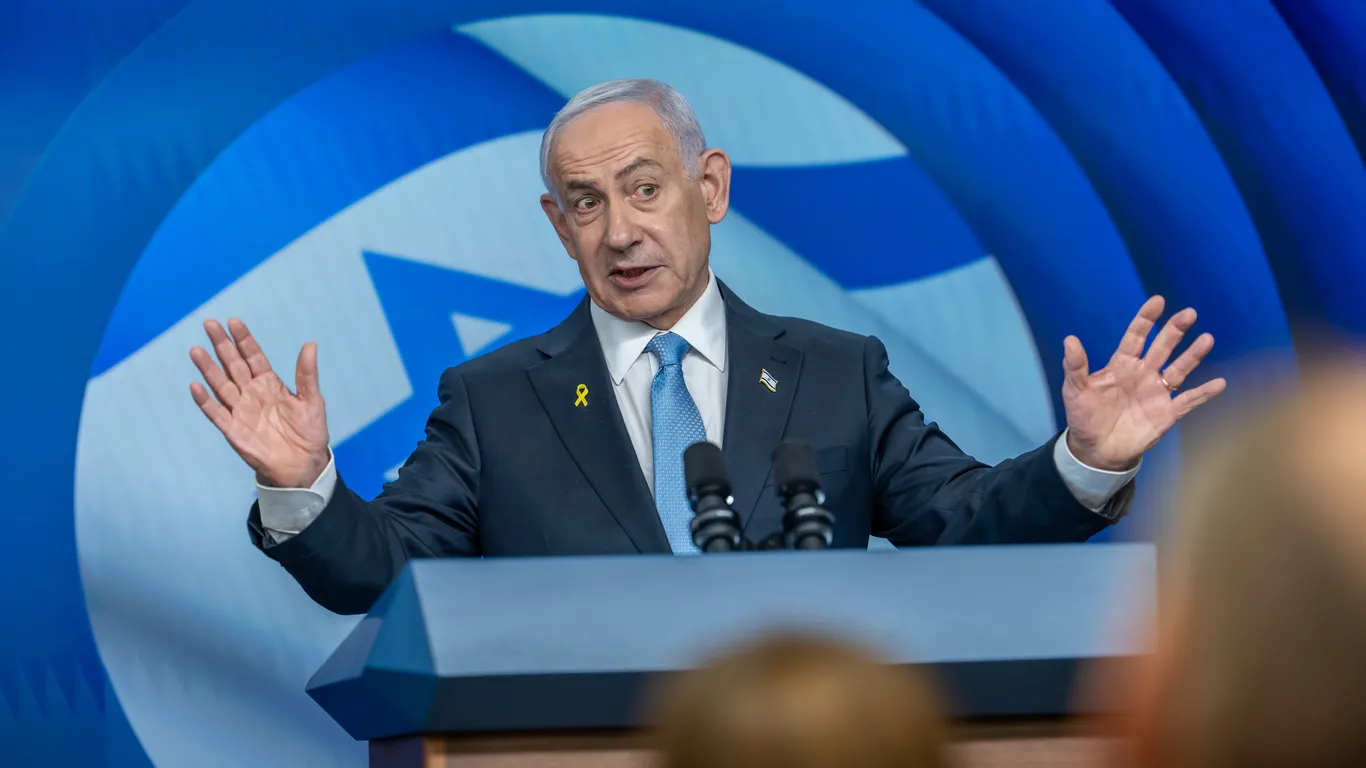
Israel has warned the US that recent Iranian missile drills may be cover for a surprise attack, amid heightened tensions and concerns over Iran's military capabilities and intentions, with discussions of potential future strikes and strategic shifts within Iran's military leadership.
Israeli officials warn that Iran's recent missile exercises could be a cover for an attack, prompting heightened alert and coordination with U.S. forces, amid concerns of a potential escalation in Iran's missile capabilities and regional tensions.
China has rapidly expanded its military capabilities, unveiling numerous new weapons and advanced systems, raising concerns about whether U.S. intelligence can effectively track and analyze these developments amidst the global strategic competition, with experts highlighting both the challenges and the capabilities of the U.S. intelligence community.
US intelligence revealed that Israeli military lawyers warned of potential war crimes in Gaza, raising concerns within the Biden administration about Israel's conduct during its military campaign, though support for Israel continued despite these internal debates.
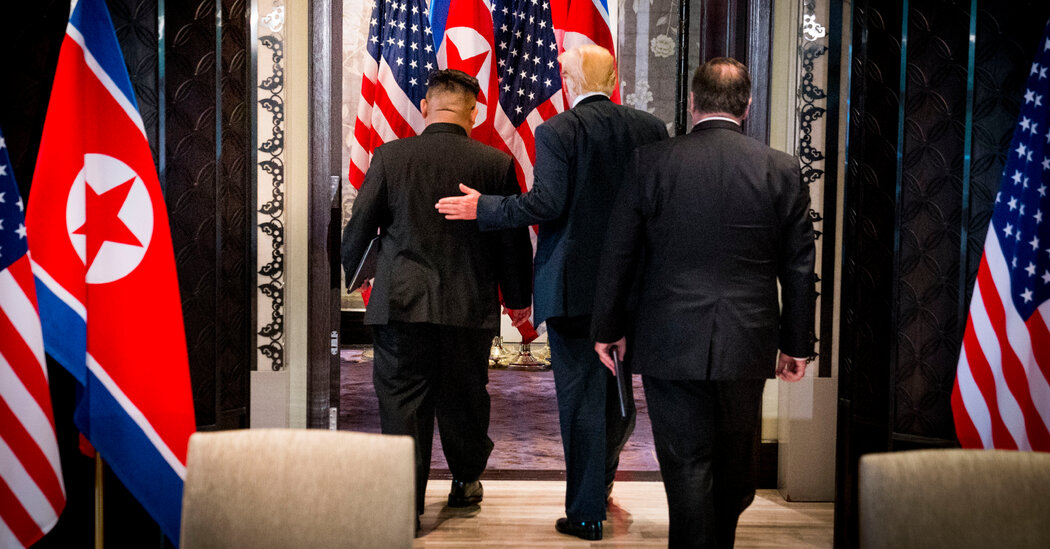
A 2019 covert operation by Navy SEALs aimed at planting electronic devices in North Korea to intercept Kim Jong-un's communications was highly complex and ultimately failed, highlighting the risks of high-stakes military missions amid tense US-North Korea relations.
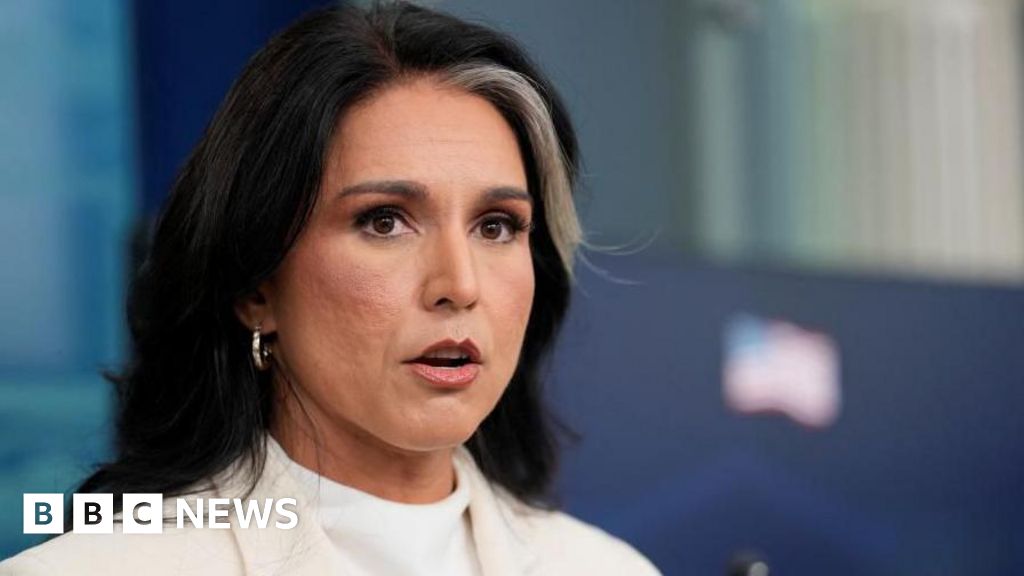
President Donald Trump's administration revoked the security clearances of 37 current and former US officials, accusing them of politicizing intelligence, with Tulsi Gabbard leading the action and citing abuse of trust, though no specific charges were detailed. The move continues a pattern of revocations targeting officials from previous administrations, amid ongoing political tensions over intelligence assessments and agency reforms.
U.S. intelligence intervened with the DOJ to support the HPE-Juniper merger, citing national security concerns related to China and Huawei, with the aim of strengthening U.S. business competitiveness against Chinese rivals.
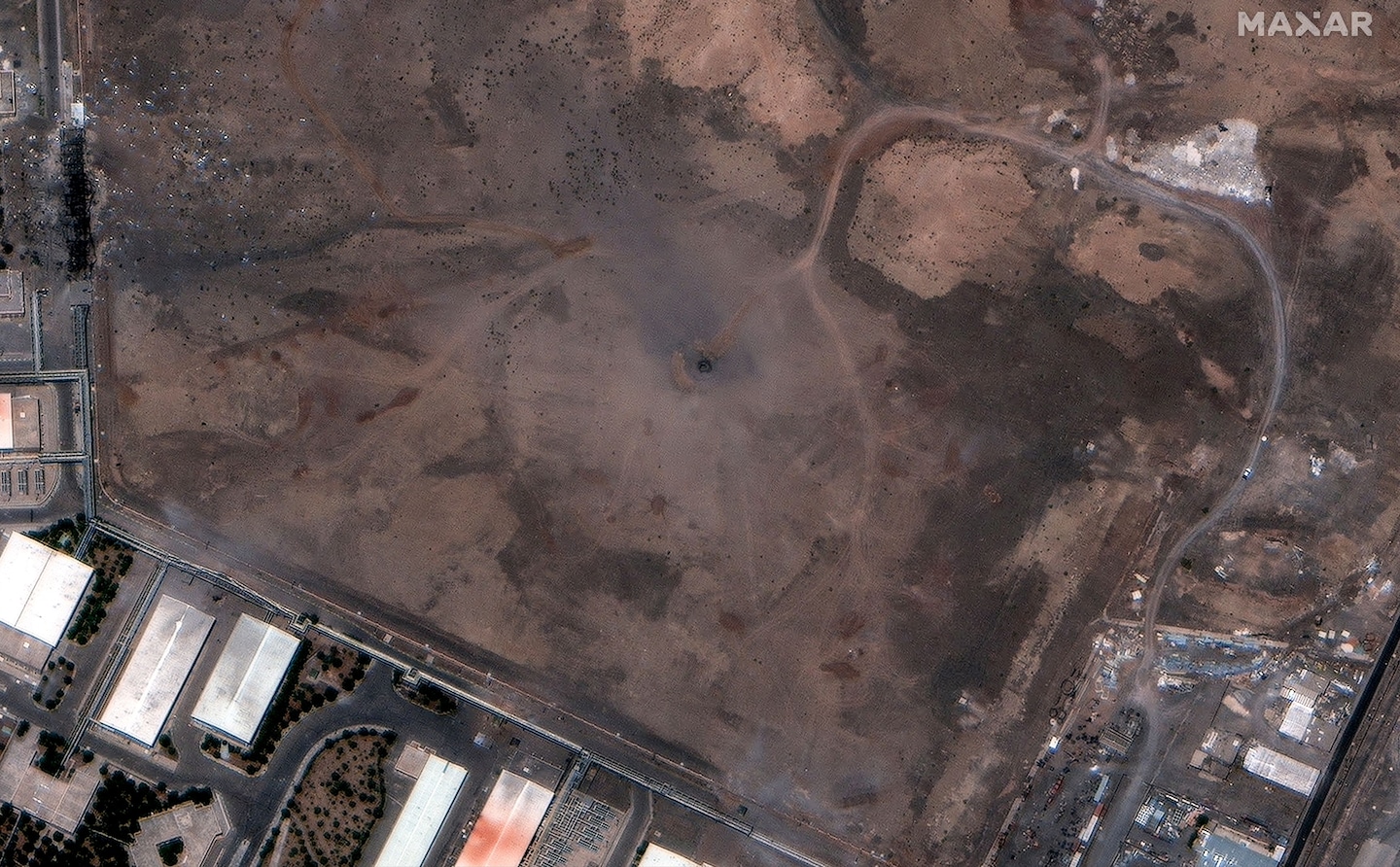
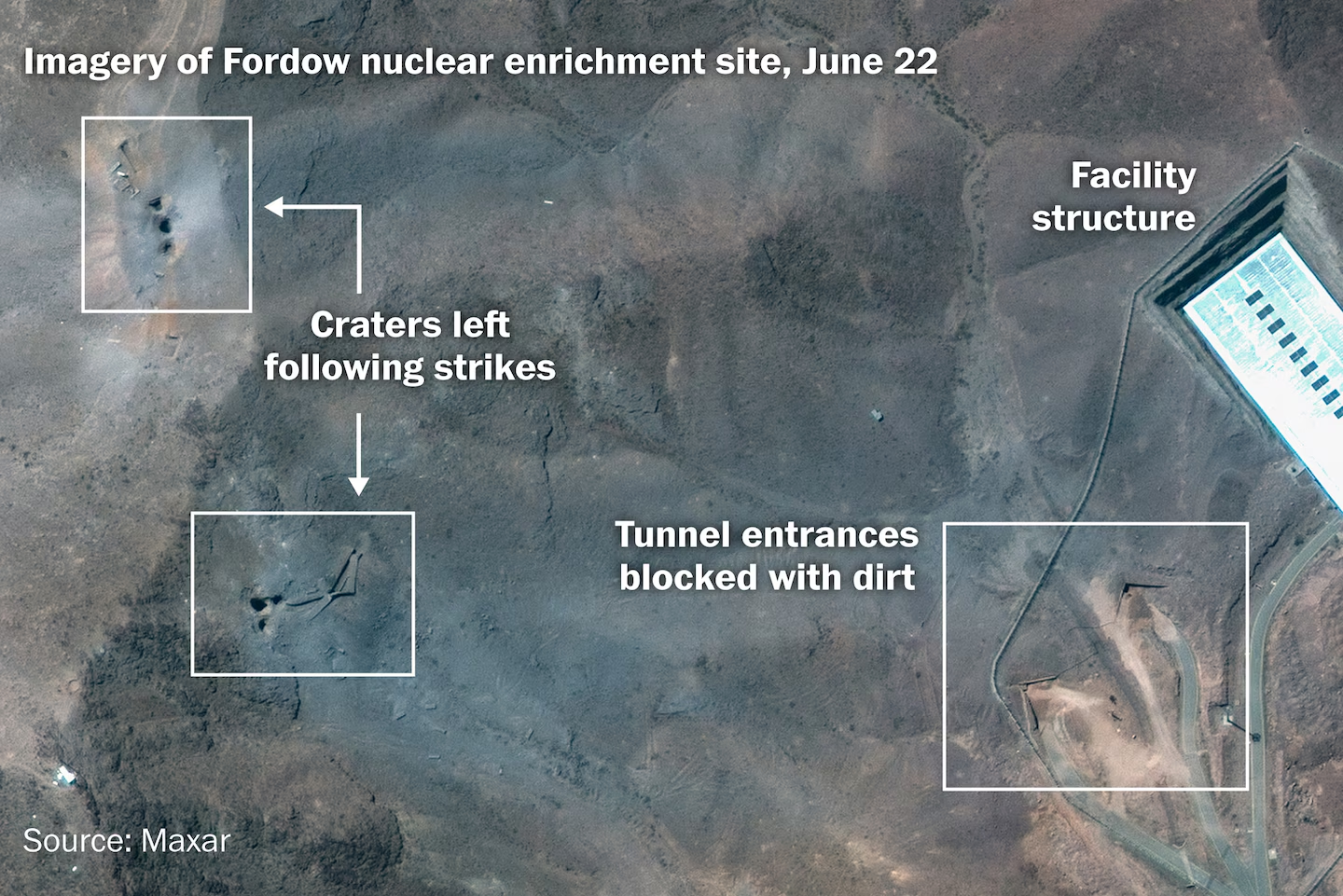
The US assessment indicates that only one of Iran's three main nuclear sites was significantly damaged in recent strikes, with ongoing uncertainties about the extent of destruction at the other sites, raising questions about claims that Iran's nuclear program was completely obliterated.
Tulsi Gabbard's team has sought access to U.S. spy agencies' emails and chat logs to use AI tools for identifying efforts to undermine the administration's agenda.
Iran loaded naval mines onto vessels in the Persian Gulf last month, raising fears of a potential blockade of the Strait of Hormuz, a critical global shipping lane, though it is unclear if the mines were deployed or just a strategic ruse. The US detected these preparations amid heightened tensions following Israel's strikes on Iran, but Iran has not officially confirmed or denied the actions. The situation remains tense with the possibility of further retaliation or escalation.
President Donald Trump has publicly contradicted US intelligence assessments regarding Iran's nuclear capabilities following US strikes, claiming total destruction of Iran's nuclear sites despite intelligence reports suggesting only limited setbacks. This pattern of disputing intelligence findings extends across his political career, including issues related to Russia, North Korea, and Venezuela, often dismissing or undermining official assessments.
A U.S. intelligence report indicates that the airstrikes on Iran's nuclear facilities set the program back by months but did not destroy it, contradicting claims of complete success by Trump and aides.
U.S. intelligence officials have assessed that Iran is not actively building a nuclear weapon, but President Trump dismissed this, claiming Iran is close to developing one, aligning with Israeli Prime Minister Netanyahu's stance. Tulsi Gabbard, who testified earlier supporting the intelligence community's assessment, downplayed the contradiction, blaming media misinterpretation. The disagreement highlights ongoing tensions over Iran's nuclear activities and U.S. policy.