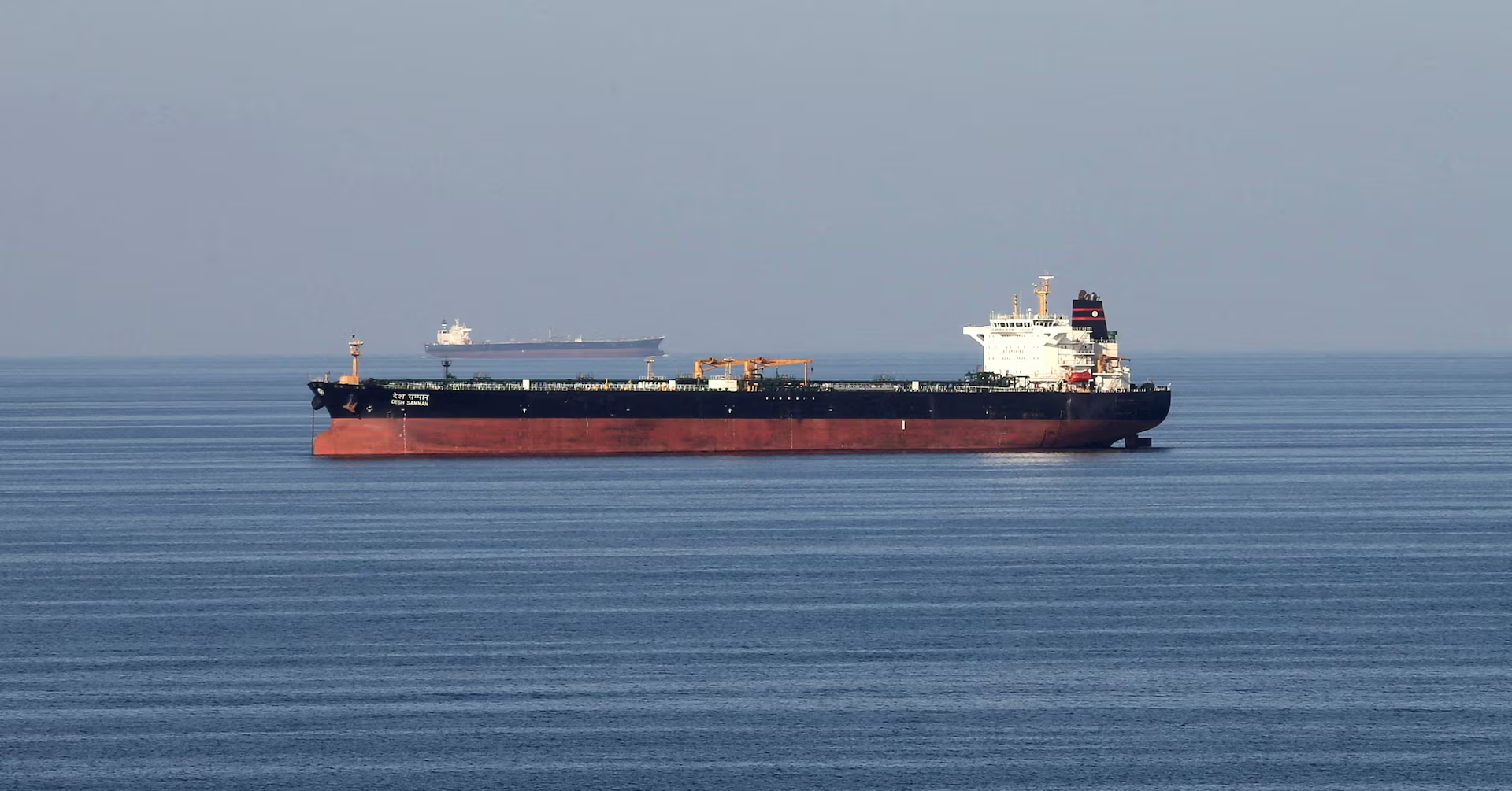
Iran loaded naval mines onto vessels in the Persian Gulf last month, raising fears of a potential blockade of the Strait of Hormuz, a critical global shipping lane, though it is unclear if the mines were deployed or just a strategic ruse. The US detected these preparations amid heightened tensions following Israel's strikes on Iran, but Iran has not officially confirmed or denied the actions. The situation remains tense with the possibility of further retaliation or escalation.
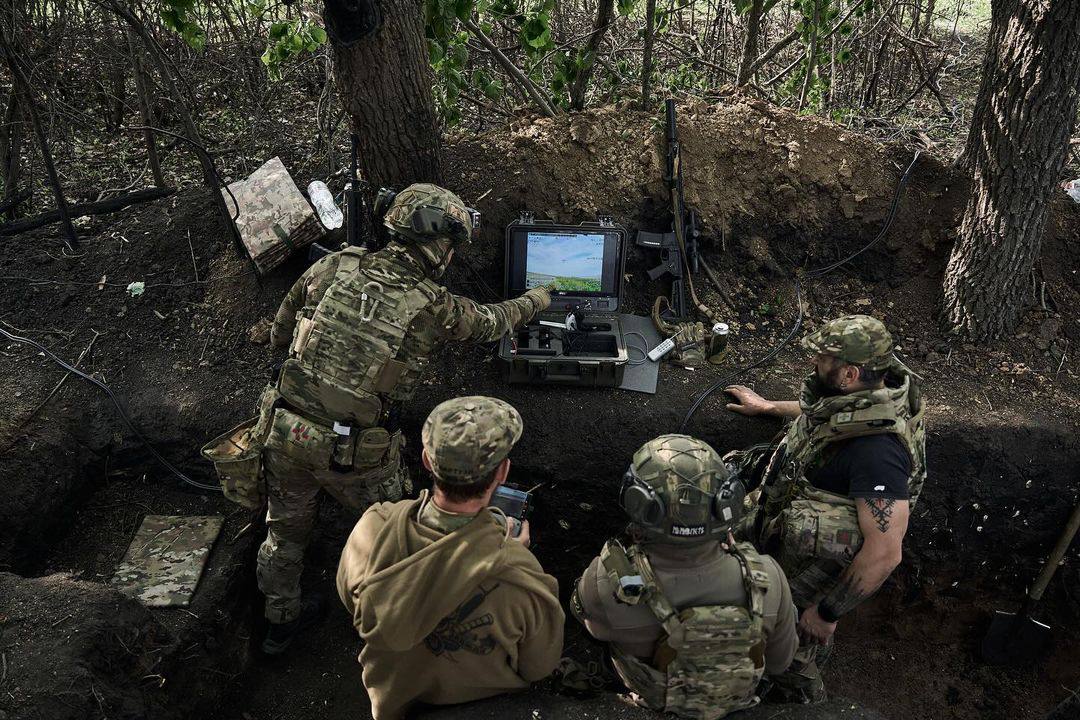
Ukrainian forces have inflicted significant losses on Russian troops in Kursk Oblast by deploying minefields, resulting in the destruction or damage of over 20 Russian military vehicles, including T-72 tanks and armored personnel carriers. This operation, which began in August 2024, aims to counter Russian aggression and disrupt their planned offensives. Ukrainian troops have advanced up to 35 kilometers into Russian territory, capturing soldiers and causing substantial casualties. The success of these operations is attributed to effective mining strategies and the lack of proper engineering reconnaissance by Russian forces.
Despite not winning the Division II National Championship, fans of the Mines college football team in Texas treasure the experience and are proud of their team's accomplishments. The small community of Mines rallied together to support their team, showcasing their enthusiasm with creative signs and unwavering dedication. Although this was the last game for star quarterback John Matocha and several seniors, the team is optimistic about their future and the potential to return to the championship game.
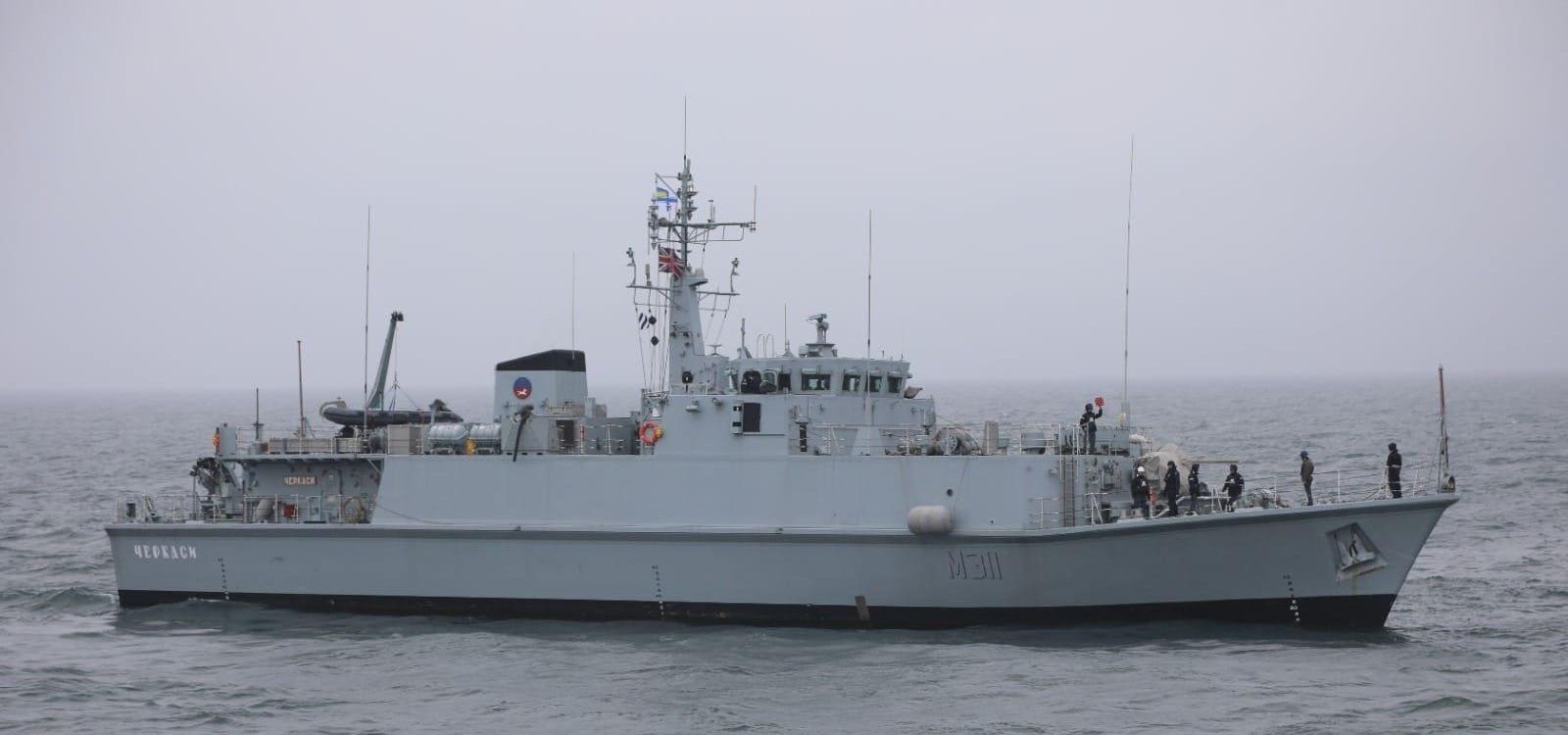
Russian planes have reportedly dropped mines along the maritime corridor established by Ukraine in the western Black Sea to protect grain shipments to Europe and Africa. This marks the first time that the Russian Black Sea Fleet's aircraft have deployed sea mines. The mines could disrupt or halt Ukrainian grain shipments, impacting Ukraine's economy and global food supply. Despite successfully pushing Russian ships out of the western Black Sea, Ukrainian forces were unable to intercept the planes responsible for laying the mines. Ukraine has acquired minesweepers and other means to clear the mines, but the situation remains tense as the Russians may continue to drop more mines.
The International Atomic Energy Agency (IAEA) has reported the presence of directional anti-personnel mines on the outskirts of Ukraine's Zaporizhzhya Nuclear Power Plant (ZNPP). The mines were found in a restricted area controlled by the military and facing away from the site, but their presence is inconsistent with IAEA safety standards. The IAEA team has been conducting inspections and walkdowns at the ZNPP, requesting access to various areas of interest. The plant experienced a temporary power failure but assured that it did not affect nuclear safety. The plant is transitioning reactor units from cold to hot shutdown, with unit 4 expected to reach hot shutdown status on July 25. The IAEA is closely monitoring the availability of water for cooling the reactors following the destruction of the downstream dam. New IAEA teams have arrived at other nuclear sites in Ukraine, and an IAEA Support and Assistance Mission has been launched to assess radiation safety and nuclear security regarding radioactive sources in the country.
The International Atomic Energy Agency (IAEA) has confirmed reports of mines being previously placed both around the perimeter and inside the Zaporizhzhia nuclear power plant (ZNPP), occupied by Russian forces. The IAEA Director General, Rafael Grossi, stated that the placement of any explosive devices at the nuclear power plant is not in line with safety standards and that the nuclear safety and security situation at the ZNPP is "extremely fragile." President Volodymyr Zelensky has also warned that Russia is considering a terrorist attack at the ZNPP.
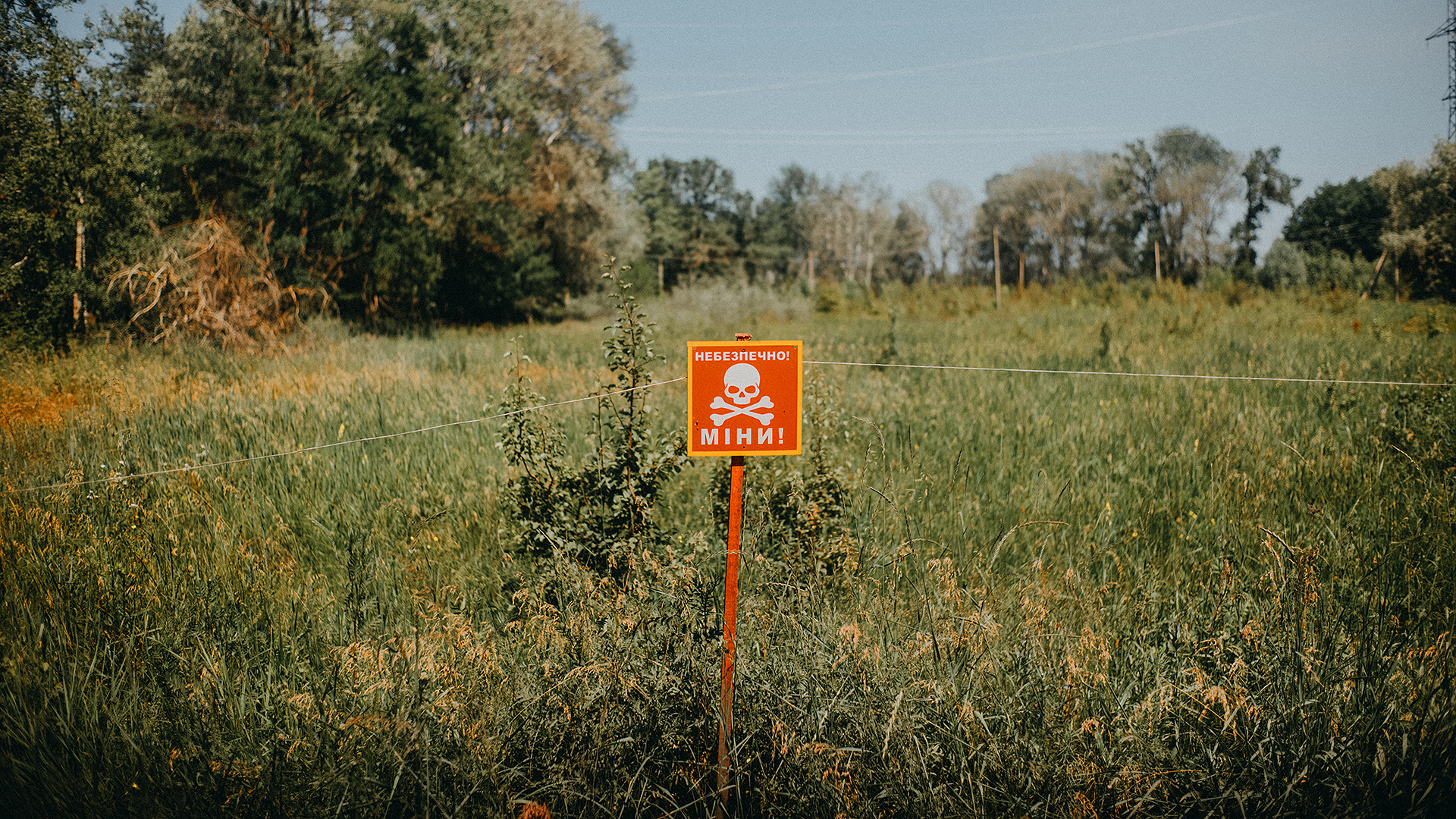
Russian troops have been constructing intricate fortifications in Ukraine, including concrete-lined trenches, barbed wire, dragon's teeth, anti-tank ditches, and plenty of anti-tank and anti-personnel mines, posing a major tactical challenge to Ukrainian offensive operations. Russian engineering has proven to be one of the stronger branches of the Russian military, and their fortification doctrine has seen little methodological change since the Cold War. The most formidable part of Russian defenses is mines, which are difficult to clear due to their multiple triggers and anti-tampering devices. Russian mines rarely follow a discernible pattern and are seldom marked, making identification and clearance of those mines that much harder.
Ukrainian President Volodymyr Zelensky says the counteroffensive is not going easily because 77,000 square miles of Ukrainian territory had been mined by Russian forces. Ukrainian forces have made most of their progress in the southern section of the front. Russia is building "an extensive zone of defenses" about nine kilometers long, a short distance from the town of Armyansk on the narrow bridge of land connecting the peninsula to Kherson Oblast. Germany is sending Ukraine another 1,000 rounds of standard 155mm howitzer shells and an unspecified amount of 155mm precision-guided shells, Patriot interceptors as well as several vehicles. The US and European allies announced billions of dollars in new recovery assistance to Ukraine.
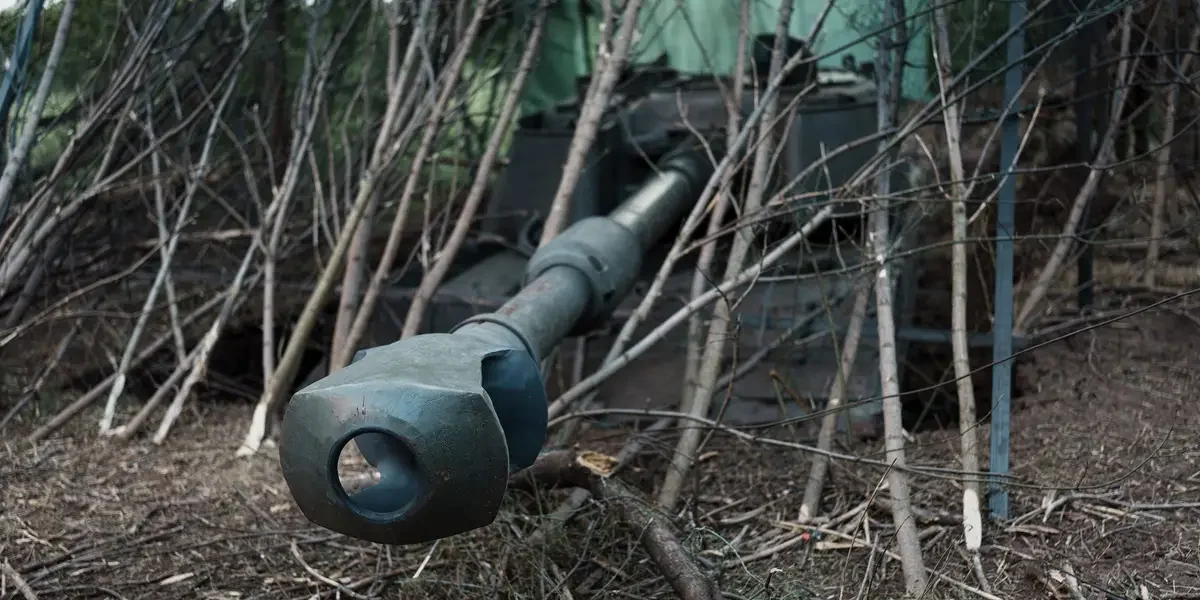
Ukraine is using US-made artillery rounds that lay anti-tank mines in flight, which are being fired over Russian troops' heads, making their positions more precarious. The Remote Anti-Armor Mine System shells force desperate choices for vehicles delivering troops, ammunition, fuel, and food to front-line positions and can also be used to set traps along escape routes for front-line forces. The mines self-destruct at certain times, and Ukraine's counteroffensive appears to be underway, attacking Russia's positions with Western-made tanks, infantry fighting vehicles, artillery, and other weapon systems that could force them into a retreat along paths that might be mined.
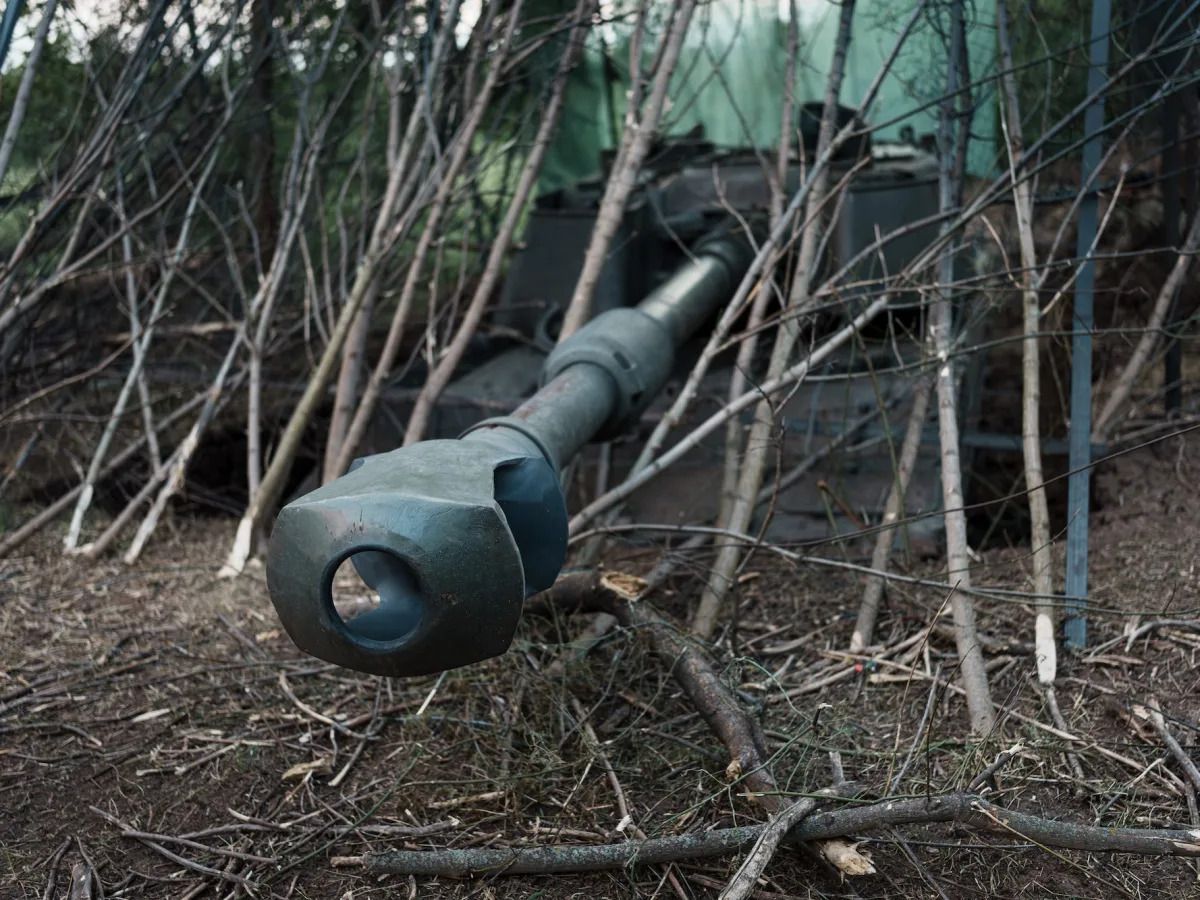
Ukrainian forces are using US-made artillery rounds that lay anti-tank mines in flight, posing a threat to Russian troops defending the front lines against Ukraine's advance. The mines self-destruct at certain times, and can be used to set traps along escape routes for front-line forces. The US has sent Ukraine over 10,000 of these rounds along with the 155mm howitzers that can fire them out to a range of nearly 11 miles.
Wagner founder Yevgeny Prigozhin accused "representatives of the Russian Defense Ministry" of placing mines along Wagner troops' exit routes from Bakhmut. According to Prigozhin, there were explosive devices placed in around a dozen locations along Wagner troops' exit routes, including "hundreds" of anti-tank mines. Those who placed the explosive devices were "representatives of the Russian defense ministry."
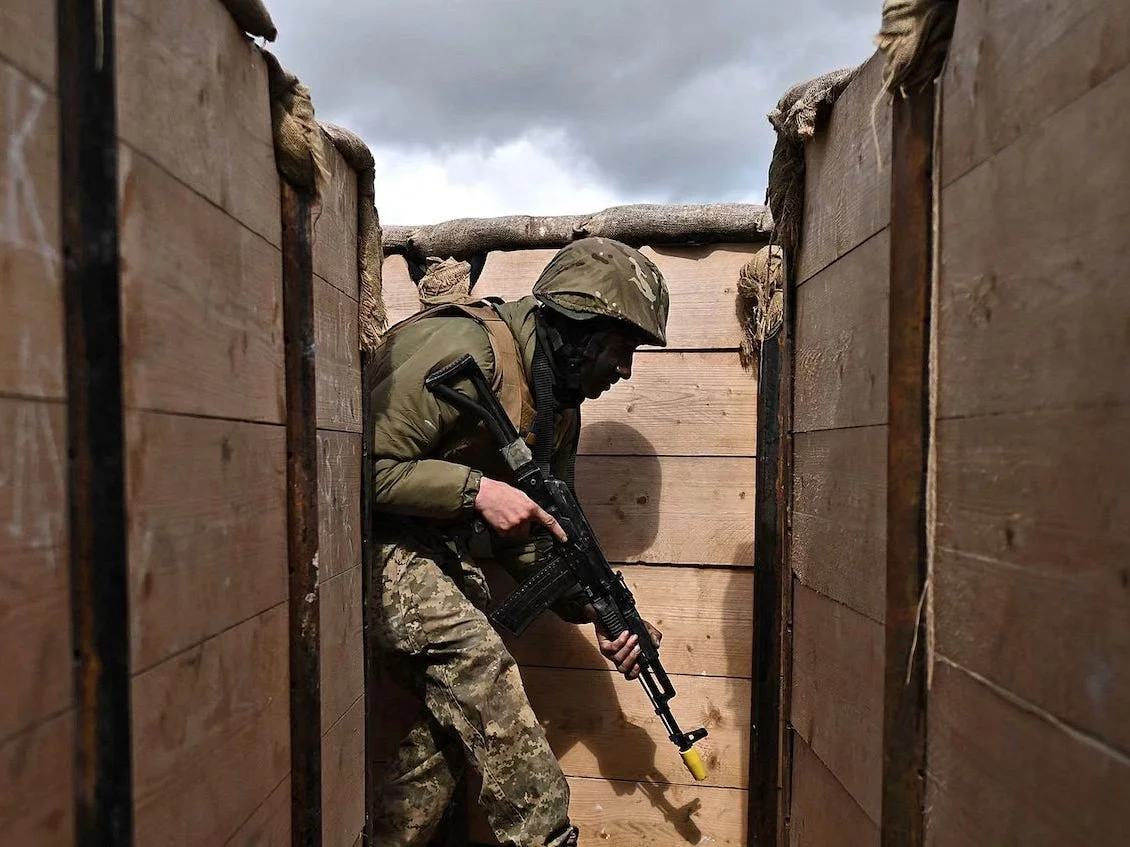
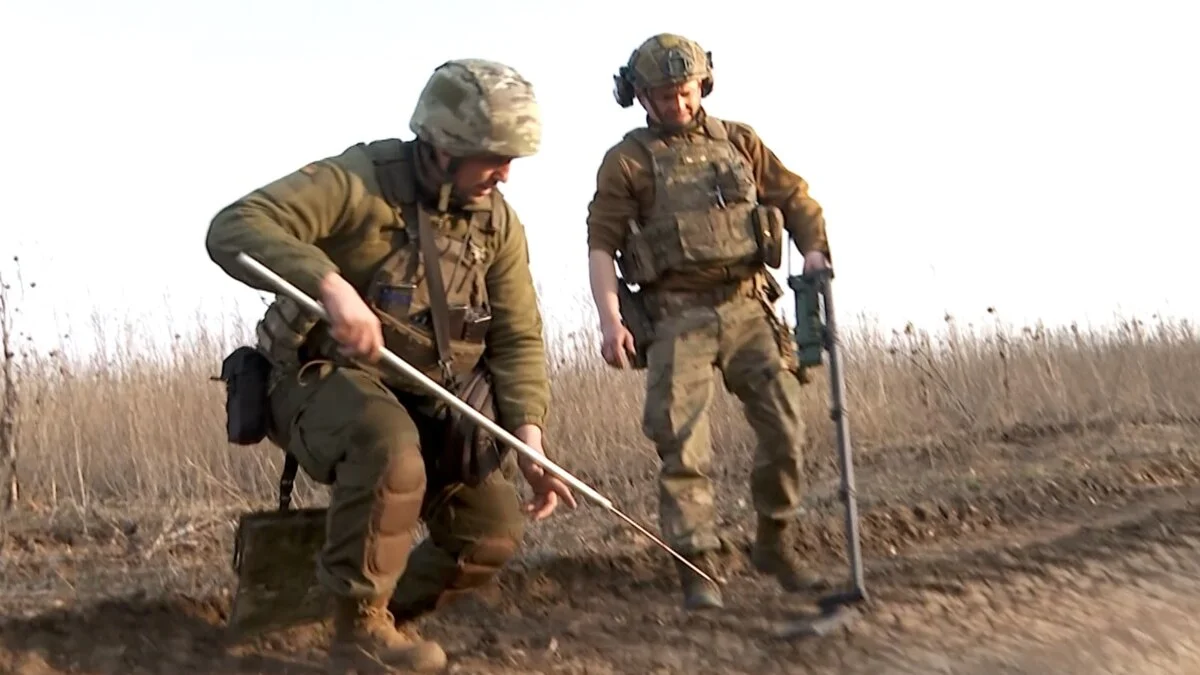
Ukrainian sappers from the assault brigade clear mines on the front line laid by Russian forces, risking their lives and working just a few hundred meters from enemy positions.