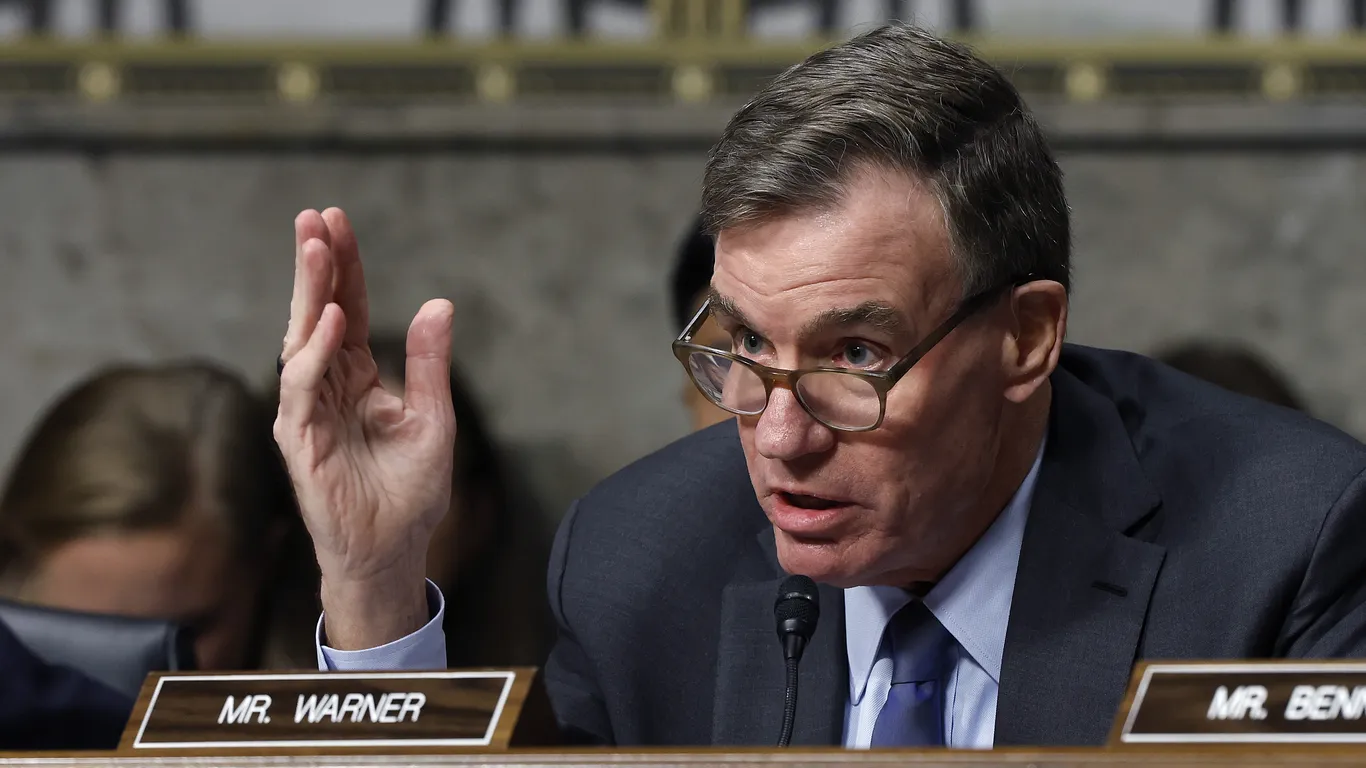
Senate Intelligence Committee Vice Chair Mark Warner's classified intelligence meeting was canceled after far-right activist Laura Loomer attacked him online, accusing him of being part of a conspiracy and criticizing the intelligence community, leading to concerns about political influence and security clearances.
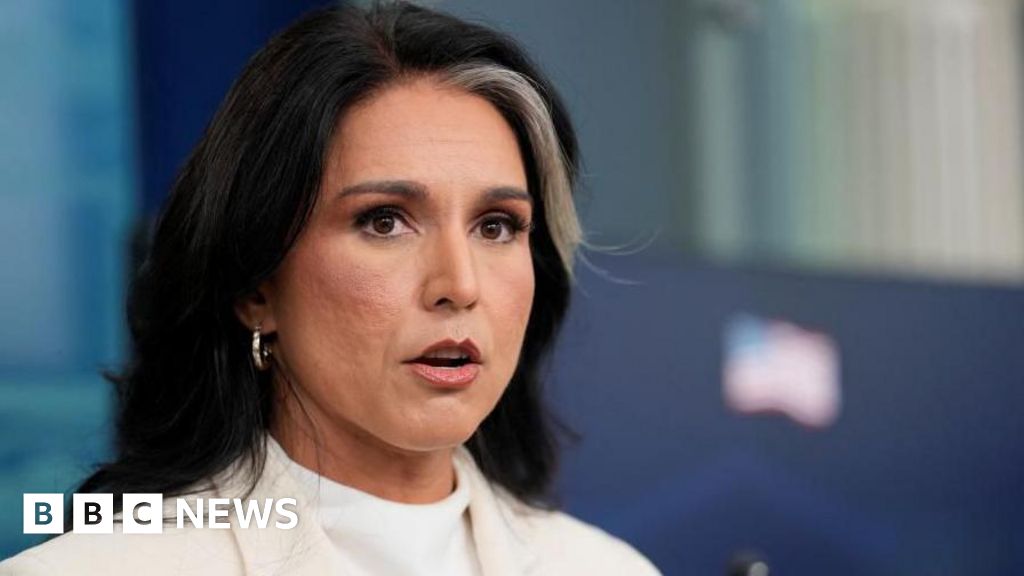
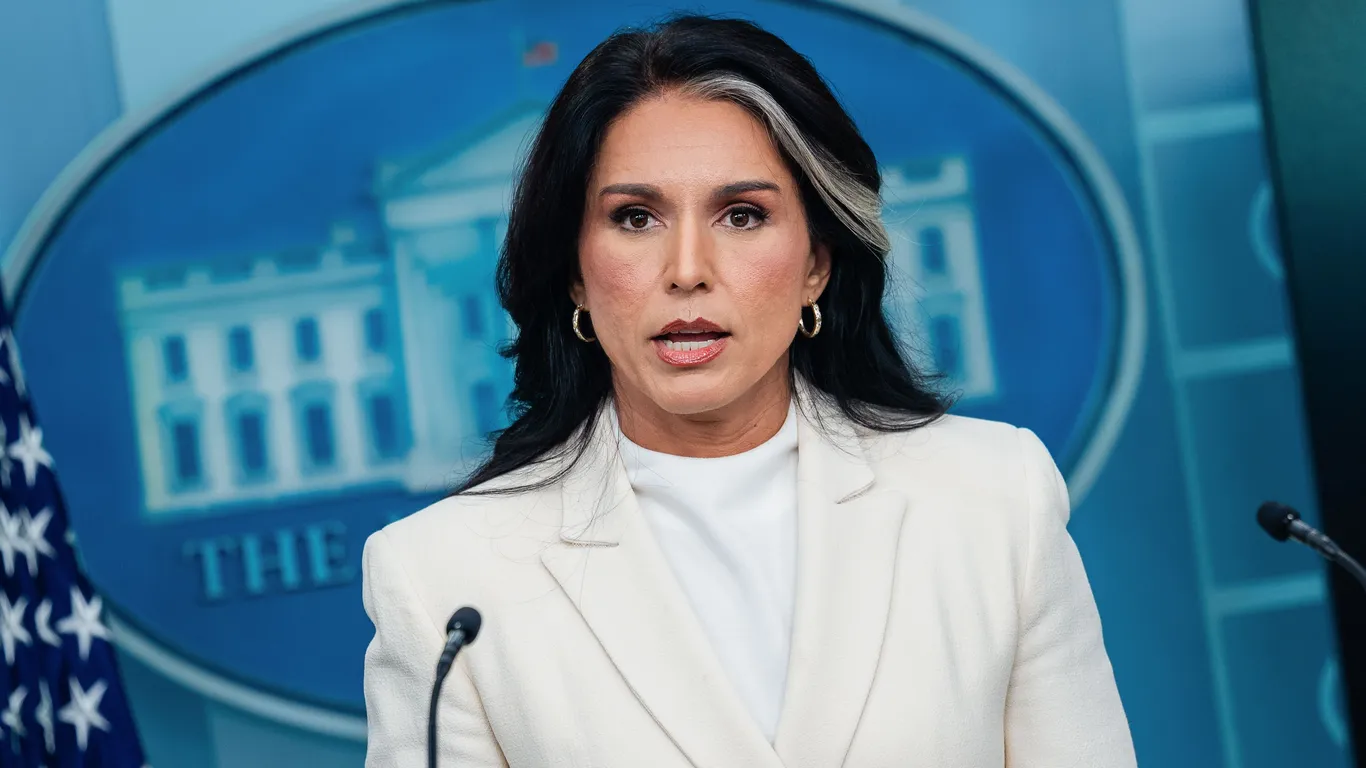
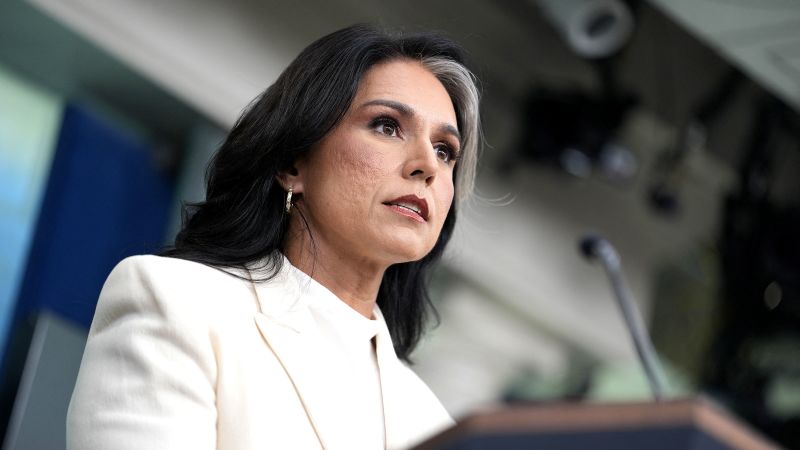
Tulsi Gabbard publicly disclosed the name of an undercover CIA officer while revoking security clearances of 37 current and former officials, causing tensions with the CIA and raising concerns about politicization and the handling of classified information, amid broader conflicts with CIA leadership and political pressures.
President Donald Trump's administration revoked the security clearances of 37 current and former US officials, accusing them of politicizing intelligence, with Tulsi Gabbard leading the action and citing abuse of trust, though no specific charges were detailed. The move continues a pattern of revocations targeting officials from previous administrations, amid ongoing political tensions over intelligence assessments and agency reforms.
The Trump administration revoked the security clearances of 37 current and former officials, accusing them of politicizing intelligence and leaking classified information, amid ongoing disputes over Russia interference and political biases. The move, publicly announced by DNI Tulsi Gabbard, has raised concerns about privacy violations and the politicization of intelligence agencies.
Hawaii Congresswoman Tulsi Gabbard revoked security clearances for 37 former intelligence officials, including those involved in the Russia election interference review, amid political disputes and accusations of misconduct, drawing responses from former administrations and highlighting ongoing tensions over the investigation's findings.
Tulsi Gabbard, Director of National Intelligence, revoked security clearances of at least 37 current and former officials, citing politicization and unprofessional conduct, amid ongoing disputes over Russia's 2016 election interference and efforts to discredit the intelligence community. Critics argue the move is politically motivated and undermines established laws.
The Trump transition team has signed an agreement with the Justice Department to begin submitting names for background checks and security clearances, a crucial step in the transition process. This agreement allows the team to prepare for leadership roles in federal agencies by gaining access to necessary information. Despite missing an earlier deadline, the team has now complied with the requirements, although it opted out of a separate agreement with the General Services Administration that would have provided additional resources but required an ethics agreement.
President-elect Donald Trump has not yet authorized FBI background checks for his nominees, relying instead on internal vetting and external law firms. While FBI checks are customary for identifying potential issues with nominees, they are not legally required. Trump's decision to delay these checks until after taking office raises concerns about the thoroughness of the vetting process, especially for high-level national security positions. Senate committees may conduct their own investigations, and media scrutiny could also reveal potential red flags.
A bipartisan bill introduced in the House of Representatives, known as the Cannabis Users Restoration of Eligibility Act, aims to allow marijuana users, both past and present, to qualify for security clearances and federal employment. The legislation seeks to end the practice of denying job applicants with cannabis use history from working in the federal government. Currently, 38 states and Washington, D.C., allow medicinal cannabis use, while 23 states and D.C. have legalized recreational marijuana. The bill has garnered support from various groups advocating for federal decriminalization of cannabis and criticizing the War on Drugs.
The Special Counsel has requested a delay in the trial of former President Donald Trump and his aide, Walt Nauta, on federal charges related to their handling of classified documents. The trial had been scheduled for August 14, but the prosecutor said it could take up to 60 days before defense attorneys obtain the necessary security clearances to view certain evidence in the case. The office suggested a December 11 trial date. Trump was arraigned on June 13, pleading not guilty to 37 felony counts related to his alleged mishandling of classified documents.
Lawyers representing former President Donald Trump in his indictment on charges of illegally retaining national defense information have been ordered by Judge Aileen M. Cannon to start the process of obtaining security clearances to handle classified material by early next week. The lawyers will need an active clearance because Trump has been accused of illegally taking 31 documents with him when he left office, many of which were classified as top secret. The legal battle is likely to revolve around the Classified Information Procedures Act, which lays out ways of safely introducing classified material at public trials.
The judge appointed by Trump to oversee the case involving the release of classified documents by former President Trump's administration has ordered the parties involved to provide information on their security clearances. The judge's order is seen as a sign that he is taking an active role in overseeing the case and ensuring that classified information is protected.
U.S. District Court Judge Aileen Cannon has ordered all attorneys in the case against former President Donald Trump to contact the Justice Department about obtaining security clearances. The case revolves around Trump's alleged hoarding of highly classified national security documents at his private residence and obstructing efforts by federal officials to reclaim them. The government is likely going to have to share key aspects of those documents with Trump and his legal team. Both Trump and his co-conspirator, Walt Nauta, are looking to fill out their legal teams in the coming days.
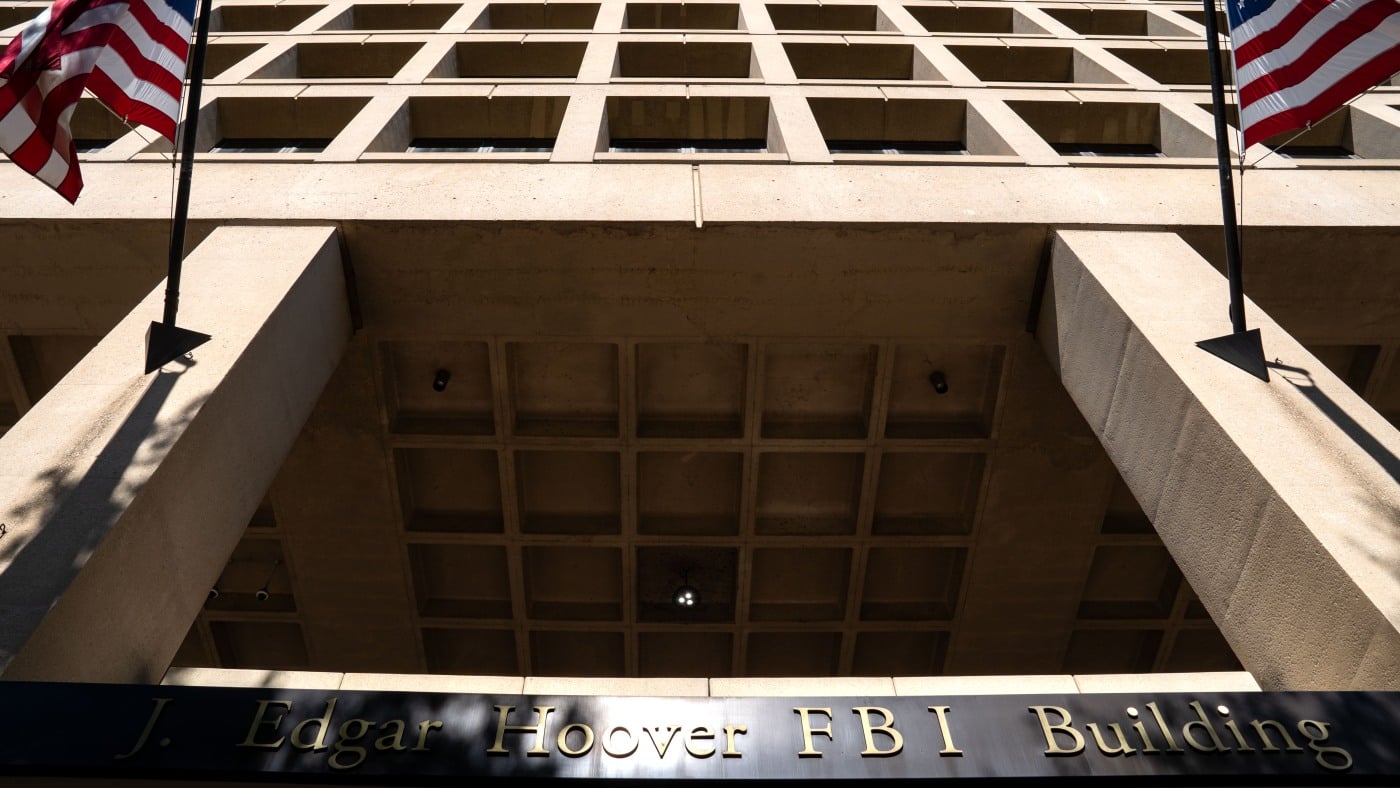
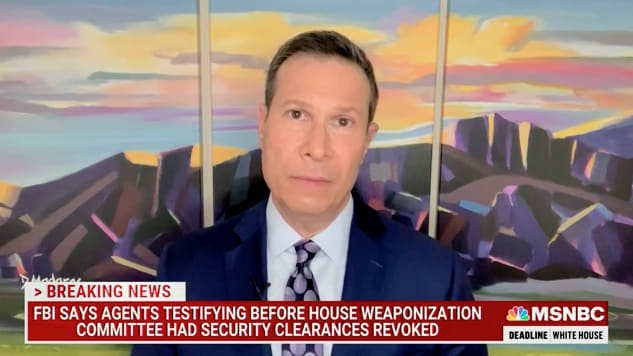
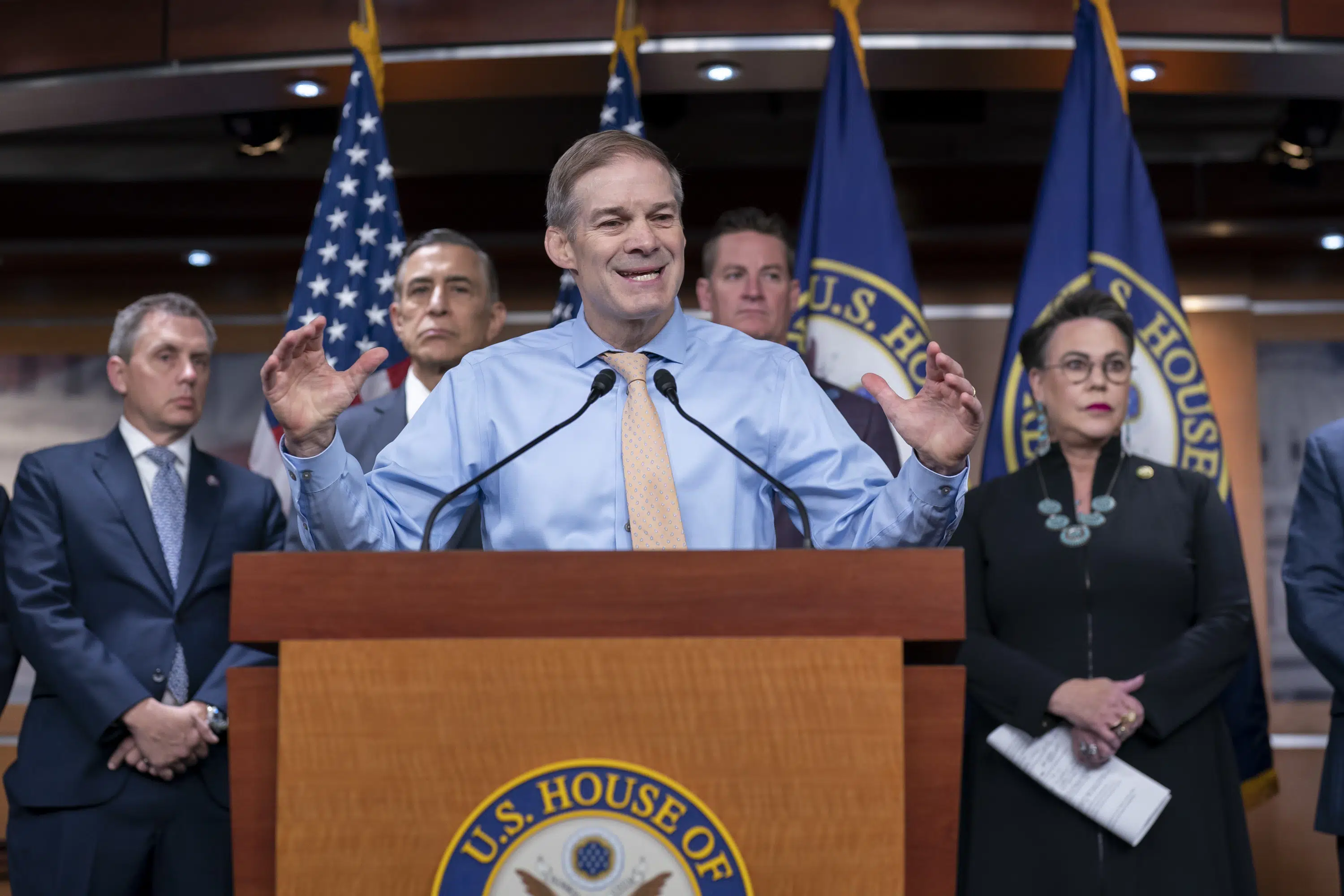
Former FBI Assistant Director for Counterintelligence Frank Figliuzzi criticized Rep. Jim Jordan and other House Republicans after the FBI sent a letter to Jordan saying that two of his witnesses, who would go on to testify before the Subcommittee on the Weaponization of the Federal Government, had their security clearances revoked in May. The FBI has about had it with the myth that they’re retaliating against employees for merely expressing conservative opinions, said Figliuzzi.
Former FBI employees testified before a House committee investigating the "weaponization" of the federal government against conservatives. The FBI revoked the security clearances of two of the men after concerns about their views of the Capitol attack on Jan. 6, 2021. The former employees accused the FBI of overreach and retaliation, while Republicans on the committee hailed them as rank-and-file patriots. Democrats dismissed the testimony as another attempt by Republicans to help former President Donald Trump. The investigation by the select committee has also encompassed social media companies and other large businesses.