Aldrich Ames, a notorious CIA spy responsible for betraying numerous US sources to the Soviet Union and Russia, has died in federal prison at age 84, highlighting one of the most damaging espionage cases in US history and leading to reforms in intelligence security protocols.
Homeland Security Secretary Kristi Noem has dismissed 24 FEMA IT employees, including top leaders, due to security lapses that exposed vulnerabilities in FEMA's network, with allegations of neglecting protocols and obstructing investigations. The firings follow a cybersecurity review that uncovered major flaws, and reflect ongoing tensions between DHS and FEMA leadership over security and management issues.
The 2024 Copa América concluded with Argentina defeating Colombia 1-0 in a final marred by security breaches and fan melees. The tournament featured thrilling matches and standout performances, but was also plagued by poor pitch conditions, oppressive heat, and high ticket prices leading to low attendance. The event raised concerns about the U.S.'s readiness to host the 2026 World Cup, with calls for better organization and security measures. Despite the issues, the tournament highlighted the potential benefits of a joint CONMEBOL-Concacaf competition.
Cybercriminals are increasingly targeting casinos through social engineering, exploiting vulnerabilities in their systems by deceiving employees into divulging information or allowing access. The recent cyberattack on MGM Resorts International and the reported ransomware attack on Caesars Entertainment highlight the evolving tactics used by hackers. Experts emphasize the need for companies and government agencies to be vigilant against social engineering and to constantly evolve their security systems to combat cyber threats.
Decentralized finance (DeFi) platforms are facing existential challenges as they grapple with frequent hacks and security breaches, eroding investor confidence. In the past month alone, Curve Finance, Exactly, Saddle Finance, Spirit Swap, and Hundred Finance have all experienced significant security breaches or closed down. Between January and July 2022, there were 132 DeFi hacks resulting in losses worth $1.8 billion. Additionally, the declining market share of DeFi, with the total value locked (TVL) dropping to $37 billion, has been attributed to lower cryptocurrency prices and rising interest rates on low-risk assets. Regulatory scrutiny is also increasing, with lawmakers calling for more oversight of the sector. Despite these challenges, some industry experts believe that responsibly designed protocols can help mitigate risks and ensure the future viability of DeFi.

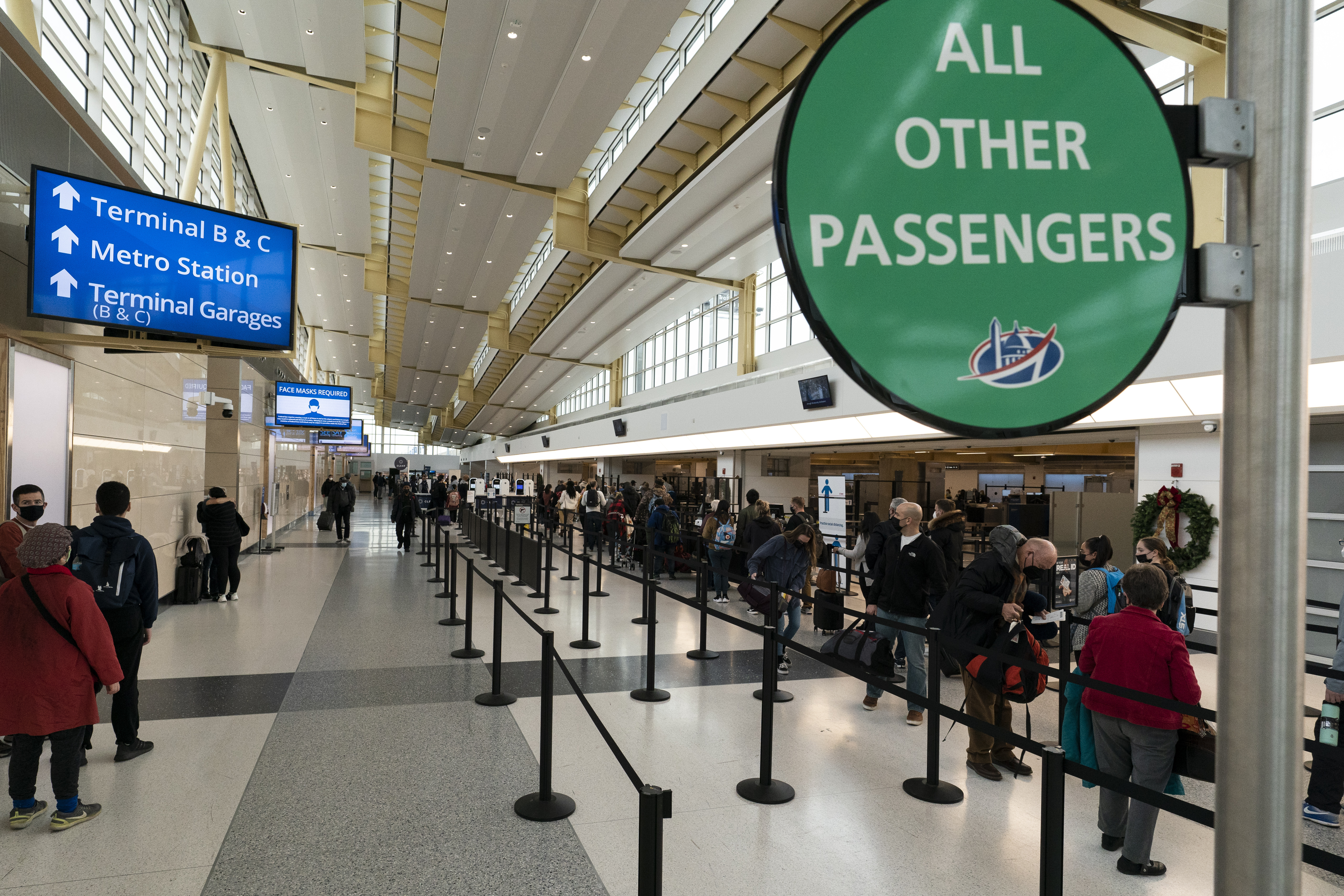
CLEAR, a service that allows passengers to bypass airport security checkpoints, is facing scrutiny from lawmakers after two security incidents were revealed. In both cases, CLEAR employees escorted passengers through TSA security checkpoints without proper ID or enrollment in CLEAR's identity-vetting service. Lawmakers are calling for changes in TSA's handling of CLEAR passengers and have criticized the company's "lax security controls." CLEAR has fired the employees responsible for the lapses and their managers, and has implemented retraining for all employees. Lawmakers are now demanding that all CLEAR passengers present their IDs to a TSA agent, potentially impacting CLEAR's business model.