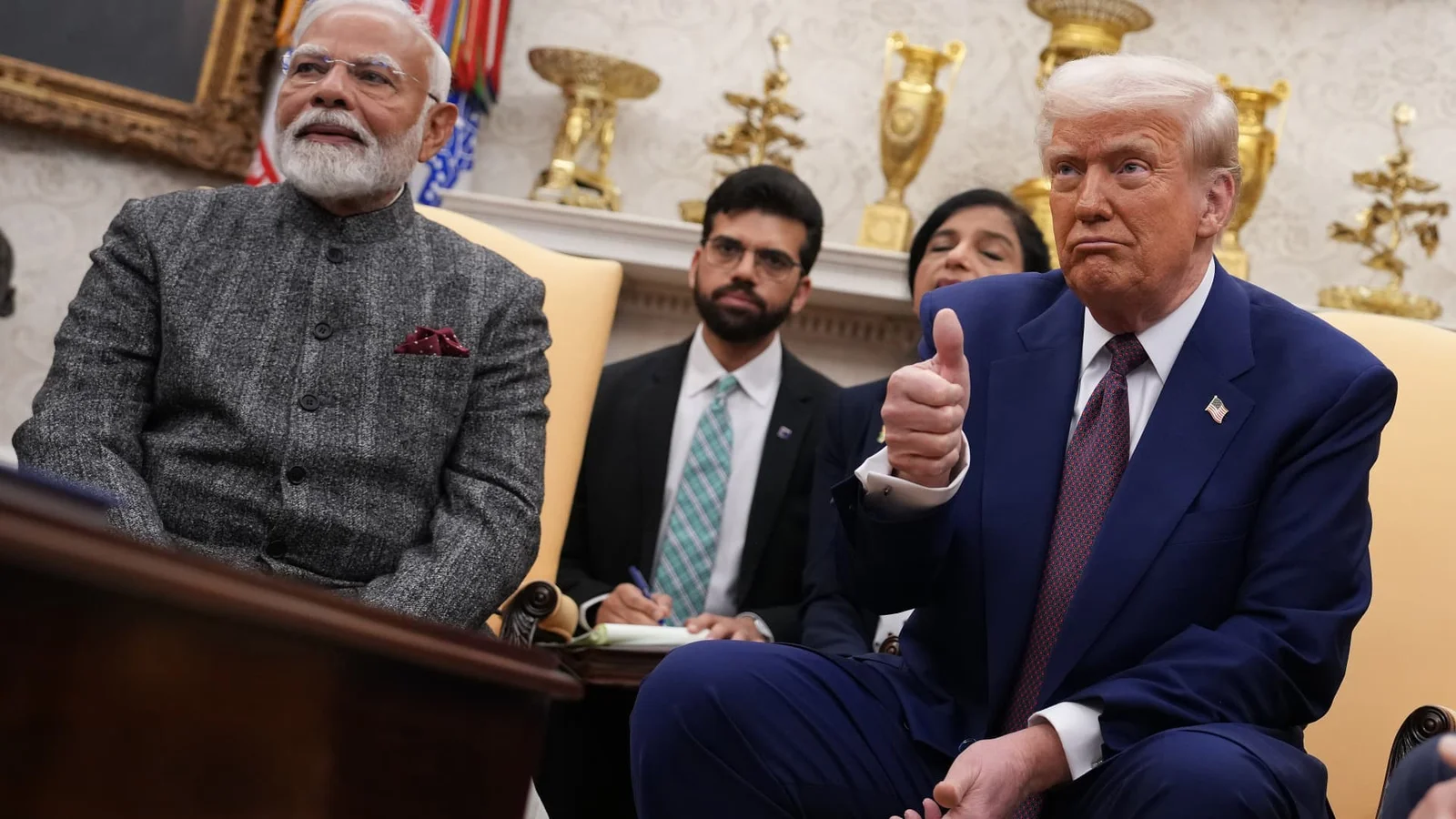
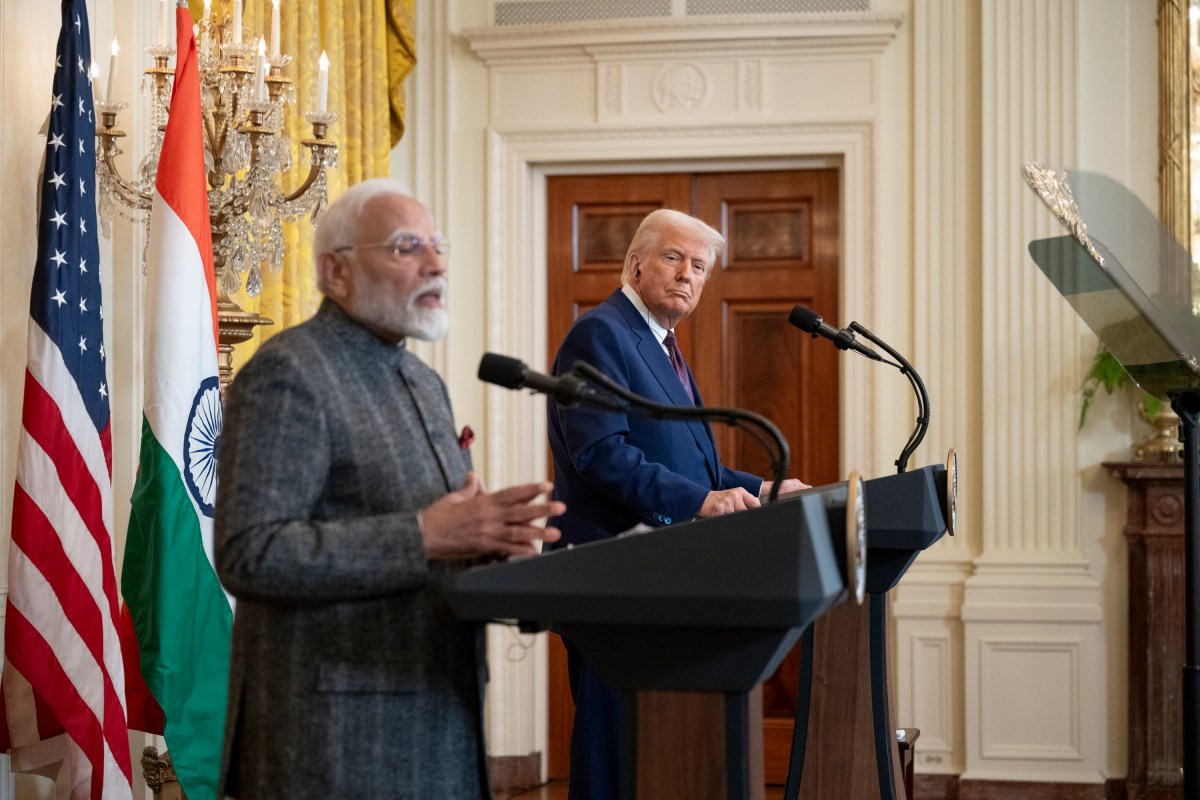
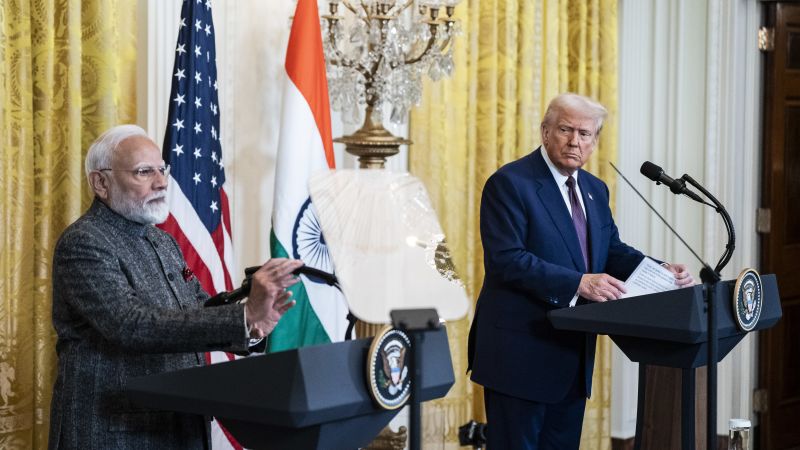
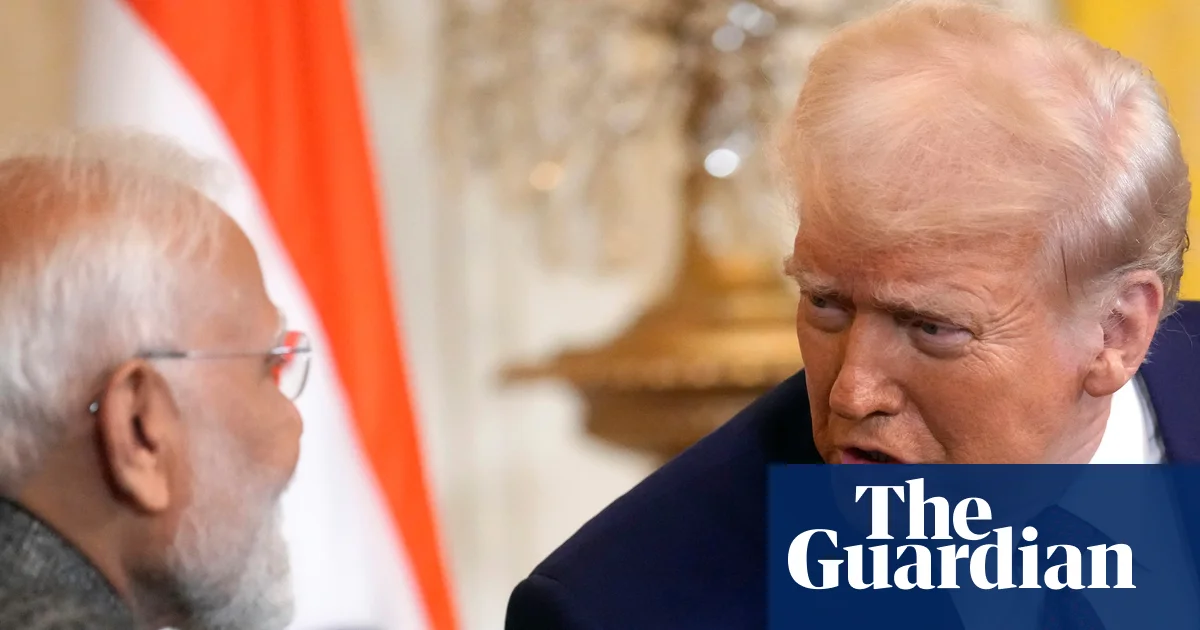
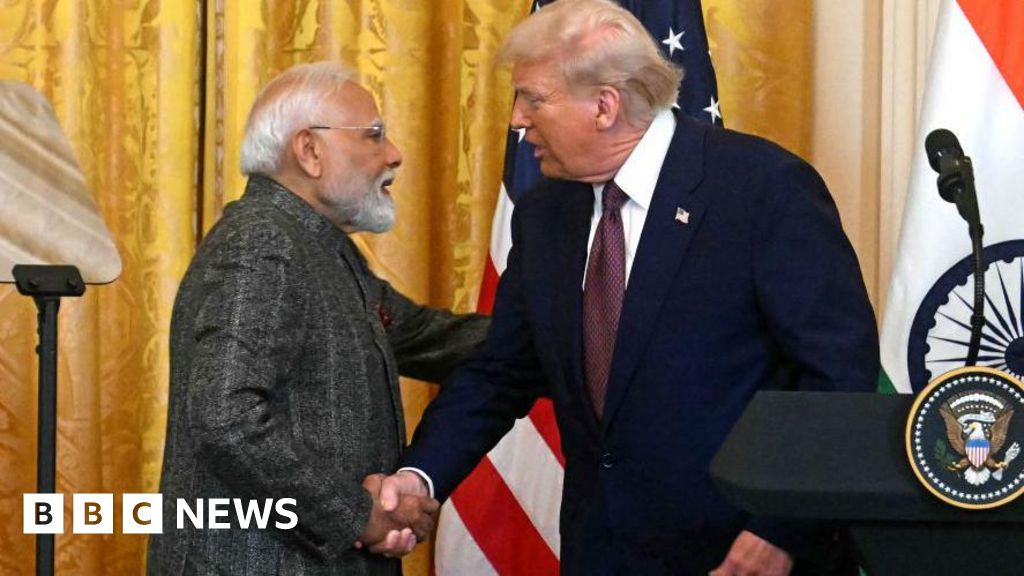
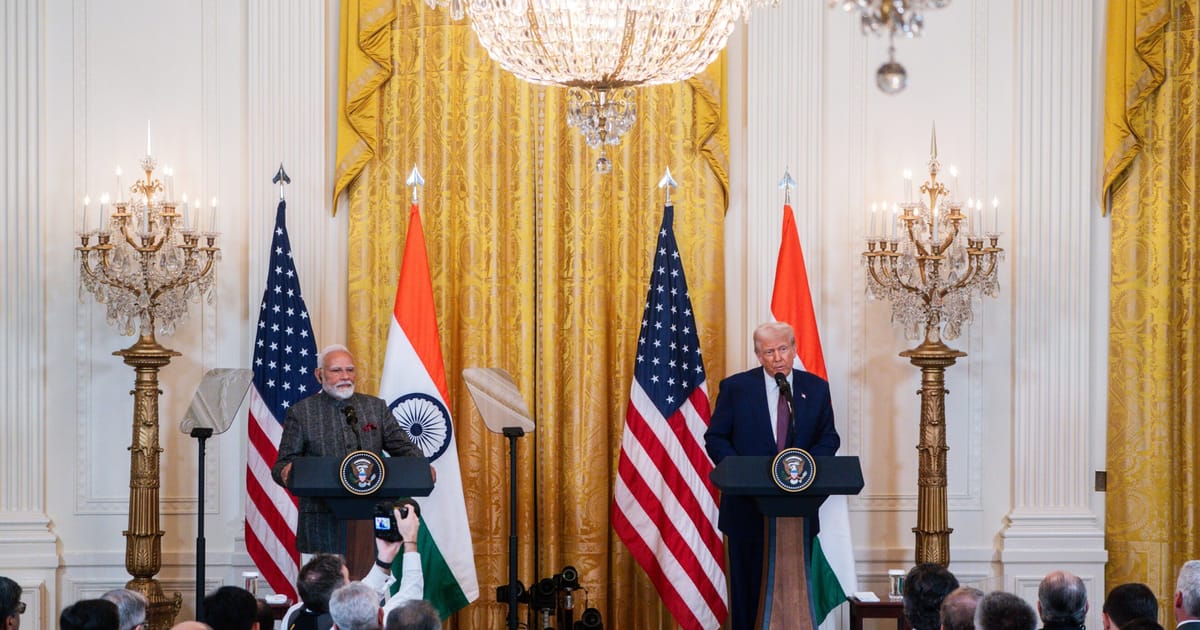
President Trump said tariffs on Indian goods would be cut to 18% after India agreed to halt purchases of Russian oil, a move that could reshape US-India trade ties amid ongoing negotiations.
India and the EU announced a landmark free-trade agreement to reduce tariffs on more than 90% of goods, with India cutting duties in agriculture and autos and the EU easing tariffs on textiles, leather, marine products and jewelry—a long-sought deal that faces uncertainty from U.S. President Trump’s stance even as markets brace for a Fed decision and broader shifts in global trade.
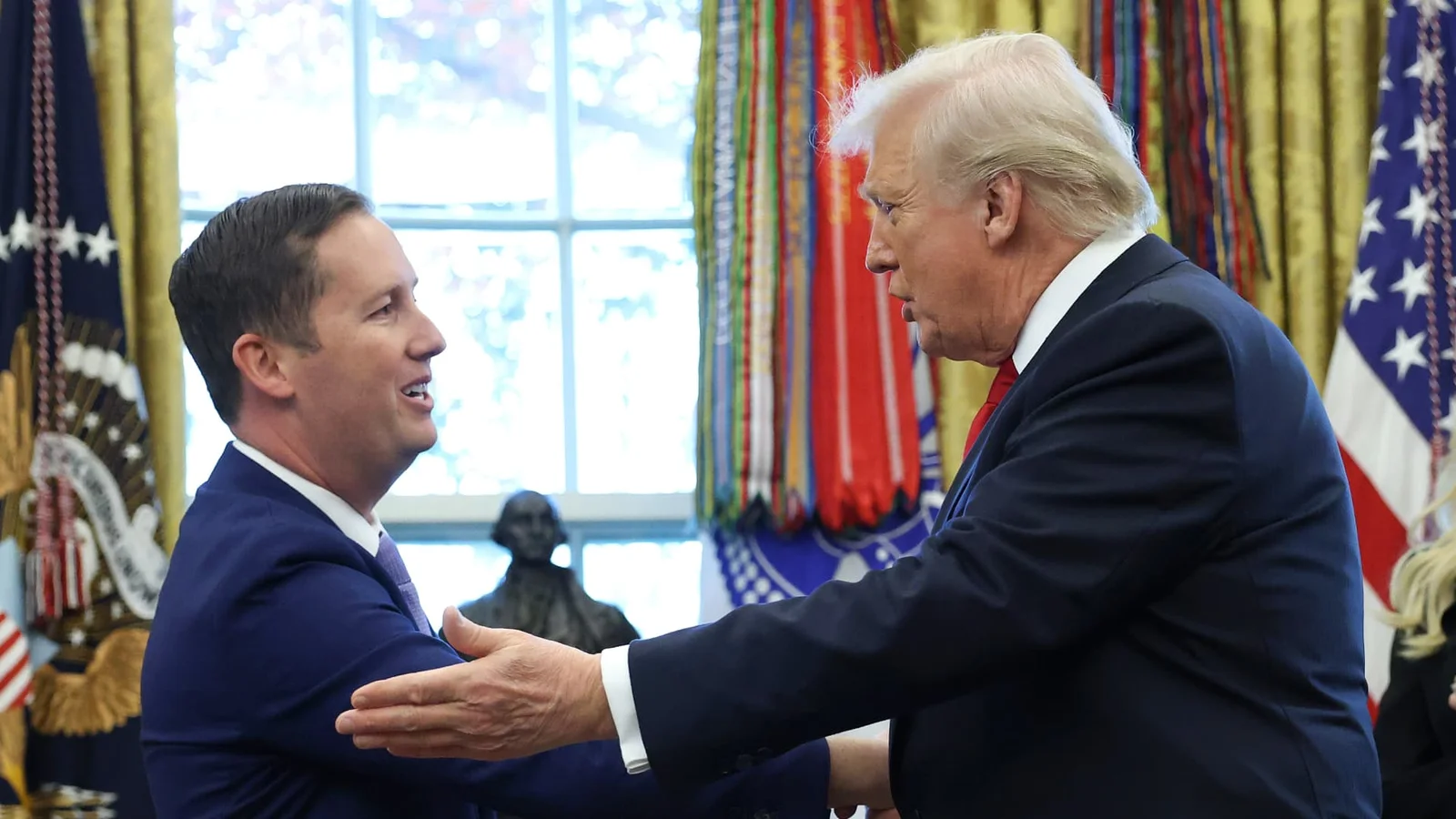
U.S. President Donald Trump indicated a potential reduction in tariffs on Indian goods following Sergio Gor’s swearing-in as ambassador to India, signaling a possible move towards a trade deal amidst ongoing tensions over Russian oil imports and strategic ties. Despite Trump’s comments, data shows Russian oil imports to India remain steady, and India continues to strengthen its ties with Russia, complicating the US-India relationship. The appointment of Gor aims to expedite negotiations, but also raises concerns about diplomatic volatility.
The article discusses India's evolving stance on Russian oil amidst US pressure, highlighting the broader geopolitical tensions involving the US, China, and Russia, and emphasizing India's need to maintain strategic autonomy despite external pressures and internal divisions.
India has denied US President Trump's claim that it agreed to stop buying Russian oil, highlighting ongoing tensions and the country's reliance on Russian energy, despite US sanctions and diplomatic pressures.
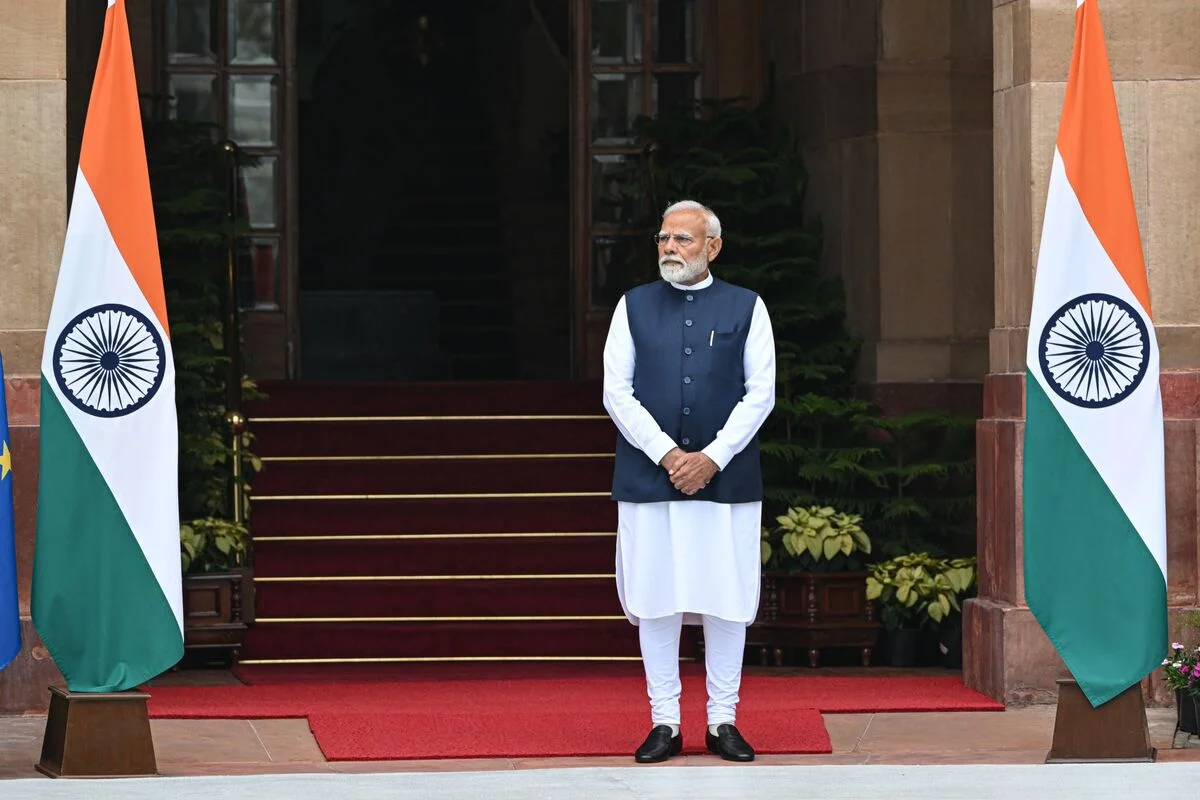
India has denied claims by Donald Trump that Prime Minister Narendra Modi agreed to stop buying Russian oil, highlighting ongoing tensions with the US over energy and geopolitical issues, while maintaining its relationship with Russia.
US President Donald Trump announced that Indian Prime Minister Narendra Modi committed to stopping Russian oil purchases, signaling a potential resolution to tensions related to energy imports and trade policies, though no specific timeline was provided.
Donald Trump's new $100,000 fee for H-1B visas threatens to disrupt Indian IT firms' US projects, impacting their margins and straining US-India relations amid broader immigration and trade tensions. The policy increase aims to curb abuses but risks backfiring by raising costs for US companies and encouraging them to expand their offshore operations in India. Major Indian tech firms are likely to challenge the move in court, as it affects their ability to deploy engineers in the US.
India and the US are holding a day of trade discussions aimed at resuming stalled negotiations, with tensions high due to US tariffs on Indian goods and disagreements over agricultural market access, but both sides express optimism about reaching an agreement soon.
India and the US have deescalated tensions and reopened trade talks, with recent conciliatory moves such as India reducing Russian oil purchases and the US appointing a new ambassador to India, signaling a potential improvement in their relationship.
The article discusses the deterioration of the strategic relationship between India and the US under Trump's presidency, highlighting trade tensions, diplomatic conflicts, and India's pivot towards self-reliance and closer ties with Russia and China, leading to the US losing a key strategic partner in Asia.
President Trump imposed a 50% tariff on Indian goods, the highest in Asia, to penalize India for buying Russian oil, straining US-India relations and risking India's export competitiveness and economic growth, though some sectors are exempt and India is considering reforms to mitigate the impact.
Donald Trump imposed a 50% tariff on most US imports from India as punishment for India's purchases of Russian oil, risking significant economic damage and straining diplomatic relations, with India defying the move by continuing its Russian oil imports and promoting domestic products.
The US and India are experiencing a diplomatic downturn as new tariffs, including a 50% tariff on Indian goods, strain their relationship, potentially impacting strategic alliances like the Quad and India's ties with Russia.
India is maintaining its close ties with Russia and continuing to buy Russian oil despite US threats of punitive tariffs over these purchases. The US has threatened to impose higher tariffs on Indian exports, but India remains defiant, emphasizing its strategic and economic interests, including longstanding defense relations with Russia. The situation reflects a broader geopolitical tension between the US and India, with India exploring alternative oil sources while reaffirming its sovereignty in energy decisions.