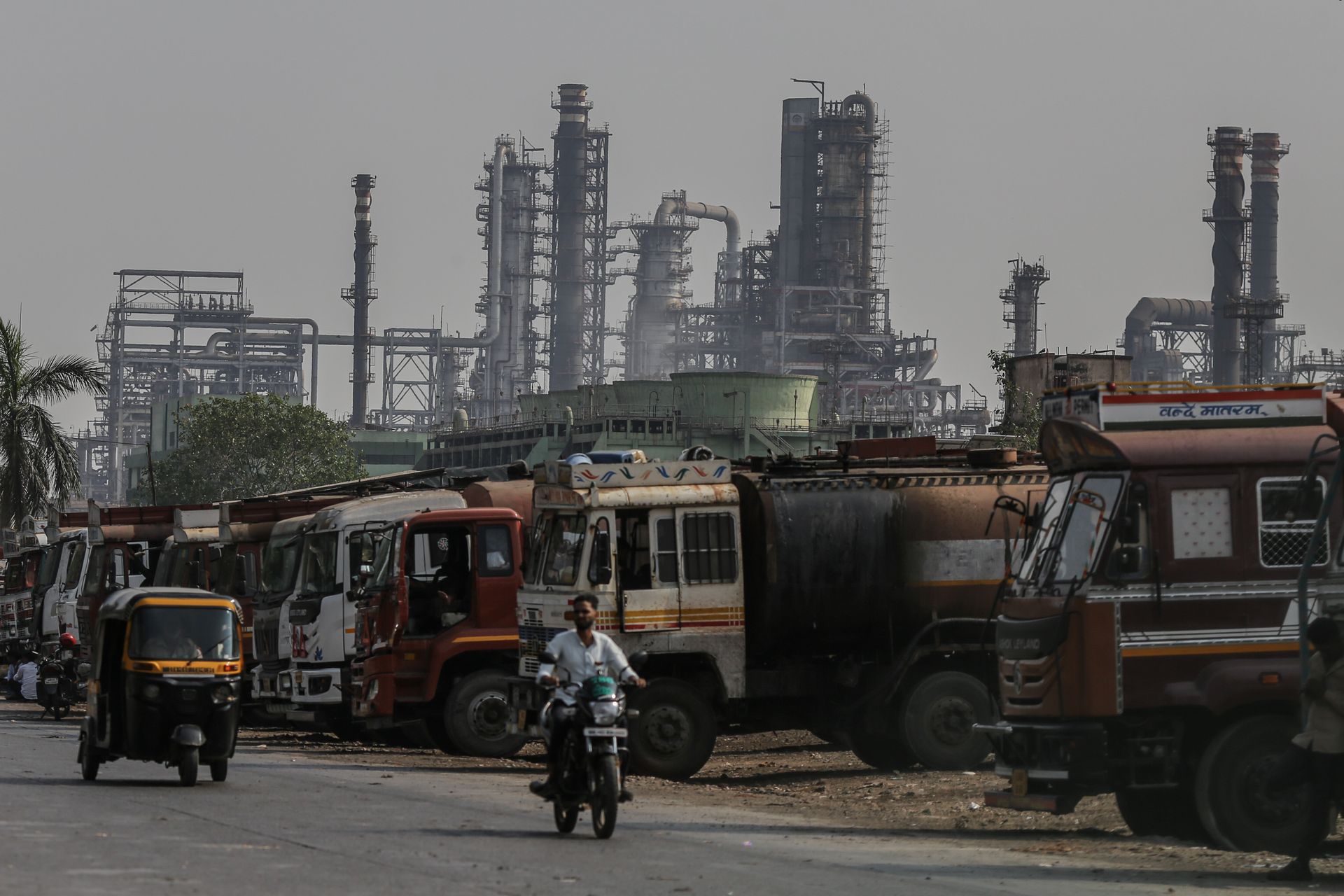
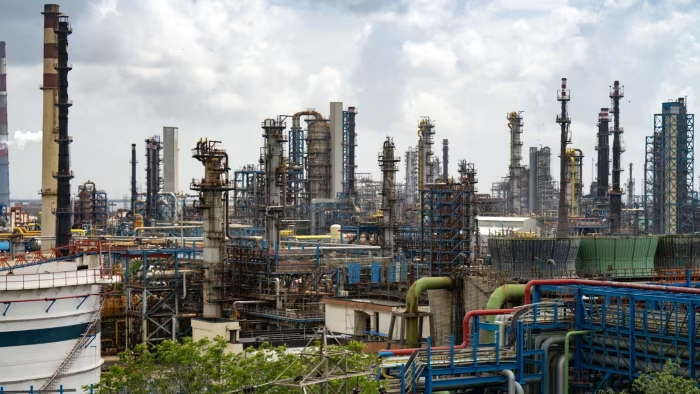
India will continue importing Russian oil despite facing 50% US tariffs, prioritizing its needs over US pressure, amid ongoing tensions related to Russia's war in Ukraine and Russia's economic challenges.
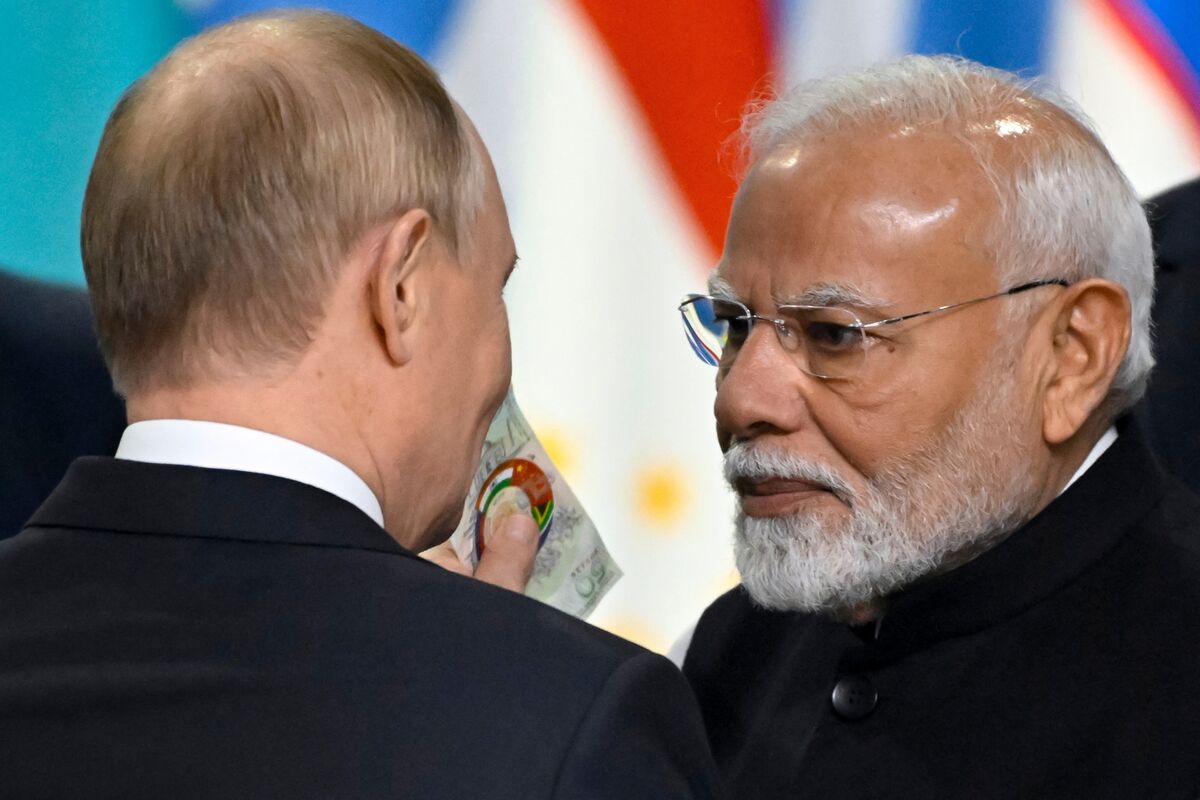
India is maintaining its close ties with Russia and continuing to buy Russian oil despite US threats of punitive tariffs over these purchases. The US has threatened to impose higher tariffs on Indian exports, but India remains defiant, emphasizing its strategic and economic interests, including longstanding defense relations with Russia. The situation reflects a broader geopolitical tension between the US and India, with India exploring alternative oil sources while reaffirming its sovereignty in energy decisions.
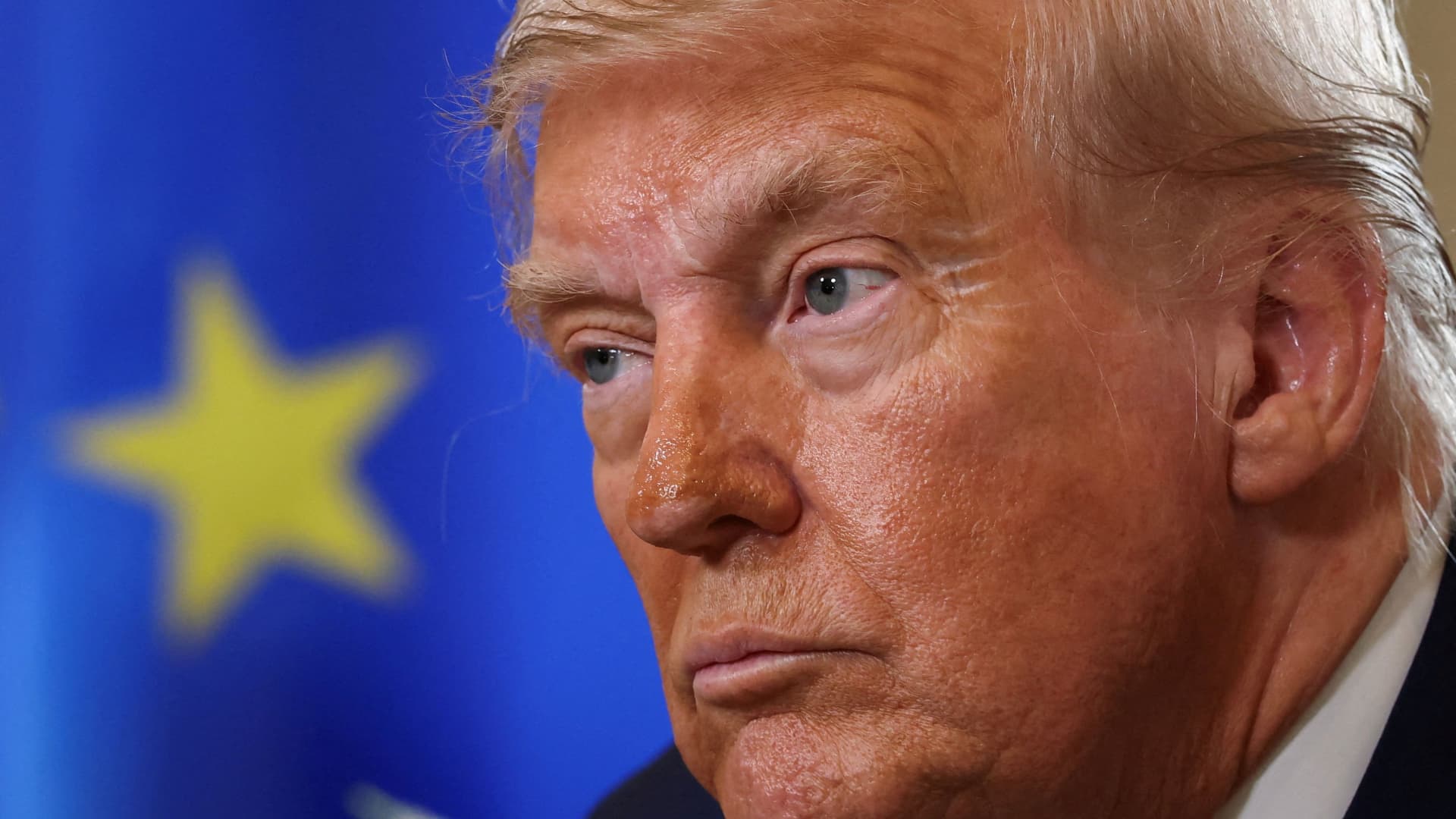
India emphasizes its strong, longstanding partnership with Russia despite US criticism and sanctions, asserting its bilateral relationships are based on their own merits. India continues to buy significant amounts of Russian energy and weapons, while maintaining confidence in its future US relations, amidst recent tensions caused by Trump's comments and tariffs.
The US-EU trade deal involves a non-binding agreement for the EU to purchase $750 billion of US energy and invest $600 billion in the US by 2028, but analysts consider the energy purchase targets unrealistic due to market and political constraints, raising concerns about the deal's implementation and potential future trade conflicts.
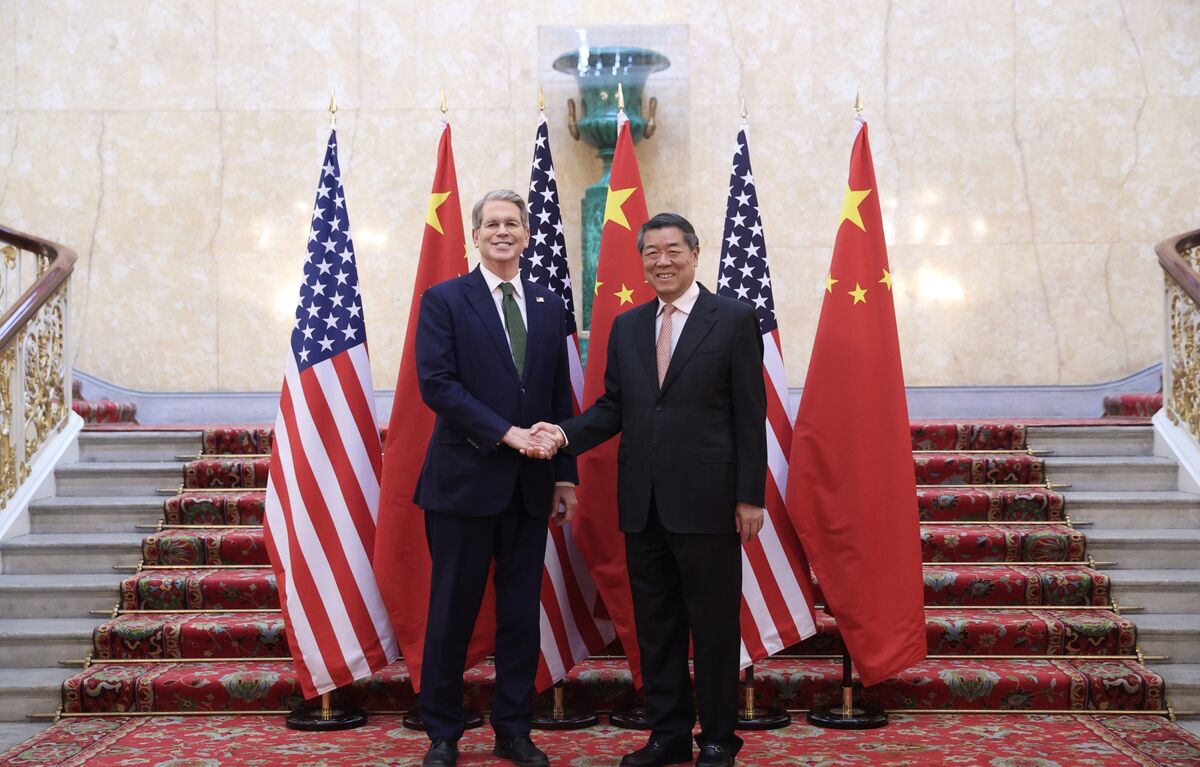
US and Chinese officials are meeting in Stockholm to extend their trade truce, discuss tariffs, fentanyl-related trade issues, and energy imports, with potential for broader agreements that could influence future US-China relations and a possible summit between President Trump and Xi Jinping.
Taiwan faces a significant national security risk as it relies on imports for 97% of its energy needs, leaving it vulnerable to supply disruptions and geopolitical tensions. The country is heavily dependent on fossil fuel imports, particularly from the Middle East, which poses risks to its energy security. To mitigate this risk, Taiwan is actively seeking to diversify its energy sources and increase its reliance on renewable energy.
Pakistan has received its first discounted crude oil cargo from Russia, which is expected to help the country deal with its payments crisis and reduce the risk of defaulting on its debt. The deal, which was first reported in April, gives Russia a new outlet for its oil, adding to Moscow's growing sales to India and China. Pakistan's imports of crude are expected to reach 100,000 barrels per day after the first cargo arrives on Monday. There has been no confirmation of how payment would be made, but Pakistan recently announced a plan to allow barter trade with Russia, Afghanistan and Iran.