The US Department of Health and Human Services has revised the childhood vaccine schedule, recommending fewer vaccines and emphasizing shared decision-making for some, sparking debate among health officials, medical organizations, and parents about the safety, effectiveness, and implications of these changes.

The US has revised its childhood vaccine schedule, now recommending fewer vaccines for flu, hepatitis A and B, and RSV, aligning with peer countries, and bypassing the usual approval process, under Health Secretary Robert F. Kennedy Jr.'s initiatives.
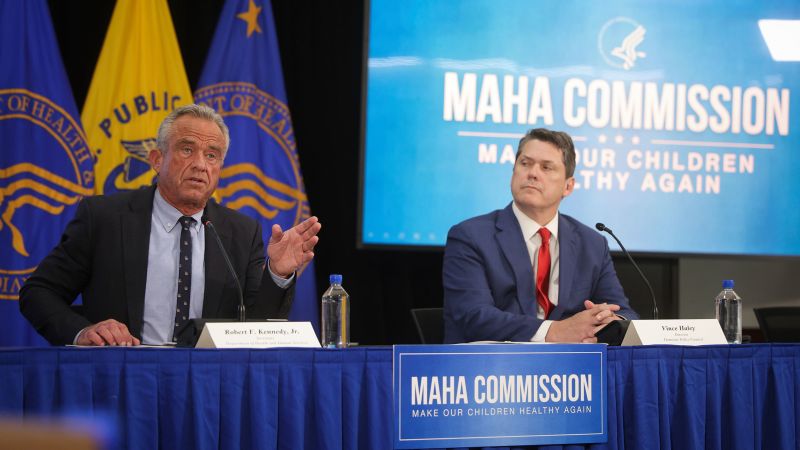
RFK Jr. announced the MAHA strategy aimed at improving children's health through initiatives like studying environmental exposures, vaccine frameworks, and reducing ultraprocessed foods, but critics argue it lacks strong regulatory actions and continues to cast doubt on vaccines.
RFK Jr. has replaced all members of the CDC's Advisory Committee on Immunization Practices with new members, some lacking vaccine expertise and spreading misinformation, signaling significant changes and concerns in U.S. vaccine policy.
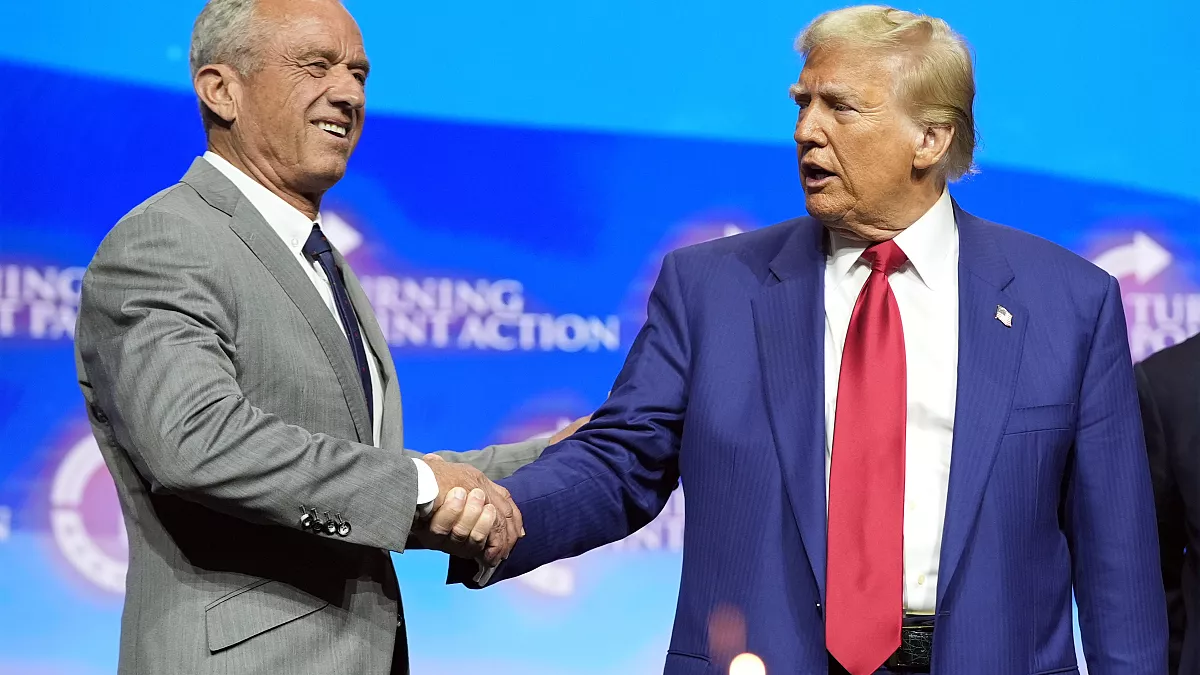
Donald Trump's proposed health policies, influenced by vaccine skeptic Robert F. Kennedy Jr., could have significant global implications, particularly for Europe. Trump's plans include restructuring US health agencies, imposing tariffs on imports that could disrupt drug supply chains, and potentially reducing funding for medical research. These changes might affect global access to medicines, vaccine development, and infectious disease monitoring. Additionally, increased vaccine skepticism in the US could influence European attitudes towards vaccination. However, the exact impact remains uncertain as Trump's policies may not fully materialize.