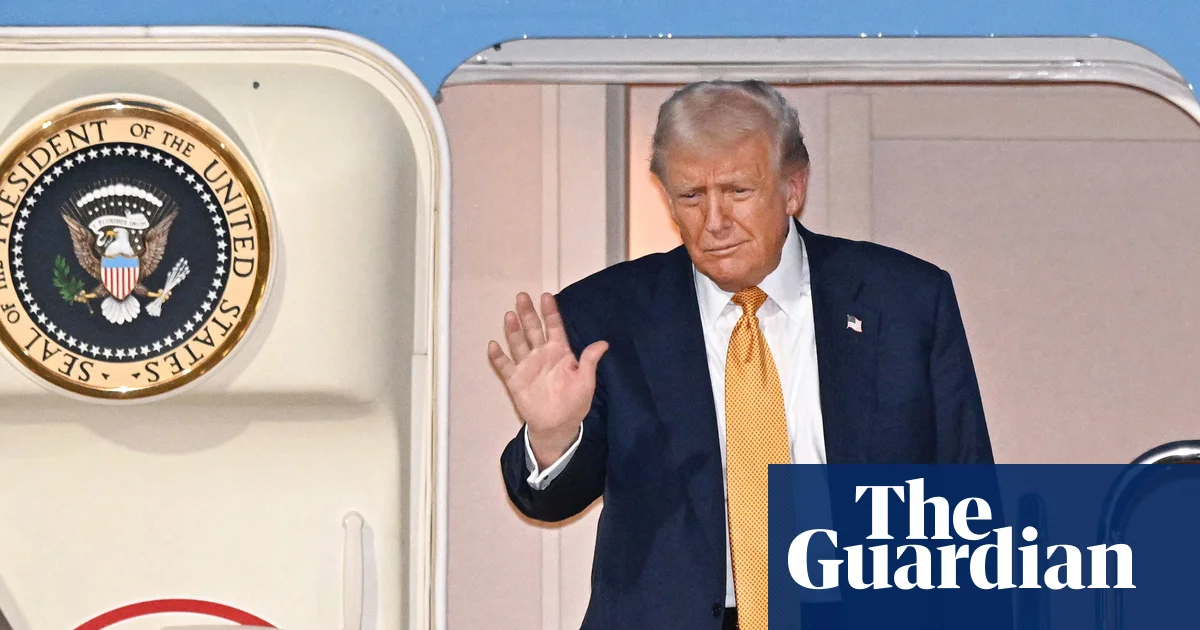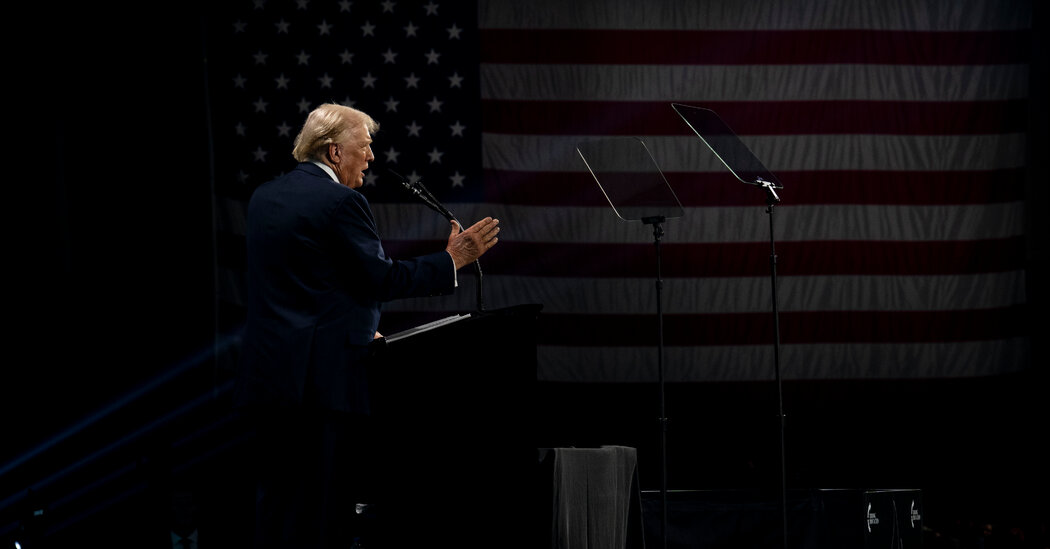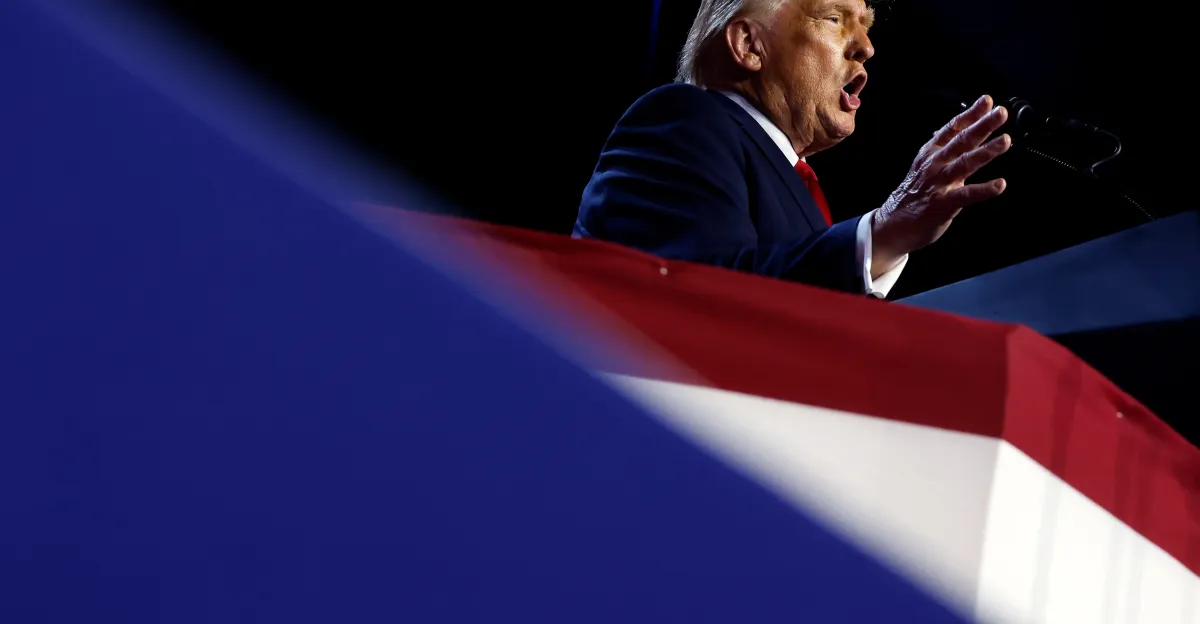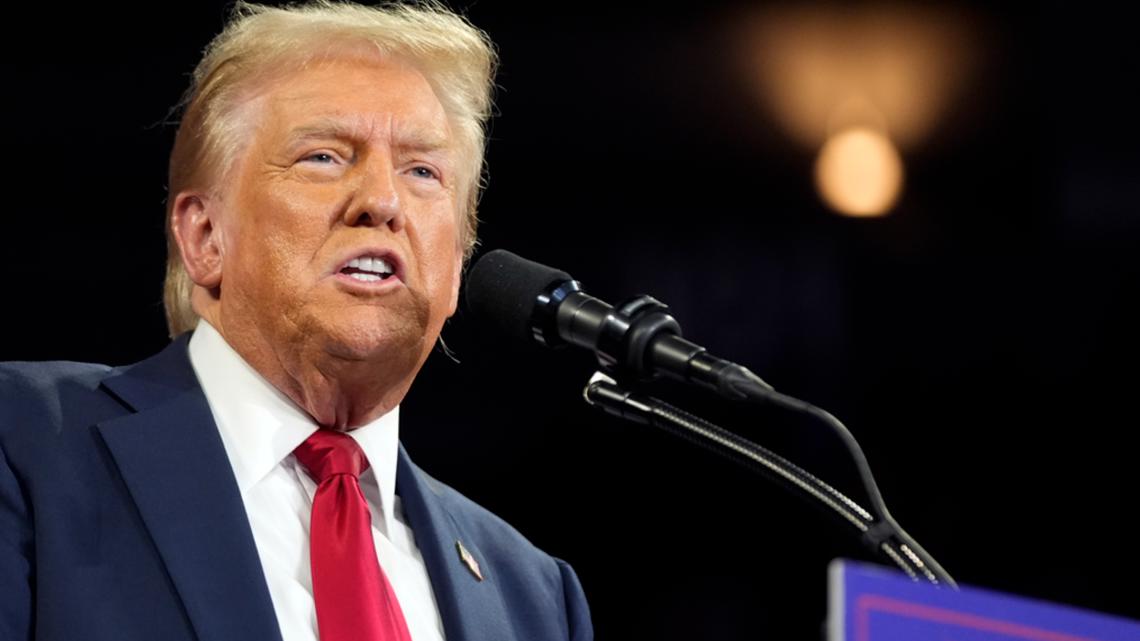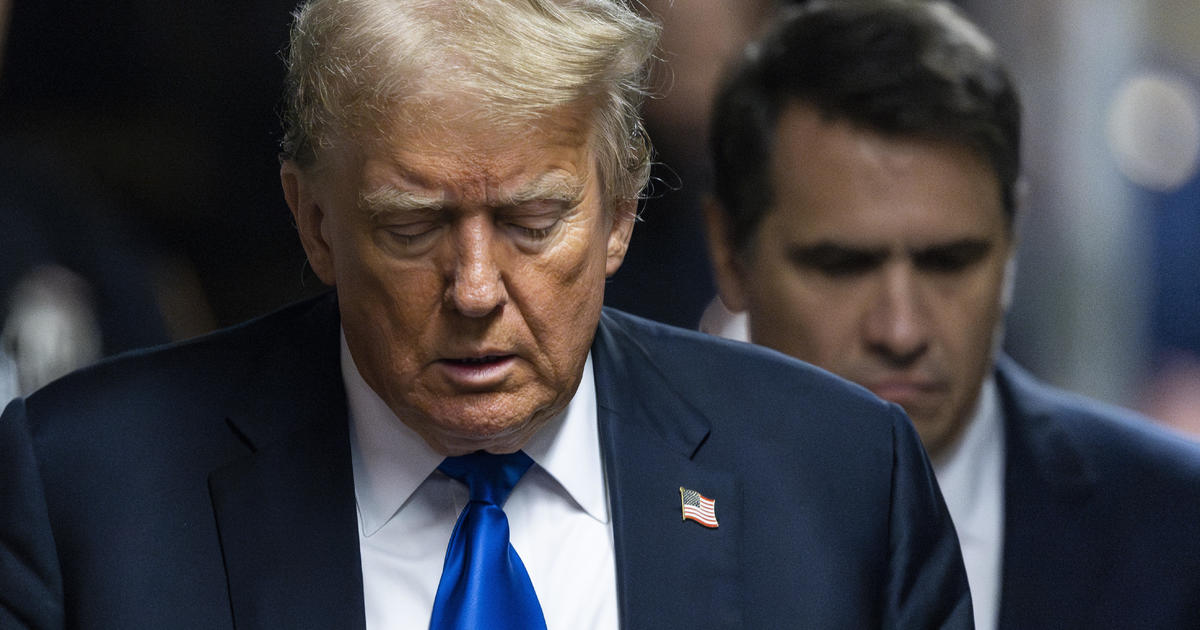
Donald Trump has hinted at a potential run for a third presidential term in 2028, despite the US Constitution's prohibition on more than two terms, with legal experts asserting such a bid would likely be unsuccessful. His supporters have already produced merchandise supporting a 2028 campaign, but constitutional and legal barriers, including the 22nd Amendment, prevent him from legally running for a third term or as vice president to circumvent the rule. Trump has fluctuated in his stance on this issue over time, and public opinion is largely against his attempt.
Donald Trump expressed a desire for a third presidential term but ruled out running for vice-president to achieve it, citing legal and ethical concerns, while also discussing his international diplomatic efforts and potential future meetings with world leaders.
President Donald Trump proclaims September 17-23, 2025, as Constitution Week, celebrating the 238th anniversary of the U.S. Constitution, emphasizing the importance of constitutional principles, responsible citizenship, and patriotic values as the nation approaches its 250th Independence anniversary.
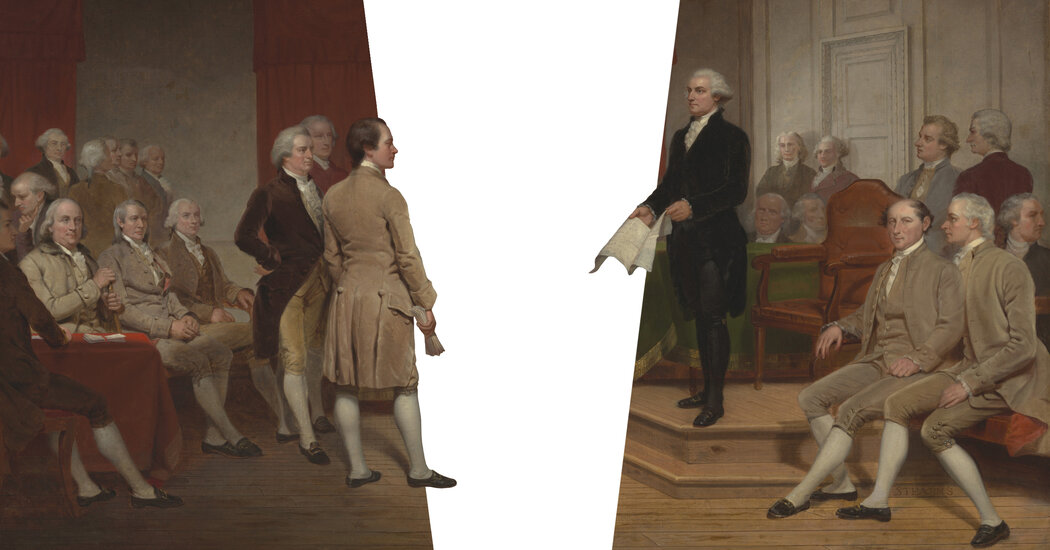
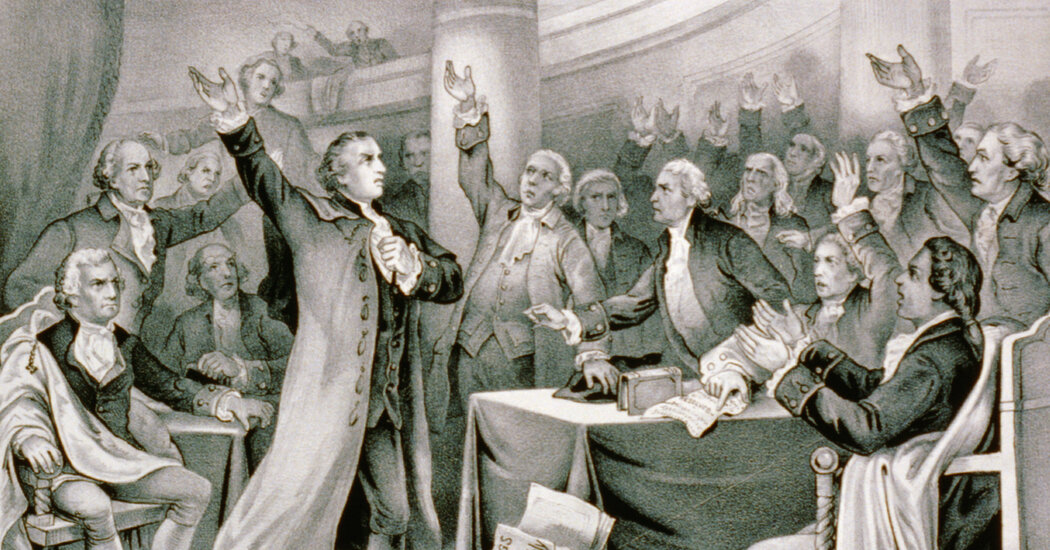
Jill Lepore's 'We the People' explores the history of the U.S. Constitution, emphasizing the ongoing struggles to expand its definition of 'the People' through amendments, and highlighting concerns about the Constitution's slow amendment process potentially leading to a crisis.
President Trump has announced plans to attempt to end mail-in voting through an executive order, claiming it is corrupt and favors Democrats, but legal experts state he lacks the authority to change state election laws. Mail-in voting, which gained prominence during the pandemic, is used in various forms across many countries, including the US, where it is not unique.
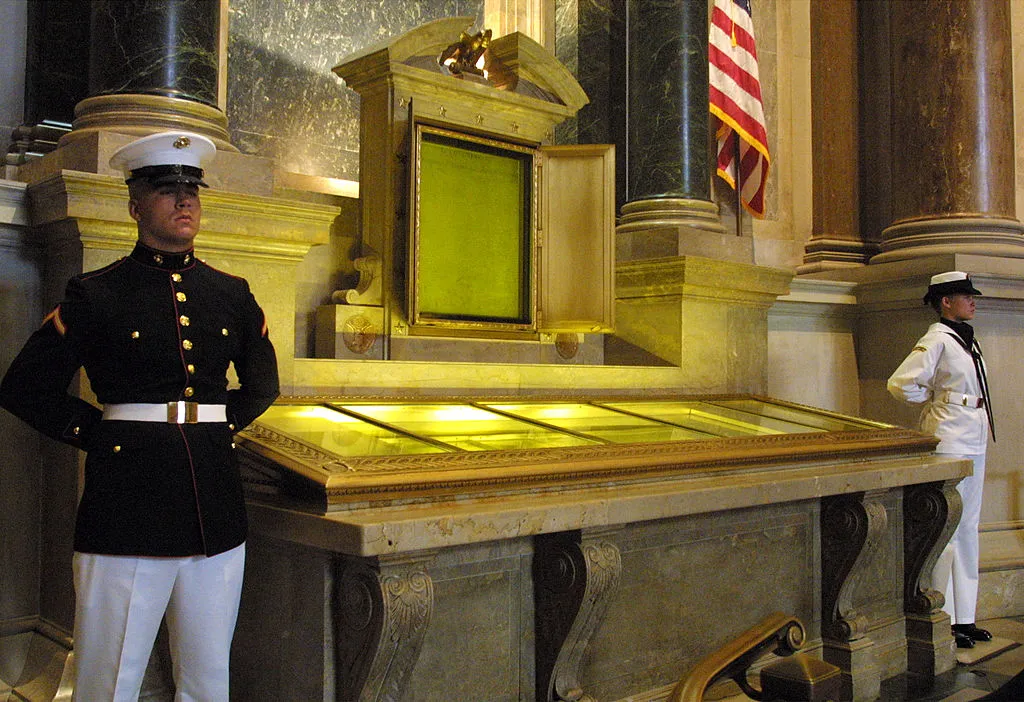
Two climate activists, Donald Zepeda and Jackson Green, were sentenced to prison for defacing a display case containing the U.S. Constitution at the National Archives in Washington, D.C. Zepeda received a two-year sentence, while Green received 18 months, both followed by two years of supervised release. They are also required to pay over $58,000 in damages. The incident, which did not harm the Constitution itself, led to increased security at the museum. The judge criticized their actions as ineffective and unrelated to climate issues.
Donald Trump is reportedly considering using a constitutional loophole to appoint unqualified loyalists like Matt Gaetz to cabinet positions without Senate confirmation. This strategy involves exploiting the Recess Appointments Clause, which allows temporary appointments during Senate recesses. Trump's plan may face resistance from some GOP senators and could be challenged in court, as it potentially undermines the Senate's constitutional role in advising and consenting to presidential appointments.
Activists have been sentenced to prison for pouring powder over the case holding the U.S. Constitution, an act of protest that led to legal consequences.
Donald Trump cannot run for a third presidential term due to the 22nd Amendment, which limits presidents to two terms. Repealing this amendment would require overwhelming support from Congress and state legislatures, which is highly unlikely. Legal experts confirm there are no loopholes or realistic options for Trump to bypass this constitutional restriction.
Donald Trump, having been re-elected in 2024, cannot run for president again in 2028 due to the 22nd Amendment, which limits presidents to two terms. Trump, who previously served from 2016 to 2020, will complete his second term in 2028, making him the first president in over a century to serve nonconsecutive terms. By the end of his presidency, Trump will be 82 years old.
The article explores the potential implications and challenges to the American constitutional system if a convicted felon, specifically Donald Trump, were to be elected president. It raises concerns about the effectiveness of checks and balances, the judiciary's role, and the broader impact on American democracy, given Trump's history of pushing constitutional boundaries and facing multiple legal issues.
Despite his New York felony conviction on 34 counts of falsifying business records, former President Trump can still run for and serve as president if elected, as the U.S. Constitution does not prohibit a convicted felon from holding the office. Legal scholars agree that the qualifications for presidency are exclusive and do not include criminal convictions. The 14th Amendment's insurrection clause and the 25th Amendment could pose challenges, but current legal interpretations and political dynamics suggest these are unlikely to prevent Trump from serving if elected.
Two climate change activists, Donald Zepeda and Jackson Green, were charged with destruction of government property after pouring red powder over the display case containing the U.S. Constitution at the National Archives Museum in Washington. The activists intended to draw attention to climate change with the stunt, which also involved pouring red powder over themselves. The Constitution was not damaged, but the cleanup cost more than $50,000, and the rotunda was temporarily closed.
Former UN ambassador Nikki Haley expressed uncertainty about whether former President Donald Trump would follow the US constitution if re-elected, stating "I don't know" when asked. She criticized Trump's rhetoric and emphasized the importance of a president being accountable under the law. The US Supreme Court's decision to hear oral arguments over Trump's claim of absolute immunity for acts committed in office was also highlighted. Despite her criticisms, Haley has not ruled out endorsing Trump and stated the need for a president that children can look up to.