The US Commerce Department is set to significantly reduce tariffs on Italian pasta from 107% to between 24% and 29% after an investigation found that Italian producers addressed concerns about unfair pricing, ending a threat of higher tariffs due to an antidumping complaint.
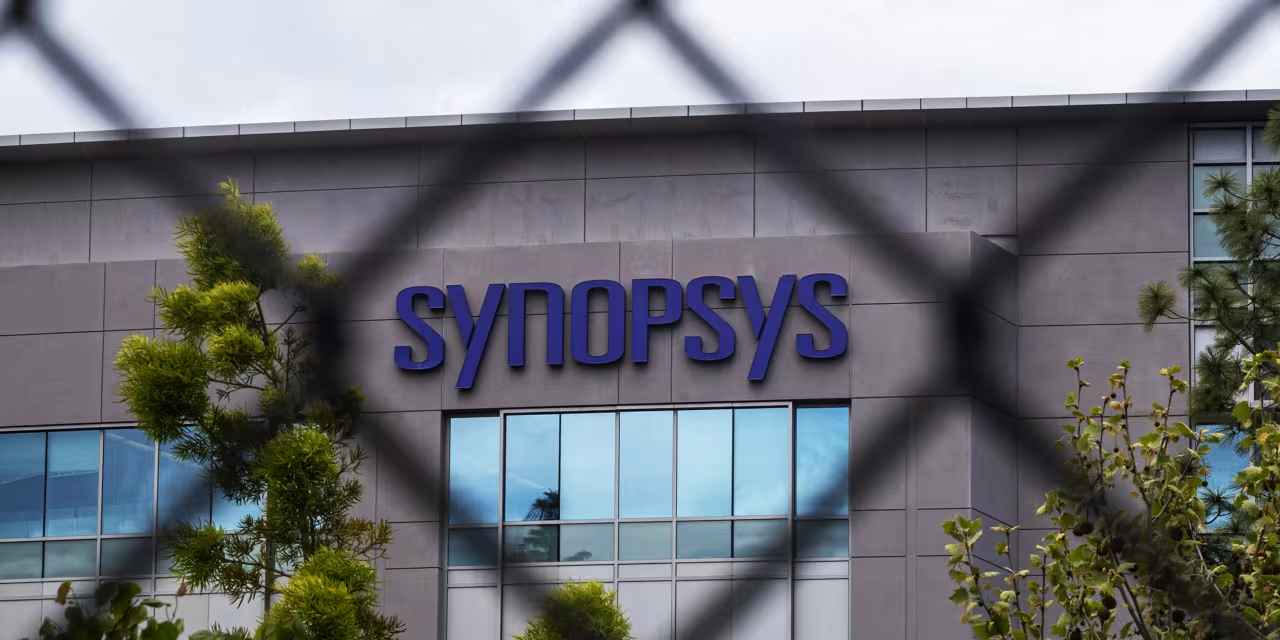
Synopsys and Cadence announced they received US export restrictions related to China, leading to stock declines and assessments of business impact, amid ongoing US efforts to limit China's access to advanced technology in the AI and semiconductor sectors.
The US Commerce Department has awarded Micron Technology up to $6.165 billion in funding from the CHIPS Act to support semiconductor manufacturing projects in the US, including facilities in Idaho and Syracuse, New York, expected to create around 20,000 jobs. Additionally, a non-binding agreement proposes $275 million for expanding Micron's Virginia facility. This funding is part of Micron's commitment to invest $50 billion by the end of the decade.
Micron Technology is reportedly set to receive over $6 billion in grants from the US Commerce Department to support domestic chip factory projects, with an official announcement expected soon. This funding, part of President Joe Biden's CHIPS and Science Act, aims to secure 50,000 jobs, a $100 billion investment, and enhance domestic semiconductor production. The initiative comes amidst efforts to reduce reliance on foreign manufacturing and bolster the US's share in global semiconductor production.
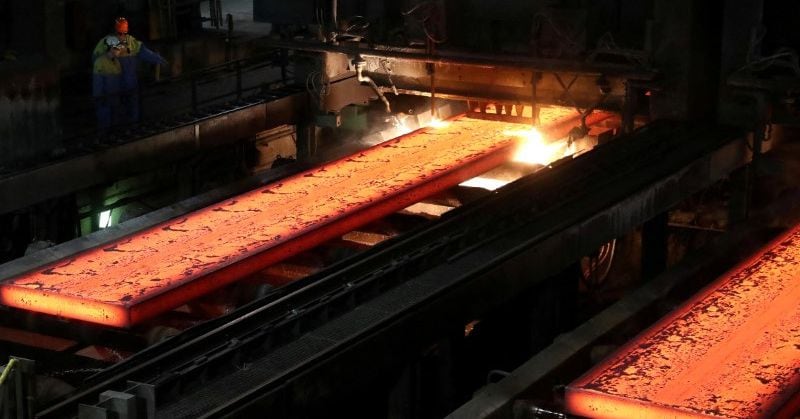
The U.S. Commerce Department has announced that it will impose preliminary anti-dumping duties on tin-plated steel imports from Canada, China, and Germany, in an effort to protect domestic steelmakers. The proposed duties are 122.5% on imports from China, 7.02% on imports from Germany, and 5.29% on imports from Canada. No duties will be imposed on steel imports from Britain, the Netherlands, South Korea, Taiwan, and Turkey. The move has raised concerns about higher prices for cans and the products they contain, as well as potential impacts on food prices and inflation.
Over 460 companies have expressed interest in winning government semiconductor subsidy funding in the US, as part of the "Chips for America" legislation signed by President Joe Biden. The legislation provides $52.7 billion in subsidies for U.S. semiconductor production, research, and workforce development. The Commerce Department has not yet issued awards but expects to announce major progress in the coming months. The law also includes a 25% investment tax credit for building chip plants and dedicates $11 billion for advanced semiconductor manufacturing research and development. The US aims to boost its competitiveness with China's science and technology efforts.
The US Commerce Department has added two European-based surveillance firms, Cytrox and Intellexa, to its economic trade blacklist due to their involvement in trafficking cyber exploits used for unauthorized access to information systems. These firms, similar to Israel's NSO Group, provide clients with the ability to hack into smartphones and other devices, compromising individuals' privacy and security. The move is part of President Joe Biden's administration's efforts to counter the misuse of commercial spyware.
Gold prices rose to daily highs after US retail sales fell by 0.4% in February, indicating a slowdown in consumer activity. The drop in sales is expected to continue due to the banking contagion fear and the return of seasonal weather. Gold prices were also reacting to fears that the banking crisis was yet to be contained, with European banking stocks tumbling after Credit Suisse shares dropped more than 20%. April Comex gold futures last traded at $1,928, up 0.89% on the day.