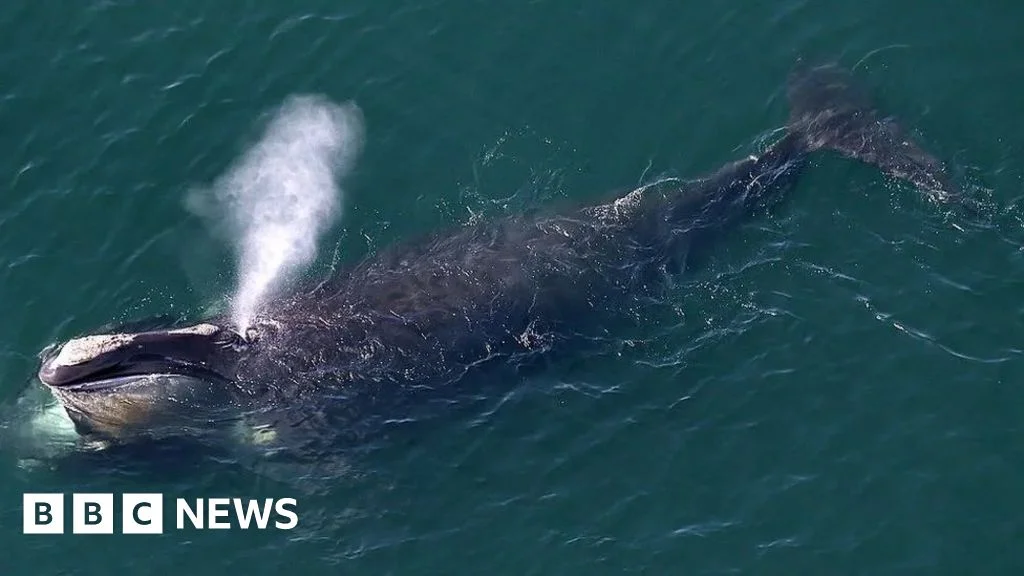
A rare North Atlantic right whale, first spotted off Donegal in Ireland, was later confirmed to have been sighted in Massachusetts Bay, US, highlighting its remarkable travel ability and the importance of international cooperation for its conservation.
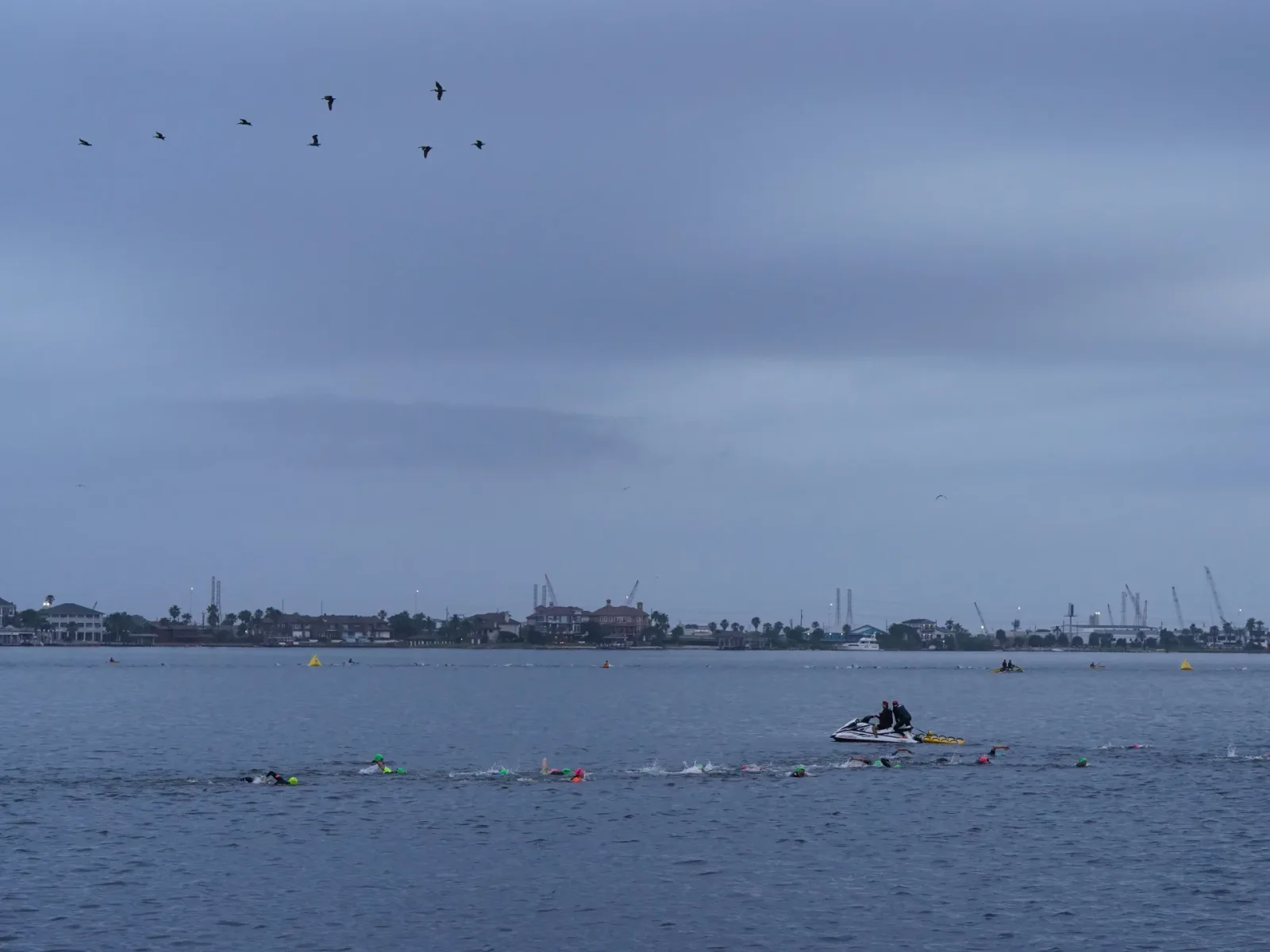
A Mexican Navy plane crashed off the coast of Texas near Galveston while on a medical transfer mission, resulting in at least five fatalities, with two survivors and one person missing; the cause is under investigation amid foggy weather conditions.
Holiday travel in the US faces disruptions due to storms, strong winds, and fire risks, with significant weather events across the Northeast, West, and Great Lakes, including airport delays, wildfires, and heavy rain, while the rest of the country experiences milder conditions.
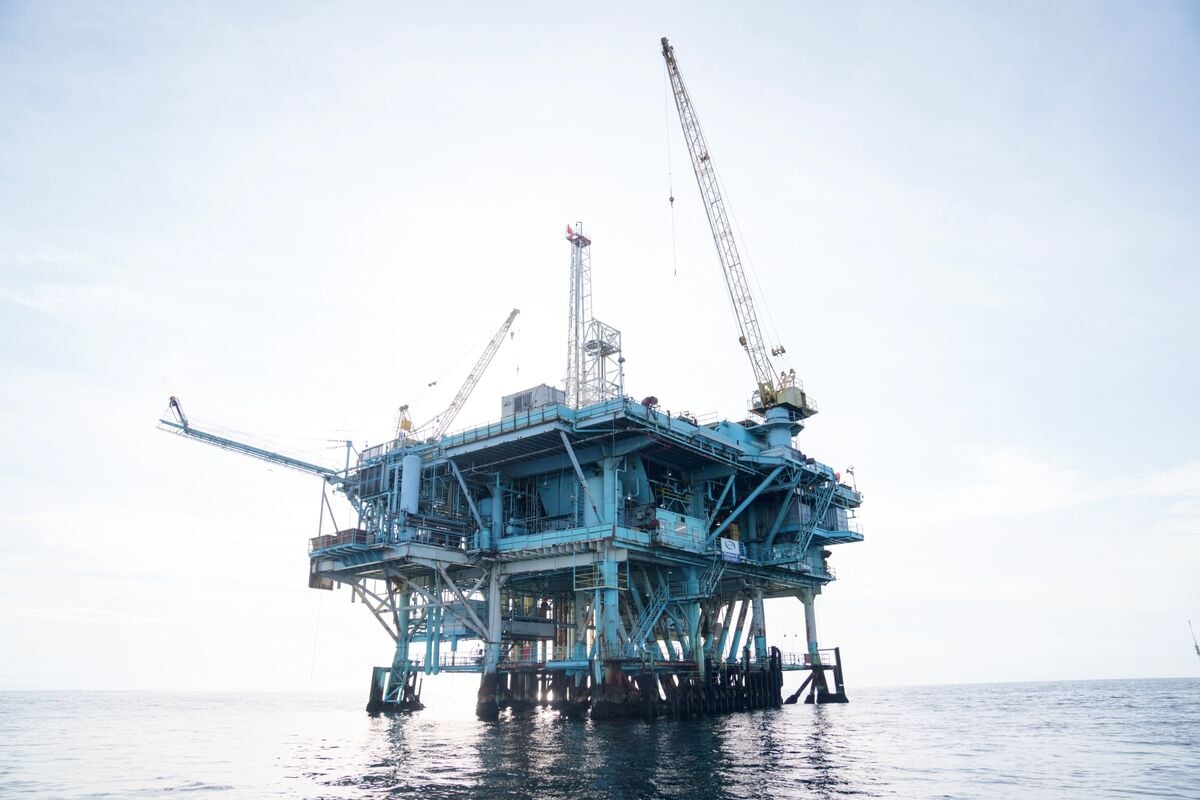
The Trump administration is preparing a proposal to open nearly all US coastal waters to offshore oil drilling, including areas near sensitive ecosystems and states that oppose such development, despite environmental concerns and political opposition, as part of a broader effort to expand energy production.
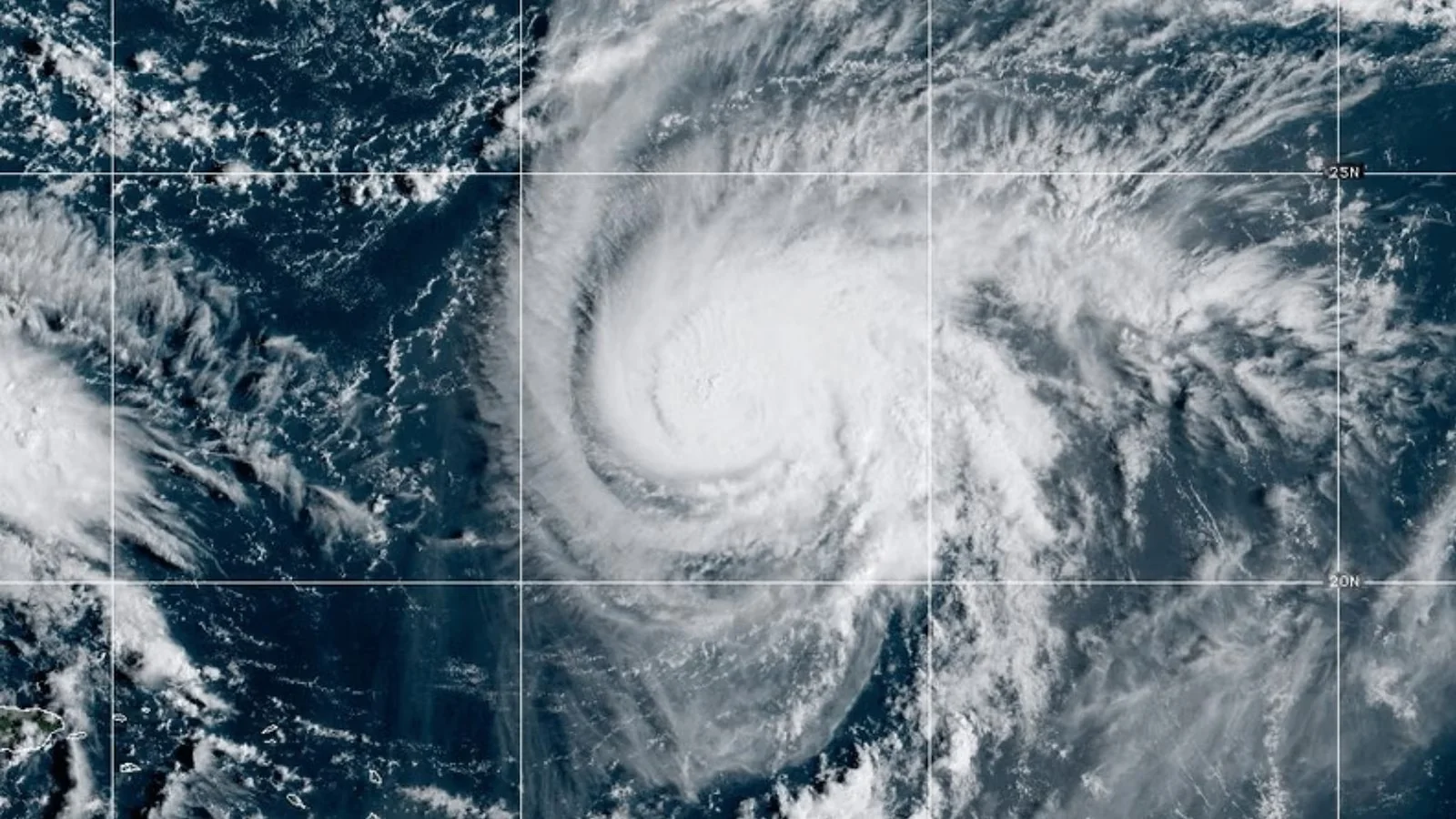
A developing tropical storm, named Imelda, is expected to approach the southeastern US coast next week, potentially bringing heavy rain, strong winds, and coastal flooding, but a landfall appears unlikely. Meanwhile, Hurricane Humberto has intensified but is forecasted to stay offshore, possibly aiding in steering Imelda away from land.
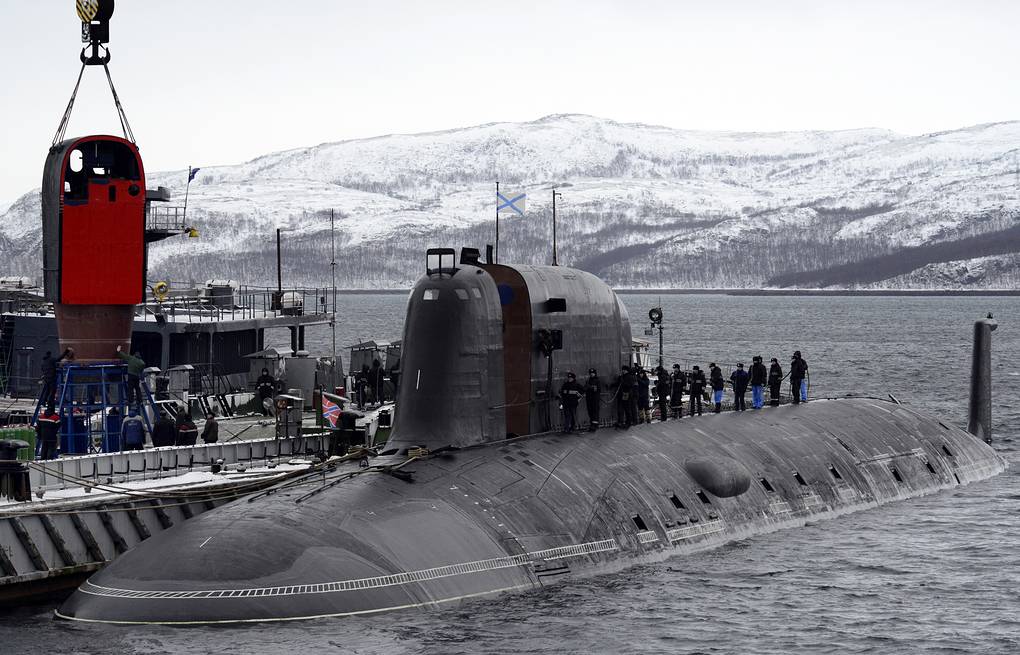
Russia could have its most powerful and quiet nuclear attack submarines on persistent patrols off either U.S. Coast in the next two years, according to the head of U.S. Northern Command. The Yasen-class attack boats are among the most capable submarines in the world and are capable of a special quiet operations mode that make them difficult to detect in the open ocean. The growing ability of Russian submarines to operate undetected in the Atlantic pushed the Navy to reactivate U.S. 2nd Fleet and create a command for anti-submarine warfare across the Atlantic in 2018.