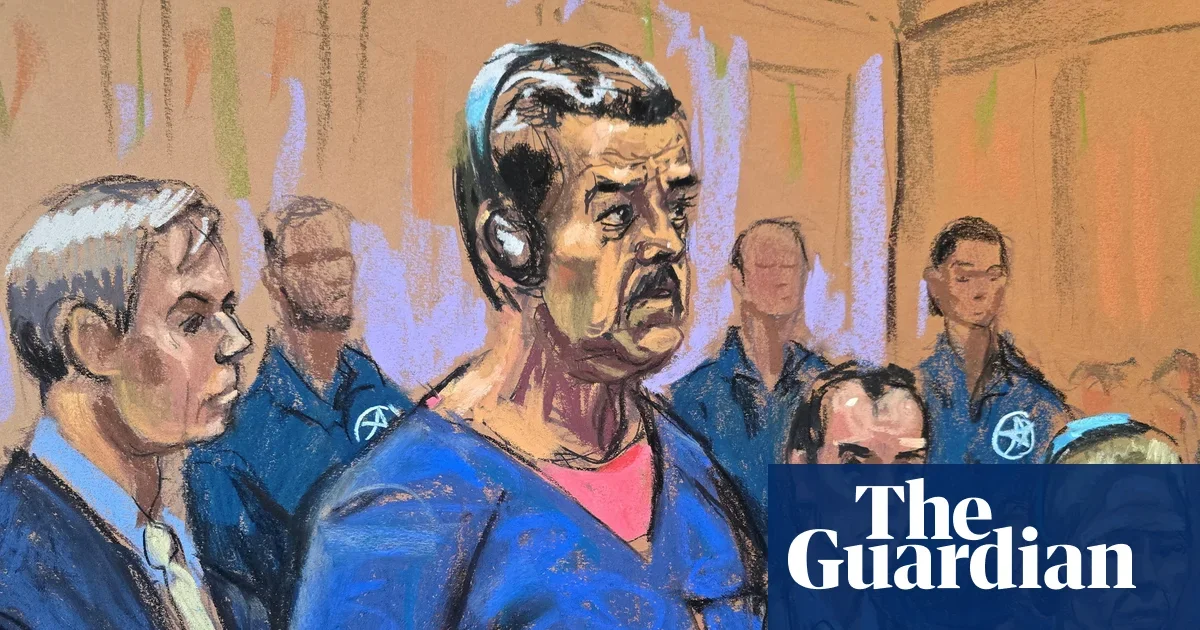
Nicolás Maduro, the former Venezuelan president, was captured in a US operation and pleaded not guilty to drug and weapons charges, amid international condemnation and concerns over US intervention in Venezuela.
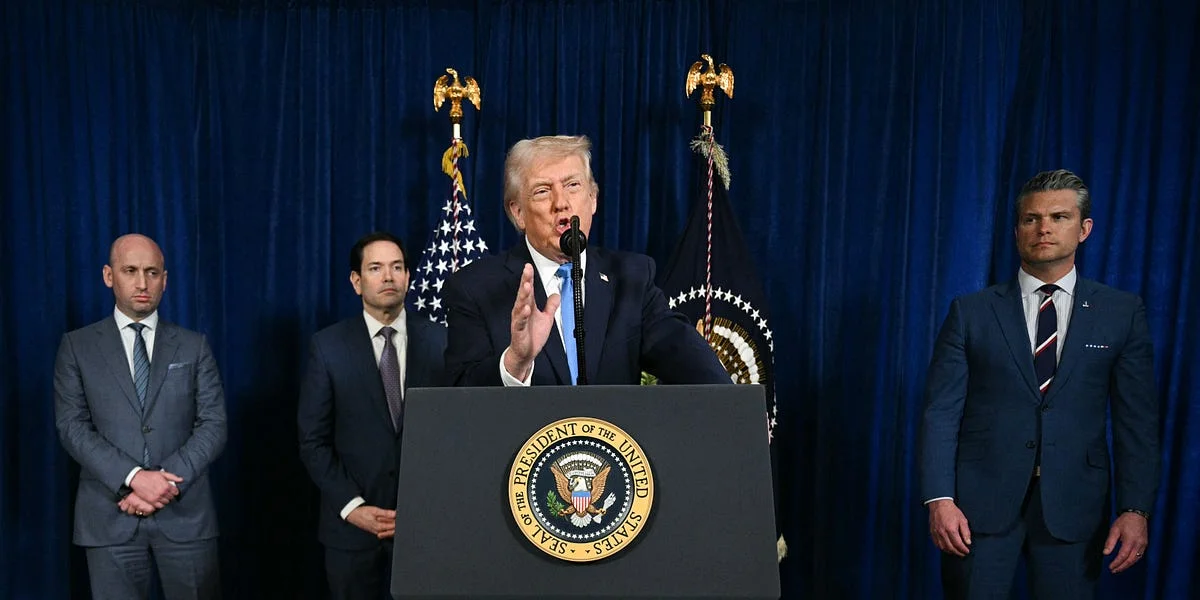
The article highlights the contradiction between President Trump's New Year's resolution for peace and his subsequent authorization of an armed attack on Venezuela, marking a continuation of his aggressive military actions in 2026, with a broader commentary on ongoing global conflicts and political rhetoric.
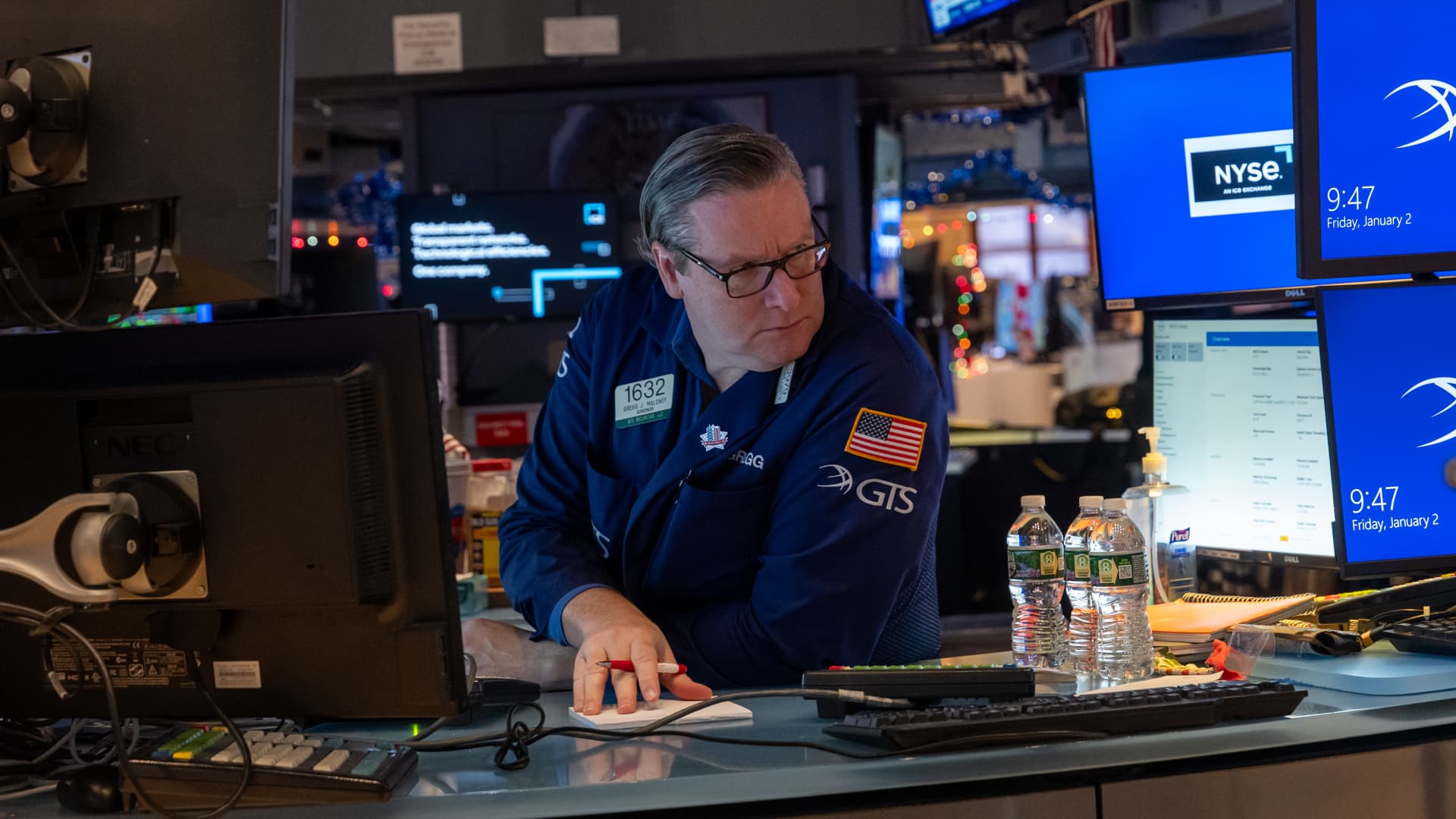
The US launched an attack on Venezuela, capturing President Maduro and his wife, leading to steady stock futures and a slight drop in crude oil prices, while raising questions about Venezuela's future and US policy in the region.
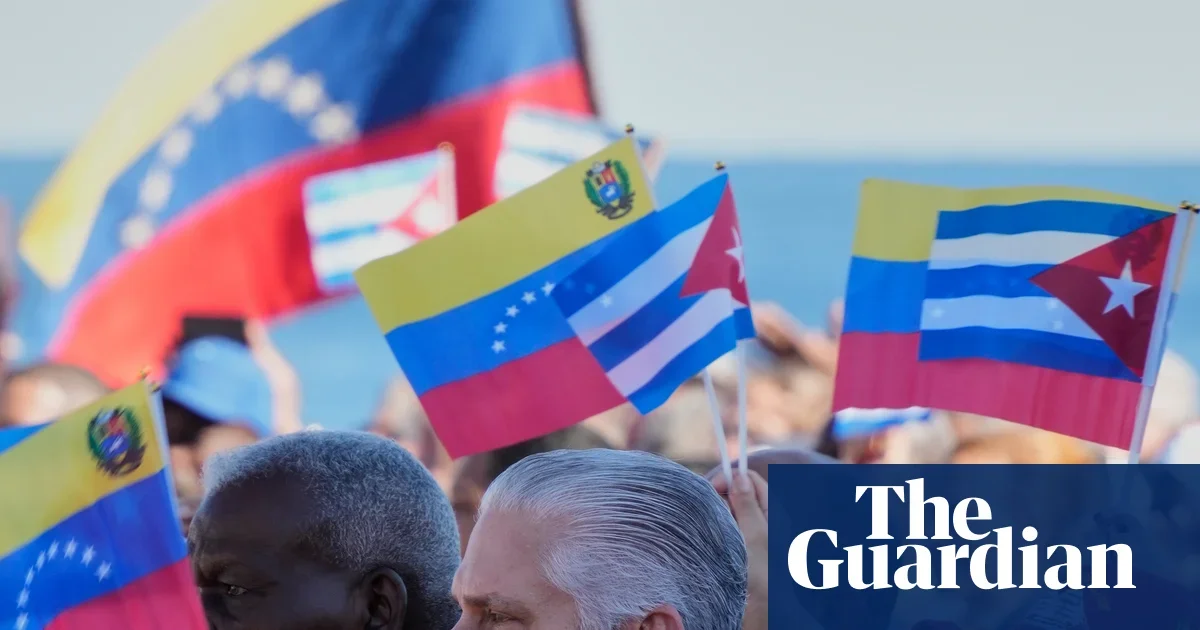
The US's capture of Venezuelan President Nicolás Maduro has caused concern in Cuba, which relies heavily on Venezuelan oil and has historically been an ally. The incident has heightened fears of instability and potential US actions, with Cuba condemning the attack and reaffirming its loyalty to Venezuela, while also reflecting on past US interventions in the region.
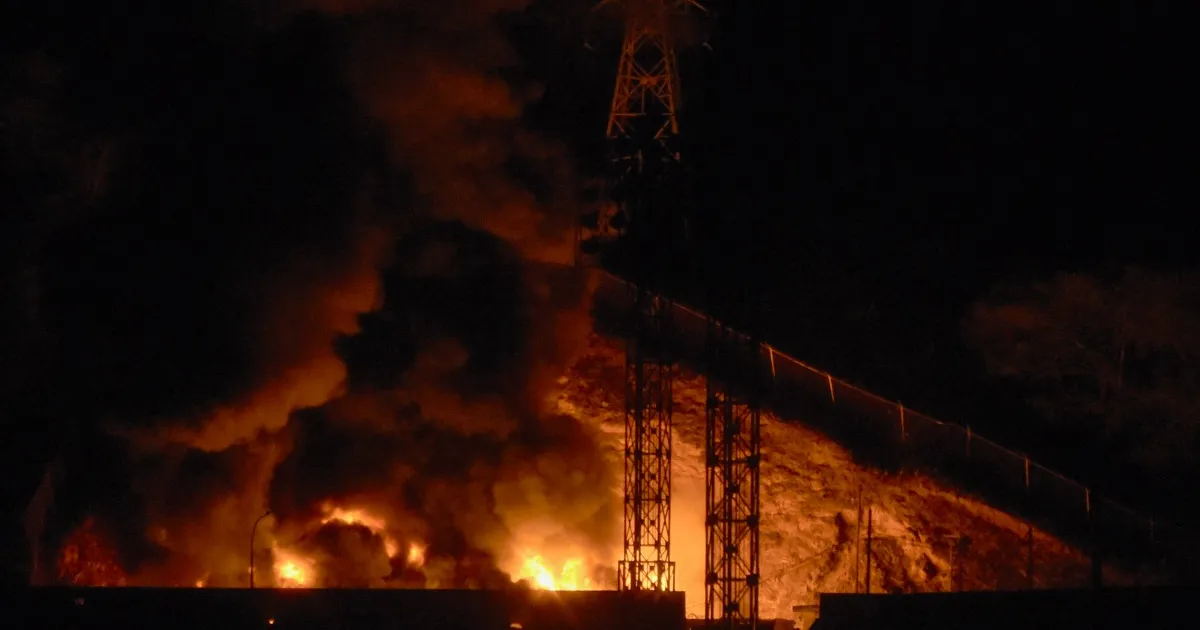
Venezuela has accused the US of launching attacks on civilian and military sites across several states, including Caracas, amid rising tensions and accusations of US efforts to seize Venezuela's resources. The US has not officially commented, but reports indicate explosions and smoke near key military bases, with Venezuela declaring a national emergency and suspecting internal sabotage or external aggression.
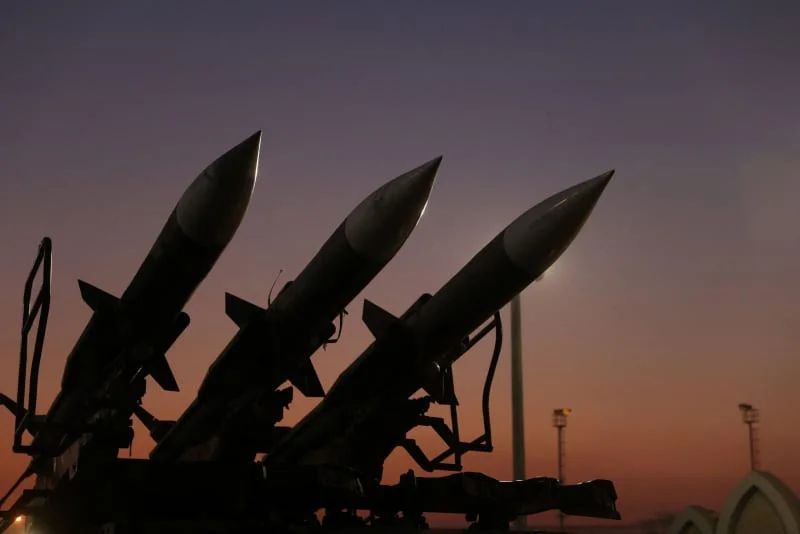
The article discusses Venezuela's limited military capabilities and potential responses to a US attack, including guerrilla resistance and creating chaos, amid rising US pressure and threats of military action.
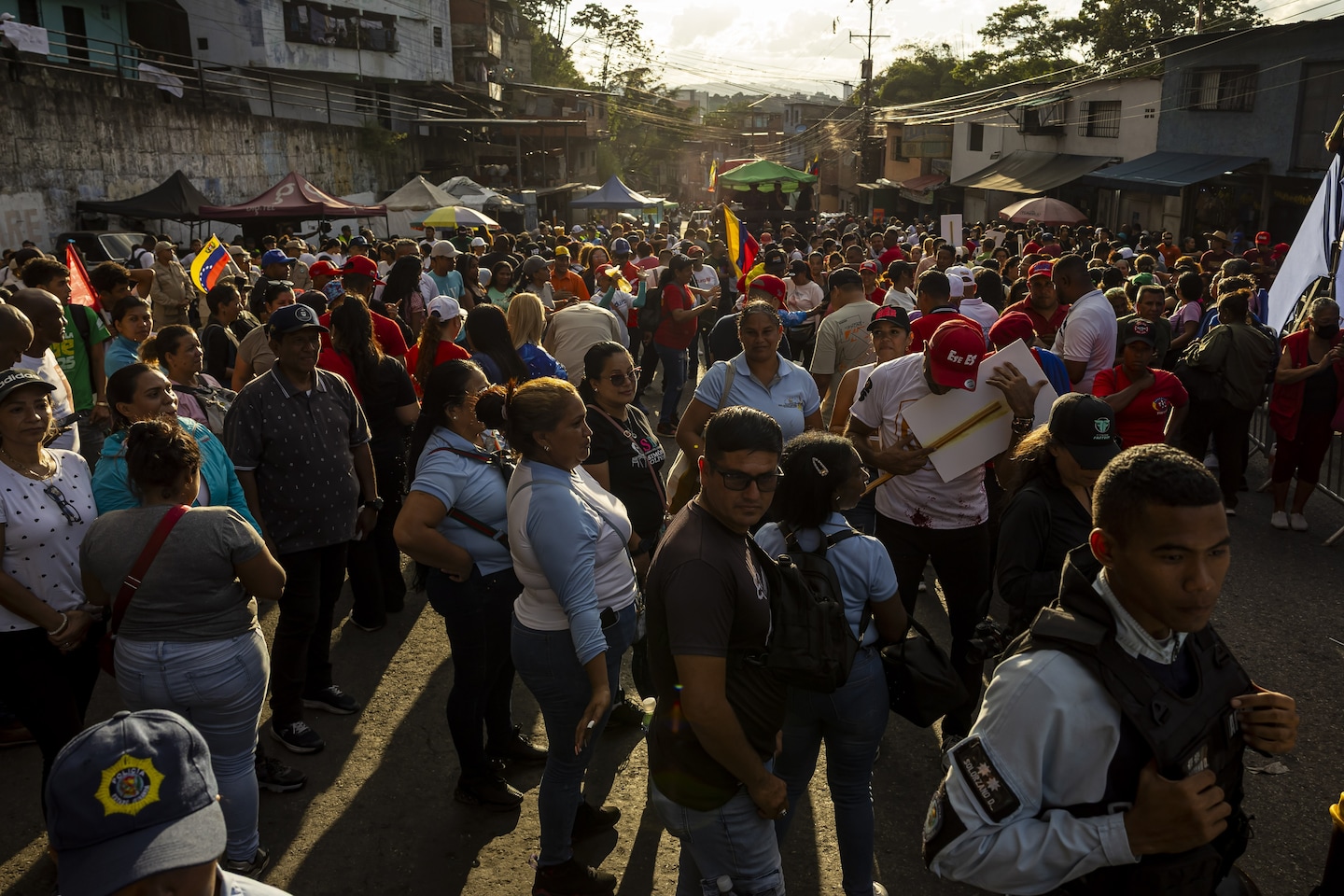
Venezuelan President Maduro is preparing for a potential U.S. attack, while ordinary citizens are more worried about basic needs like food, highlighting the country's economic struggles amidst geopolitical tensions.
Venezuela condemned a US strike on a suspected drug boat that killed 11 people, warning that 'everything's fair game' and accusing the US of escalating tensions and destabilizing actions in the region, amid military mobilizations and jet flyovers.
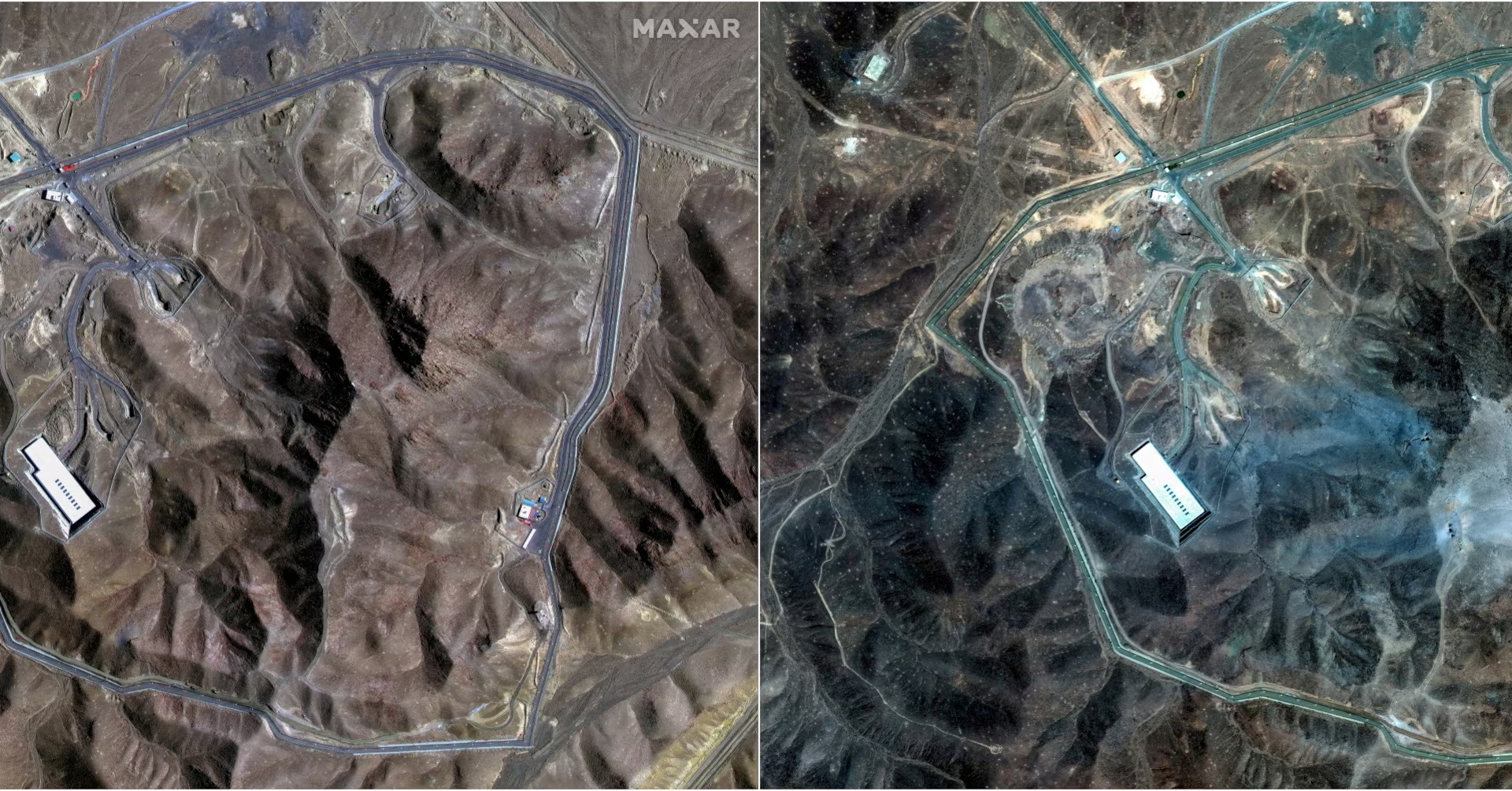
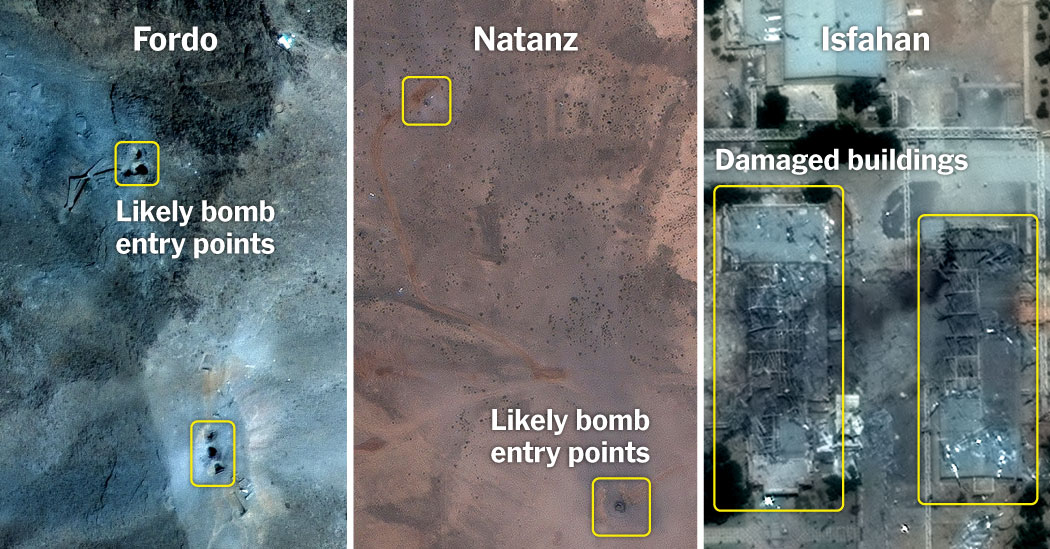
Satellite images suggest that the U.S. attack on Iran's Fordow nuclear plant caused severe damage, possibly destroying the underground facility, but confirmation is uncertain. Experts believe Iran may have moved nuclear material beforehand, and there are concerns about underground facilities and potential nuclear program continuation. The attack involved bunker-busting bombs and targeted other nuclear sites, raising international security concerns.
The article discusses the conflicting claims about the extent of damage to Iran's nuclear facilities following a US attack, emphasizing that the key question now is whether Iran still possesses a nuclear program, rather than whether the US should have attacked, as the latter is a complex judgment with uncertain outcomes.
The US conducted overnight strikes on three Iranian nuclear sites—Fordo, Natanz, and Isfahan—causing severe damage, particularly to Fordo and Natanz, with potential delays to Iran's nuclear program, though the full extent of Iran's remaining capabilities is unclear.
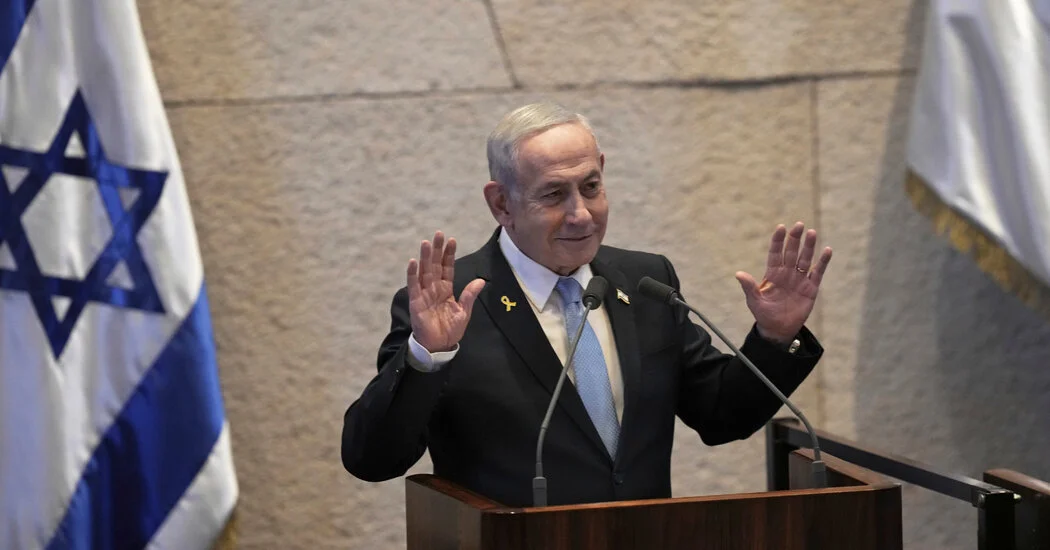
The U.S. attack on Iran has bolstered Benjamin Netanyahu's political standing in Israel, positioning him closer to achieving his long-standing goal of countering Iran's nuclear program, while also potentially opening diplomatic opportunities with Saudi Arabia and influencing the ongoing conflict in Gaza.
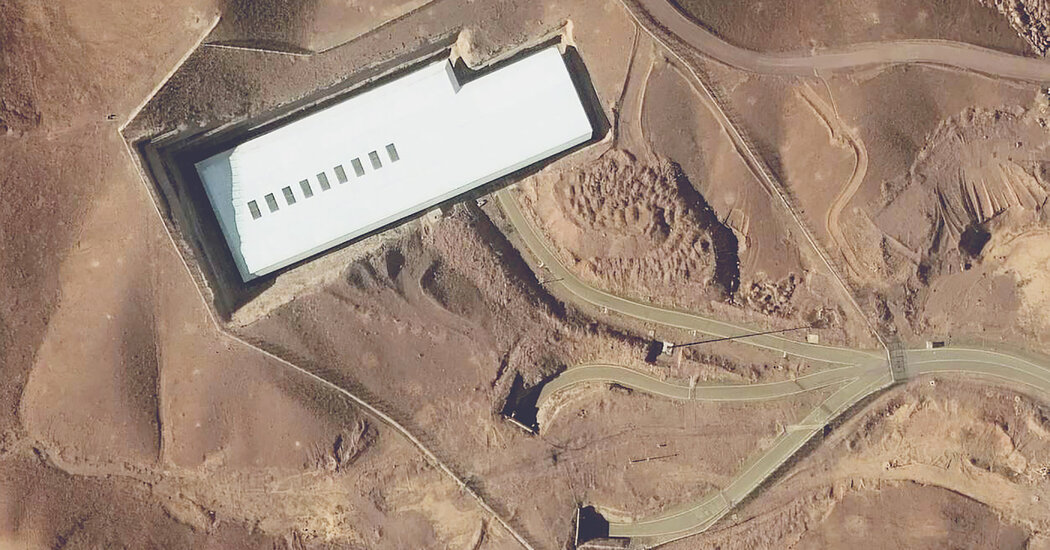
Iran's heavily fortified Fordo nuclear site, built inside a mountain to withstand attacks, was targeted by U.S. bunker buster bombs, with Iran and international agencies assessing the damage and ongoing concerns about Iran's nuclear capabilities and compliance.