The Trump administration is considering importing more beef from Argentina to lower domestic beef prices, a move that has sparked criticism from U.S. farmers and Republicans who argue it could harm American ranchers and interests, amid broader trade tensions and economic challenges faced by U.S. agriculture.
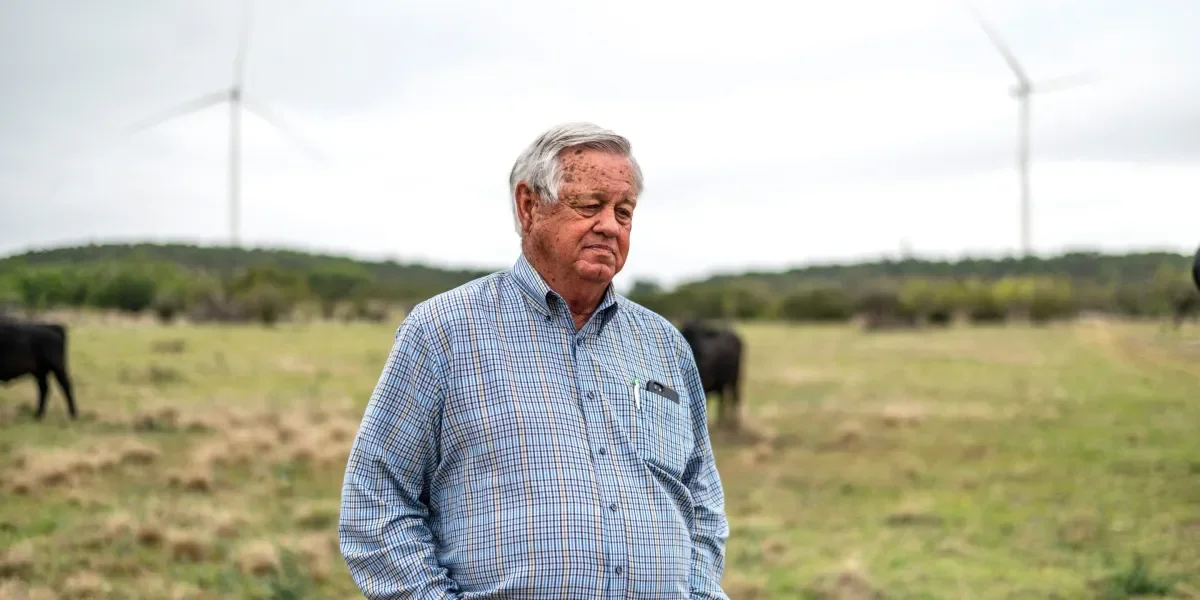
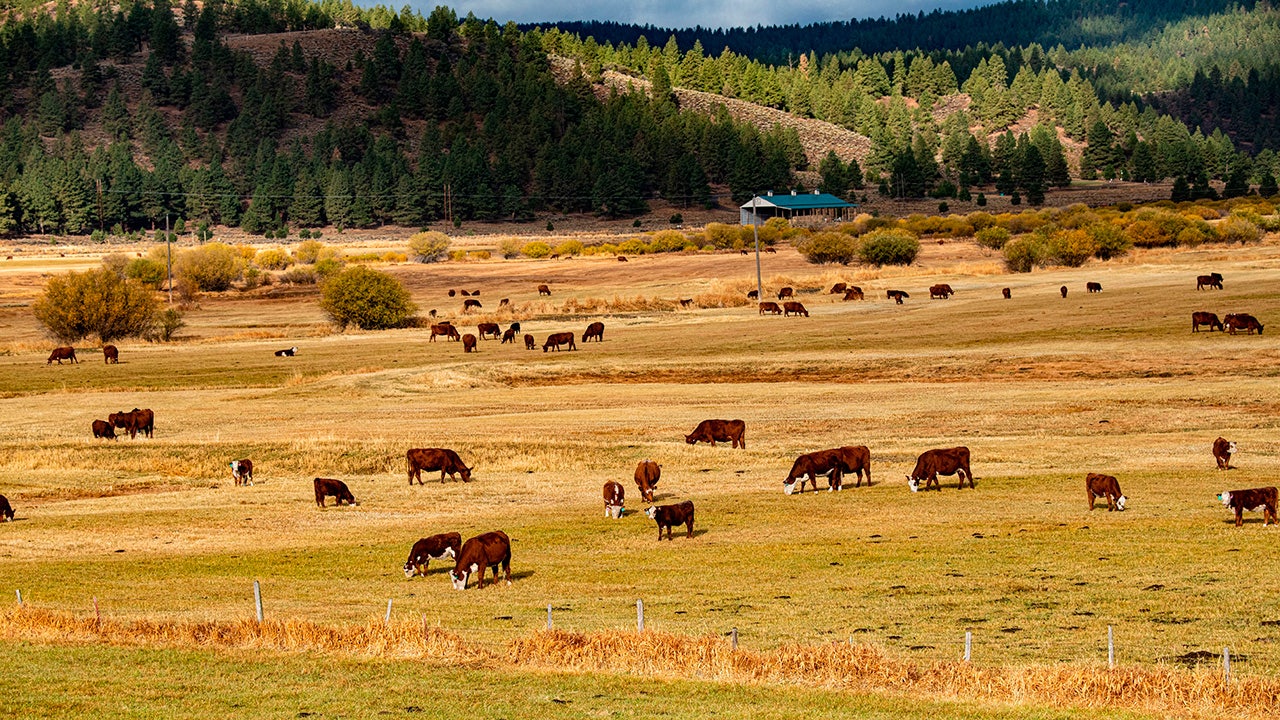
U.S. cattle industry officials criticize President Trump's proposal to buy Argentine beef to lower domestic grocery prices, arguing it would disrupt the market, pose biosecurity risks, and have minimal impact on U.S. beef supply, while highlighting ongoing trade tensions and industry challenges.
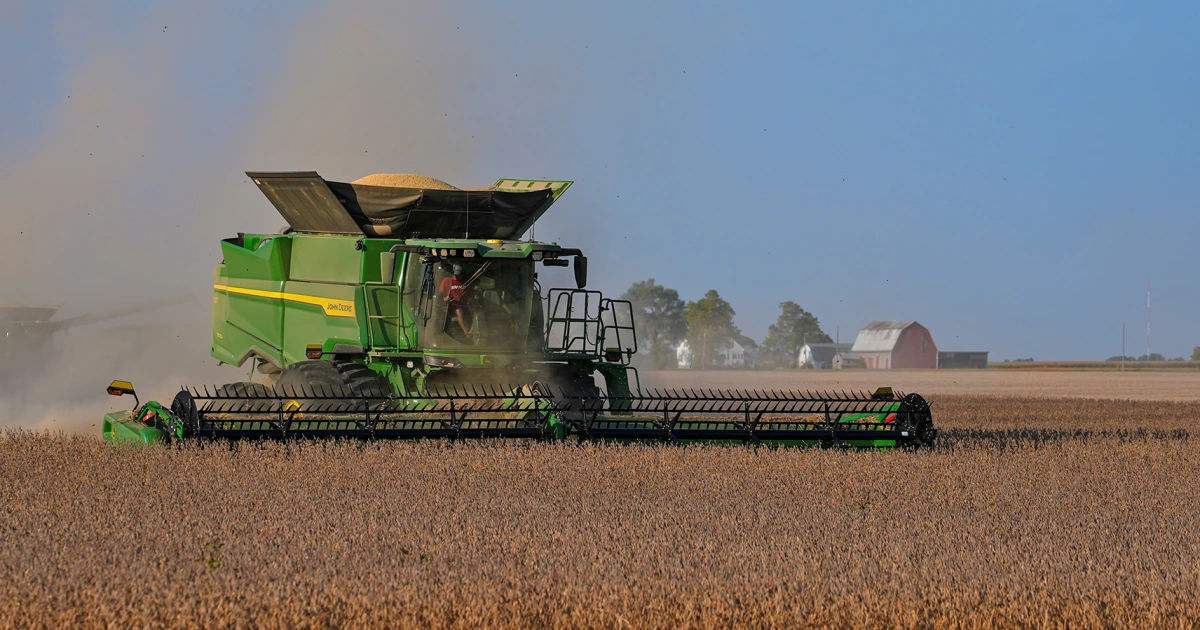
The U.S. soybean industry is facing a crisis due to China's trade restrictions amid the Trump administration's broader trade disputes, leading to potential economic support measures for farmers and complex geopolitical implications involving Argentina and China.
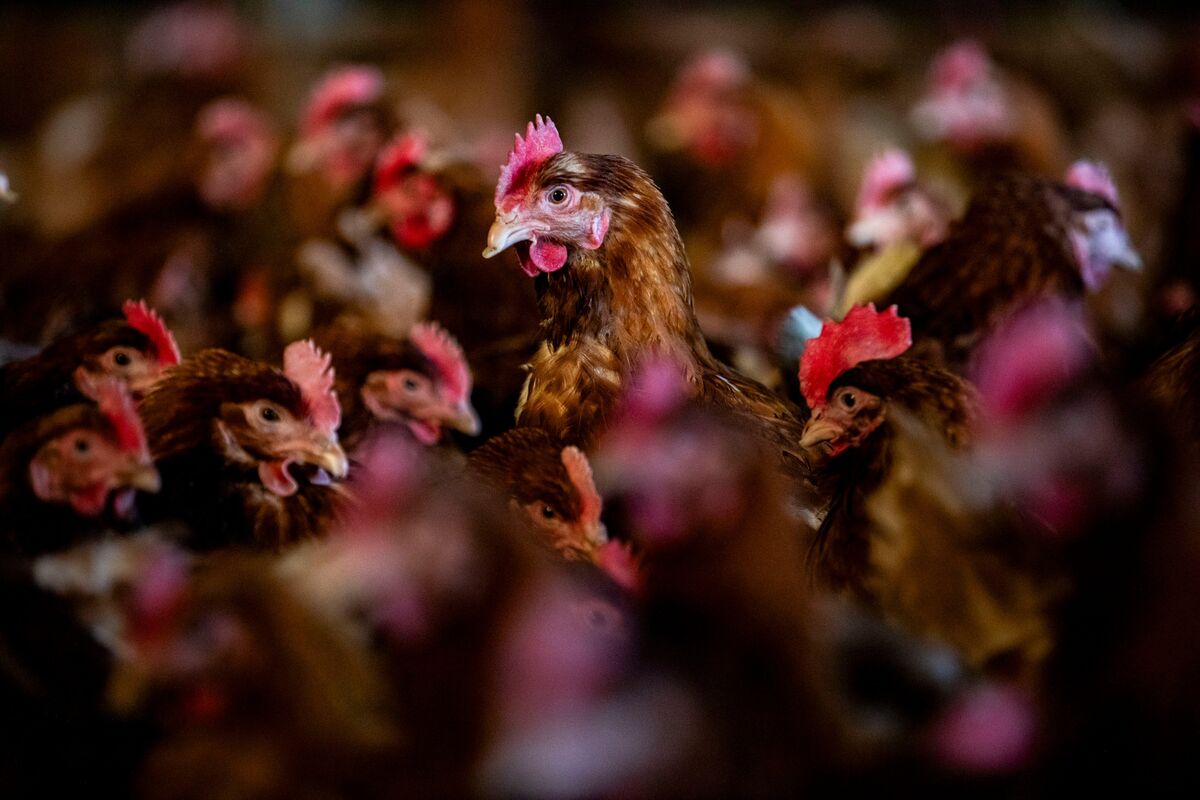
A major US egg farm, Hickman's Egg Ranch in Arizona, has lost 90% of its chickens due to a bird flu outbreak, highlighting ongoing risks of endemic avian influenza in the US and its impact on the poultry industry and egg prices.
American farmers are warning that global "sustainability" push, inflation, and rising costs are threatening US agriculture, leading to thinner herds, farm closures, and potential food crisis. They criticize globalist green policies and lack of support from the Biden administration, while also expressing concerns about the impact of sustainability regulations on Western agriculture. The decrease in US beef production and the potential shift towards insect consumption are highlighted as alarming signs for the industry's future.
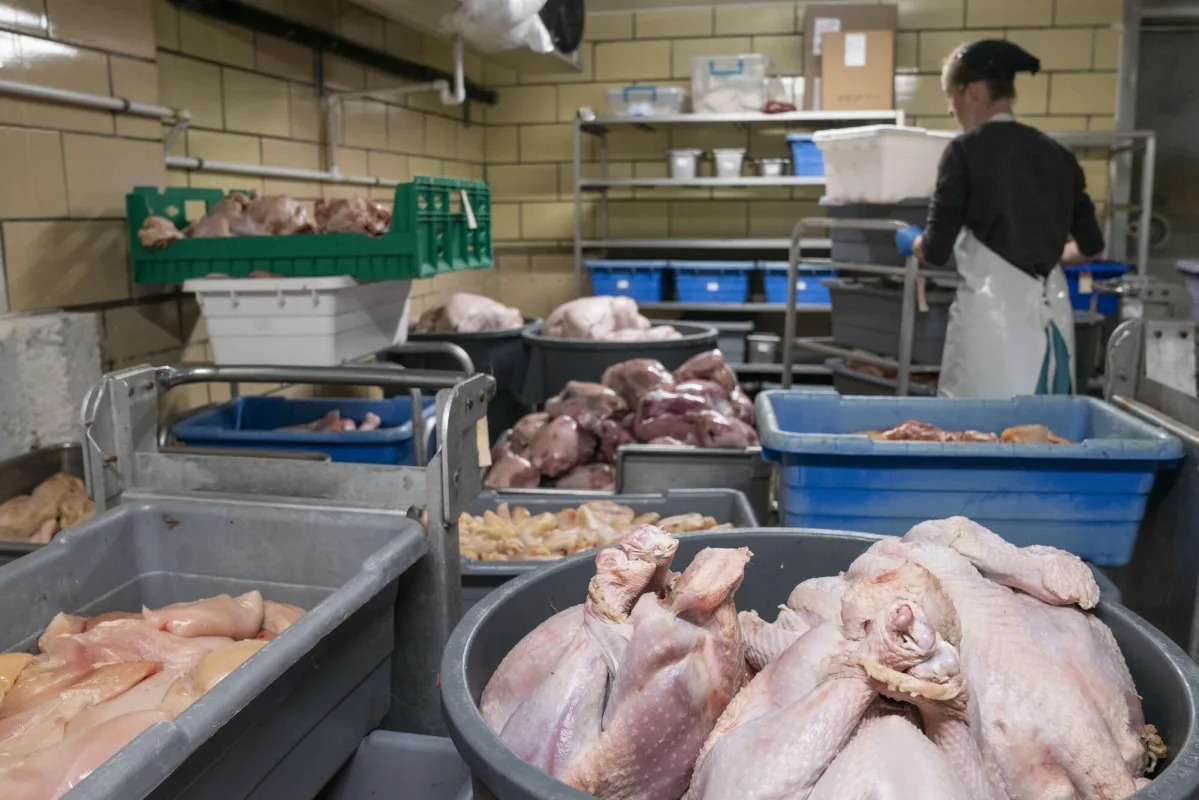
The emerging renewable fuel industry is expected to lower meat prices in the US by reducing the cost of animal feed, particularly soymeal, which is a byproduct of soybean processing. This will lead to increased meat production and ultimately result in lower prices at the grocery store, providing relief to inflation-fatigued households. However, it may take months or even years for these cost savings to reach consumers, and other factors such as corn availability, labor, logistical disruptions, and consumer demand also influence meat prices. Meatpackers are expected to benefit from lower input costs, and the surplus meat produced may be exported.