The article discusses the frustrations with the Framework 16 laptop, emphasizing that its value is often misunderstood; while it offers repairability and upgradeability, many users and critics overlook these features' limited practical impact compared to other factors like build quality, performance, and price. The debate highlights broader issues about consumer priorities, sustainability, and the trade-offs in modern laptop design.
Originally Published 6 months ago — by Hacker News
The review discusses the Framework Laptop 12 as a niche product valued for its repairability and customizability rather than cost-effectiveness, emphasizing its appeal to users who prioritize sustainability and long-term upgrades over immediate monetary value.
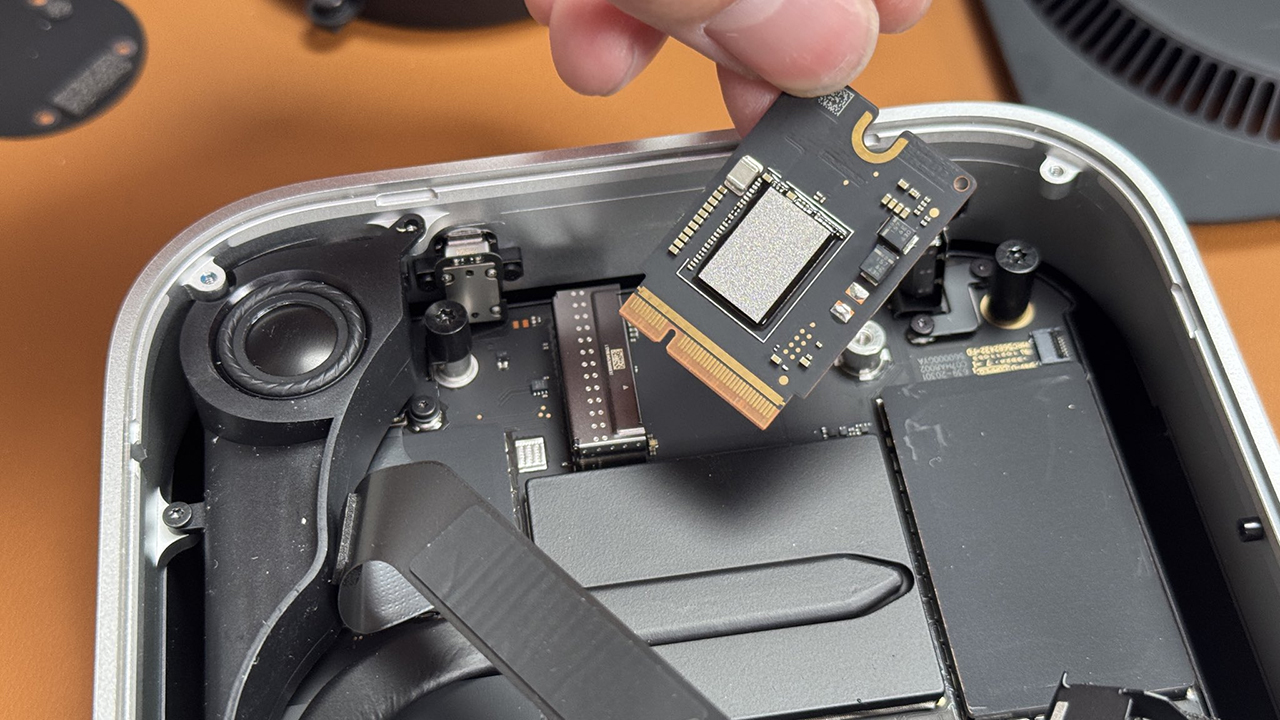
The 2024 Apple Mac mini features a removable SSD, but upgrading it is challenging due to its proprietary design. While the SSD isn't soldered, making it theoretically user-upgradable, the module is specific to Apple, similar to those used in Mac Studio and Mac Pro. This means users can't simply use third-party SSDs for upgrades. Although repair shops in China have managed to upgrade the storage by replacing NAND chips, this process requires advanced skills and equipment, making it impractical for average users.
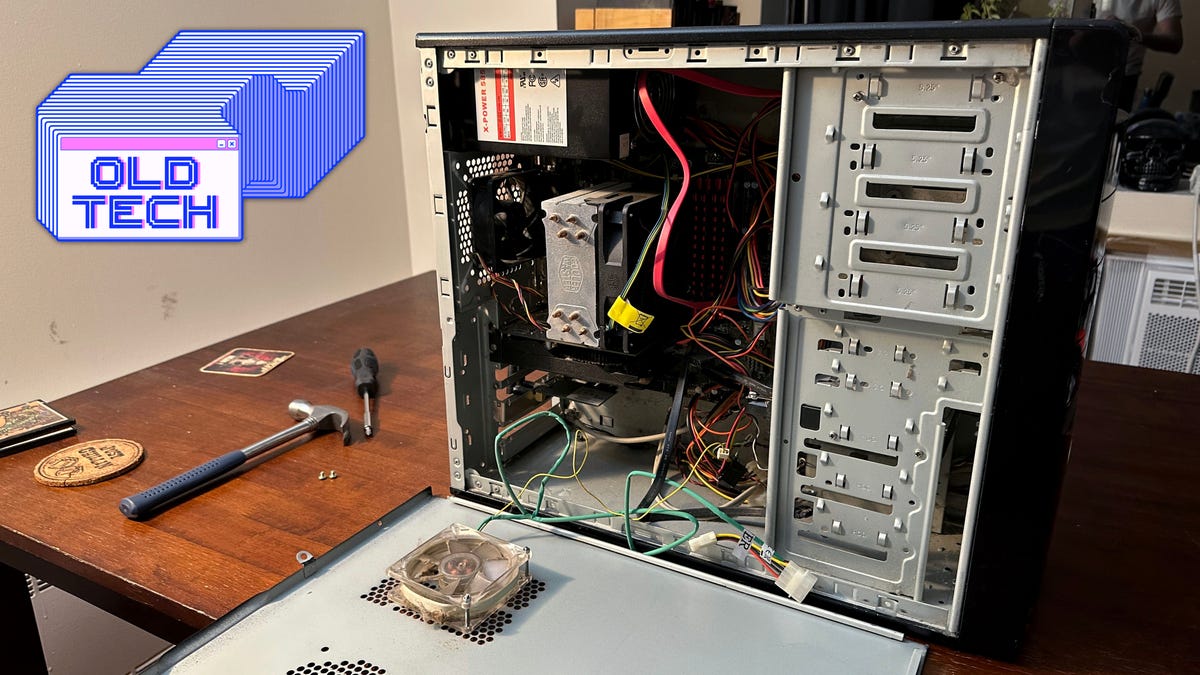
A tech enthusiast reminisces about building his first PC as a teenager, reflecting on the nostalgia and challenges of assembling a budget-friendly mid-range desktop. Comparing the affordability of past components to today's pricey GPUs, he questions the feasibility of building a sub-$500 PC in the current market, noting the diminishing upgrade paths and the increasing difficulty of achieving budget gaming setups.
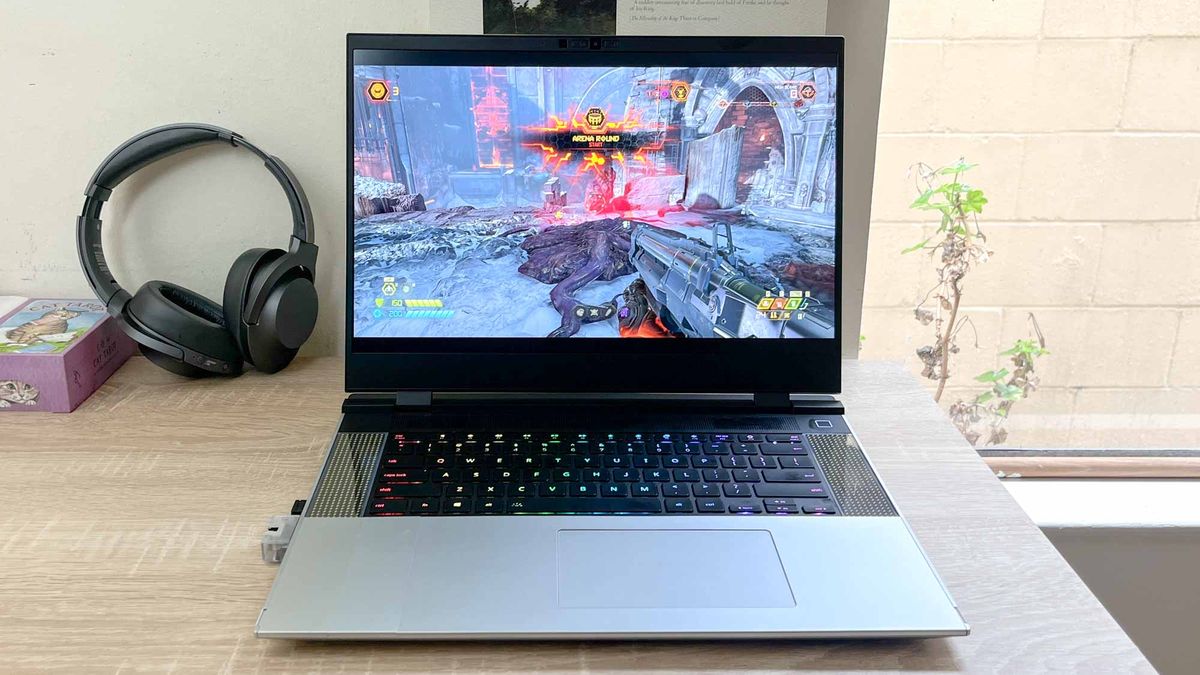
The Framework Laptop 16 is a highly customizable and repairable 16-inch laptop, offering a 6-slot Expansion Card system for customizability, attachable GPU module for gaming, and customizable keyboard deck. While it may not feel as sturdy as some gaming laptops, it provides unparalleled freedom to customize and repair. However, the DIY version requires additional components and parts, and its performance, while solid, may not match that of other gaming laptops.
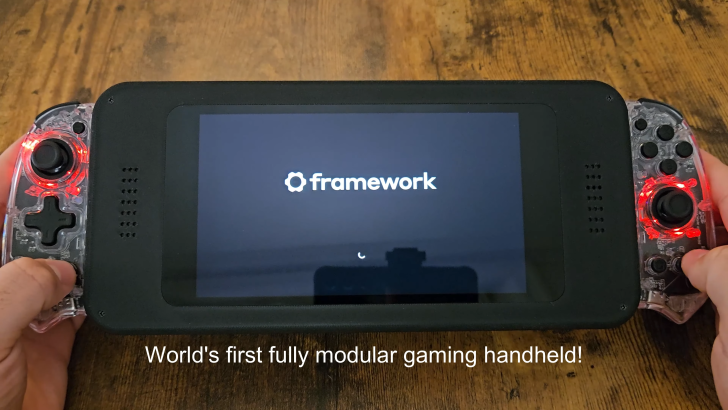
YouTuber Pitstoptech has created a modular gaming handheld console using Framework's Intel Core i7-1260P mainboard. The handheld features detachable joysticks, a 7-inch 1080p touchscreen display, 16GB RAM, and a 512GB SSD. Pitstoptech plans to sell it as a DIY kit, allowing users to reuse their Framework motherboards. While the concept is impressive, the device is still in the early stages and its durability and feasibility remain to be seen.
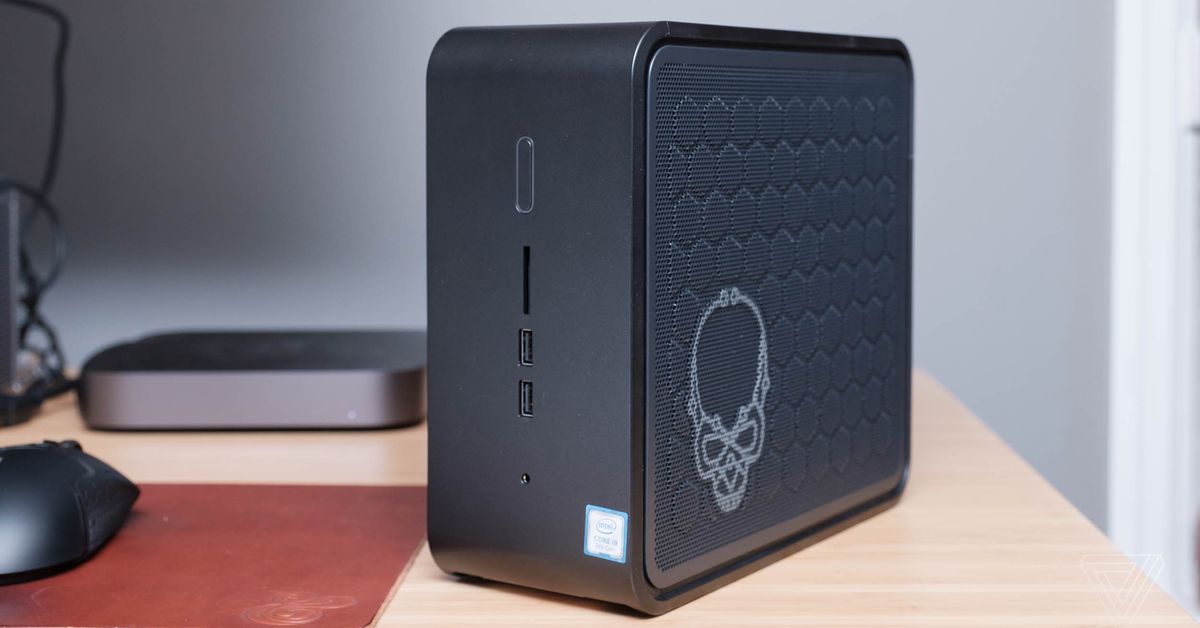
Intel has decided to discontinue its Next Unit of Compute (NUC) business, which includes its compact and upgradable mini-PCs. The company will no longer directly invest in NUCs but will instead focus on enabling its ecosystem partners to continue innovation and growth in this area. While Intel's decision does not impact its other computing and networking businesses, it is disappointing for IT departments and enthusiasts who appreciated the small form factor and customization options of NUCs. The NUC's discontinuation means that the promised upgradability of the devices, including the ability to swap the main "Element" board for newer processors, is unlikely to materialize.