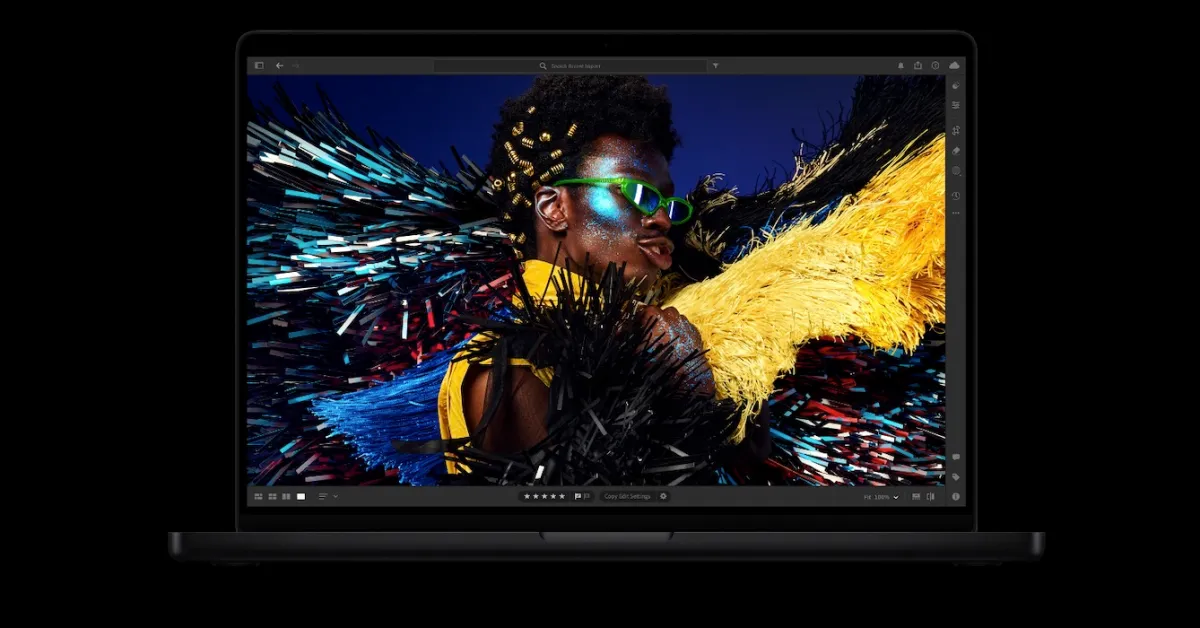
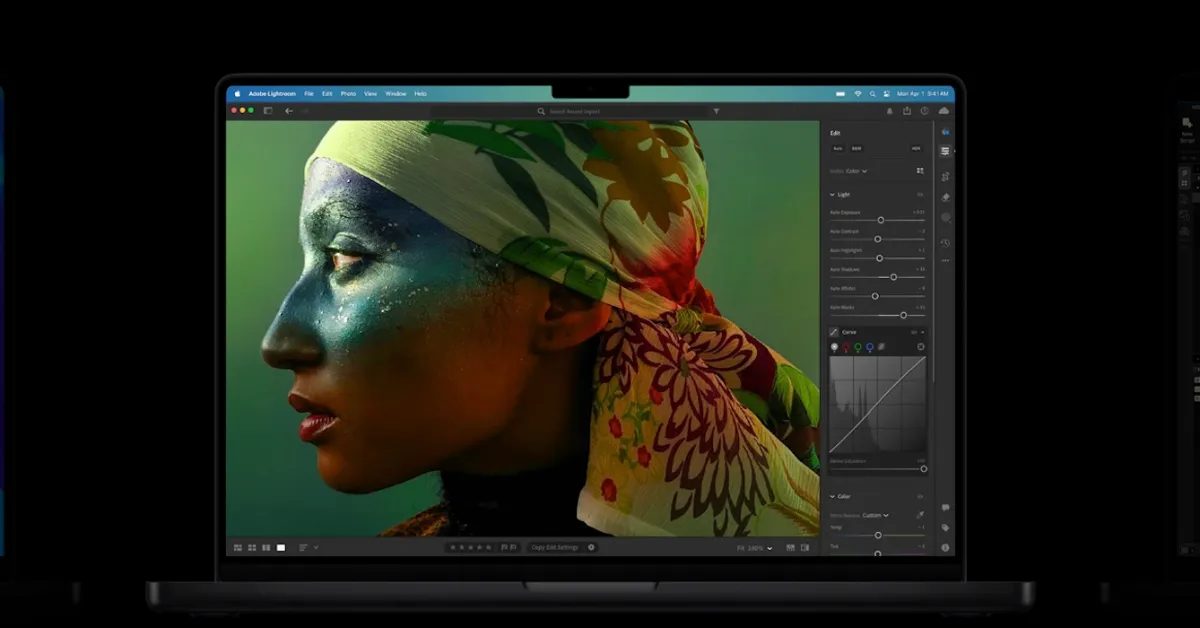
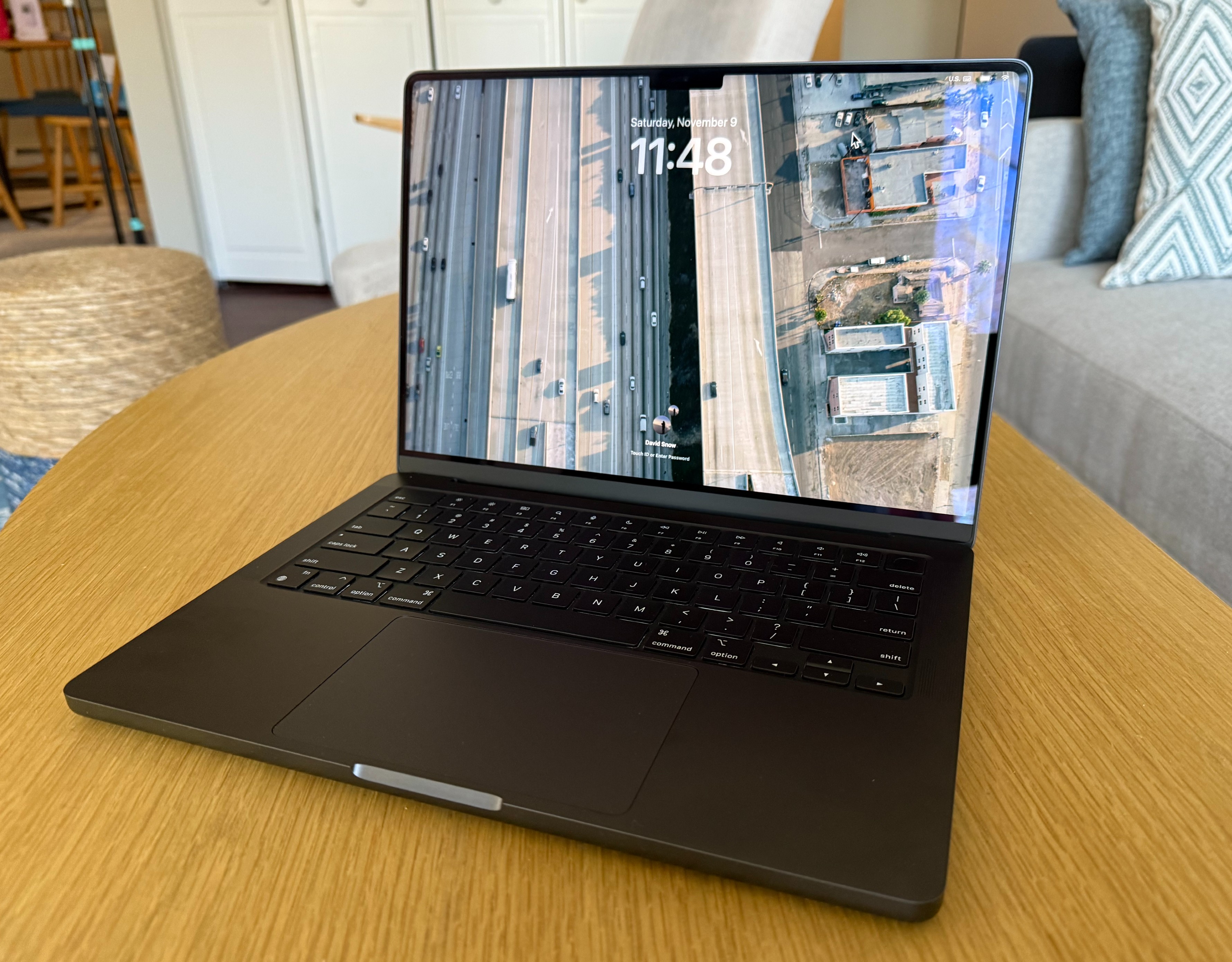
B&H offers a significant $350 discount on the 14-inch M4 Pro MacBook Pro with 24GB RAM and 1TB SSD, bringing the price down to $2,049, the lowest seen for this model, making it a more affordable option compared to buying directly from Apple or other retailers.
Amazon is offering the most affordable M4 Pro MacBook Pro with 24GB RAM and 512GB SSD at $1,759, a $240 discount from the original $1,999, making it the best deal in the current lineup for those looking to buy a powerful, portable MacBook Pro.
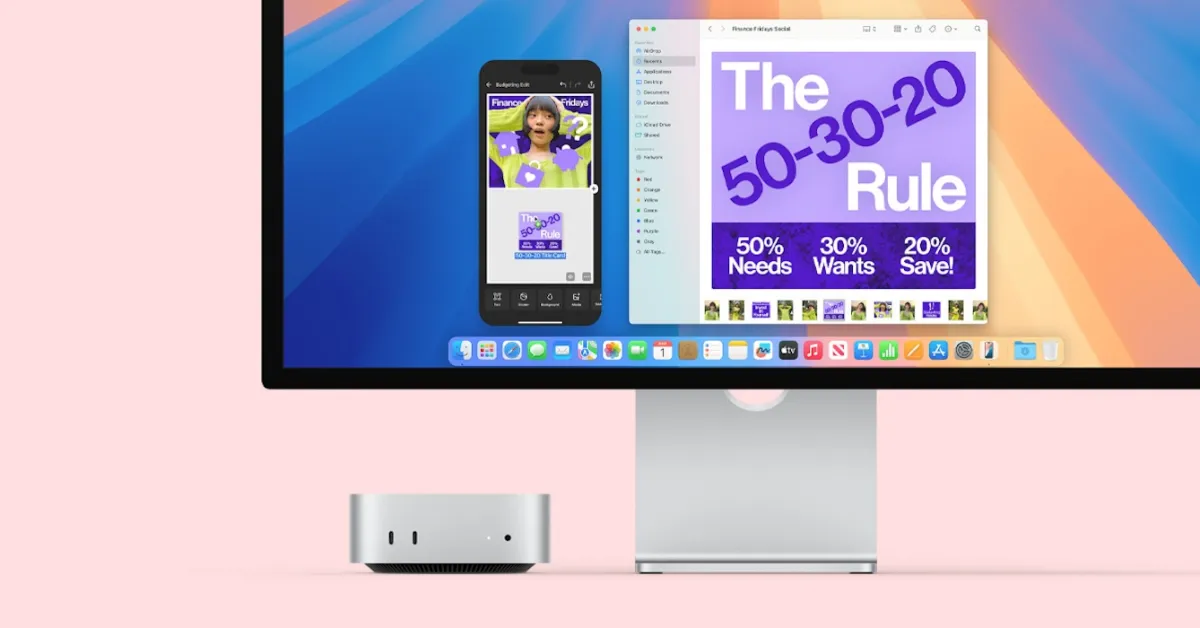
Amazon is offering discounts on the higher-end 24GB RAM Mac mini models, with the M4 Mac mini now at $889 and the M4 Pro variant at $1,247, reflecting notable price drops and making them some of the most affordable current-generation Macs with 24GB RAM.
Apple's M4 Pro Mac mini has hit an all-time low price of $1,269.99 on Amazon, marking a $129 discount from its regular price of $1,399. This deal, which is the best cash offer tracked for the M4/Pro Mac mini configurations, includes a 12-core CPU, 16-core GPU, 24GB of RAM, and a 512GB SSD. Additionally, other M4 Mac mini models are also seeing price reductions, with the most affordable starting at $549. However, the M4 Pro listing has temporarily disappeared from Amazon.
The new 14-inch M4 Pro MacBook Pro, while visually similar to its predecessors, offers significant performance improvements with its M4 Pro chip, featuring a 12-core CPU and 16-core GPU. The laptop boasts enhanced battery life, faster recharging, and a vibrant display, making it a compelling upgrade for power users and professionals. Despite the lack of a design overhaul, the M4 Pro's advancements in speed and efficiency make it a worthwhile investment for those seeking future-proofing in their computing needs.
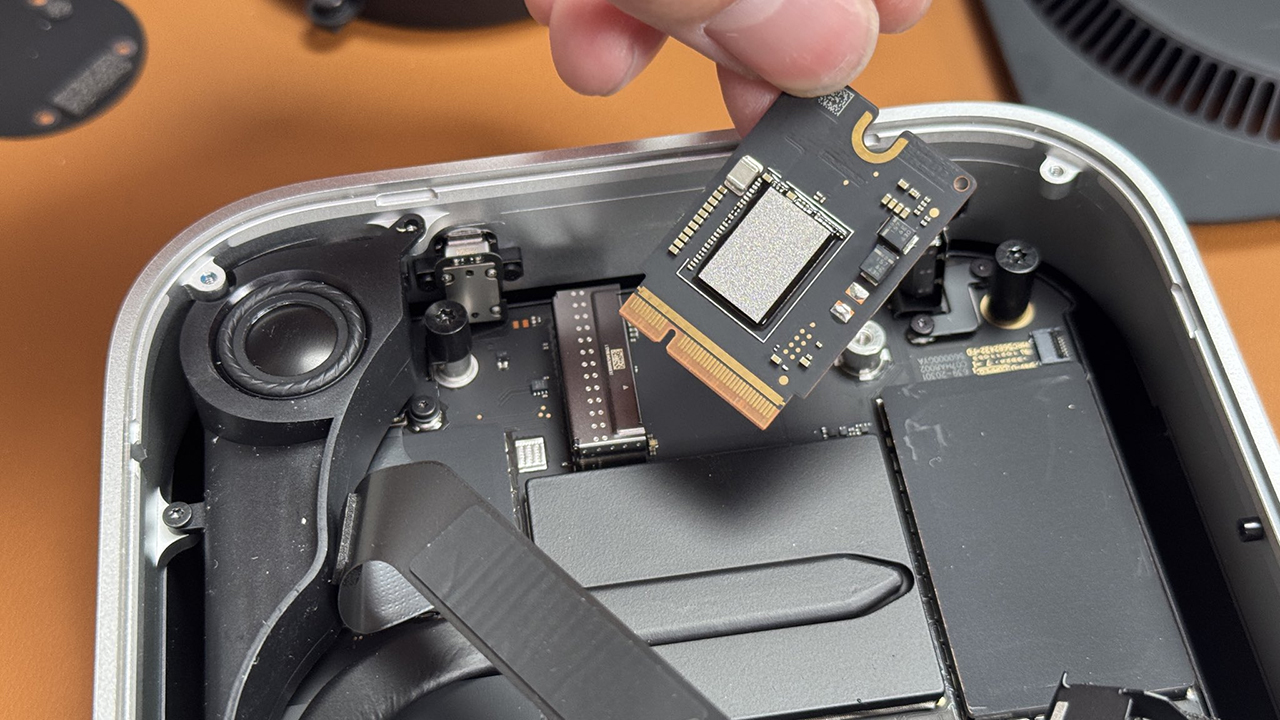
The 2024 Apple Mac mini features a removable SSD, but upgrading it is challenging due to its proprietary design. While the SSD isn't soldered, making it theoretically user-upgradable, the module is specific to Apple, similar to those used in Mac Studio and Mac Pro. This means users can't simply use third-party SSDs for upgrades. Although repair shops in China have managed to upgrade the storage by replacing NAND chips, this process requires advanced skills and equipment, making it impractical for average users.