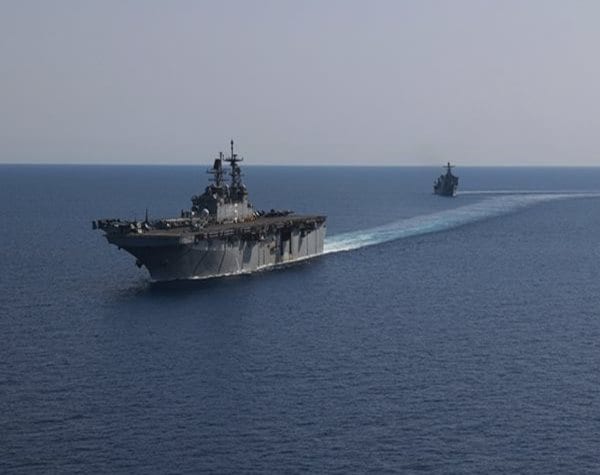
US forces intercepted six Houthi unmanned aerial vehicles over the southern Red Sea after the group launched anti-ship missiles at a Chinese-owned oil tanker, with no reported casualties. The incident occurred in the vicinity of the M/V Huang Pu, and U.S. forces successfully engaged the UAVs, preventing further escalation.
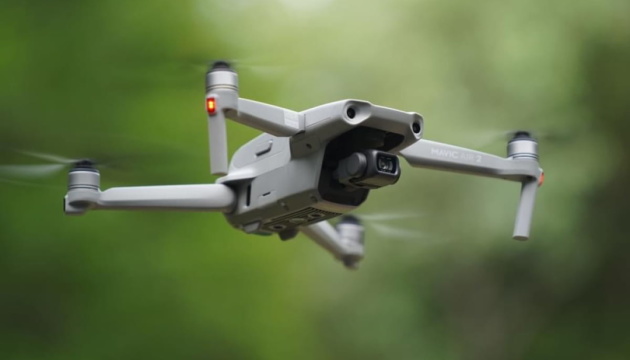
Ukraine's once-feared Bayraktar TB2 drones, manufactured by Turkey's Baykar, are losing favor among Ukrainian forces as Russia adapts and bolsters its air defenses. Initially successful in the early months of the war, the TB2s have lost their element of surprise and are now primarily used for reconnaissance missions. Analysts suggest that the TB2's vulnerability to advanced air defense systems was evident even before the conflict. Despite this, Ukraine has been rapidly developing its drone technology and aims to become a world leader in drone production. However, experts note that Russia is also catching up in the drone race.
The Ukrainian military will receive 1,700 unmanned aerial vehicles (UAVs) as part of the Army of Drones project, including combat, reconnaissance, and AI-powered drones. The initiative aims to support the counteroffensive by effectively detecting and destroying enemy targets. The project, launched on July 1, 2022, involves the purchase, maintenance, and training of professionals in the use of drones.
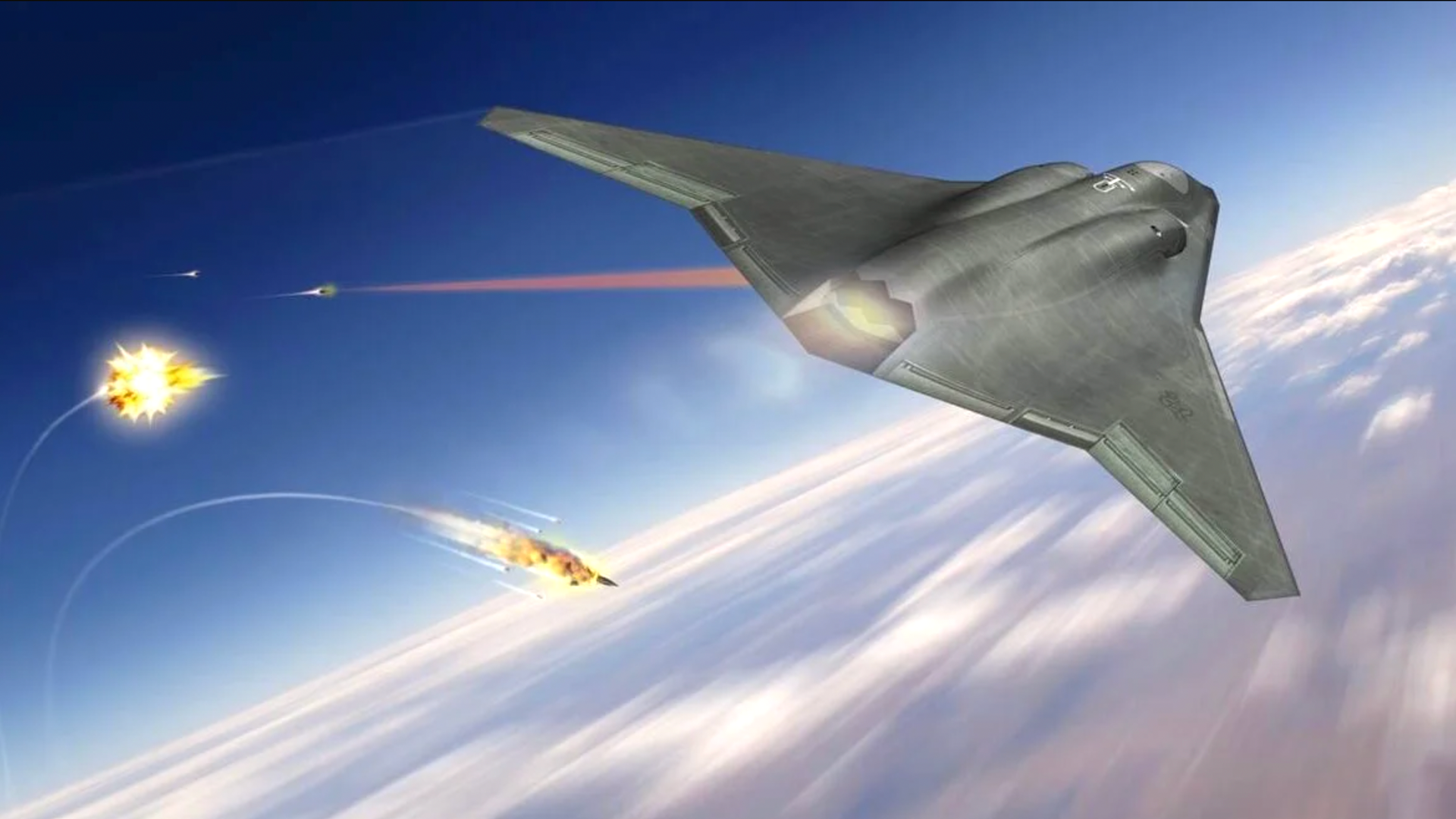
The US Air Force has launched a competition for defense contractors to develop a sixth-generation Next Generation Air Dominance fighter jet that will replace the F-22 Raptor in its fleet. The aircraft would eventually perform counter-air missions “with the ability to strike both airborne and ground-based threats to achieve air superiority and support the Joint Force.” The service is currently planning to procure a “nominal quantity” of 200 aircraft, with the contract set to be awarded in 2024. The NGAD began as a Defense Advanced Research Projects Agency (DARPA) project in 2015.
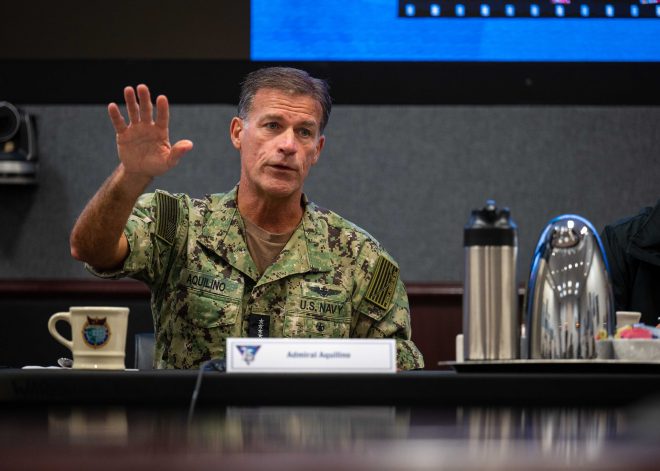
China has not responded to any of U.S. Indo-Pacific Command's requests to establish direct communication channels between its commander and the commanders of China's main military commands, according to Adm. John Aquilino. The two countries are competing, with China considered to be the pacing challenge. Aquilino added that some countries look to disrupt the current system in ways that benefit themselves but would come at the cost of others. The U.S. Coast Guard and European nations are welcome to deploy to the Indo-Pacific, join exercises, operate with his command, and build relationships with partners in the Indo-Pacific.