Tag

Unicellular Organisms

All articles tagged with #unicellular organisms

science4 months ago

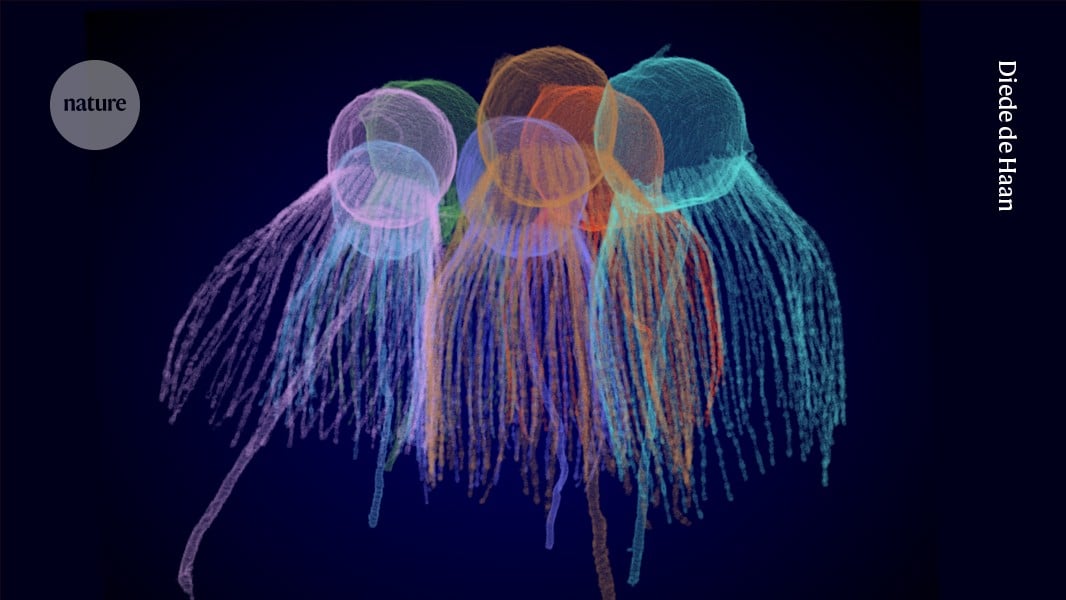
Five Simple Organisms Reveal How Life Became Multicellular

The article explores how multicellularity evolved in life on Earth, highlighting research on five simple organisms related to animals, such as choanoflagellates and Capsaspora, which reveal that the molecular toolkit for multicellularity existed long before animals appeared, and that multiple evolutionary paths, including clonal division and aggregation, contributed to this major transition.
science5 months ago

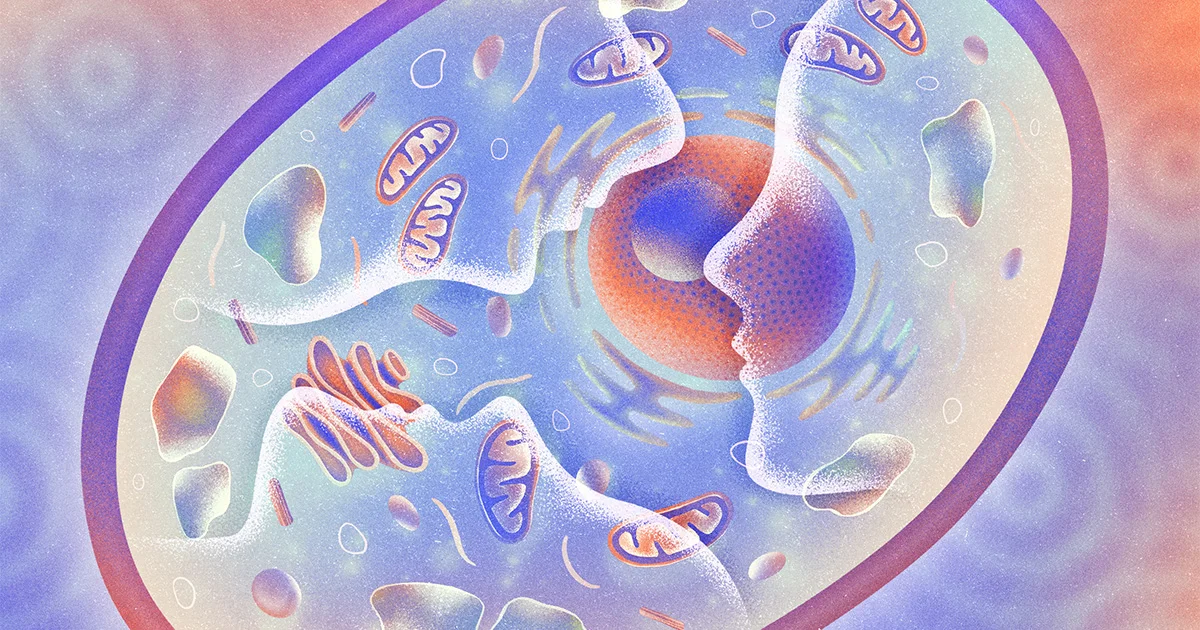
Do Cells Have Memory? Exploring the Vital Role of Cells in Life

Recent research suggests that single cells, including nonneural ones, can remember and learn from their experiences, challenging traditional views that memory requires a nervous system. Experiments with cells like kidney cells and ciliates show they can differentiate patterns and retain information over time, indicating a form of cellular memory that may be evolutionarily ancient and fundamental to life. This emerging understanding prompts a reevaluation of what memory is across biological systems.

science1 year ago

Scientists Unveil Solution to the Age-Old Chicken or Egg Debate

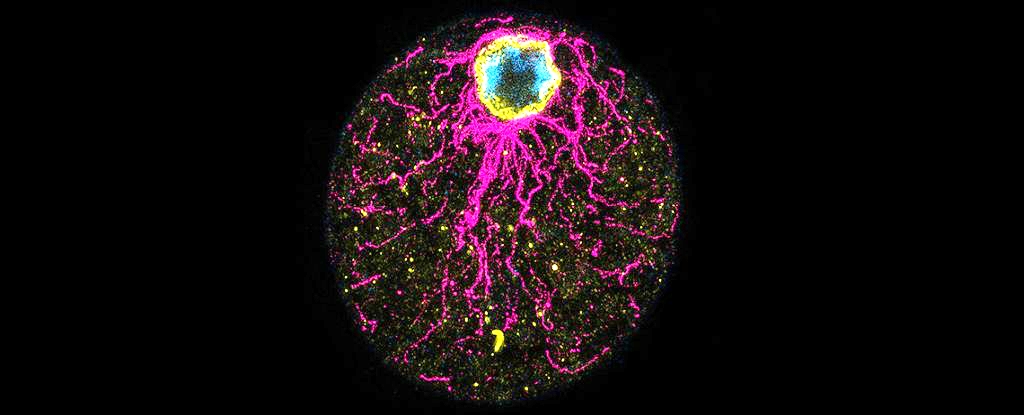
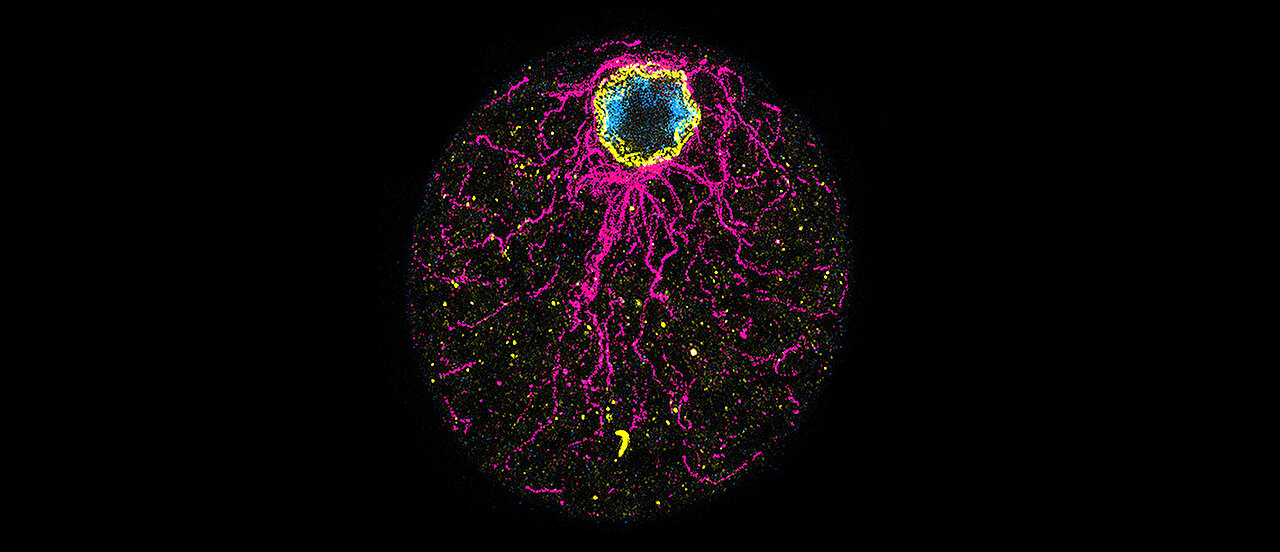
Scientists have potentially solved the age-old chicken-or-egg mystery by studying a unicellular organism, Chromosphaera perkinsii, which exhibits reproductive behaviors similar to animal embryos. This organism, existing for over a billion years, suggests that the genetic programming for egg formation predates the emergence of animals, indicating that eggs, or their genetic precursors, came first. The findings challenge previous assumptions about the evolution of multicellular life and highlight the versatility of early life forms in Earth's history.

science1 year ago

Scientists Crack the Chicken or Egg Mystery

Scientists have discovered that the unicellular Ichthyosporean microbe Chromosphaera perkinsii exhibits embryonic-like cell division, suggesting that the genetic programming for eggs may have existed before animals. This microbe, which has been around for over a billion years, forms a blastula-like cluster of cells, similar to animal embryos. The findings imply that the genetic toolkit for embryonic development was present before the emergence of animals, offering insights into the evolutionary origins of multicellularity. The study, published in Nature, explores whether these similarities are due to a common ancestor or convergent evolution.

science1 year ago

Ancient Single Cell Challenges Evolutionary Timeline of Multicellular Life

Researchers have discovered that the ancient single-celled organism Chromosphaera perkinsii can form multicellular structures similar to early animal embryos, suggesting that the genetic mechanisms for embryonic development may have existed over a billion years ago, before the first animals appeared. This finding, published in Nature, could provide insights into the transition from unicellular to multicellular life and challenge existing views on the evolution of multicellularity.

science1 year ago

Unicellular Ancestor Sheds Light on Pre-Animal Embryonic Development

Researchers from the University of Geneva have discovered that the unicellular organism Chromosphaera perkinsii, which predates animals by over a billion years, forms multicellular structures similar to animal embryos. This suggests that the genetic programs for embryonic development may have existed before animals evolved, or that C. perkinsii independently developed similar processes. The findings, published in Nature, could reshape our understanding of the evolution of multicellularity and embryonic development.

science2 years ago

Uncovering 30,000 Hidden Viruses in Microbes' Genome.

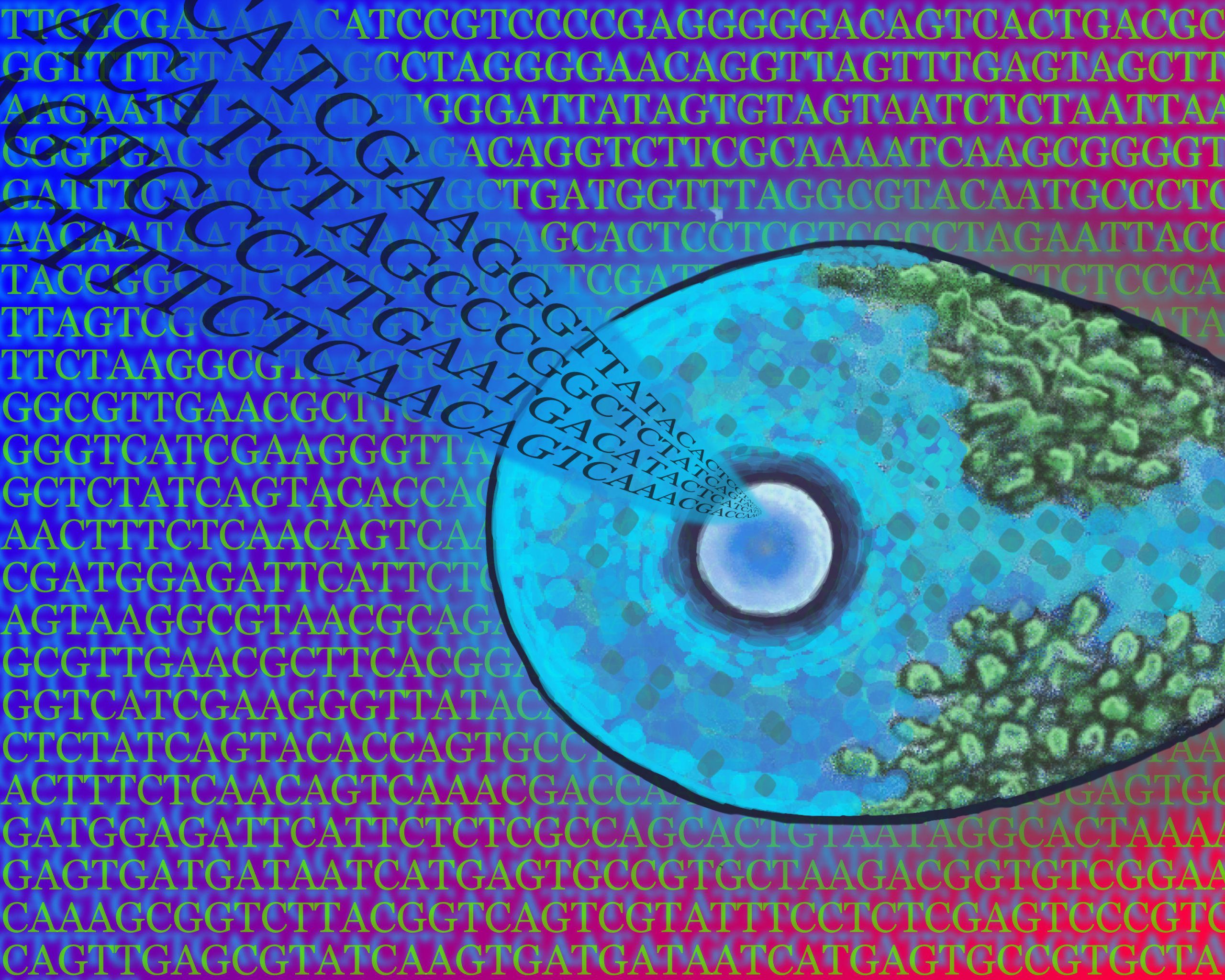
Scientists at the University of Innsbruck have discovered over 30,000 new viruses embedded within the DNA of unicellular organisms, with up to 10% of microbial DNA consisting of built-in viruses. These viruses do not appear to harm their hosts and may even protect them, with many being similar to virophages that infect and destroy other harmful viruses. The DNA of the newly discovered viruses is similar to virophage DNA, suggesting that the host microbes protect themselves from giant viruses through these built-in viruses. The study was published in Proceedings of the National Academy of Sciences and was funded by the Austrian Science Fund.