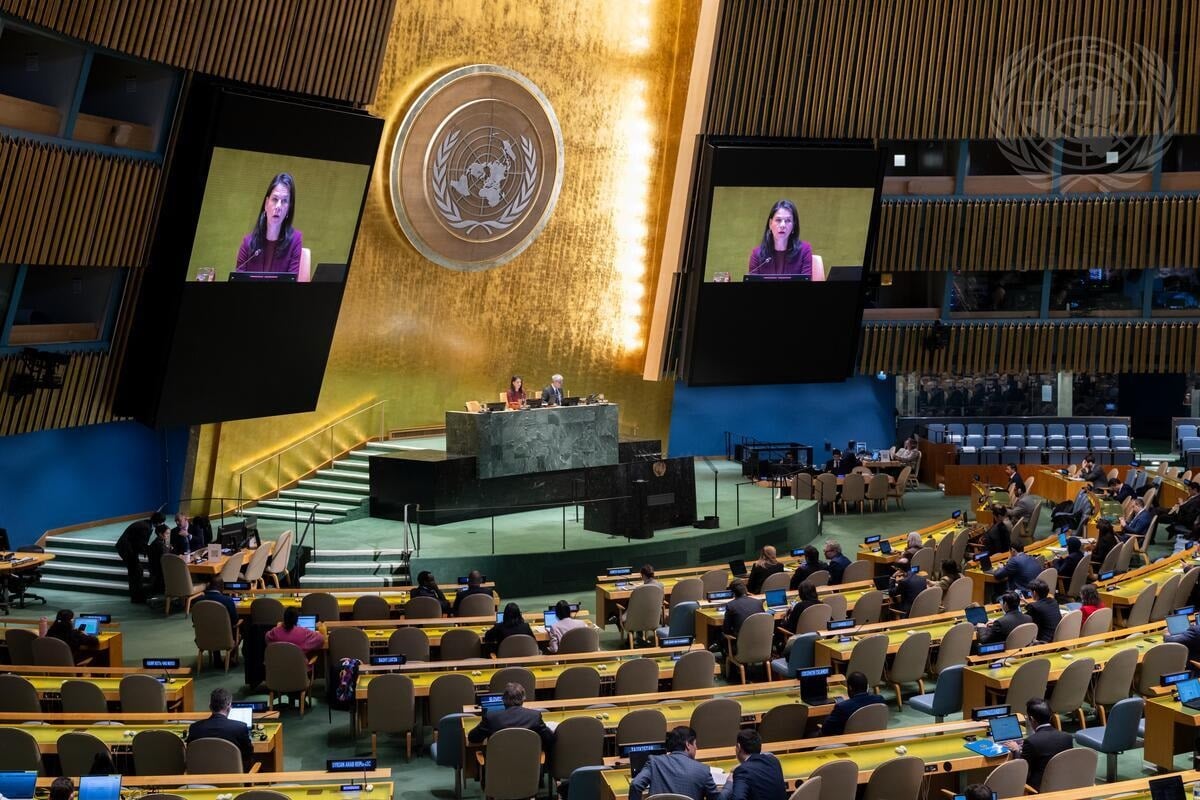
World leaders at the UNGA adopted a historic declaration to combat noncommunicable diseases and mental health issues through integrated global targets for 2030, emphasizing prevention, access to care, and a whole-of-society approach to improve health outcomes worldwide.
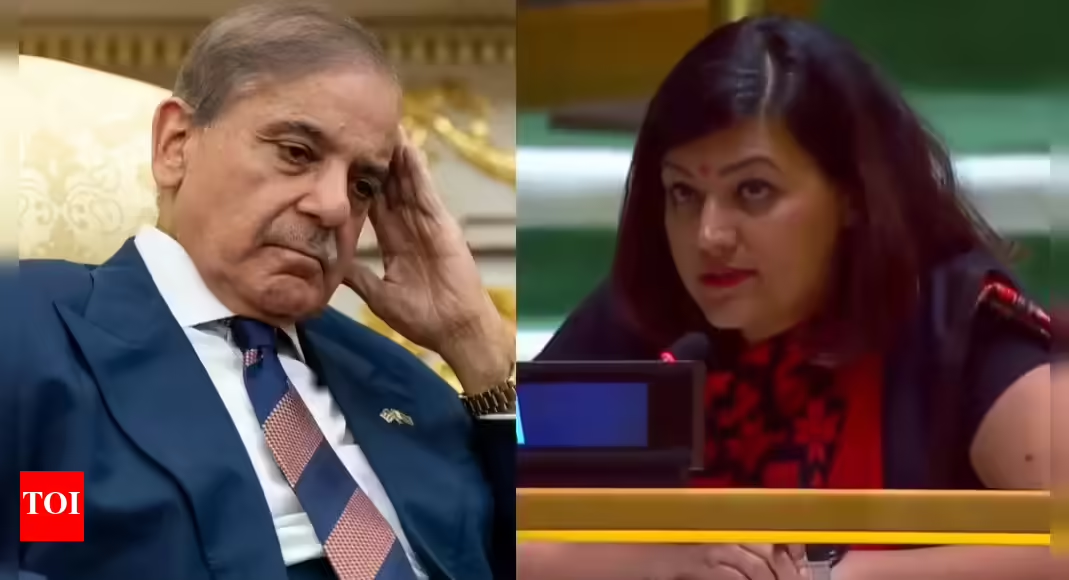
India sharply rebuked Pakistan's Prime Minister Shehbaz Sharif at the UN General Assembly, dismissing his remarks as 'absurd theatrics' and criticizing Pakistan's record on terrorism, including sheltering terrorists and supporting cross-border attacks. India emphasized that no amount of drama can hide these facts, while Pakistan accused India of aggression and violations, including claims of shooting down Indian jets and issues related to the Indus Water Treaty.
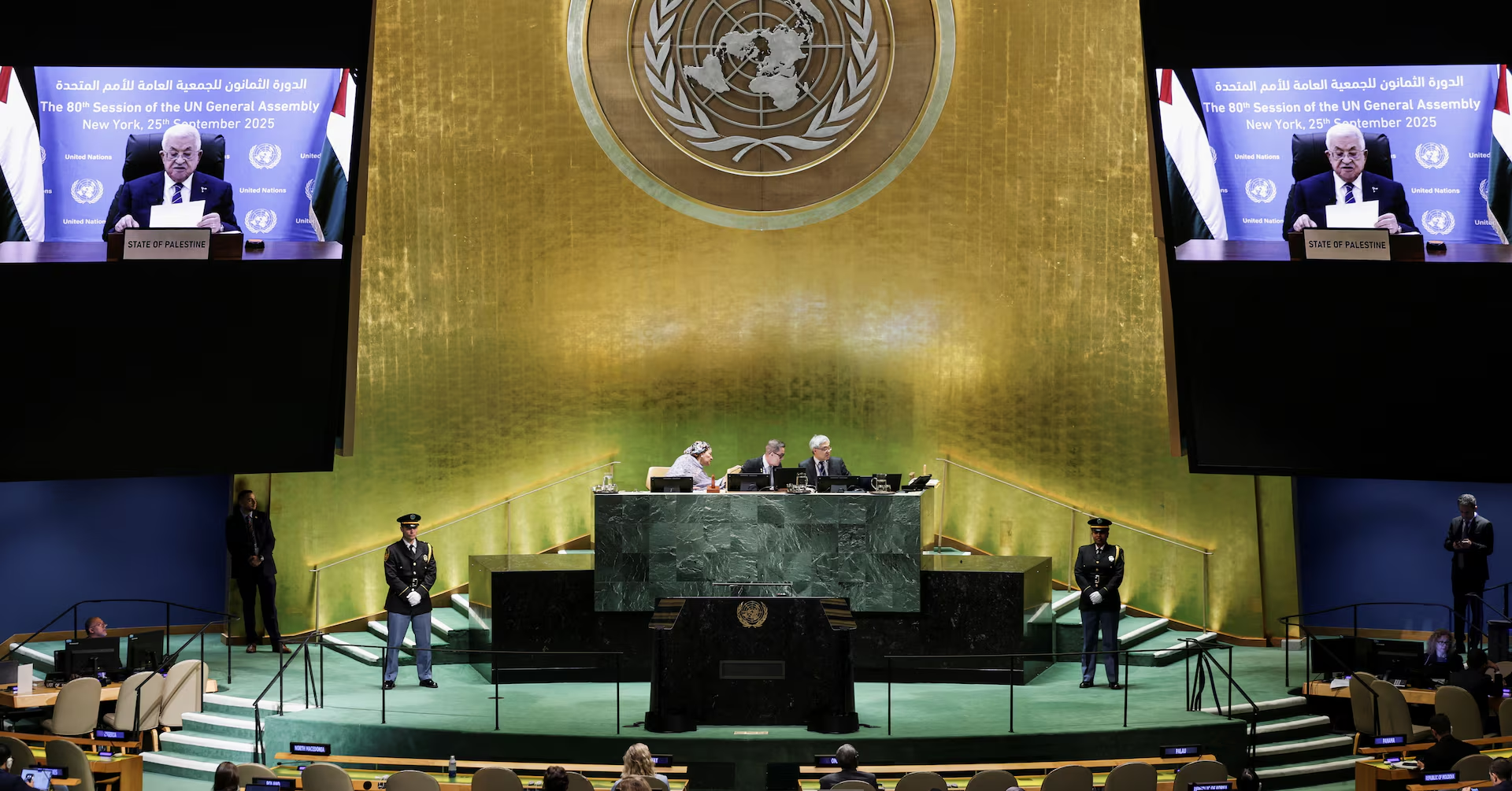
Palestinian President Abbas expressed willingness to collaborate with the US and other nations on a peace plan during the UN General Assembly, signaling a potential step forward in Middle East peace efforts.
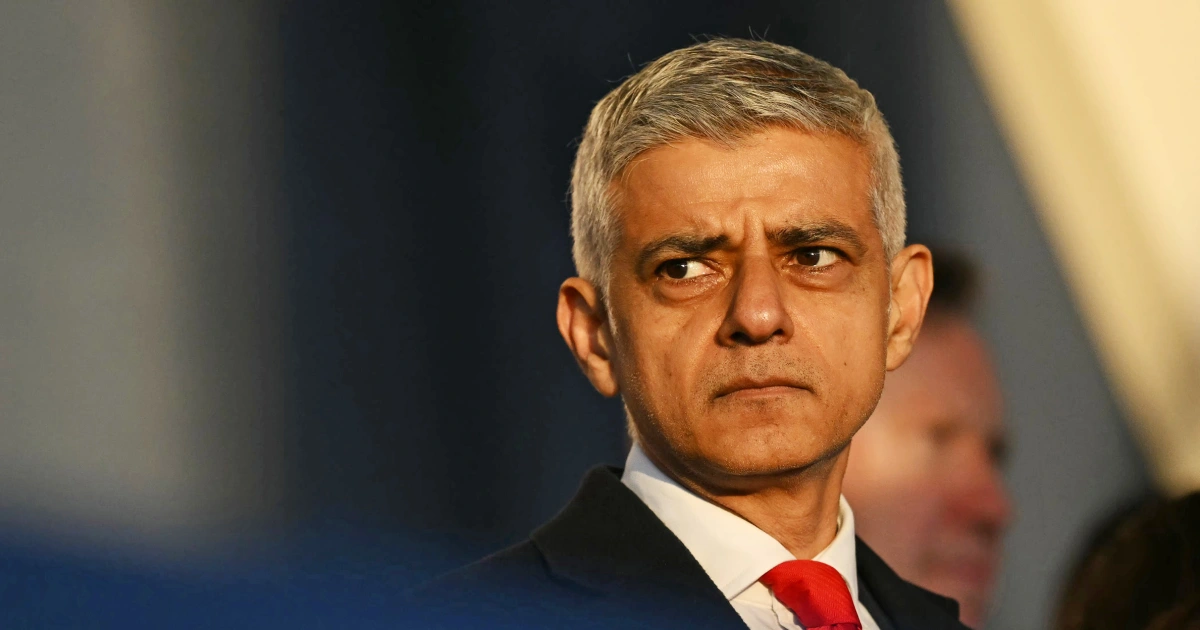
London Mayor Sadiq Khan publicly criticized Donald Trump as 'racist, sexist and Islamophobic' after Trump's UN speech where he insulted Khan and falsely claimed London wanted to be governed by Sharia law, continuing a pattern of mutual barbs between the two leaders.
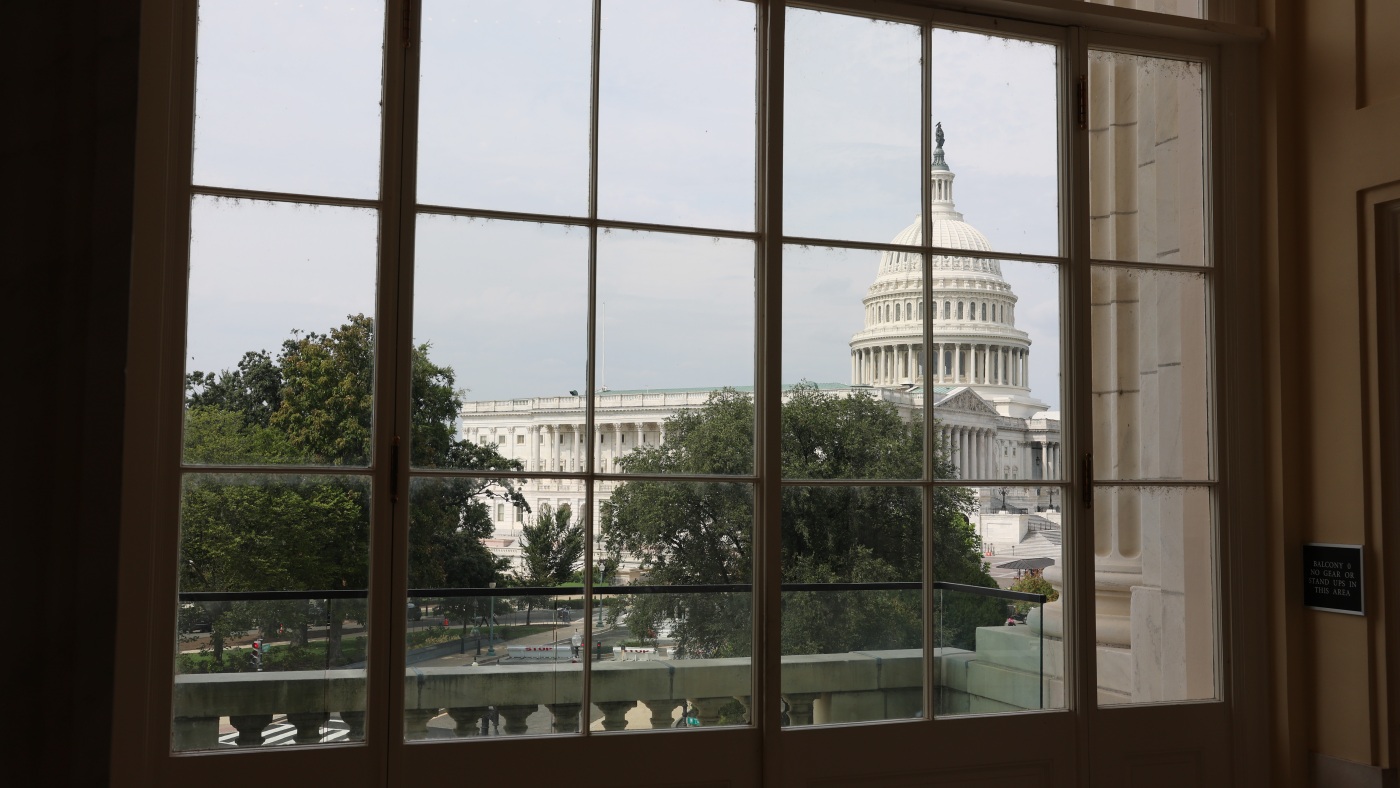
The article discusses the increasing likelihood of a U.S. government shutdown due to failed funding negotiations, President Trump's shift in stance on Ukraine's ability to reclaim territory from Russia, and recent political and media events including Jimmy Kimmel's return to TV and discussions on AI and health trends.
Ukrainian President Zelenskyy praised a meeting with Trump at the UN, where Trump appeared to shift from skepticism to support for Ukraine's military efforts, suggesting Ukraine could potentially regain its original borders with European and NATO support. This marks a significant change in Trump's stance, though the impact on policy remains uncertain, and reactions from Russia and Ukrainian opposition are mixed.
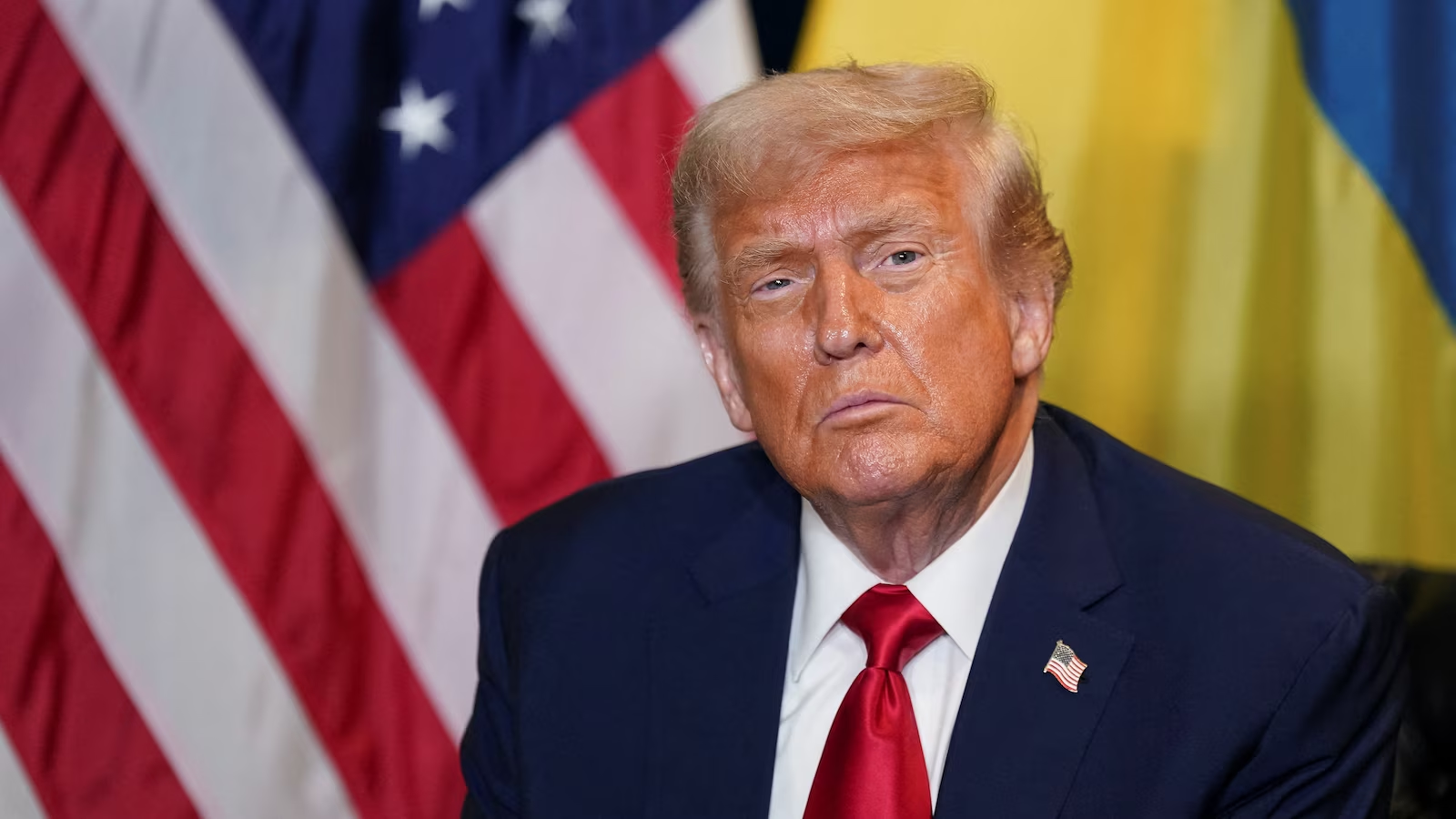
US President Donald Trump addressed the UNGA, calling for the immediate negotiation to free hostages in Gaza, criticizing European recognition of a Palestinian state, condemning Iran's nuclear ambitions, and criticizing the UN's effectiveness, emphasizing his focus on saving lives over awards.
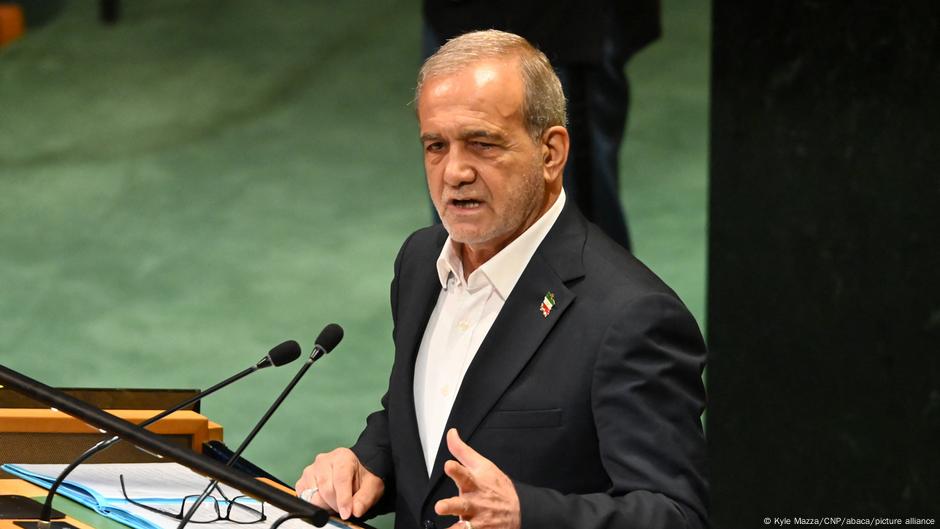
At the UN General Assembly, Iran's president stated Iran does not seek nuclear weapons, while Zelenskyy warned of a destructive arms race and Russia's expansion in Ukraine. The meeting also covered issues like Iran's nuclear program, Ukraine's security, and regional conflicts, with global leaders calling for diplomacy and peace efforts.
The US Department of State announced the revocation of visas for Palestinian officials from the PLO and PA, citing non-compliance with commitments to combat terrorism and promote peace, ahead of the UN General Assembly, while remaining open to re-engagement if conditions improve.
The US Department of State announced the revocation of visas for Palestinian officials from the PLO and PA ahead of the UN General Assembly, citing non-compliance with commitments to combat terrorism and pursue peace, with the US emphasizing accountability and conditional engagement.
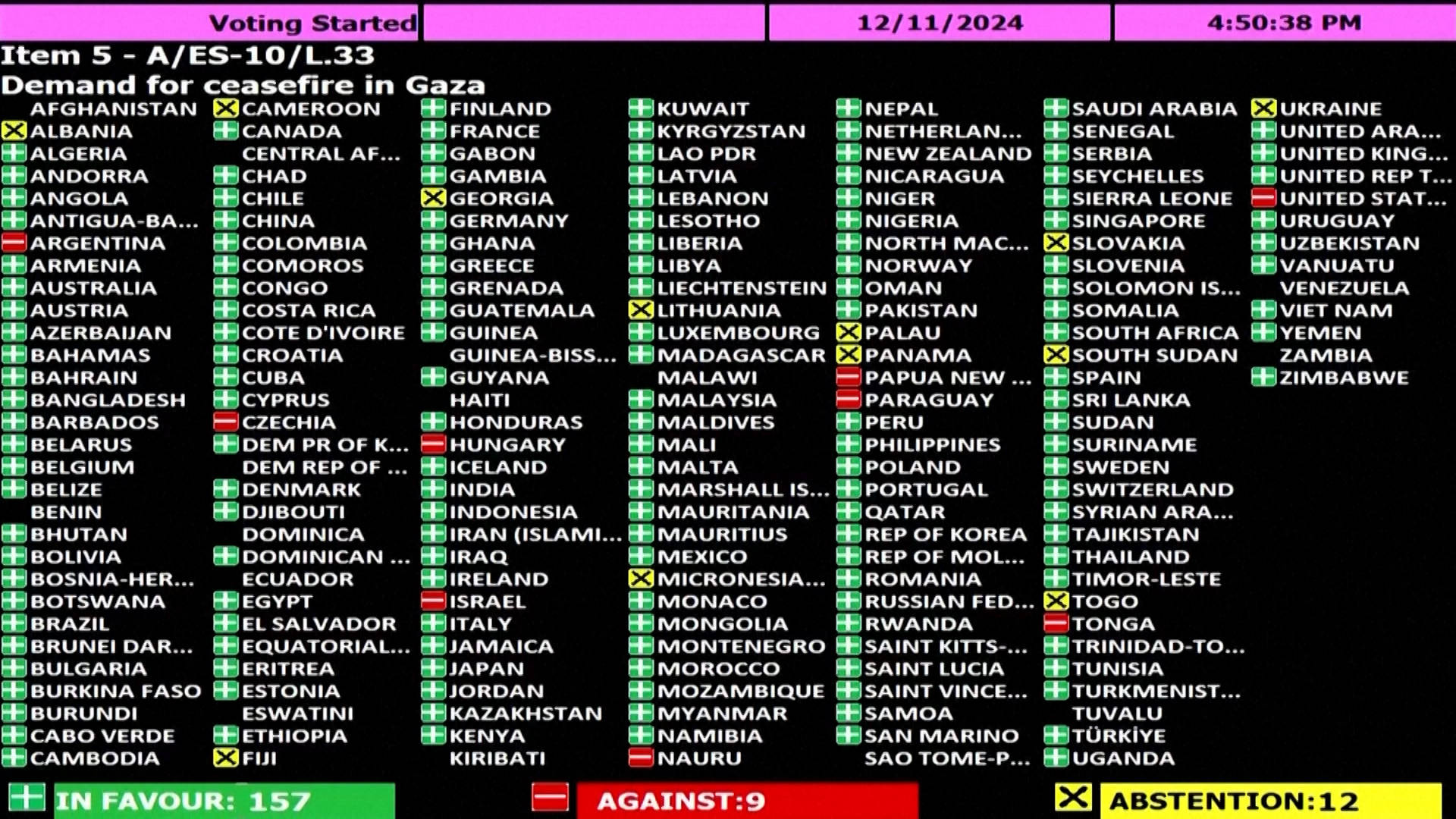
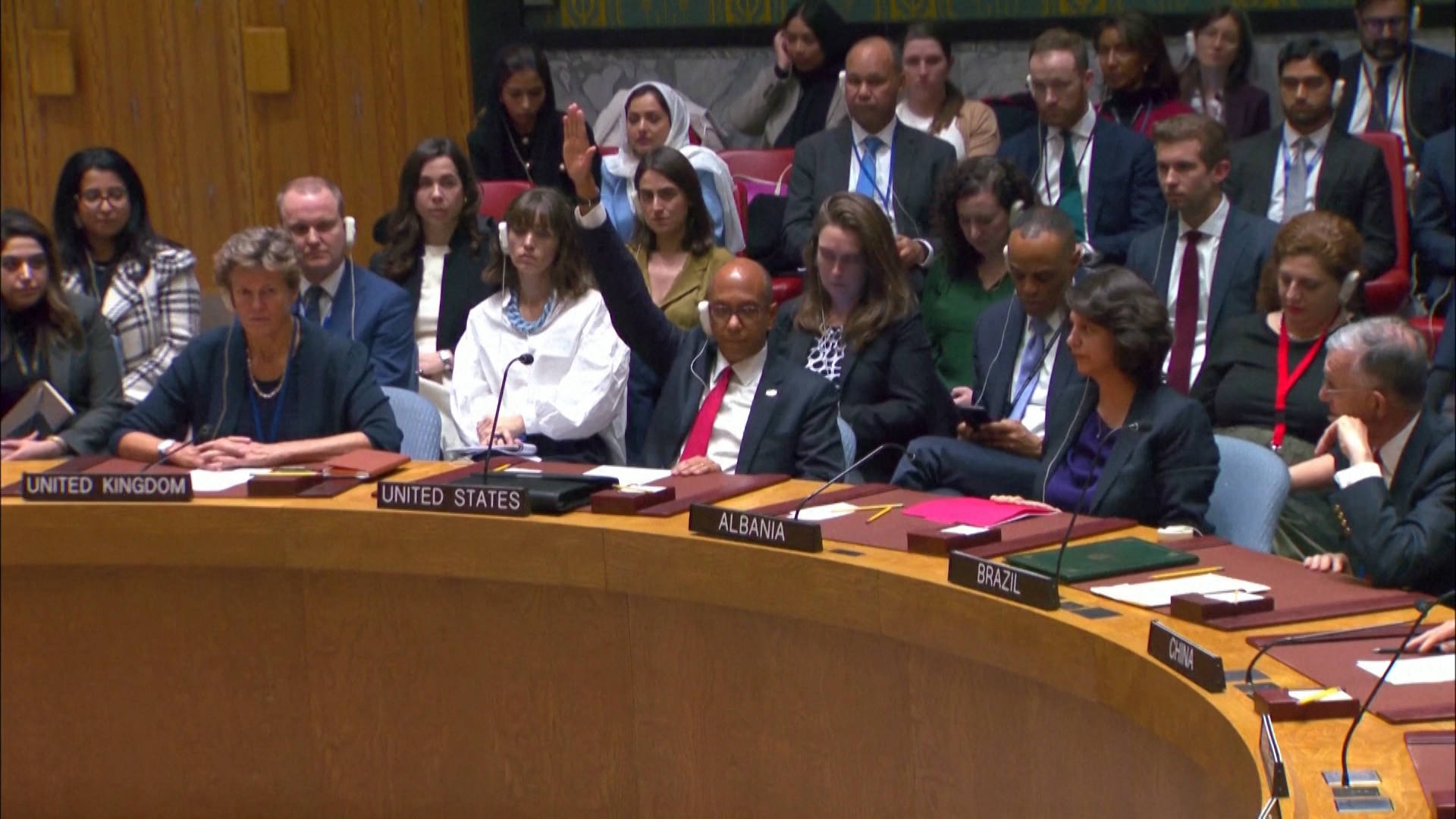
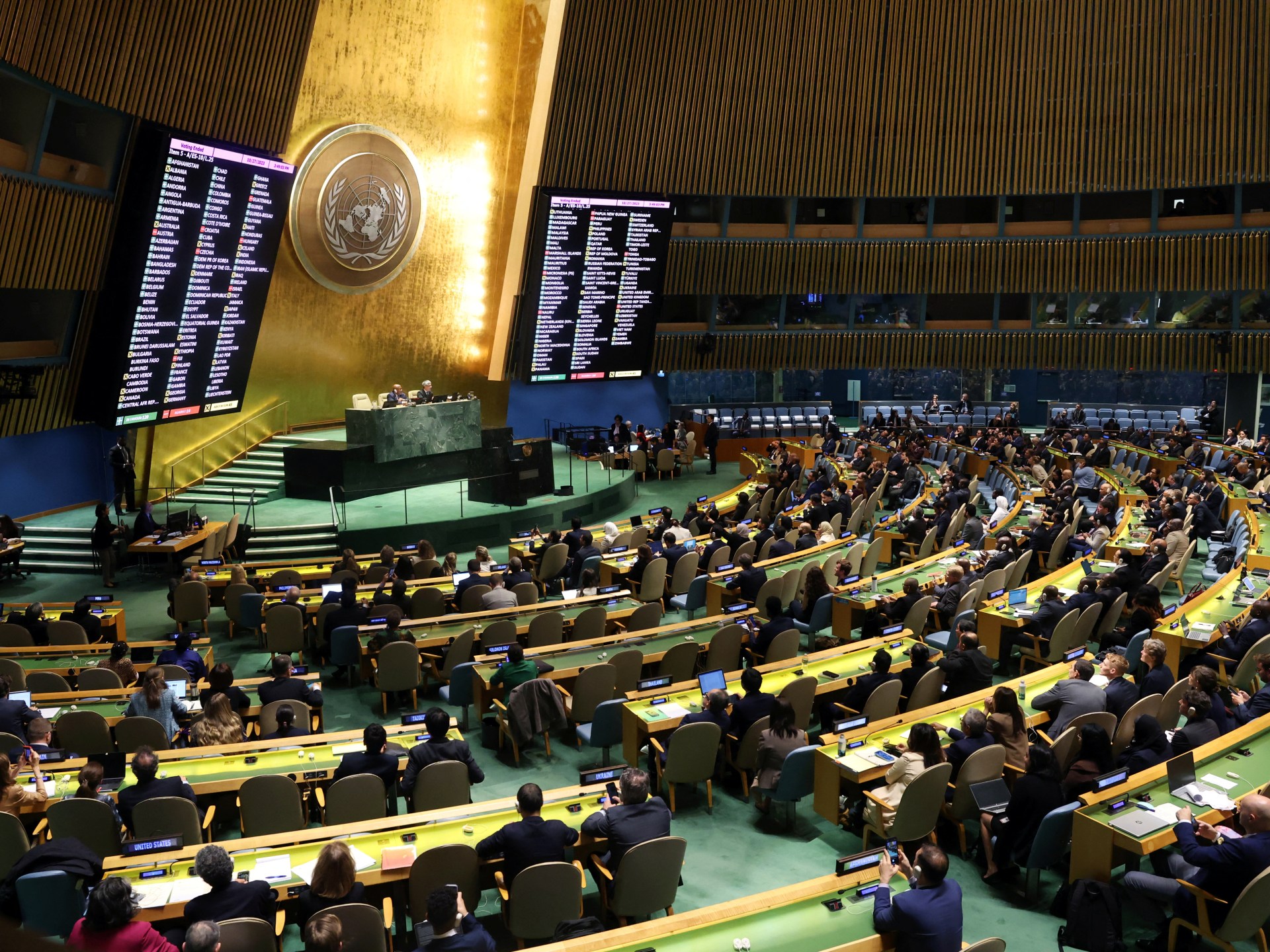
The United Nations General Assembly has overwhelmingly voted for an immediate and unconditional ceasefire in Gaza, with only a few countries, including the U.S. and Israel, opposing. Concurrently, Hamas has reportedly agreed to two key Israeli demands for a ceasefire, including revealing a list of hostages and allowing Israeli forces to remain temporarily in Gaza post-ceasefire. This development comes amid ongoing violence in the region, with Israeli strikes in Gaza and Syria, and tensions in Lebanon.
The U.N. General Assembly will convene a special session to discuss the Gaza ceasefire after the U.S. vetoed a Security Council resolution calling for an urgent ceasefire. In response, Egypt and Mauritania invoked Resolution 377, known as "Uniting for Peace." Turkish President Recep Tayyip Erdoğan called for U.N. reform, stating that the current structure is dysfunctional. Additionally, the U.S. State Department approved the emergency sale of over $100 million in tank ammunition to Israel, bypassing congressional review.
The United Nations General Assembly has passed a resolution calling for an immediate humanitarian truce between Israel and Hamas, as well as demanding aid access to Gaza. 120 countries voted in favor of the resolution, 14 countries voted against, including Israel and the United States, while 45 others abstained. Canada introduced an amendment that would have condemned Hamas for a recent attack on Israel, but ultimately abstained from the vote.
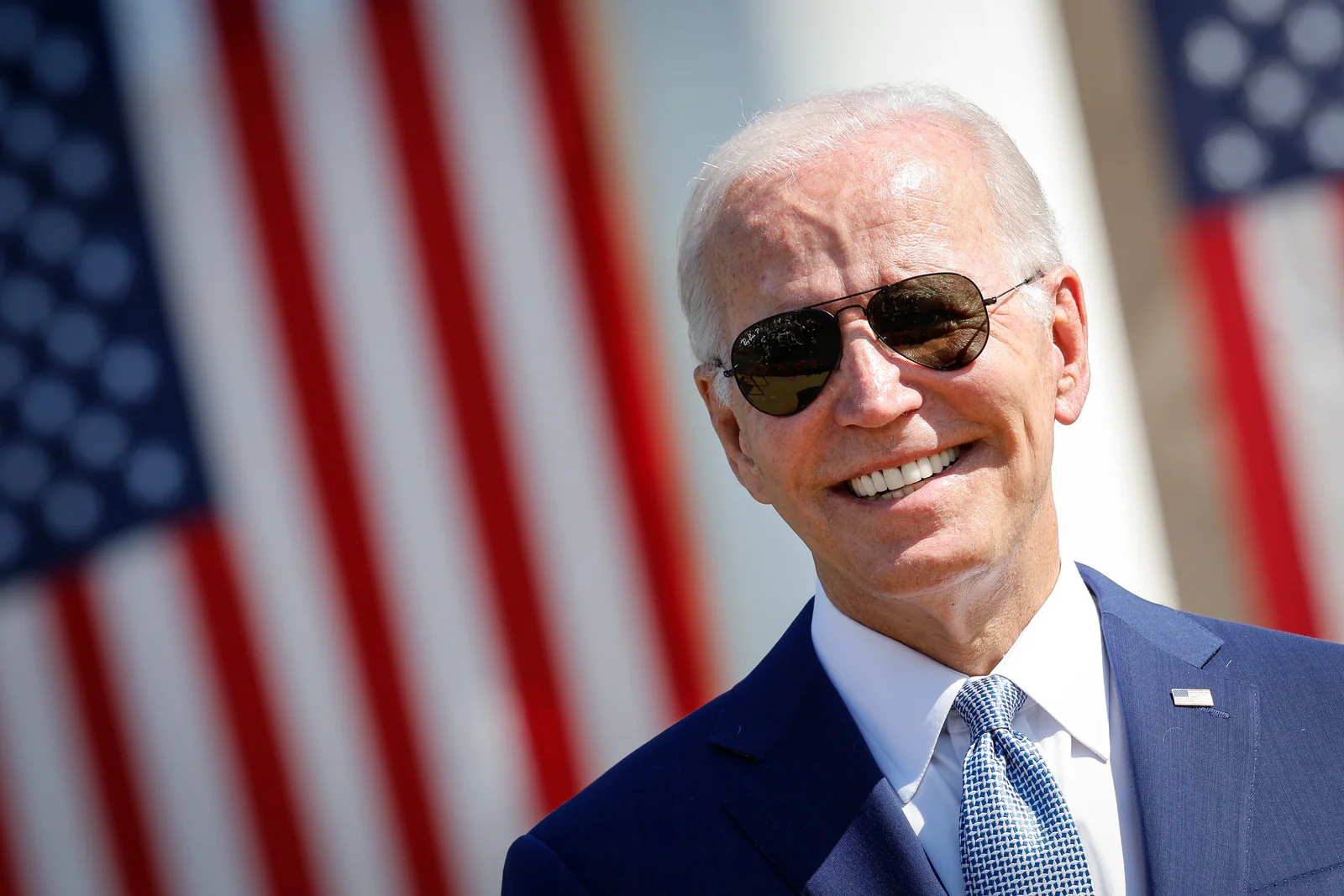
President Joe Biden is set to dominate the upcoming U.N. General Assembly gathering as several other world leaders, including those from China, Russia, the United Kingdom, and France, are expected to skip the event. Their absence presents an opportunity for Biden to improve America's image with less-powerful countries and woo them away from China and Russia. The U.N. forum is crucial for many developing nations to plead their case before major powers, and their absence may indicate a shift in preference towards other multilateral venues. However, the U.S. believes the U.N. gathering remains relevant and important for discussing critical issues.