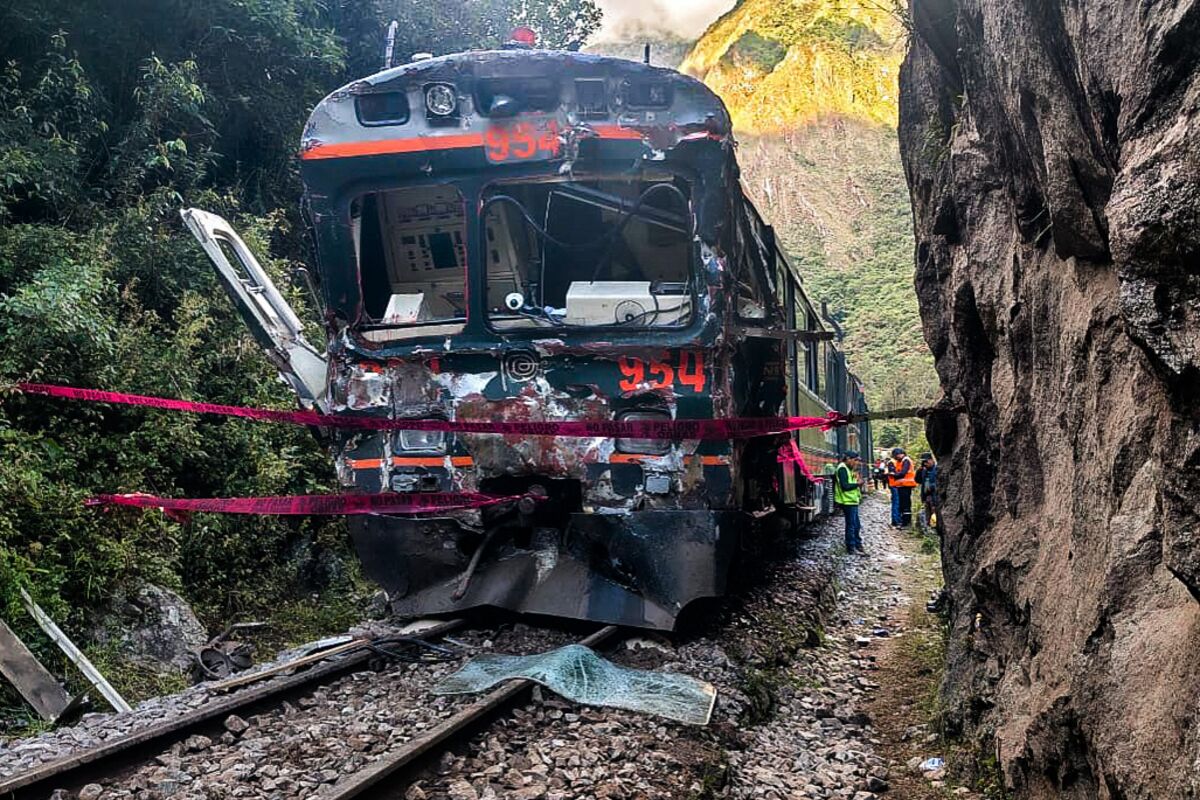
A fatal train collision near Machu Picchu involving trains operated by PeruRail and Inca Rail, in which LVMH and Carlyle Group hold stakes, resulted in one death and multiple injuries, raising concerns over safety and the involvement of major global investors in Peru's tourism infrastructure.
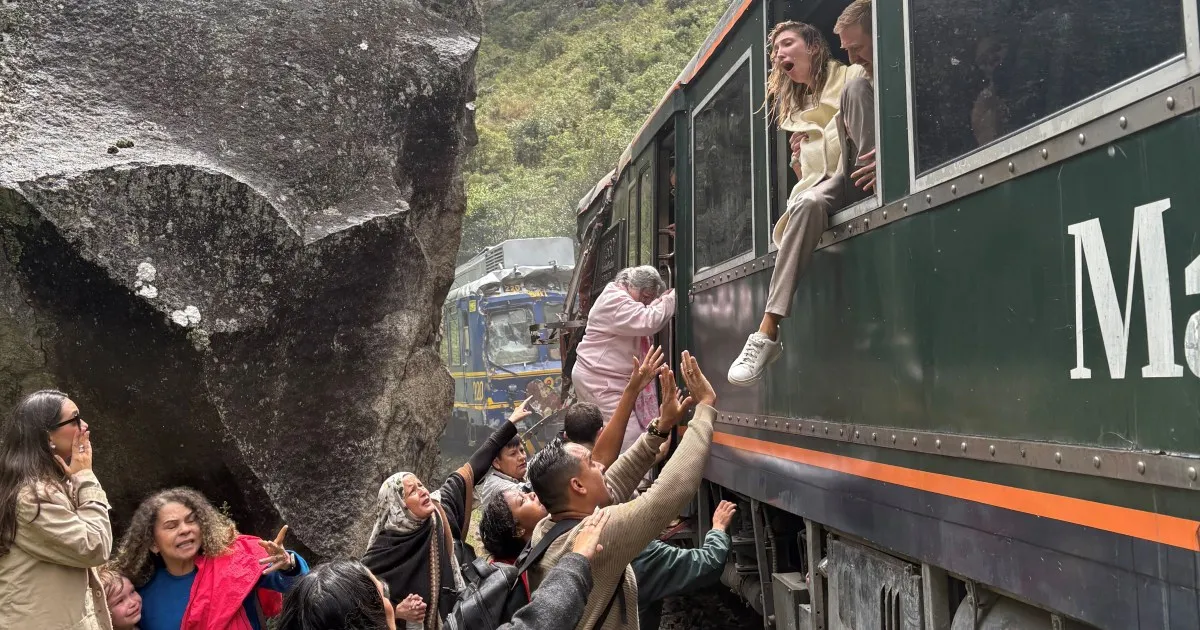
A train collision near Machu Picchu in Peru resulted in one death and about 30 injuries, leading to the suspension of railway services; the cause of the crash is currently unknown.
A train collision near Machu Picchu in Peru resulted in at least one death and dozens of injuries, with the cause of the crash still unknown. The accident involved two trains on the single-track line serving the archaeological site, causing significant damage and emergency response efforts in a remote area.
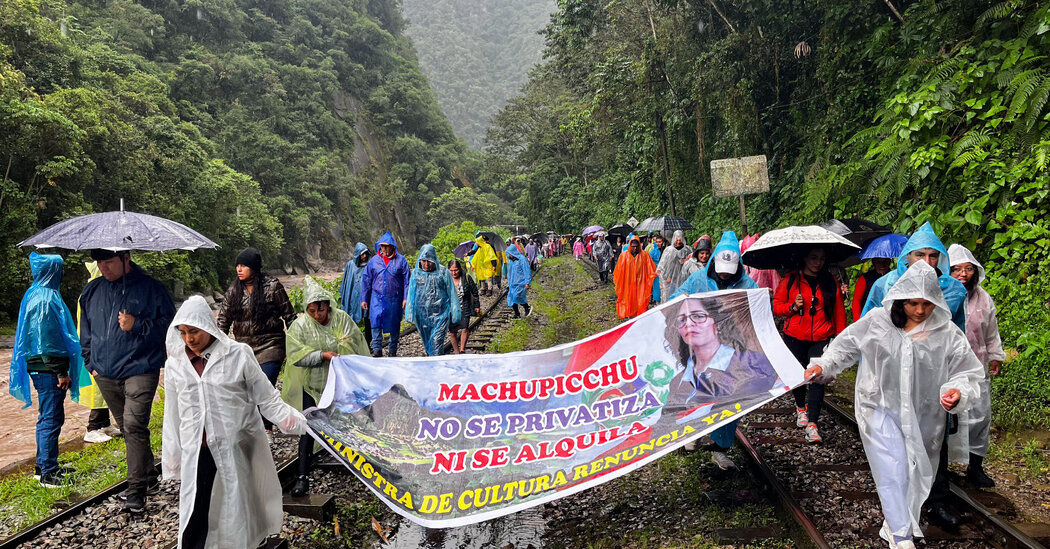
Nearly 1,000 tourists were stranded near Machu Picchu due to protests in Peru that disrupted train and bus services, as protesters demand representation in the bidding process for a new bus operator, threatening the site's status as a Wonder of the World.
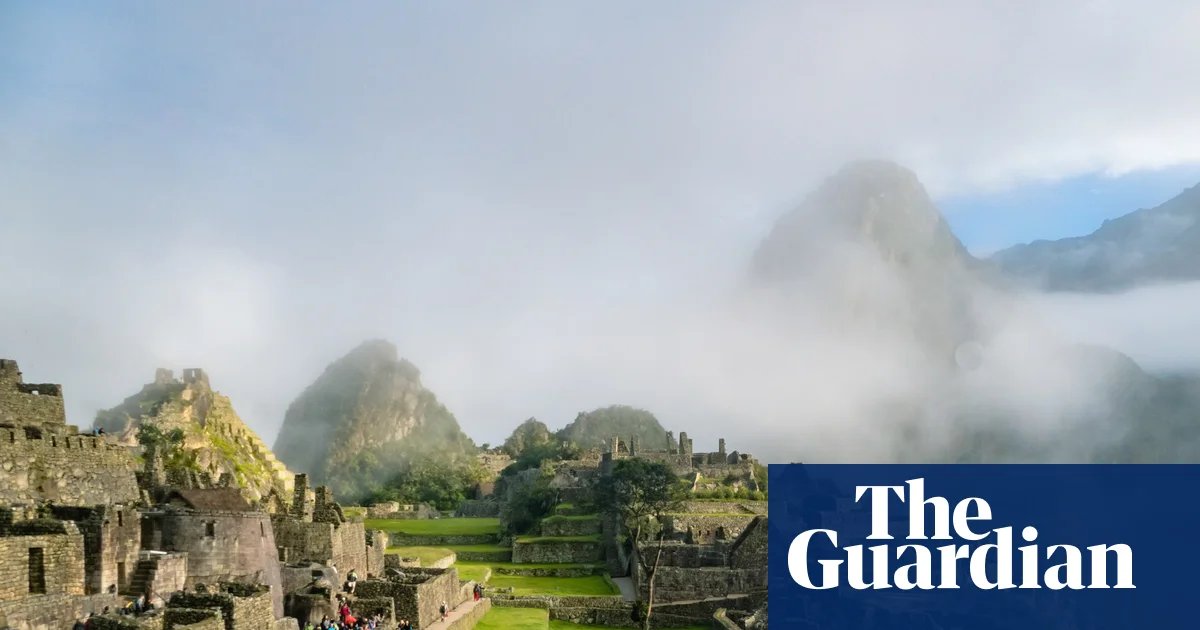
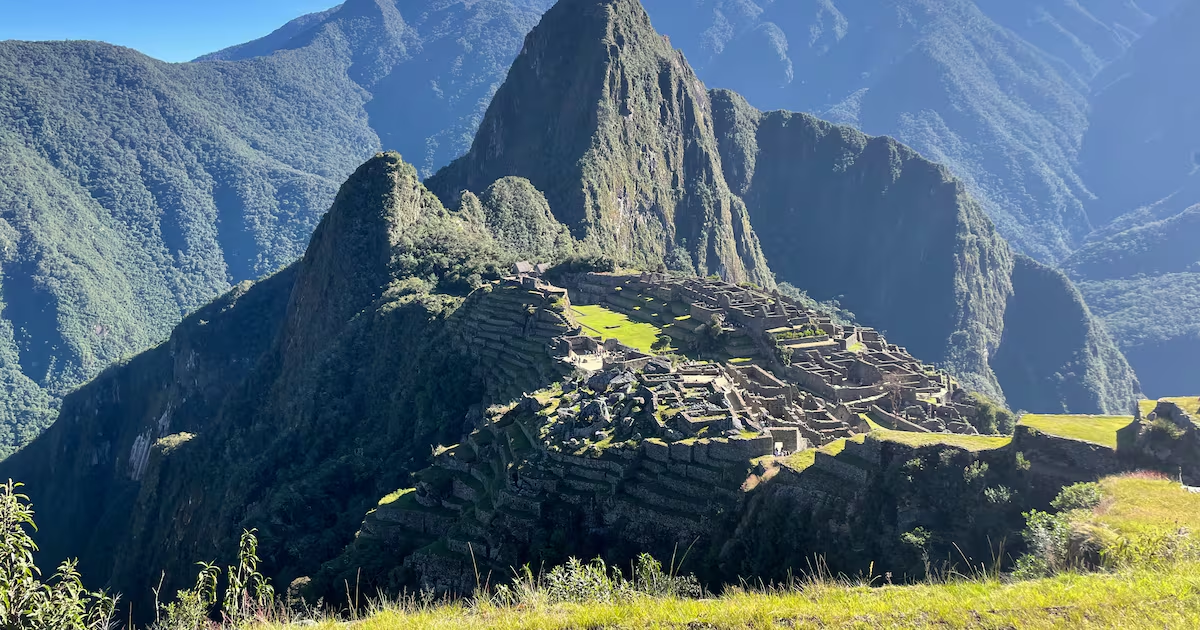
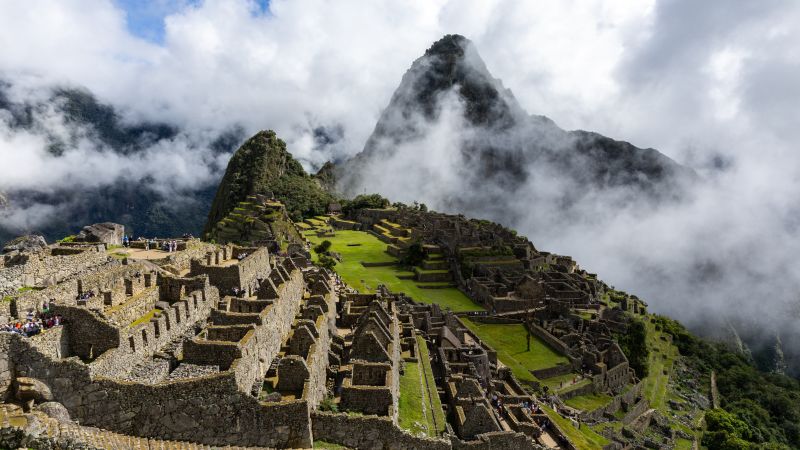
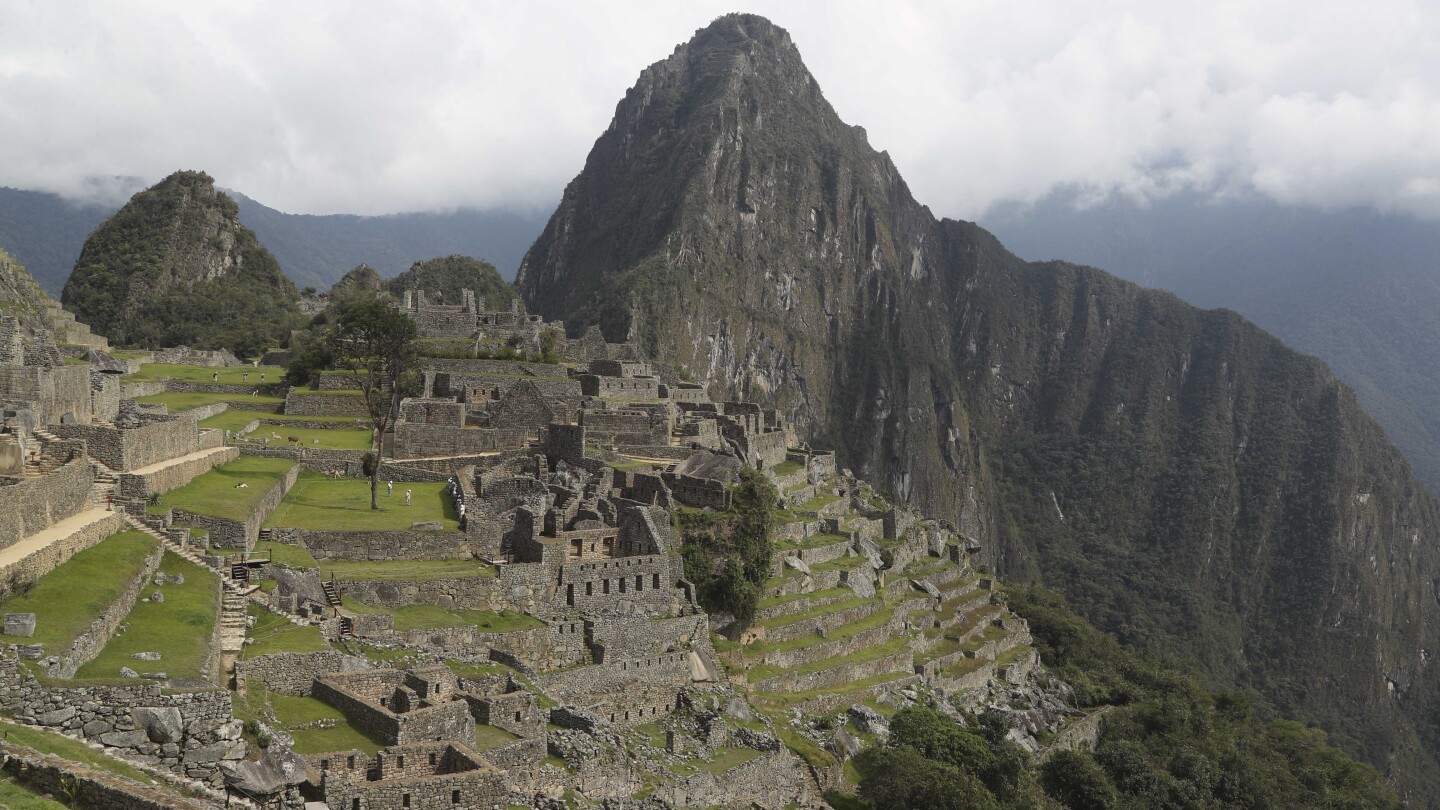
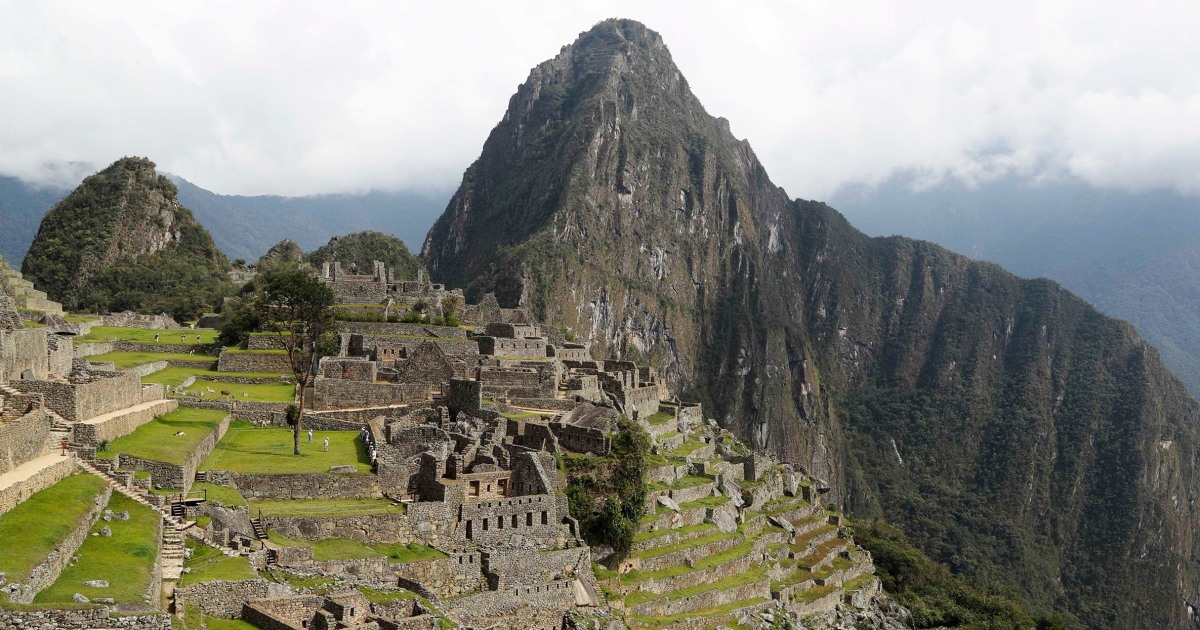
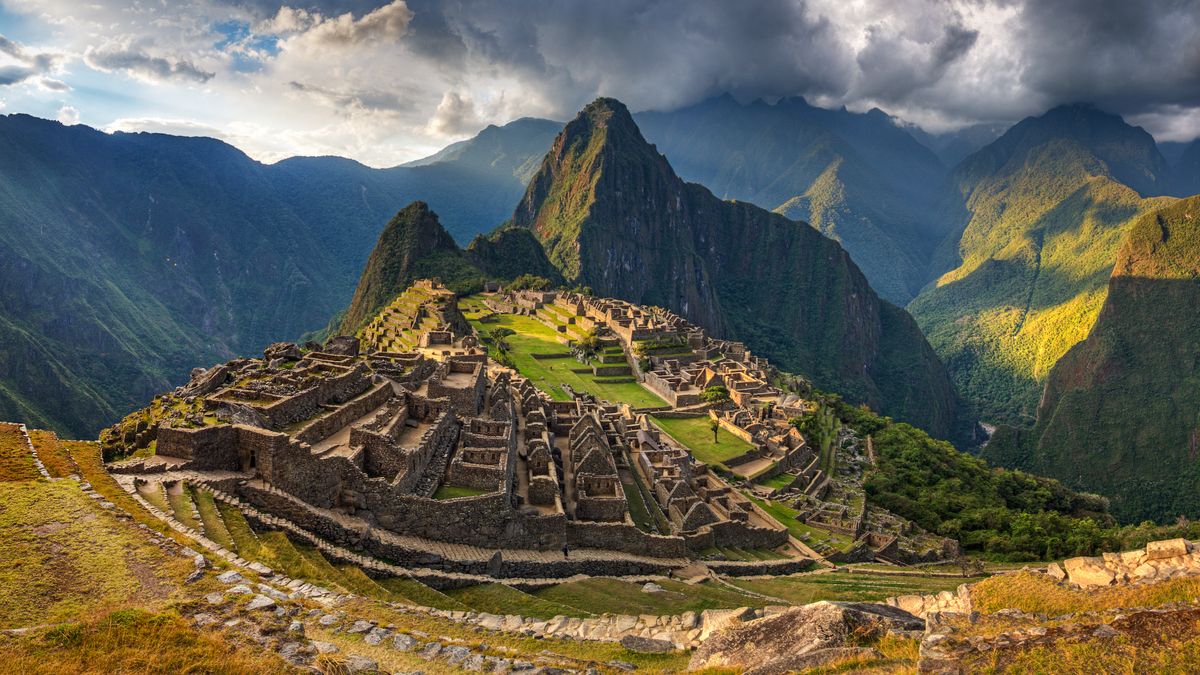
Machu Picchu, a UNESCO World Heritage Site and one of the New 7 Wonders of the World, faces threats to its credibility due to overtourism, social conflicts, and conservation challenges. The New7Wonders organization warns that the site’s status could be at risk if key decision-makers do not implement strategic management plans. Meanwhile, protests and transportation disruptions in Peru have compounded issues at the site, which is experiencing record visitor numbers, raising concerns about its preservation.
Peru's government reversed its decision to outsource the sale of entry tickets to Machu Picchu to a private company after protests and disruptions to rail service. The Minister of Culture terminated the contract with Joinnus and agreed to move ticket sales to an online platform managed by the national government. Despite the resolution, visitor arrivals remained low, and tourism-related businesses suffered significant losses. Rail service has resumed, but concerns about potential lack of water and essentials persist.
Protests against the outsourcing of entry ticket sales to a private company have led to a significant drop in tourism at Machu Picchu, with train service to the area canceled and small businesses and workers in the tourism sector fearing the new ticketing system will benefit big companies at their expense. The government's decision to outsource ticket sales to a private platform has sparked concerns about data privacy and transparency, leading to demands for the new system to be canceled and the resignation of the Minister of Culture. The protests have caused significant economic losses in the tourism sector, impacting not only large operators but also small businesses, taxi drivers, and peasant communities.
Protesters in Peru blocked access to Machu Picchu, the country's most-visited site, over a new ticketing system, leading to the evacuation of hundreds of stranded tourists. The demonstrators are demanding the government rescind a contract that allows a private company to sell tickets to the site, claiming corruption in the deal. While the site is officially open, train service and buses to the citadel remain suspended, and travelers are advised to take precautions if attempting to reach the site.
A genetic study of ancient DNA from over 30 individuals buried at Machu Picchu has revealed that the servants who attended the Incan elite were not locals, but rather came from lands conquered by the empire. The study found that the servants hailed from various regions throughout the Andean highlands and the coast of Peru. The research also showed a significant difference in genetic ancestries between male and female servants, with males mostly coming from highland regions and females having more diverse, non-highland ancestries. The findings provide new insights into the origins and lives of the servants who ran Machu Picchu.